Camarones a la Diabla
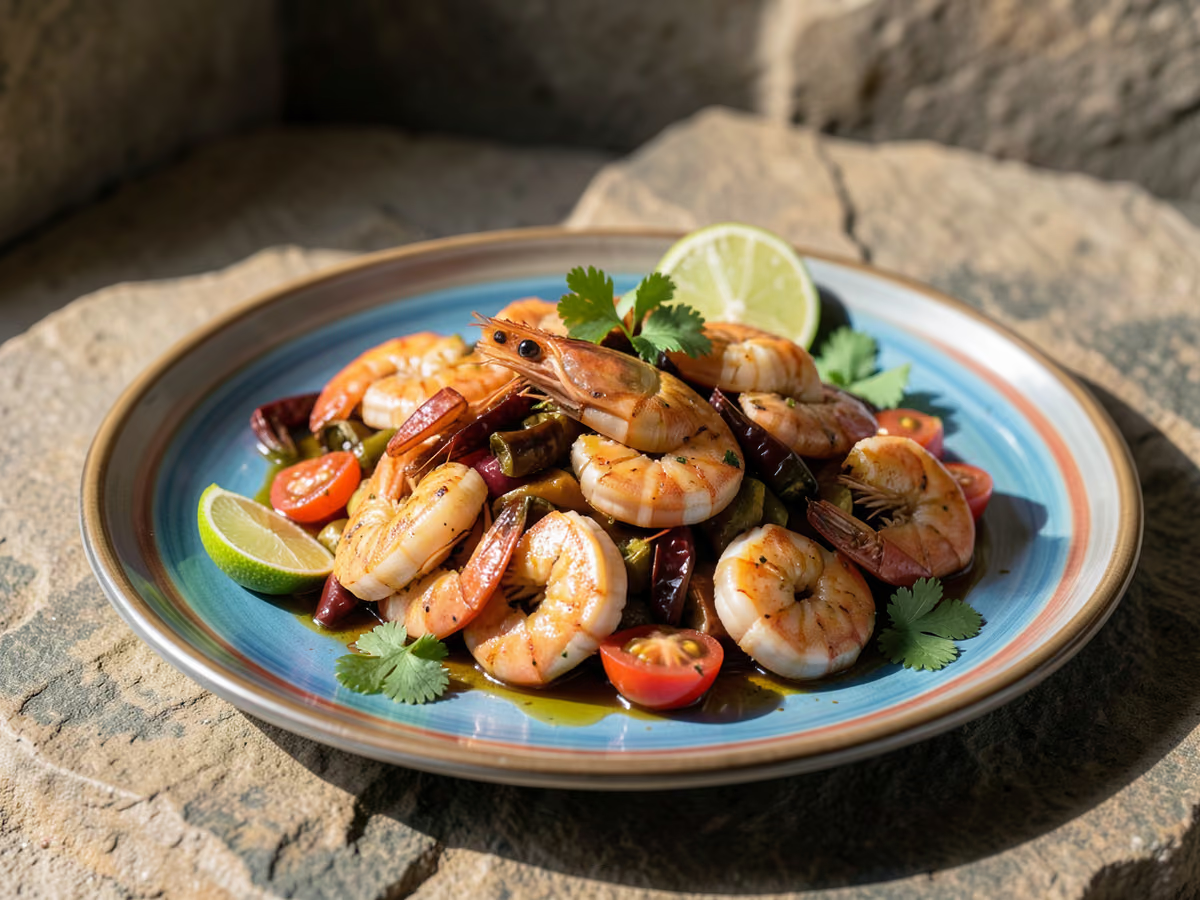
Camarones a la diabla — Mexican deviled shrimp — is the Pacific-coast classic of plump shrimp turned through a brick-red sauce of toasted guajillo and chile de árbol blended with tomato, garlic, oregano and cumin. The fixed feminine name, a la diabla, is how the dish is ordered on both coasts of Mexico. This version keeps the dried-chile profile rather than the faster coastal shortcuts: fifteen minutes of prep, ten minutes at the stove, four servings, gluten-free and dairy-free as written. Serve it straight from the skillet with warm corn tortillas and lime wedges.
- Prep
- 15 min
- Cook
- 10 min
- Total
- 25 min
- Serves
- 4
Ingredients
What you’ll need — tap to tick off as you go
- 700 g
- 3 cloves
- 2 tbsp
- 1 tsp
- ½ tsp
- ¼ tsp
Process
Timers built in · swap anything · ask as you cook
Toast the 4 guajillo chiles and 3 chiles de árbol in a dry skillet over medium heat, thirty to forty seconds per side, pressing them flat so they make even contact. They are ready when they smell nutty and feel pliable — never dark, or the sauce turns bitter. Work in batches if the pan crowds.
Transfer the toasted chiles to a heatproof bowl, cover with hot water, and soak for ten minutes, until they soften and the liquid stains deep red. Drain, reserving 60 ml of the soaking liquid — it carries flavor and enough body to get the blender moving.
Blend the soaked chiles, 2 quartered tomatoes, 3 garlic cloves, half a teaspoon dried oregano, a quarter teaspoon ground cumin and the reserved 60 ml of soaking liquid until completely smooth, about 60 seconds, then blend in 1 tsp salt. Scrape the blender and give it one more run — any fleck of skin left behind reads as grit.
Heat a tablespoon of the olive oil in a large skillet over medium-high heat. Add the sliced half onion and cook for about two minutes, until softened and translucent but not browned; browning here dulls the bright chile color you are about to build on.
Pour in the blended sauce and cook for 5 minutes, stirring, until it thickens and deepens from bright red to brick. It should hold a trail behind the spatula. Taste and add more salt if it still tastes flat or raw.
Push the sauce to one side of the skillet, add the remaining tablespoon of olive oil to the bare metal, and lay the 700 g of shrimp in a single layer. Cook for about a minute per side, until they turn opaque and pink and curl into a loose C.
Stir the shrimp into the sauce and cook for one more minute, just until firm at the thickest part. Cut one open — the center should be opaque white, not translucent. Then pull the pan off the heat; the residual heat finishes the last bit of cooking.
Squeeze half the lime over the shrimp, taste the sauce once more, and serve right away with the warm corn tortillas and the remaining lime wedges. This is not a dish that waits — the shrimp keep firming as the pan cools.
Why this recipe works
Dried chiles hold their flavor in fat-soluble compounds that a dry pan wakes up: thirty to forty seconds per side coaxes out the nutty, raisiny notes, while a moment too long pushes those same compounds into harsh bitterness. A ten-minute soak then softens the skins so the blender can purée them completely — flecks of skin read as grit in the finished sauce. Simmering the purée for five minutes cooks off the raw, vegetal edge and reduces the tomato until the sauce darkens to brick red and coats a spoon. The shrimp get a hot, bare surface to sear on instead of poaching in sauce, which keeps them plump before a final minute of simmering.
Equipment
- Large skillet, 30 cm or wider, so everything fits in a single layer
- Blender, for a completely smooth chile purée
- Small dry skillet or comal, for toasting the chiles without oil
- Heatproof bowl, for soaking the chiles in hot water
- Fine-mesh sieve or colander, for draining the chiles and smoothing the sauce
- Measuring spoons and a liquid measuring cup
- Instant-read thermometer, for the 63°C doneness check
- Long tongs and a flexible spatula, plus a basket or clean towel for warming tortillas
Kitchen notes
Kitchen notes
- Wear gloves when you stem and seed the chiles de árbol — their oils linger on skin for hours and find every small cut and every eye you rub.
- Taste the purée before it hits the pan. If the burn is over your line, blend in a little more tomato or a splash of the soaking liquid; if it tastes flat, a little more salt usually does more for it than more chile does.
- Shrimp size is the quiet variable: large shrimp hold up to the heat of the sauce, while smaller ones cook through in half the time — if that is what you have, sear them for seconds and stir them in sooner.
- This dish is gluten-free and dairy-free as written — the sauce is nothing but chiles, tomato and spices, and corn tortillas keep the plate that way. Check labels on anything you add.
- The reserved soaking liquid tastes of the chiles themselves. Use it to move the blender along, and reach for it again if the finished sauce tightens up before serving.
Common mistakes
- Rubbery shrimp — a minute too long turns plump into eraser-like; they curl into a tight O and squeak when bitten. Pull them while they are opaque and loosely C-shaped and get the pan off the heat, because the sauce keeps them warm well enough to finish cooking off the burner.
- Bitter sauce — chiles toasted until they darken, or over heat that is too high, scorch and make the whole pan bitter with no way back. Toast only until fragrant, thirty to forty seconds per side. If the sauce is already bitter, stir in a pinch of sugar and a little more tomato and simmer a minute; both round the edge without hiding the chile.
- Watery sauce — wet shrimp steam instead of searing and drop water into the pan, and a crowded skillet does the same. Thaw frozen shrimp completely, pat them very dry, and use the widest pan you have; if the sauce loosens anyway, simmer it a minute longer to tighten it back up.
- Gritty sauce — under-blending leaves flecks of chile skin, and a quick pulse will not save it. Run the blender a full sixty seconds until the purée turns glossy; if bits remain, push the sauce through a fine sieve before it goes into the pan.
- Flat, raw-tasting sauce — cutting the simmer short leaves the chiles harsh and the tomato sour. Let the sauce cook until it darkens to brick red and thickens enough to coat a spoon; that five-minute simmer is where the balance happens.
- Under-seasoned sauce — dried chiles and tomatoes swallow salt, so one early taste is not enough. Season in the blender, taste again after the simmer, and check a final time once the shrimp are in, when the sauce is complete.
Serving suggestions
- Warm the 8 corn tortillas while the sauce simmers and keep them wrapped in a clean towel so they stay soft for scooping.
- Spoon the shrimp and sauce over steamed white rice — the rice catches every drop of the brick-red sauce and softens the heat bite by bite.
- Set out lime wedges and a few slices of avocado; the lime cuts the richness and the avocado cools the chile heat.
- Keep the rest of the table quiet — a crisp cabbage or cucumber salad is plenty; heavy, sweet sides compete with the sauce and flatten it.
- For a lighter plate, skip the tortillas and rice and serve the shrimp over tender greens, with the sauce spooned on at the last second.
Variations
- Smoky chipotle version — blend a smoked chipotle in adobo with the chile purée for a deeper, duskier sauce; it keeps the same heat but adds a campfire note that coastal cooks often prefer.
- Sinaloa-style sweet heat — add a splash of fresh orange juice to the simmering sauce, a coastal variation that rounds the chile burn and deepens the brick-red color.
- Muy a la diabla — keep the seeds in the chiles de árbol and add extra soaked pods when you want the full restaurant burn; the name itself grades the heat, hotter the further you push it.
Refrigerator
- RefrigeratorSpread the shrimp and sauce in a shallow container so they cool quickly, then refrigerate within two hours. Leftovers keep, covered, for 3 to 4 days; the sauce thickens and the shrimp firm up overnight, so expect a denser dish on day two.
- ReheatingReheat gently in a covered skillet over medium-low heat with a splash of water, about three or four minutes, until steaming hot; the USDA target for reheated leftovers is 74°C. Keep the heat low, because a hard boil or a high microwave setting toughens seafood fast.
- FreezingFreeze the sauce alone for up to 3 months in a sealed container and thaw it overnight in the refrigerator. The finished shrimp dish does not freeze well — thawed shrimp turn rubbery and shed water into the sauce.
- Make aheadMake the chile sauce up to 3 days ahead and refrigerate it; when you are ready, simmer it for five minutes, then sear the shrimp and finish as directed. Its flavor deepens overnight, so this is one component that rewards planning.
Updated:
How this recipe was developed
- FDA and FoodSafety.gov, selecting and serving seafood safely (seafood cooked to 63°C; shrimp are done when the flesh turns firm, pearly and opaque)
- USDA FSIS, leftovers and food safety, with USDA AskUSDA seafood storage guidance (refrigerate within 2 hours; cooked seafood keeps 3 to 4 days; reheat to 74°C; freeze cooked seafood up to 3 months for best quality)
- Maricruz Avalos, Camarones a la Diabla (toast dried chiles briefly per side; never overcook the shrimp; the sauce can be made 3 days ahead or frozen up to 3 months)
- Isabel Eats, Camarones a la Diabla (heat can be dialed by blending as few as one chile de árbol and tasting; tomatoes balance the sauce; frozen shrimp must be thawed fully and patted dry)
Editorial references are kept internally for verification. This page makes no claim of external certification or professional testing.
FAQ
The questions we get asked most
What is camarones a la diabla made of?
It is shrimp in a red chile sauce. The 700 g of large shrimp are seared and then finished in a sauce built from four guajillo chiles and three chiles de árbol, blended with tomatoes, garlic, white onion, dried oregano and ground cumin, and loosened with the chile soaking liquid. Lime goes over the top and warm corn tortillas come alongside. Nothing dairy or wheat-based goes in, so the dish is gluten-free and dairy-free as served — and the name is the coastal Mexican way of saying deviled shrimp.
How spicy are camarones a la diabla, and how can I make them milder?
The heat lives entirely in the chiles de árbol; the guajillos are mild and smoky. As written, three árbol give a solid, warm burn — use just one for a mild sauce, or shake out their seeds before blending to blunt the sharpest edge. Because nothing in this version is dairy, there is no cream to cool the sauce, so taste the purée before the shrimp go in and blend in a little more tomato if it runs hotter than you want.
What is the difference between camarones a la diabla and camarones a la mexicana?
Both are Mexican shrimp dishes in a red sauce, but the sauces come from different places. Camarones a la mexicana is built on fresh ingredients — tomato, onion and fresh chilies cooked down quickly — so it tastes bright and vegetal. Camarones a la diabla uses toasted dried chiles, guajillo and chile de árbol, soaked and blended into a purée, which is what gives the sauce its deep brick-red color and its smoky, layered burn.
Why is my camarones a la diabla sauce bitter?
Bitterness almost always means the dried chiles were toasted past the nutty stage — dark patches on the skin, or a pan hot enough to scorch them. Toast thirty to forty seconds per side over medium heat and pull them the moment they smell fragrant. If the sauce already tastes bitter, stir in a pinch of sugar and a little extra tomato and simmer a minute; both round the edge without hiding the smoke.
Can I make the sauce for camarones a la diabla ahead of time or freeze it?
Yes — the sauce is the perfect make-ahead component. Blend and simmer it, cool it, and refrigerate for up to 3 days, or freeze it for up to 3 months; its flavor deepens overnight. When you are ready, bring it back to a simmer with a splash of water, give it five minutes, then sear the shrimp and finish as usual. Keep the shrimp out of the freezer — thawed shrimp turn rubbery.
How do I know when the shrimp are fully cooked?
Read shape and color together: cooked shrimp turn opaque and pink-white and curl into a loose C, while a tight O means they are already overdone. If you want to check with a thermometer, the target is 63°C at the thickest part, the standard the FDA gives for seafood. Depending on size, that takes about two minutes in the pan and one more in the sauce.
What do you serve with camarones a la diabla?
Warm corn tortillas and lime wedges are the classic pairing — the tortillas scoop the sauce and the lime cuts the heat. Steamed white rice, Mexican red rice or a simple salad all work, and a few avocado slices add a cool, creamy contrast. Keep the sides plain and unsweet; the sauce is the loudest thing on the table and should stay that way.
Ask KitchenMind about this recipe
Tell it what’s different tonight — it works within the actual recipe.