- Prep
- 30 min
- Cook
- 180 min
- Total
- 210 min
- Serves
- 6
Ingredients
What you’ll need — tap to tick off as you go
- 1 ½ kg
- 6 cloves
- 2 tbsp
- 1 tsp
- 1 tsp
- ½ tsp
- 1 l
- 2 tbsp
- 1 ½ tsp
- ½ tsp
- ½ cups
Process
Timers built in · swap anything · ask as you cook
Toast the guajillo chiles and ancho chiles in a dry skillet over medium heat for 30–40 seconds per side until fragrant. Do not let them burn or they will turn bitter. Transfer to a bowl, cover with hot water, and soak for 20 minutes until soft.
Meanwhile, season the beef chuck chunks generously with salt and black pepper. Heat the vegetable oil in a large Dutch oven or heavy pot over medium-high heat. Sear the beef in batches until browned on all sides, about 4–5 minutes per batch. Set the beef aside.
In the same pot, add the white onion and garlic cloves. Cook over medium heat for 3–4 minutes until softened and lightly browned. Add the tomatoes and cook for another 3 minutes until they begin to break down.
Drain the soaked chiles and transfer them to a blender. Add the cooked onion, garlic, and tomatoes, along with the apple cider vinegar, dried oregano, ground cumin, and ground cinnamon. Pour in 250 ml of the beef broth. Blend until completely smooth, about 1–2 minutes. If needed, add a little more broth to keep the blender moving.
Pour the chile puree through a fine-mesh strainer back into the pot, pressing on the solids to extract as much liquid as possible. Discard the solids. Add the remaining beef broth and the bay leaves. Stir well.
Return the seared beef to the pot. The liquid should almost cover the meat; add a little water if needed. Bring to a simmer over medium heat, then reduce the heat to low, cover, and cook for 2.5 to 3 hours, stirring occasionally, until the beef is very tender and shreds easily with a fork.
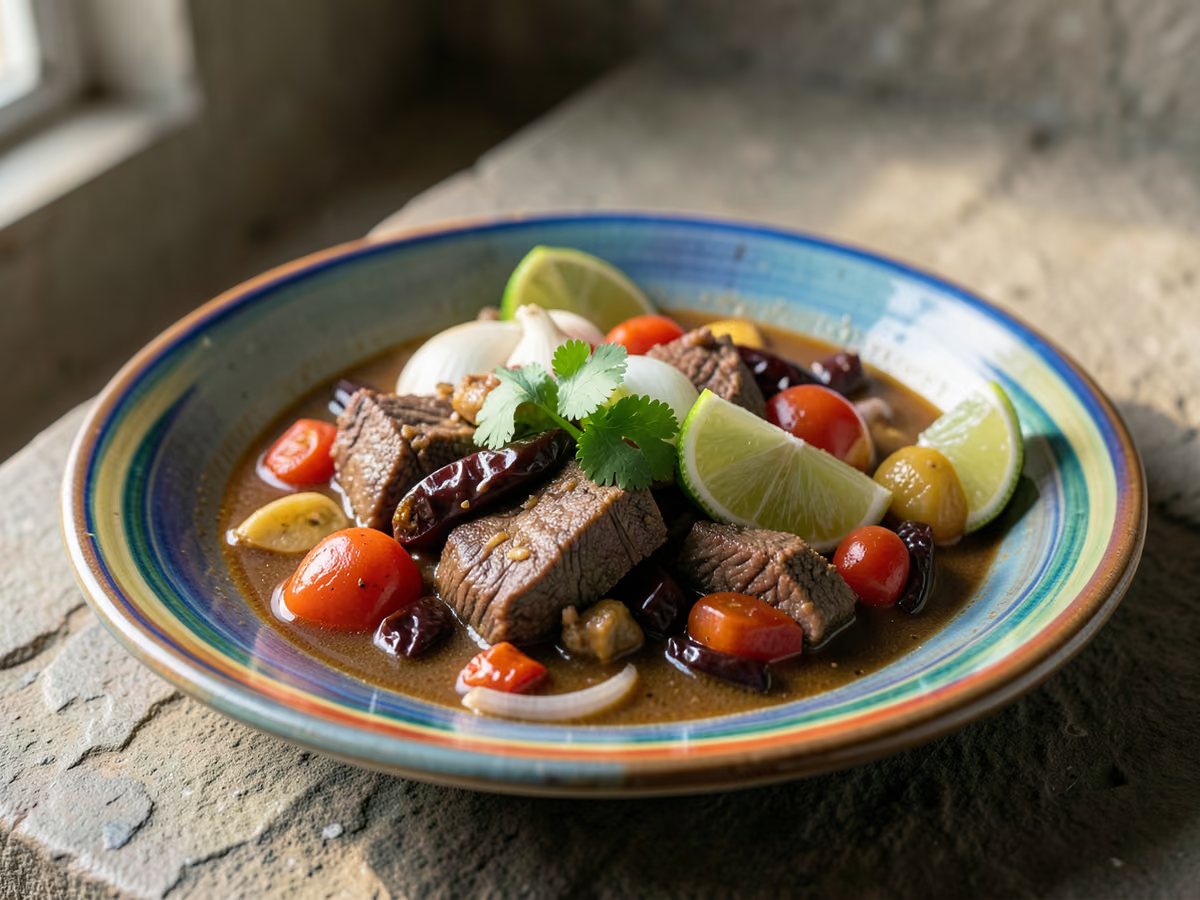
Remove the bay leaves. If the stew is too thin, simmer uncovered for 10–15 minutes to reduce. Taste and adjust salt. Serve hot, garnished with chopped cilantro and lime wedges on the side.
Kitchen notes
Kitchen notes
- The most common mistake is not straining the chile puree, which leaves gritty bits. Always pass it through a fine-mesh strainer for a silky sauce.
- Sear the beef in batches and do not overcrowd the pot; crowding steams the meat instead of browning it, which builds the deep flavor base.
- The stew is done when a piece of beef falls apart when pressed with a fork and the sauce coats the back of a spoon. If the meat is still tough, continue simmering; it needs more time, not more heat.
- For a richer flavor, let the stew cool and refrigerate overnight; the fat will solidify on top and can be removed, and the flavors will deepen.
Substitutions
- beef chuck→beef brisket or short ribs
- guajillo chiles→dried pasilla chiles
- ancho chiles→dried mulato chiles
- apple cider vinegar→white vinegar or lime juice
- beef broth→vegetable broth or water
Storage & reheating
Store the birria beef stew in an airtight container in the refrigerator for up to 4 days. To freeze, transfer to a freezer-safe container, leaving 2 cm of headspace, and freeze for up to 3 months. Thaw overnight in the refrigerator. Reheat gently on the stovetop over low heat, adding a splash of broth or water if the sauce has thickened too much, until heated through, about 10-15 minutes. Do not boil vigorously or the meat may shred too much.
FAQ
The questions we get asked most
Why did my birria turn out bitter?
Bitterness usually comes from burning the dried chiles during toasting or from not removing all the seeds and veins. Toast the chiles only until fragrant, about 30 seconds per side, and discard the seeds and stems. Also, make sure not to scorch the garlic or onions.
Can I use a slow cooker instead of a Dutch oven?
Yes. After searing the beef and preparing the chile sauce, transfer everything to a slow cooker. Cook on low for 6-8 hours or on high for 4-5 hours, until the beef is fork-tender. The flavor will be slightly less concentrated, so you may want to reduce the sauce on the stovetop afterward.
How do I know when the beef is done?
The beef is done when it shreds easily with a fork and offers no resistance. It should be very tender but not mushy. If it is still tough, continue simmering, checking every 30 minutes. The total time can vary from 2.5 to 4 hours depending on the cut and size of the meat.
Can I make birria ahead of time?
Yes, birria tastes even better the next day. Cool it completely, then refrigerate in an airtight container for up to 4 days. The fat will rise and solidify on top; you can remove it before reheating. Reheat gently on the stovetop or in a microwave.
What if I can't find guajillo or ancho chiles?
You can substitute with other dried chiles like pasilla, mulato, or even chipotle (for a spicier version). If using chipotle, reduce the amount to 2-3 chiles. Avoid using only mild chiles like California chiles, as they lack the fruity complexity. In a pinch, use 3 tablespoons of good-quality chile powder, but the flavor will be less vibrant.
How can I use the leftover birria?
Besides eating it as a stew, you can shred the meat and use it as a filling for tacos, quesadillas, or tortas. The consommé (broth) is excellent for dipping. You can also use the shredded beef in tamales or over rice.
Why is my birria sauce too thin?
If the sauce is too thin after cooking, remove the lid and simmer over medium-low heat for 10-15 minutes to reduce and thicken. Alternatively, blend a small amount of the sauce with a tablespoon of cornstarch and stir it back in, then simmer for 5 minutes. Do not add flour, as it can make the sauce pasty.
Ask KitchenMind about this recipe
Tell it what’s different tonight — it works within the actual recipe.