Canjeero
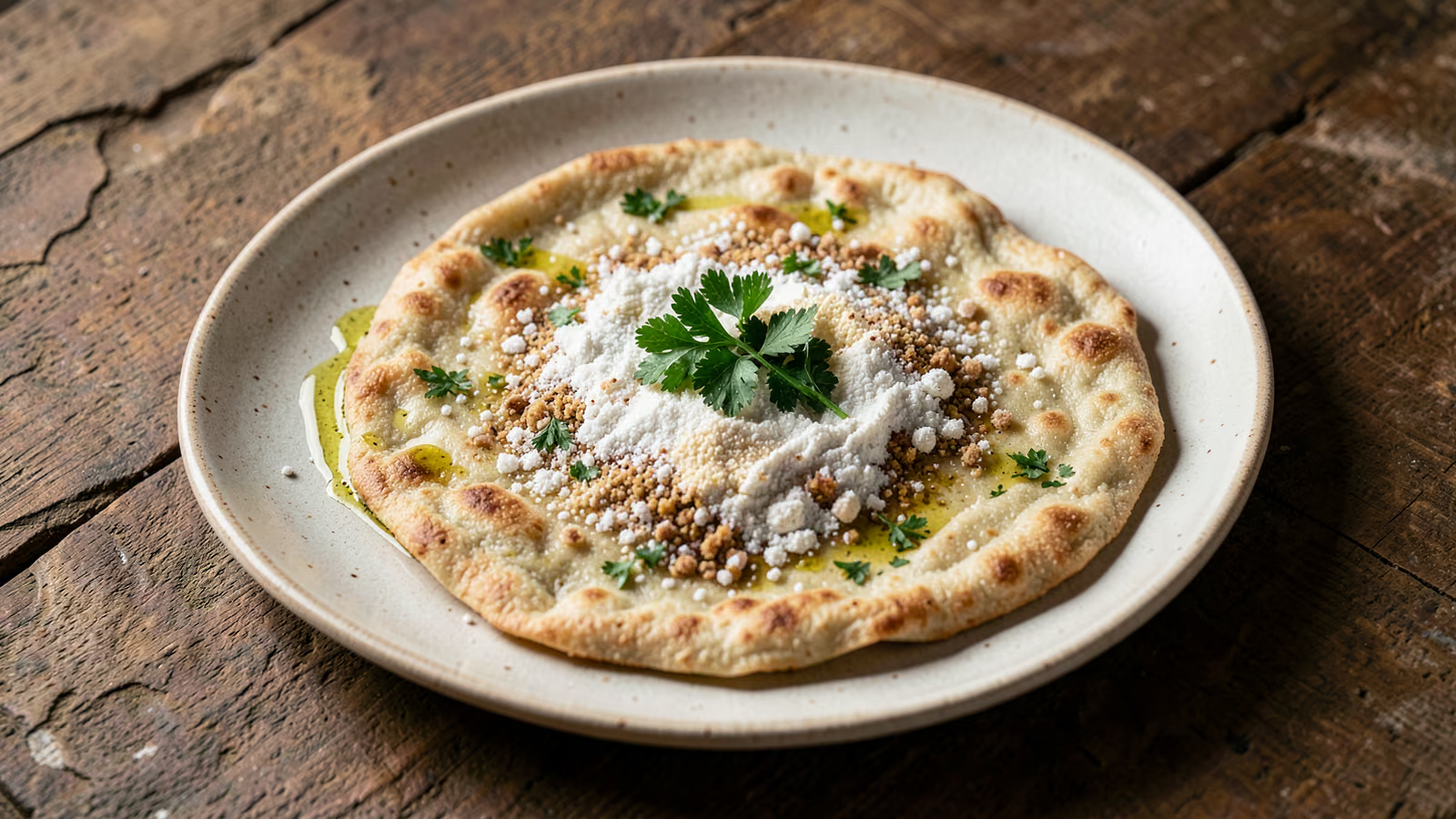
Somali fermented flatbread with a spongy, lacy top and soft tang, cooked on a hot skillet and served with honey, sugar, or savory stews.
- Prep
- 15 min
- Cook
- 25 min
- Total
- 40 min
- Serves
- 6
Ingredients
What you’ll need — tap to tick off as you go
- 250 g
- 120 g
- 7 g
- 1 tsp
- 1 tsp
- 500 ml
- 2 tbsp
- ½ tsp
Process
Timers built in · swap anything · ask as you cook
In a large bowl, whisk together the all-purpose flour, fine cornmeal, active dry yeast, granulated sugar, and salt until evenly combined.
Pour in the warm water and whisk vigorously for 2 minutes until the batter is completely smooth and slightly thicker than heavy cream. If it feels stiff, add warm water 1 tablespoon at a time.
Cover the bowl with a clean kitchen towel or plastic wrap and leave it at room temperature for 1 to 2 hours, until the batter is bubbly, risen, and smells pleasantly sour. If your kitchen is cool, let it sit up to 3 hours.
Stir the batter well, then whisk in the baking soda if using. The batter should be thin and pourable, like crepe batter; thin it with a little warm water if needed.
Heat a non-stick skillet or flat griddle over medium heat for 3 to 4 minutes. Lightly brush the surface with vegetable oil using a paper towel, leaving only a thin film.
Pour about 80 ml (1/3 cup) of batter into the center of the hot pan and immediately tilt and swirl the pan to spread it into a thin 20 cm round. Do not press or spread with a spoon.
Cook undisturbed for 2 to 3 minutes, until the edges lift, the top is covered in small holes, and the underside is golden brown in spots. Do not flip the canjeero; it cooks only on one side.
Slide the canjeero onto a plate and cover with a clean towel to keep it soft. Repeat with the remaining batter, stirring the batter each time before pouring and re-oiling the pan very lightly every 2 to 3 breads.
Serve warm with honey, sugar, or alongside savory stews. Stack and wrap leftovers in a clean towel.
Kitchen notes
Kitchen notes
- The most common mistake is a cold or dry pan: the first canjeero often fails, so test with a small ladleful and adjust the heat to medium before cooking the rest.
- The batter must be thin enough to swirl easily; if it is thick, the bread will be doughy and pale instead of lacy. Add warm water 1 tablespoon at a time until it coats the back of a spoon thinly.
- Do not flip the canjeero. The signature texture comes from the top staying porous and the bottom browning on the hot pan; flipping makes it tough and flat.
- Let the batter ferment until it smells slightly sour and shows bubbles; under-fermented batter tastes flat and does not develop the characteristic holes.
Substitutions
- fine cornmeal→fine semolina
- active dry yeast→instant yeast (use the same amount, no need to activate separately)
- vegetable oil→melted ghee or coconut oil
Storage & reheating
Cool completely, then stack the canjeero with pieces of parchment paper between them and wrap tightly in plastic wrap or place in an airtight container. Store at room temperature for 1 day or in the refrigerator for up to 3 days. To reheat, warm in a dry non-stick skillet over medium heat for 30 to 45 seconds per side, or microwave covered with a damp paper towel for 20 to 30 seconds. For longer storage, freeze the stacked breads in a freezer bag for up to 2 months and reheat directly from frozen in a skillet.
FAQ
The questions we get asked most
Why did my canjeero turn out doughy and pale instead of lacy?
The batter was likely too thick or the pan was not hot enough. Thin the batter with warm water until it pours like crepe batter, and heat the skillet over medium heat for 3 to 4 minutes before pouring. A properly heated pan sets the bottom quickly and creates the signature holes on top.
Can I make the canjeero batter ahead of time?
Yes. Mix the batter, cover it, and let it ferment in the refrigerator overnight for up to 12 hours. Bring it to room temperature for 30 minutes, stir well, and thin with warm water if needed before cooking. The cold ferment gives a slightly tangier flavor.
How do I know when the canjeero is done?
The top will be covered with small holes, the edges will look dry and lift away from the pan, and the underside will be golden brown in spots. This takes about 2 to 3 minutes over medium heat. If the top still looks wet and shiny, cook for another 30 to 60 seconds.
Can I use only all-purpose flour and skip the cornmeal?
You can, but the texture will be softer and less lacy. Cornmeal gives canjeero its characteristic porous top and slight chew. If you must substitute, use fine semolina or increase the all-purpose flour to 370 g and reduce the water slightly.
Why is my canjeero sticking to the pan?
The pan needs a thin film of oil, not a dry surface or a pool of oil. Brush the hot pan with vegetable oil using a paper towel, then wipe out any excess. Also make sure the pan is fully preheated before pouring the batter; a cold pan causes sticking.
Can I freeze canjeero and how do I reheat it?
Yes, freeze cooled canjeero stacked with parchment paper between them in a freezer bag for up to 2 months. Reheat from frozen in a dry non-stick skillet over medium heat for 1 to 2 minutes per side, or microwave covered with a damp paper towel for 30 to 45 seconds.
What do Somalis traditionally eat with canjeero?
Canjeero is commonly served for breakfast with honey, sugar, or ghee, and also alongside savory dishes like suqaar (sauteed meat), liver, or a simple lentil stew. It is torn and used to scoop up stews or dipped in tea.
Ask KitchenMind about this recipe
Tell it what’s different tonight — it works within the actual recipe.