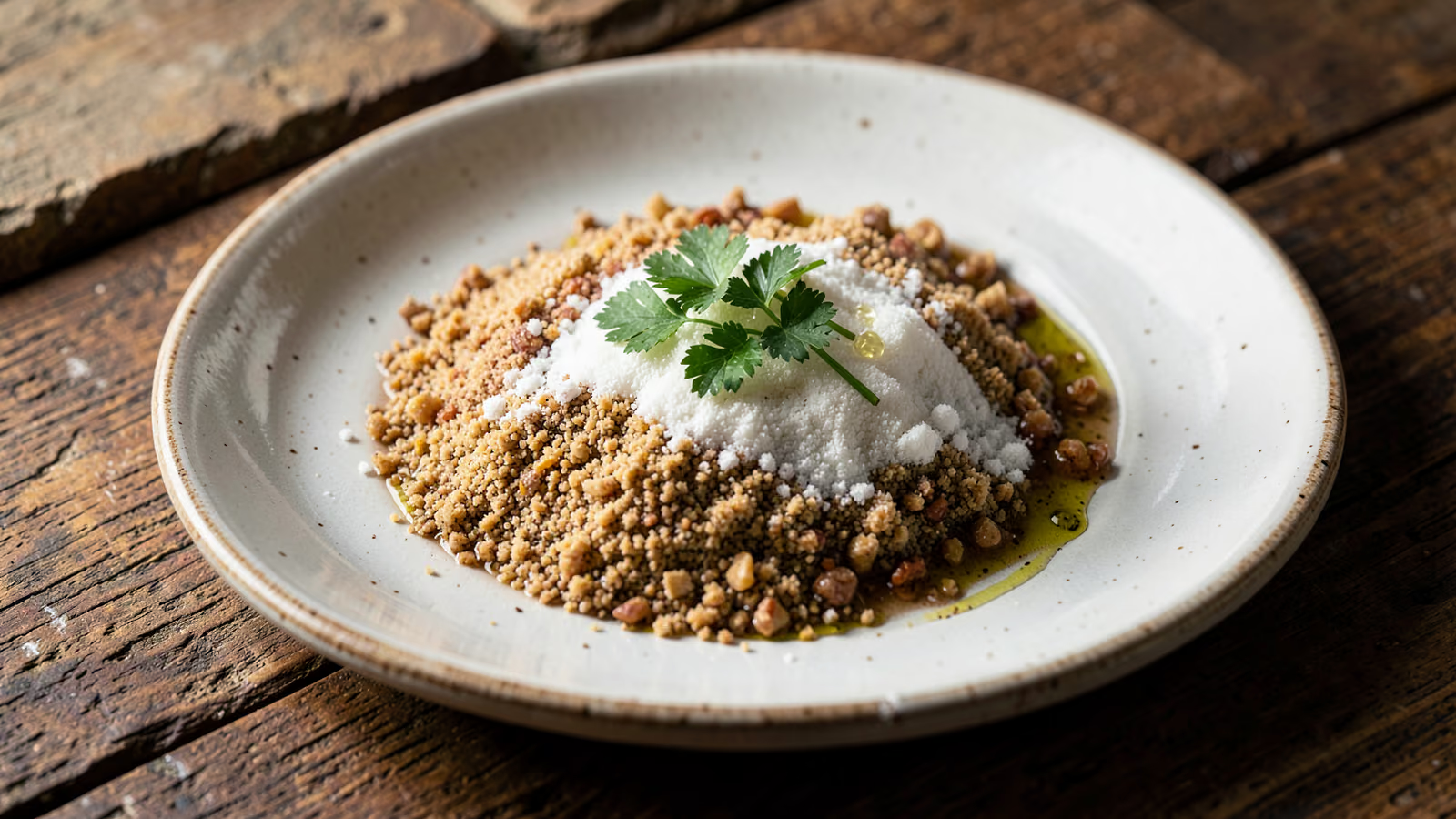
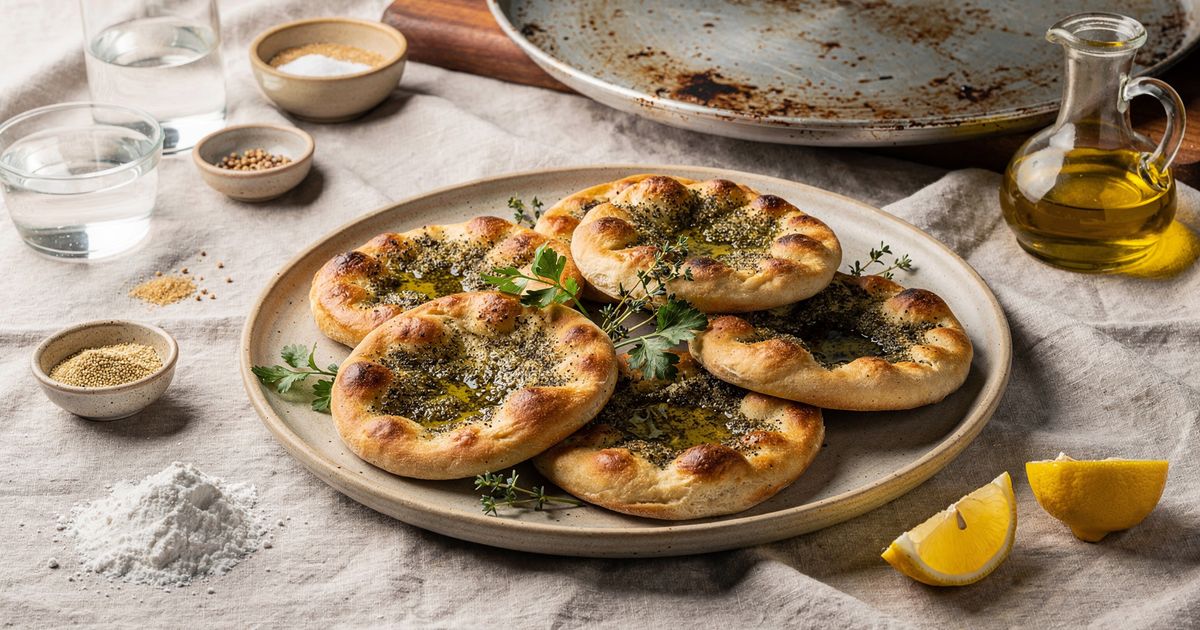
Msemen Moroccan Flatbread
Msemen comes together fast: mix flour, fine semolina, salt, instant yeast, sugar, warm water, vegetable butter and honey, then cook. Prep 40 min, cook 20 min, serves 6.
- Prep
- 40 min
- Cook
- 20 min
- Total
- 60 min
- Serves
- 6
Ingredients
What you’ll need — tap to tick off as you go
- 300 g
- 140 g
- 1 tsp
- 1 tsp
- 1 tsp
- 300 ml
- 80 ml
- 30 g
- 2 tbsp
Process
Timers built in · swap anything · ask as you cook
In a large bowl whisk 300 g all-purpose flour, 100 g fine semolina, 1 tsp salt, 1 tsp instant yeast and 1 tsp sugar until evenly combined.
Pour in 300 ml warm water and mix with your hand or a wooden spoon until a shaggy dough forms, then knead in the bowl for 2 minutes until no dry flour remains.
Turn the dough onto a lightly oiled work surface and knead for 8 to 10 minutes until smooth, elastic and slightly tacky but not sticky.
Divide the dough into 6 equal balls, roll each in a little vegetable oil, cover with a clean cloth and rest for 20 minutes so the gluten relaxes.
Mix 40 g fine semolina with 2 tbsp vegetable oil in a small bowl to make a loose paste for brushing.
Flatten one dough ball on an oiled surface, brush generously with the semolina paste, then stretch and press it into a very thin 25 cm square; the dough should be almost translucent.
Fold the square into thirds like a letter, brush the top with semolina paste, then fold into thirds again the other way to make a small square parcel.
Repeat the stretching, brushing and folding with the remaining 5 dough balls, keeping finished parcels covered so they do not dry out.
Heat a heavy skillet or griddle over medium heat and brush lightly with vegetable oil.
Place one parcel on the skillet and press gently with a spatula to flatten it to about 5 mm thick; cook for 2 to 3 minutes until the bottom is golden with dark spots.
Brush the top with vegetable oil or melted butter, flip and cook for another 2 to 3 minutes until golden and cooked through; the bread should puff slightly and feel firm.
Transfer to a plate and cover with a cloth while you cook the remaining parcels the same way.
Serve warm, drizzled with honey if you like, or alongside mint tea.
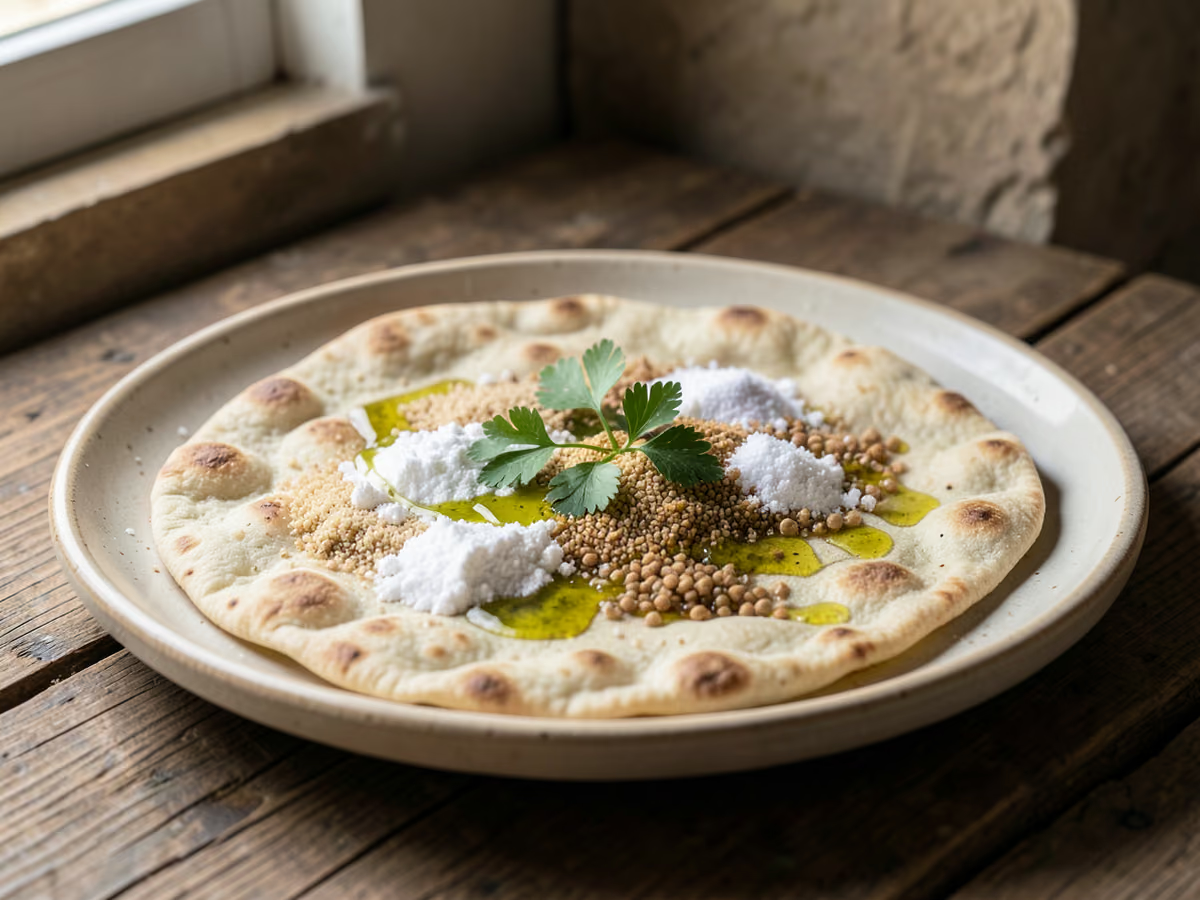
Kitchen notes
Kitchen notes
- The most common mistake is not resting the dough: 20 minutes of rest makes the gluten relax so the dough stretches thin without tearing back.
- The semolina-oil paste is what creates the flaky layers; brushing with plain oil alone gives a flatter, less layered bread.
- Cook on medium, not high: high heat browns the outside before the inside cooks, leaving a raw, doughy centre.
- The bread is done when it feels firm and springs back when pressed, with even golden-brown spots on both sides.
Substitutions
- all-purpose flour→bread flour for a chewier texture
- fine semolina→additional all-purpose flour if semolina is unavailable
- instant yeast→active dry yeast dissolved in the warm water for 5 minutes first
- butter→vegetable oil for a dairy-free version
- honey→date syrup or jam for serving
Storage & reheating
Stack cooled msemen between sheets of baking paper, wrap tightly in cling film or place in an airtight container and refrigerate for up to 3 days, or freeze for up to 2 months with paper between each bread. Reheat in a dry skillet over medium heat for 1 to 2 minutes per side, or in a 180°C oven for 5 minutes, until hot and pliable; avoid the microwave, which makes them rubbery.
FAQ
The questions we get asked most
Why did my msemen turn out tough and hard?
Tough msemen usually means the dough was not rested long enough or was kneaded with too much flour. Let the balls rest a full 20 minutes and resist adding flour while stretching; oil your hands and the work surface instead. Cooking too long on high heat also dries them out, so pull them off as soon as both sides are golden.
Can I make msemen ahead of time?
Yes. You can fold the parcels and keep them covered in the fridge for up to 24 hours before cooking, or cook them completely and reheat later. For the best texture, cook them fresh and reheat in a dry skillet rather than storing the raw dough for more than a day.
How do I know when msemen is fully cooked?
The bread should feel firm and spring back when pressed, with golden-brown spots on both sides and a slightly puffed look. If it still feels soft or doughy in the centre, give it another minute per side on medium heat. A raw centre will taste pasty and stick to your teeth.
Can I use whole wheat flour for msemen?
You can replace up to half the all-purpose flour with whole wheat flour, but the bread will be denser and may tear when stretched. Add an extra 1 to 2 tbsp water if the dough feels dry, and rest it a little longer. For the classic flaky layers, white flour still works best.
Why is my dough tearing when I stretch it?
The dough needs more rest or more oil. Cover it and wait another 10 minutes, then stretch gently from the centre outward with oiled hands instead of pulling hard. If it still tears, the dough may be too dry, so wet your hands with a little water and knead it in.
Can I freeze cooked msemen?
Yes, cooked msemen freezes very well. Cool them completely, stack with baking paper between each one, wrap tightly and freeze for up to 2 months. Reheat straight from frozen in a dry skillet over medium heat for 2 to 3 minutes per side or in a 180°C oven for 8 minutes.
What do I serve with msemen?
Msemen is traditionally served for breakfast or tea time with honey, butter, jam, or a savoury filling of cheese and herbs. It also works as a wrap for eggs, or alongside harira soup during Ramadan. For a simple presentation, stack them warm under a cloth and let everyone tear their own.
Ask KitchenMind about this recipe
Tell it what’s different tonight — it works within the actual recipe.