Chorba Frik
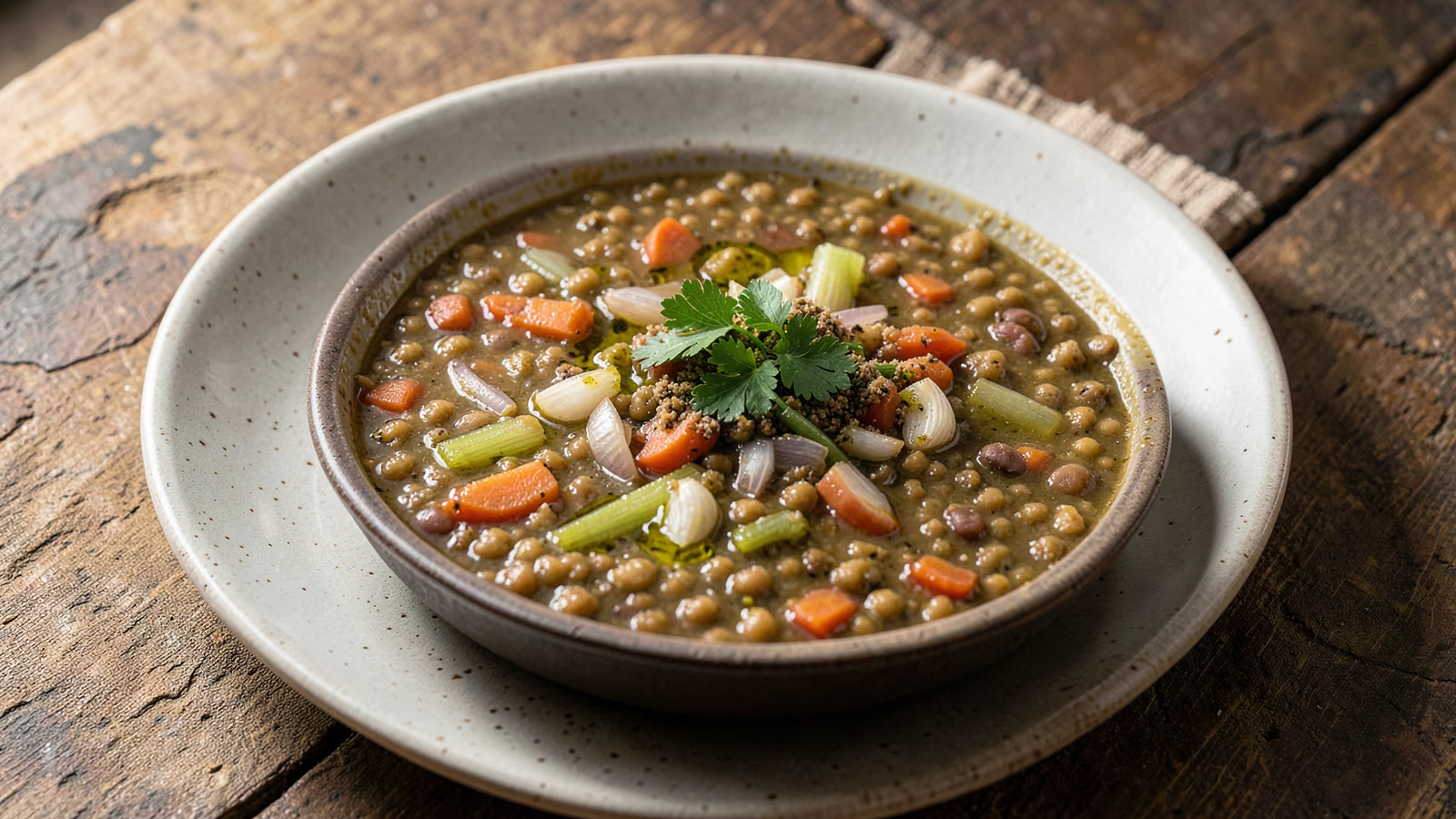
Chorba frik is the Algerian and Tunisian soup that anchors the Ramadan iftar table: small cubes of lamb shoulder and chickpeas simmered in a tomato broth perfumed with coriander, cinnamon, turmeric and paprika, then thickened with green frik, roasted young wheat. The build is traditional and unhurried: brown the lamb properly, fry the tomato paste and spices so they bloom, and let the pot do the rest. Prep takes about 20 minutes and the stove a little over an hour, most of it hands-off. It makes six good bowls.
- Prep
- 20 min
- Cook
- 75 min
- Total
- 95 min
- Serves
- 6
Ingredients
What you’ll need — tap to tick off as you go
- 500 g
- 200 g
- 200 g
- 2 tbsp
- 1 tsp
- ½ tsp
- ½ tsp
- 1 tsp
- 1 ½ tsp
- ½ tsp
- 2 tbsp
- 1 ½ l
- 20 g
Process
Timers built in · swap anything · ask as you cook
Heat the 2 tbsp vegetable oil in a large pot over medium heat. Add the chopped onion and cook for 5 minutes, stirring now and then, until it is soft and translucent but not browned. That softness is the sweetness the tomato and spices build on; an onion pushed to color would turn the base sharp instead.
Add the 500 g lamb cubes and cook for 6 to 8 minutes, turning them so they brown on several sides. Press each piece against the hot base for a few seconds before turning it: the dark fond that forms there is the deepest flavor the broth will carry. Keep the pieces in a single layer as much as possible, or they steam instead of browning.
Stir in the 2 tbsp tomato paste, 1 tsp ground coriander, 0.5 tsp ground cinnamon, 0.5 tsp ground turmeric, 1 tsp sweet paprika, 1.5 tsp salt and 0.5 tsp black pepper. Cook for 1 minute, stirring constantly, until the paste darkens a shade and the spices smell toasted. This is the step that dissolves the raw edge of the spice blend into the oil.
Pour in the 1.5 liters of water, scraping the base of the pot as it comes to a boil so the fond dissolves into the broth. Reduce the heat to low, cover, and simmer gently for 30 minutes, until the lamb is starting to soften and the broth tastes seasoned. Keep it at a bare simmer: a rolling boil toughens the meat and wastes the liquid the freekeh will need.
Stir in the 200 g rinsed green freekeh and the 200 g drained chickpeas. Cover and simmer for another 35 to 40 minutes, stirring every few minutes so the grain does not settle and catch on the base, until the freekeh is tender with a slight chew and the lamb is fork-tender. The soup thickens visibly as the freekeh releases its starch, so keep the heat low.
Stir in the 20 g chopped cilantro and cook for 2 more minutes. Taste and adjust the salt: the freekeh and chickpeas have absorbed seasoning as they swelled, so the pot usually needs a pinch more than expected. If the soup stands thicker than you want, loosen it with a splash of hot water.
Ladle the soup into warm bowls and serve hot, with the lemon wedges on the side. A squeeze added at the table brightens the tomato and lifts the spice blend far better than lemon cooked into the pot, and a scatter of the reserved cilantro finishes each bowl.
Why this recipe works
Three moves give chorba frik its body. The lamb is browned first, hard enough to leave a dark fond on the base of the pot; when the water goes in, it dissolves those toasted proteins into the broth, and that is where the soup's depth starts. Next, the tomato paste and ground spices get a minute in hot oil before any liquid arrives: their aroma compounds are fat-soluble, so they bloom there instead of simmering raw and dusty. The freekeh goes in last, and as the cracked green wheat simmers it releases starch that thickens the broth and gives the soup its spoon-coating texture, while the chickpeas soak up the seasoned liquid.
Equipment
- Large heavy-bottomed pot or Dutch oven, about 4 to 5 liters, with a tight-fitting lid
- Fine-mesh strainer or sieve, for rinsing the freekeh until the water runs clear
- Chef's knife and cutting board, for the lamb, onion and cilantro
- Wooden spoon or heatproof spatula, for scraping the base as the freekeh settles and the soup thickens
- Measuring spoons and cups, or a kitchen scale, for the 500 g of lamb, 200 g of freekeh and the spice measures
- Instant-read thermometer (optional), to check the lamb at 63°C
- Ladle, for serving
Kitchen notes
Kitchen notes
- Judge the freekeh by taste, not the clock: fish out a few grains after 35 minutes. They should be tender with a slight chew, like al dente pasta, and show no hard white center. If they still resist, keep simmering and check every 5 minutes; brands and grind sizes differ.
- The soup is mild by design: the cinnamon, coriander and paprika are warm, not hot. For heat, add a whole green chile with the water and fish it out before serving, or stir a pinch of cayenne into the spices; leave either out for the family pot.
- Brown the lamb in two batches if your pot is on the small side. Pieces that touch in the pan steam rather than sear, and the searing is where the flavor that defines chorba frik comes from.
- Keep a kettle of hot water beside the stove. The freekeh keeps drinking broth as the pot stands, so a splash of hot water just before serving restores a pourable consistency without cooling the soup, and the seasoning stays truer than if cold water went in.
- Skim some of the lamb fat that rises during the simmer if you want a lighter, cleaner broth, or leave it all in for the richer traditional version; that fat is also carrying the spice flavor, so decide by taste before serving.
Common mistakes
- Gluey, starchy soup: the freekeh was not rinsed properly, so its dust and surface starch turn the broth slick. Rinse the 200 g in a fine-mesh strainer under cold water until the water runs clear, and stir the pot every few minutes once the grain goes in.
- A raw, hollow-tasting broth: the tomato paste and spices went in with the water instead of being fried. That single minute of stirring in hot oil is what turns concentrated paste and powdered spice into the rounded base; do it until the pot smells toasted, and take it off the heat before anything scorches.
- Tough, dry lamb: the pot was crowded, the cubes cut too large, or the simmer ran at a boil. Brown in an uncrowded layer, keep to the 2 cm cubes, and hold a bare simmer once the water is in; the lamb should give way to a spoon by the end.
- A scorched base: freekeh settles as it swells and catches on thin pots over high heat. Use a heavy pot, keep the burner low, and scrape the bottom with the spoon at every stir; if the pot does catch, move the soup to a clean pot without scraping the burnt layer loose.
- Mushy chickpeas: canned chickpeas left to simmer the full 35 to 40 minutes in a pot whose brand is already very soft. Taste one from the can first; if it is fragile, hold the chickpeas back and add them for the last 10 minutes to warm through.
- A pot that tastes flat at the end: the freekeh and chickpeas absorb salt as they swell, so broth that was right before they went in can taste thin by the time they are tender. Taste after the cilantro goes in and correct with salt; the final check is what makes the soup taste finished.
Serving suggestions
- Serve hot in warmed bowls with lemon wedges on the side and flatbread, Algerian kesra or any crusty loaf, for dipping; the bread is part of how the soup is eaten.
- At an iftar table it opens the meal: dates and a glass of water first, then the chorba, with savory pastries such as borek alongside if you are laying out a spread.
- Finish each bowl with the reserved raw cilantro and a squeeze of lemon at the table; a thin thread of olive oil over the top is a good final touch.
- It is rich enough to be a whole meal with bread, but by tradition it is a starter: six bowls as a first course, or fewer generous bowls for dinner.
Variations
- Vegetarian frik soup, as its own dish: leave out the lamb, use olive oil in place of the vegetable oil, and build the pot on the onion, tomato paste and spices with a diced carrot and a stick of celery for body and a generous handful of extra chickpeas. Simmer the freekeh in vegetable stock and finish with lemon; it is lighter and less savory than the original, but the grain still thickens the broth.
- Chicken version: swap the lamb for 500 g boneless chicken thighs. They need less time than shoulder, so brown them, add the water, and stir in the freekeh once the chicken is nearly tender rather than on the lamb's schedule; pull the pot when the meat registers 74°C.
- Softer, thicker style: simmer a puréed zucchini or potato in the broth with the water, a variation made in some Algerian households. The soup turns velvety and even more filling, and the freekeh flavor moves into the background.
Refrigerator
- RefrigeratorCool the soup within 2 hours of cooking, dividing it into shallow containers so it chills quickly, then refrigerate airtight for up to 3 days. It thickens considerably as it stands and the flavor deepens; stir in hot water to loosen it when you reheat.
- ReheatingWarm gently in a saucepan over medium-low heat with a splash of water, stirring until steaming hot throughout, about 74°C. Keep it below a boil so the freekeh does not break down further, and season again if the added water has thinned the taste.
- FreezingUp to 2 months: cool completely, portion into airtight containers with a little headspace, and freeze. Thaw overnight in the refrigerator, then reheat on the stovetop rather than in a microwave, which heats a thick soup unevenly. The freekeh softens further after freezing, but the flavor holds.
- Make aheadBetter made a day ahead: the spices settle and the broth deepens overnight. Cook it fully, cool it quickly, and refrigerate; if you know it will be reheated, stop the simmer while the freekeh is a touch firmer than you like, because it keeps softening every time it is warmed.
Updated:
How this recipe was developed
- Wikipedia, Chorba frik (English and French articles) and Freekeh — dish identity: an Algerian and Tunisian tomato-based soup of green cracked wheat and meat, also called djari hmar, popular in winter and on the Ramadan table; frik is green durum wheat, roasted and rubbed, and can be cracked to resemble green bulgur
- Serious Eats, Chorba Frik (freekeh and chickpea soup) — searing the lamb deepens the soup's flavor; cracked freekeh stirred in for the last stretch of cooking thickens the broth noticeably; the soup should stay hearty but brothy, thinned with water and re-seasoned; canned chickpeas can go in with the freekeh; leftovers keep several days and keep absorbing liquid
- USDA FSIS, Lamb From Farm to Table and Refrigeration & Food Safety — lamb stew meat simmered and checked at 63°C with a 3-minute rest; refrigerate cooked food within 2 hours; soups and stews keep 3 to 4 days refrigerated; divide large pots into shallow containers; reheat cooked dishes to 74°C
- Desert Candy, An Index of Algerian Cooking Terms — frik is a North African green crushed wheat (blé concassé) distinct from the Levantine freekeh dish, traditionally used in a tomato and meat soup
Editorial references are kept internally for verification. This page makes no claim of external certification or professional testing.
FAQ
The questions we get asked most
What is frik, and is it the same as freekeh?
Frik is the North African name for freekeh: durum wheat harvested while still green, roasted over fire and rubbed, which is where the Arabic name farik, meaning rubbed, comes from. The grain is the same one sold as freekeh in Levantine cooking, but the dishes built on it differ, and in Algeria and Tunisia it is simmered in this tomato-based chorba; eastern Algerians also call the soup jari frik or djari hmar. When you shop, look for cracked green wheat, the coarse grade that looks like green bulgur.
Where can I buy frik, and what can I substitute if I can't find it?
Middle Eastern and North African groceries stock it as frik, freekeh or cracked green wheat, and it ships from online grain and spice shops. If none is at hand, cracked bulgur or pearl barley stands in at the same 200 g, with two caveats: bulgur softens far faster than frik, so taste it early, and pearl barley keeps a firmer chew and needs longer. Neither carries frik's smoky edge, only its thickening power.
Can I make chorba frik vegetarian or vegan?
Yes. The recipe is already dairy-free, so leaving out the lamb makes the pot vegan. Build it on the onion, tomato paste and spices, add a diced carrot and extra chickpeas for substance, and simmer the freekeh in the same 1.5 liters of water or in vegetable stock. Expect a lighter, less savory soup than the lamb version, which is why the squeeze of lemon at the table matters even more.
Is chorba frik gluten-free?
No. Frik is wheat, harvested young and roasted, so the soup contains gluten, and the usual stand-ins are no better: bulgur is wheat and pearl barley contains gluten too. A gluten-free pot built on rice or potatoes is a different soup with different simmer times, so cook it as its own dish rather than as a straight swap.
How long does chorba frik keep in the fridge, and can I freeze it?
Cooled quickly and refrigerated in an airtight container, it keeps about 3 days, and the flavor deepens overnight. It thickens as it sits, so reheating begins with a splash of hot water and a taste for salt. For longer storage, freeze it for up to 2 months, thaw overnight in the fridge, and reheat gently on the stovetop; the freekeh softens with each reheat, so expect a thicker soup near the end of that window.
What's the difference between chorba frik and harira?
Both are tomato-based soups served to open a Ramadan meal, but they belong to different tables. Harira is Moroccan, built on lentils and chickpeas with a fuller, thicker body; chorba frik is Algerian and Tunisian, and its body comes from frik, the roasted green wheat that thickens the broth as it simmers. The finish is different too: chorba frik leans on cilantro and lemon, with bread such as kesra alongside.
Why did my chorba frik turn out too thick, and how do I fix it?
Freekeh keeps absorbing broth as the pot stands, and reheating drinks even more, so a soup that was right off the stove can turn porridge-like by the next day. Stir in hot water a ladle at a time until it pours the way you want, then taste again, because the added water dilutes the salt. Next time, stop the simmer while the grain still has a little chew if you are cooking ahead.
Ask KitchenMind about this recipe
Tell it what’s different tonight — it works within the actual recipe.