Chicken Tagine
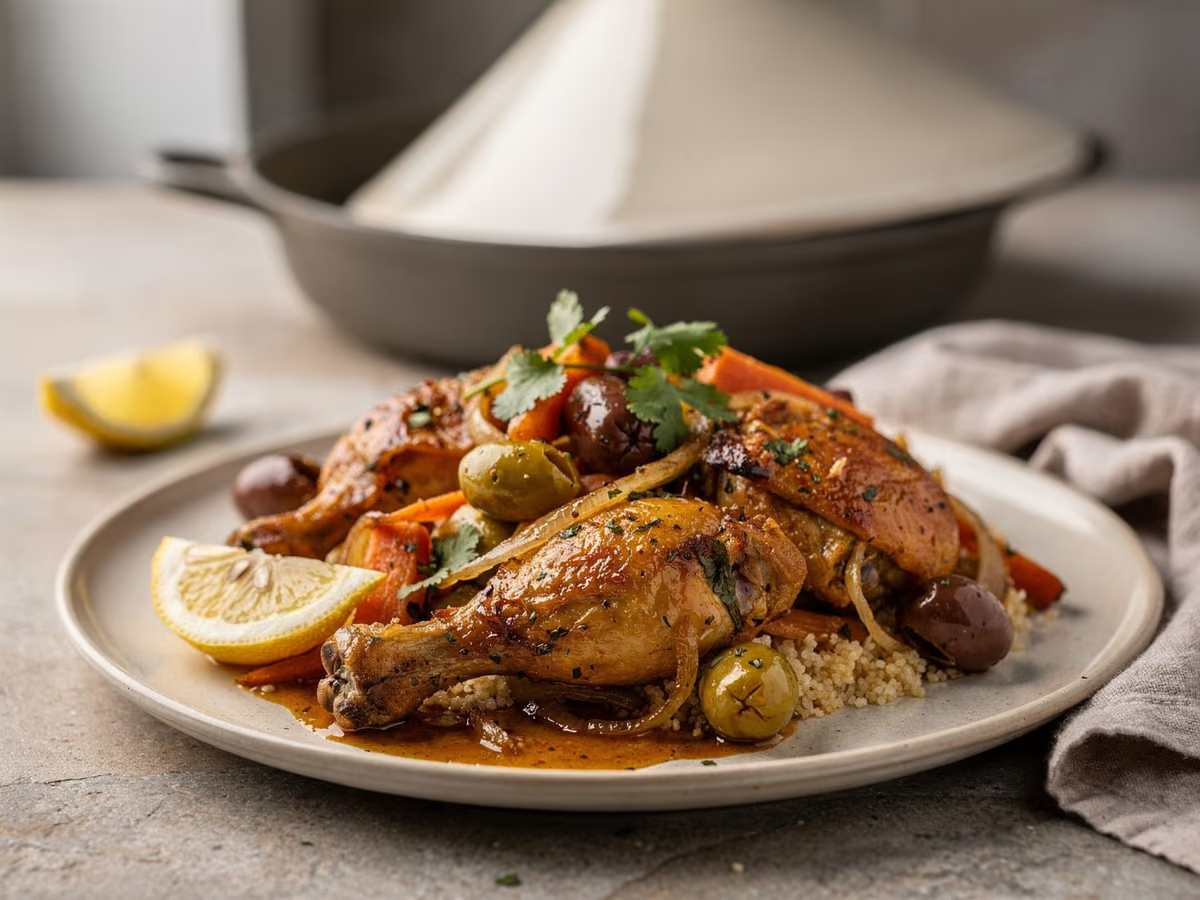
Chicken thighs braised with onion, garlic, ginger, cumin, coriander, cinnamon, paprika, turmeric and apricots, then topped with lemon, cilantro and almonds. Four servings, 20 minutes prep, 55 minutes cooking.
- Prep
- 20 min
- Cook
- 55 min
- Total
- 75 min
- Serves
- 4
Ingredients
What you’ll need — tap to tick off as you go
- 900 g
- 2 tbsp
- 4 cloves
- 1 tbsp
- 1 tsp
- 1 tsp
- ½ tsp
- 1 tsp
- ½ tsp
- 1 tsp
- ½ tsp
- 100 g
- 300 ml
- 15 g
- 30 g
Process
Timers built in · swap anything · ask as you cook
Pat the chicken thighs dry with paper towels and season all over with 1 tsp salt and 0.5 tsp black pepper.
Heat 2 tbsp olive oil in a heavy pot or tagine over medium-high heat. Sear the chicken thighs skin-side down for 5–6 minutes until deep golden, then flip and sear 2 minutes more. Transfer to a plate; they will not be cooked through yet.
Reduce heat to medium. Add the sliced onion to the same pot and cook for 5 minutes until softened and lightly golden, scraping up the browned bits.
Stir in the minced garlic and grated ginger and cook for 1 minute until fragrant. Add the ground cumin, ground coriander, ground cinnamon, sweet paprika and ground turmeric and stir for 30 seconds to bloom the spices.
Return the chicken thighs to the pot along with any resting juices. Add the chopped dried apricots, 300 ml chicken broth and the juice of half the lemon. Bring to a gentle simmer.
Cover and simmer on low heat for 35–40 minutes, turning the chicken once halfway, until the meat is fork-tender and the sauce has thickened slightly.
Uncover and simmer for 5 minutes more if the sauce looks thin. Taste and adjust salt. Scatter with chopped fresh cilantro and toasted almonds, and serve with lemon wedges.
Kitchen notes
Kitchen notes
- The most common mistake is skipping the sear: browning the skin-side first builds the flavor base and renders fat, so do not rush this step or crowd the pot.
- Chicken is done when the juices run clear and the meat shreds easily with a fork; if the sauce is still watery, simmer uncovered for 5-10 minutes rather than adding flour or cornstarch.
- If your dried apricots are very hard, soak them in warm water for 10 minutes and drain before adding so they plump evenly in the sauce.
- A heavy Dutch oven or clay tagine retains heat best; if using a thin pan, lower the heat and check every 10 minutes so the sauce does not scorch.
Substitutions
- chicken thighs→bone-in, skin-on chicken drumsticks (same weight, add 5 minutes cooking time)
- dried apricots→dried prunes or golden raisins
- chicken broth→vegetable broth
- fresh cilantro→flat-leaf parsley
- almonds→toasted sesame seeds (note: adds a sesame allergen)
Storage & reheating
Cool the tagine to room temperature, then store in an airtight container in the refrigerator for up to 3 days; the flavor deepens overnight. To freeze, portion into freezer-safe containers and keep for up to 2 months, thawing overnight in the fridge. Reheat gently in a covered saucepan over low heat for 10-15 minutes, adding a splash of broth or water if the sauce has thickened too much; do not microwave on high or the chicken will toughen.
FAQ
The questions we get asked most
Why did my chicken tagine turn out dry?
Dry chicken usually means it was simmered uncovered or at too high a heat, so the liquid evaporated before the meat became tender. Keep the pot covered on low heat and check that the sauce stays at a gentle simmer, not a rolling boil. Bone-in thighs are also more forgiving than breast meat, which dries out quickly in a long braise.
Can I make chicken tagine ahead of time?
Yes, it is actually better made a day ahead because the spices and apricots meld overnight. Cook it fully, cool it quickly, and refrigerate for up to 3 days. Reheat gently on the stovetop over low heat, adding a little broth if the sauce is too thick.
Can I use chicken breasts instead of thighs?
You can, but breasts dry out in a 35-minute simmer. If using them, sear briefly, then add them for only the last 15-20 minutes of cooking and check for 74°C internal temperature. Thighs remain the better choice for this dish.
How do I know when the chicken tagine is done?
The chicken is done when the meat is fork-tender and pulls away from the bone easily, and the juices run clear with no pink at the bone. The sauce should coat the back of a spoon; if it is still thin, simmer uncovered for 5-10 minutes. If you have a thermometer, the thickest part should read 74°C.
Can I freeze chicken tagine?
Yes, it freezes well for up to 2 months in an airtight container. Thaw overnight in the refrigerator rather than at room temperature, then reheat in a covered pan over low heat. The apricots may soften further, but the flavor stays good.
What can I use instead of dried apricots?
Dried prunes, golden raisins or chopped dried figs all work and give the same sweet-tart balance. If you only have fresh fruit, add a chopped apple or pear in the last 15 minutes of cooking. Avoid skipping the fruit entirely, as it balances the warm spices.
Why is my tagine sauce too thin or too thick?
The sauce thickens as it reduces, so if it is thin, uncover and simmer for 5-10 minutes; if it is too thick, stir in a splash of chicken broth or water. Do not add cornstarch, which can make the sauce gluey. Remember it will thicken more as it cools.
Ask KitchenMind about this recipe
Tell it what’s different tonight — it works within the actual recipe.