- Prep
- 20 min
- Cook
- 55 min
- Total
- 75 min
- Serves
- 8
Ingredients
What you’ll need — tap to tick off as you go
- 200 g
- 60 ml
- 500 ml
- 200 g
- 2 tsp
- 1 pinch
Process
Timers built in · swap anything · ask as you cook
Preheat the oven to 160°C. Place a 20 cm round baking dish or 8 ramekins inside a larger roasting pan.
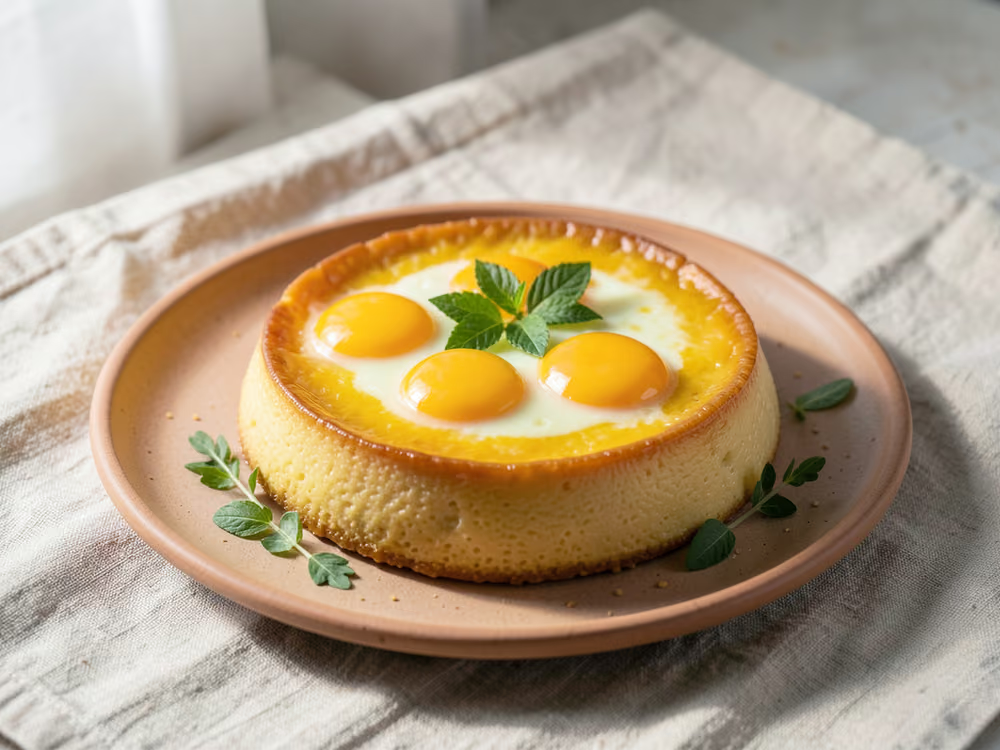
Make the caramel: In a medium saucepan, combine granulated sugar and water. Cook over medium heat without stirring until the sugar dissolves and turns a deep amber color, about 8 to 10 minutes. Swirl the pan gently if needed.
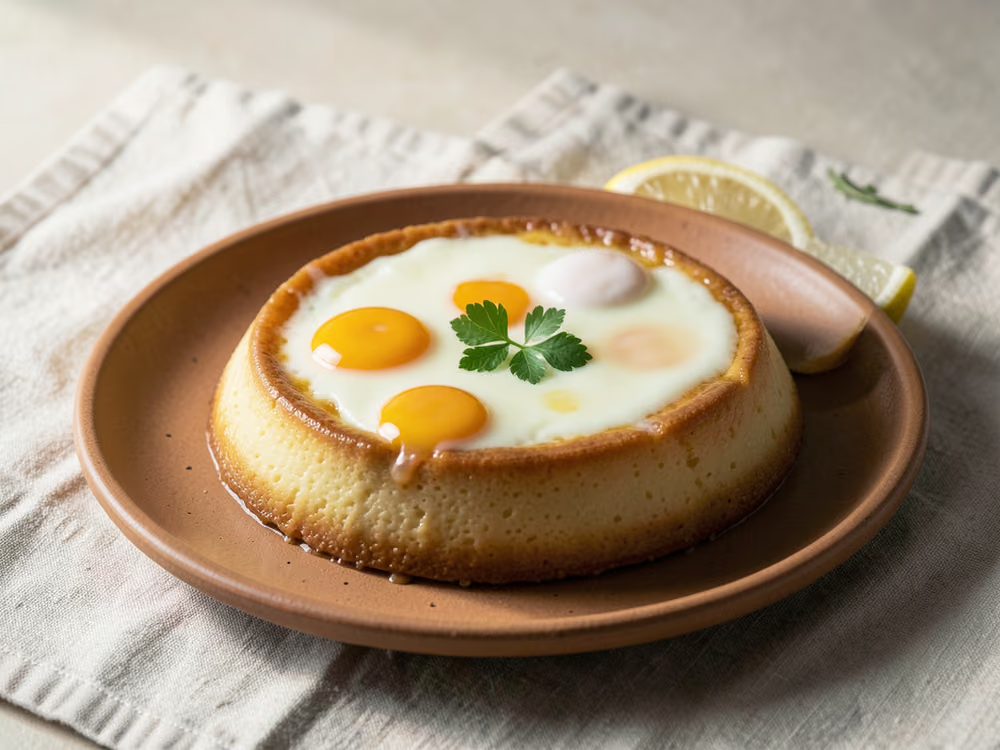
Immediately pour the hot caramel into the baking dish or divide among ramekins, tilting to coat the bottom evenly. Set aside to harden.
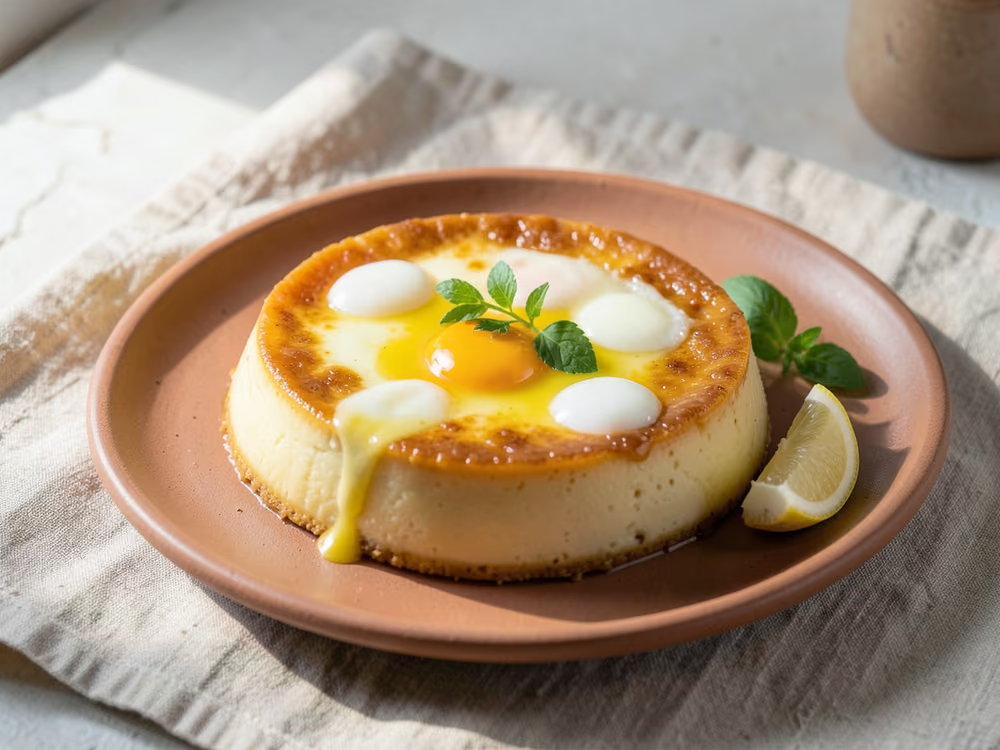
In a large bowl, whisk the eggs, egg yolks, and salt until smooth but not frothy.
In a separate saucepan, warm the whole milk and sweetened condensed milk over low heat until just steaming, about 60°C. Do not boil.
Slowly pour the warm milk mixture into the egg mixture while whisking constantly. Stir in the vanilla extract.
Strain the custard through a fine-mesh sieve into a clean bowl to remove any cooked egg bits and foam.
Pour the custard over the hardened caramel in the baking dish or ramekins.
Place the roasting pan in the oven and pour hot water into the pan until it reaches halfway up the sides of the baking dish.
Bake for 45 to 55 minutes for a large dish, or 30 to 35 minutes for ramekins, until the center is set but still slightly jiggly when gently shaken.
Remove the dish from the water bath and let it cool to room temperature on a wire rack.
Refrigerate for at least 4 hours or overnight until fully chilled and firm.
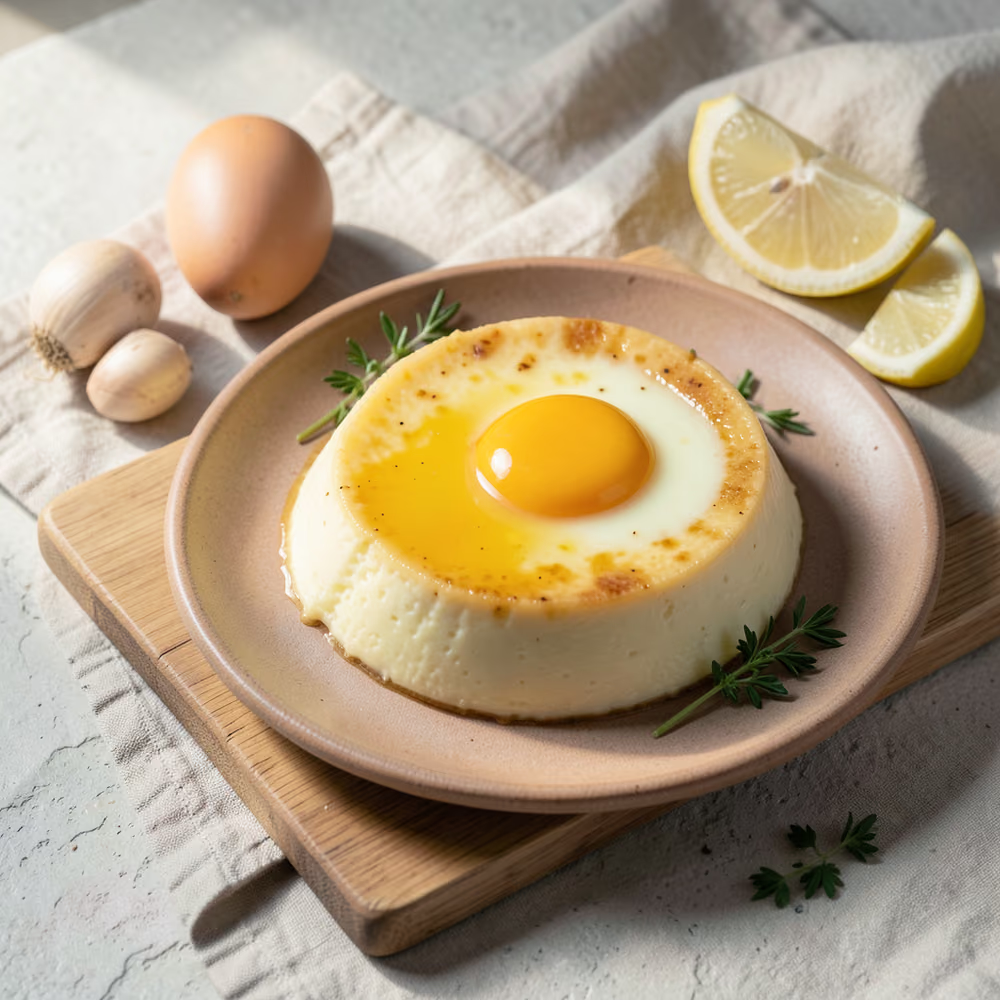
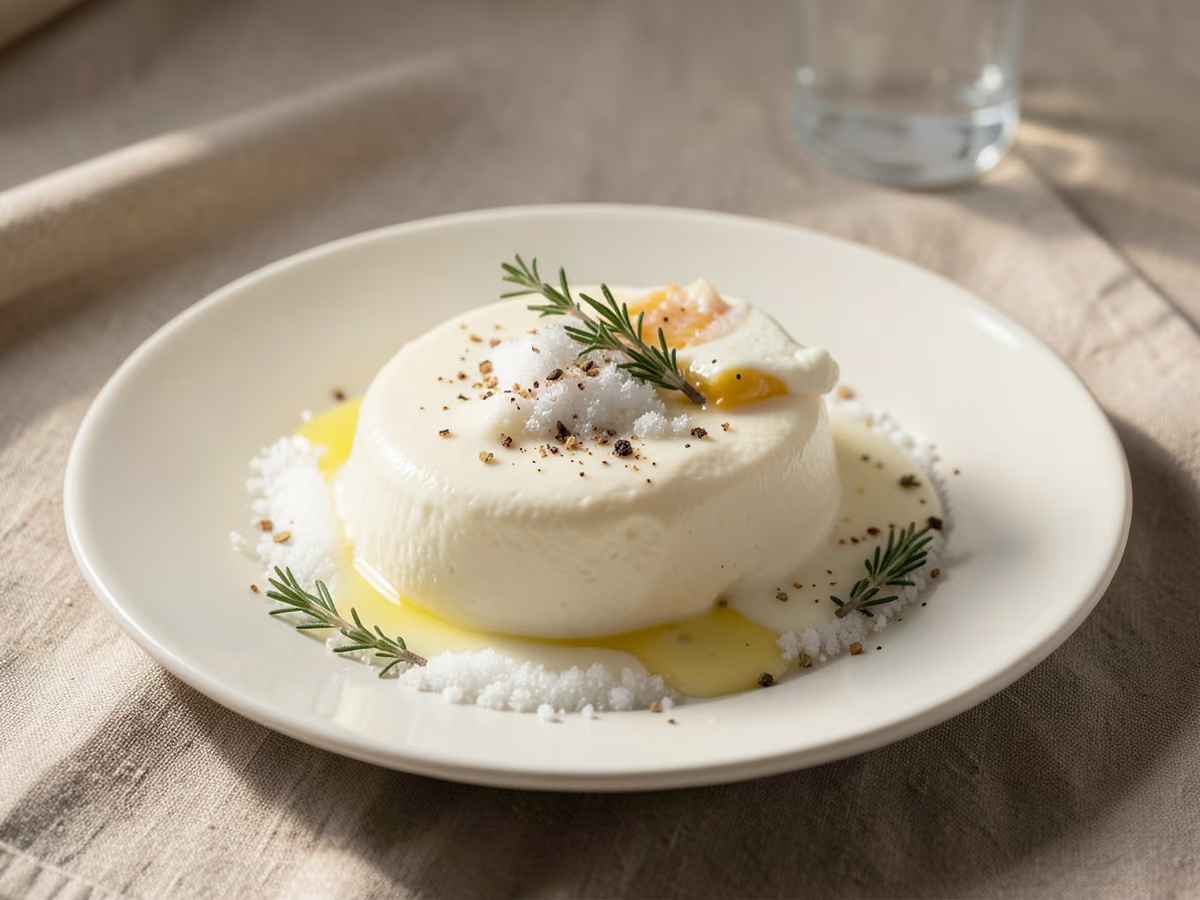
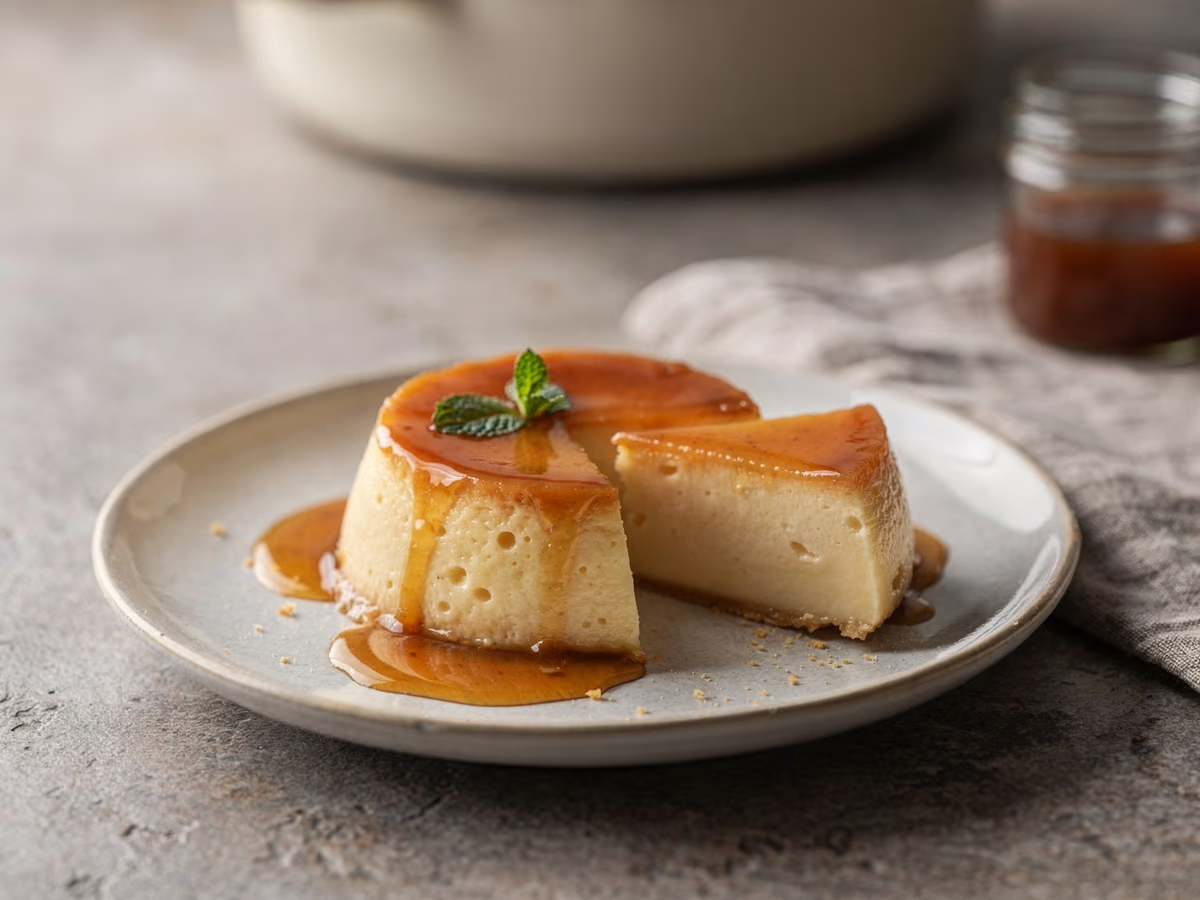
To serve, run a thin knife around the edge of the dish. Place a serving plate upside down over the dish and quickly invert. Lift the dish; the caramel will flow over the flan.
Kitchen notes
Kitchen notes
- The most common mistake is overheating the custard, which causes curdling and a rubbery texture. Always bake in a water bath and remove when the center still wobbles slightly.
- Straining the custard is essential for a silky, smooth texture. Do not skip this step.
- Caramel can crystallize if stirred. Swirl the pan instead of stirring once the sugar has dissolved.
- For clean slices, dip the knife in hot water and wipe dry between cuts.
Substitutions
- whole milk→evaporated milk or a plant-based milk like oat milk
- sweetened condensed milk→additional 100 g sugar and 100 ml cream
- vanilla extract→vanilla bean paste or almond extract
Storage & reheating
Store flan covered in the refrigerator for up to 4 days. Keep it in its baking dish or transfer to an airtight container. To serve, invert onto a plate and spoon over any caramel. Do not freeze; freezing ruins the custard texture. Reheat gently in a warm water bath if desired, but flan is best served cold.
Gallery
FAQ
The questions we get asked most
Why did my flan turn out rubbery?
Rubbery flan is usually caused by overbaking or baking at too high a temperature. The custard should be baked in a water bath at 160°C and removed when the center still jiggles slightly. Carryover cooking will set it further as it cools.
Can I make flan without a water bath?
You can, but the texture will be less smooth and more prone to cracking. If you must skip the water bath, bake at a lower temperature, around 140°C, and check frequently. The water bath insulates the custard and ensures even, gentle cooking.
How do I know when the flan is done?
The flan is done when the edges are set and the center wobbles like gelatin when you gently shake the pan. A knife inserted 2 cm from the edge should come out clean; the center will still be slightly soft. It will firm up as it chills.
Can I use a different type of milk?
Yes, you can substitute whole milk with evaporated milk for a creamier result, or use plant-based milk like oat or almond milk. Note that plant-based milks may produce a slightly softer set. Avoid skim milk, which makes the flan less rich.
Why is my caramel grainy?
Grainy caramel happens when sugar crystals form during cooking. To prevent this, do not stir the sugar once it starts boiling; instead, swirl the pan gently. You can also brush down the sides of the pan with a wet pastry brush.
How long does flan last in the fridge?
Flan can be stored covered in the refrigerator for up to 4 days. The caramel will gradually thin and soak into the custard, but the flavor remains good. For best texture, serve within 2 days.
Can I freeze flan?
Freezing is not recommended because the custard becomes watery and separates upon thawing. The texture will be ruined. It is best to make flan fresh and consume it within a few days.
Ask KitchenMind about this recipe
Tell it what’s different tonight — it works within the actual recipe.