- Prep
- 20 min
- Cook
- 45 min
- Total
- 65 min
- Serves
- 6
Ingredients
What you’ll need — tap to tick off as you go
- 500 ml
- 100 g
- 2 tsp
- 1 pinch
- 6 tsp
Process
Timers built in · swap anything · ask as you cook
Heat the oven to 150°C. Put a full kettle on to boil for the water bath.
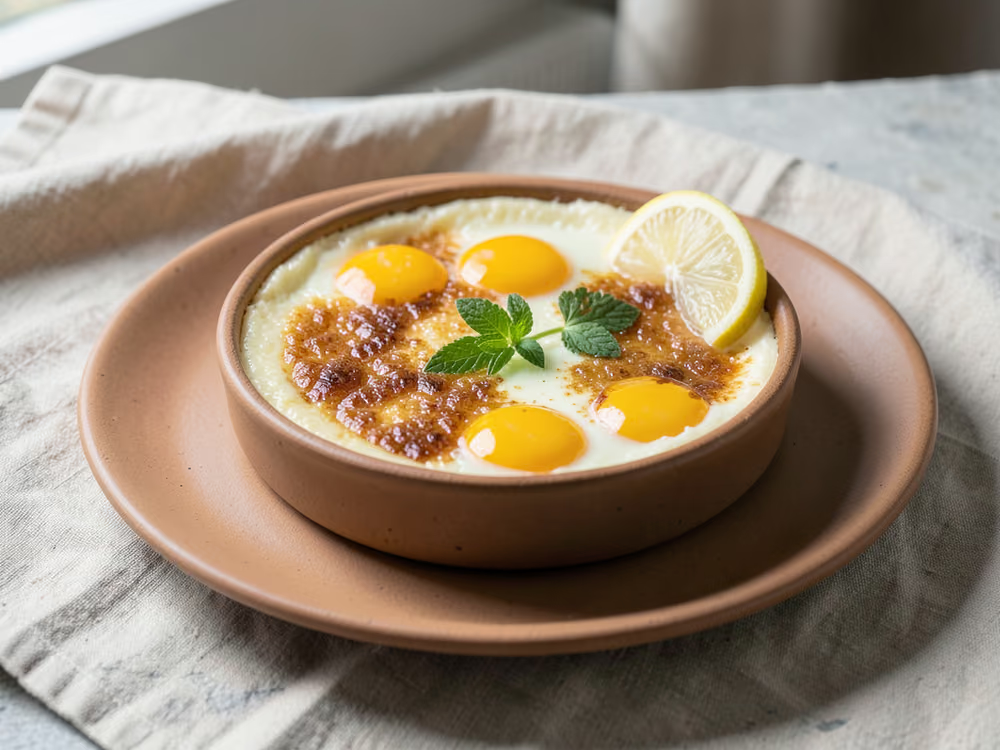
Pour the heavy cream into a small saucepan and warm it over medium heat until it just begins to steam and tiny bubbles appear at the edge. Do not let it boil. Stir in the vanilla extract and the pinch of fine salt, then take the pan off the heat.
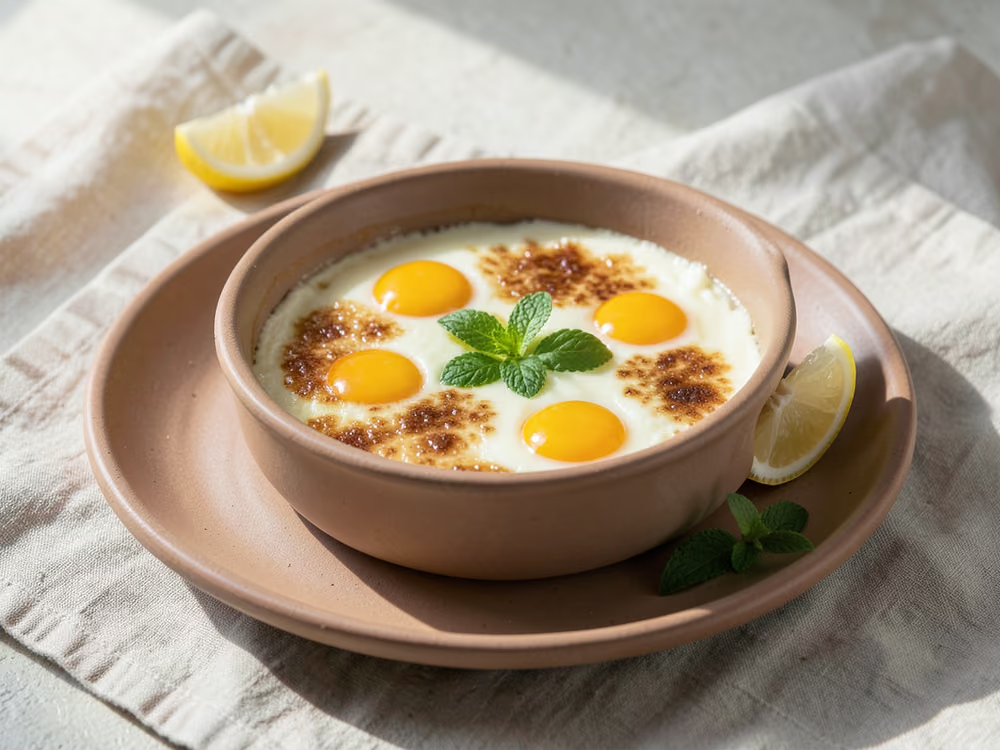
In a large bowl, whisk the 6 egg yolks with the 100 g granulated sugar for about 1 minute, until pale and slightly thickened. Whisk gently to avoid creating foam.
While whisking constantly, slowly pour the warm cream into the egg yolk mixture in a thin stream. Pouring too fast will scramble the eggs.
Strain the custard through a fine-mesh sieve into a jug. Skim off any foam on the surface with a spoon.
Place 6 shallow ramekins (about 150 ml each) in a deep roasting tin. Divide the custard evenly among them.
Pour boiling water into the roasting tin until it reaches halfway up the sides of the ramekins. Cover the tin loosely with foil.
Bake for 35 to 45 minutes, until the custard is set at the edges but still wobbles slightly in the centre when the tin is nudged. An instant-read thermometer should read 82 to 85°C in the middle.
Remove the ramekins from the water bath and cool on a wire rack to room temperature, then refrigerate uncovered for at least 4 hours or overnight until fully cold and firm.
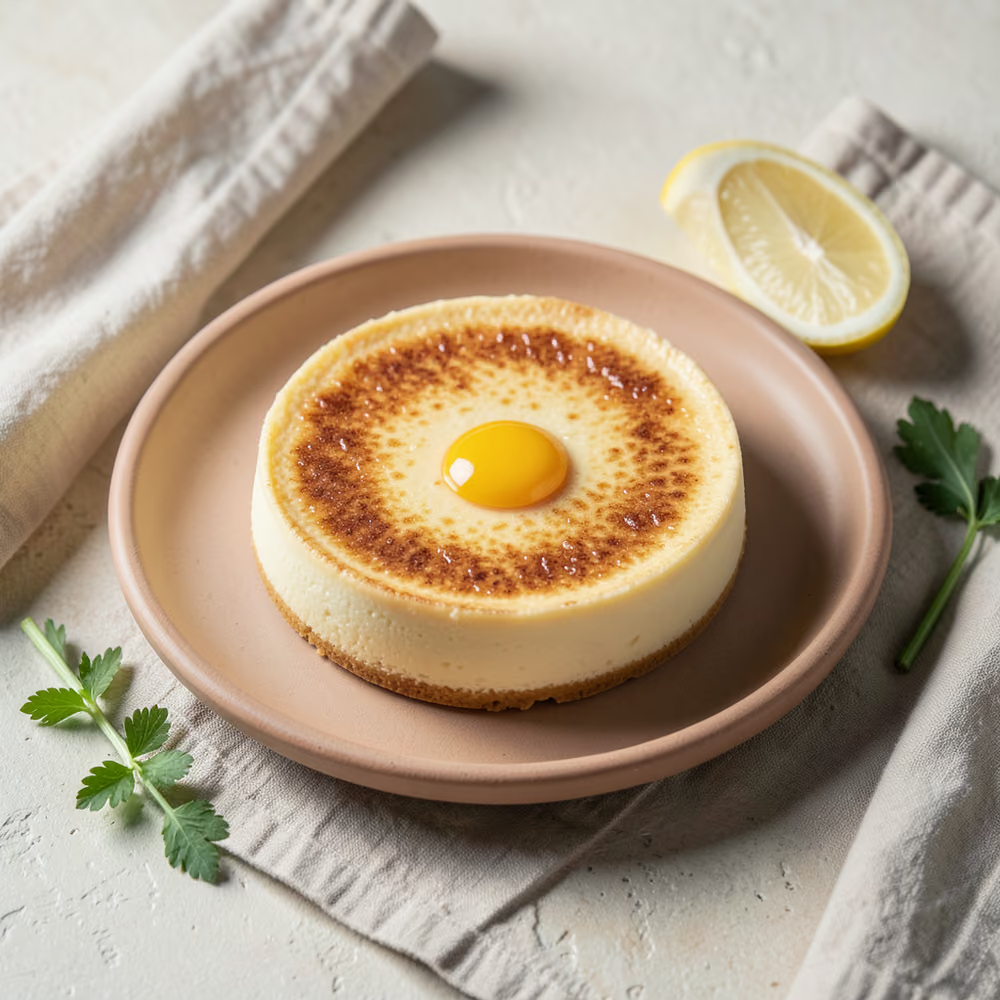
Just before serving, blot any moisture from the surface of each custard with a paper towel. Sprinkle 1 tsp superfine sugar evenly over one ramekin.
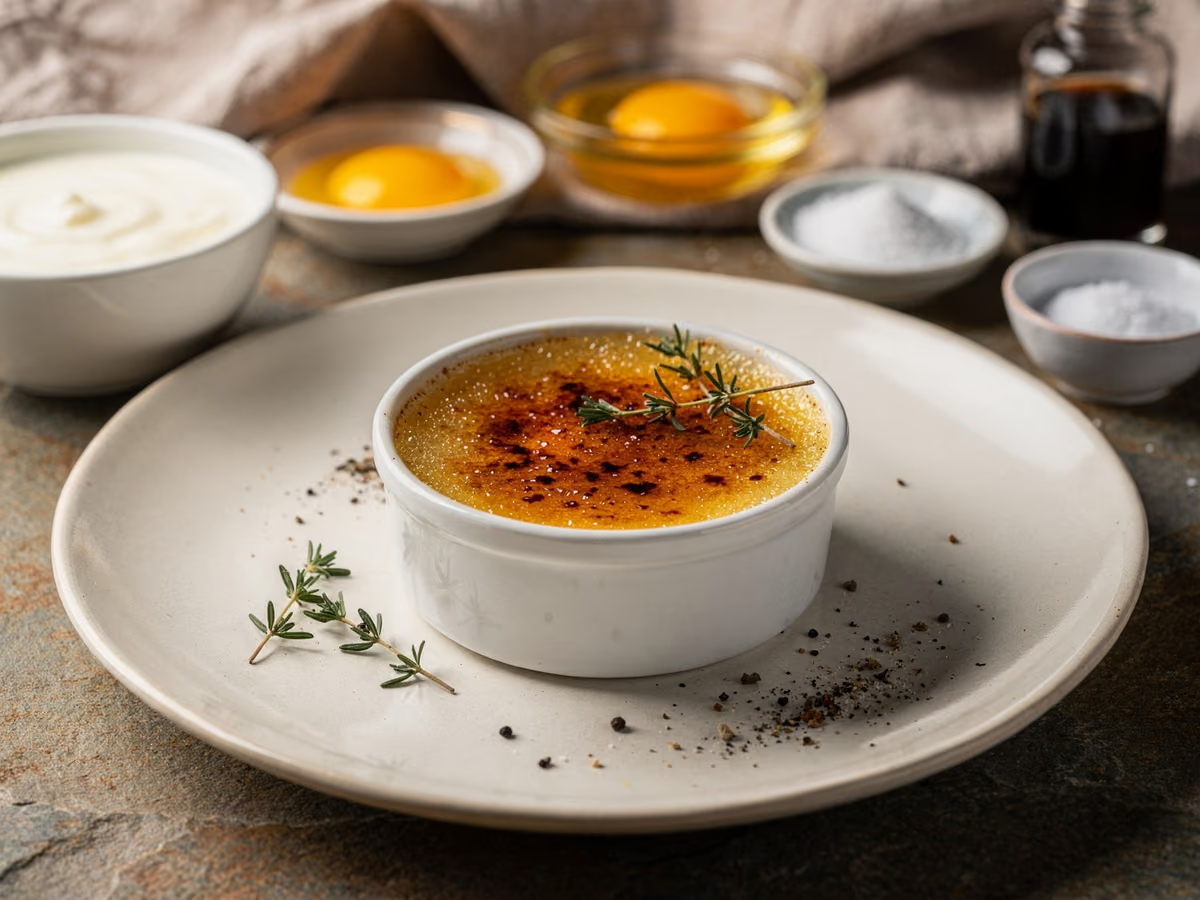
Hold a kitchen torch about 5 cm from the surface and move it in small circles until the sugar melts, bubbles and turns deep amber. Repeat with the remaining ramekins. Let the caramel harden for 1 to 2 minutes, then serve immediately.
Kitchen notes
Kitchen notes
- The most common mistake is overheating the custard. If the cream is too hot when it hits the yolks, or the water bath is too shallow, the eggs curdle and the texture turns grainy. Keep the oven at 150°C and the water level halfway up the ramekins.
- The custard is done when the centre wobbles like set jelly, not when it is liquid. It will firm up completely as it chills, so pull it from the oven while it still has a slight jiggle.
- Chill the custards uncovered first so condensation can escape, then cover. If you cover them warm, water drips onto the surface and the sugar topping will steam instead of caramelise.
- Blot the surface dry before torching. Any moisture creates steam under the sugar and gives you a patchy, soft crust instead of a glassy one.
- If you do not own a torch, place the sugared ramekins under a preheated grill set to its highest setting for 1 to 3 minutes, watching constantly, until the sugar bubbles and browns.
Substitutions
- heavy cream→a 50/50 mix of whole milk and double cream, though the set will be softer
- granulated sugar in the custard→caster sugar in the same weight
- vanilla extract→1 tsp vanilla bean paste or the seeds of 1 vanilla pod
- superfine sugar for the top→granulated sugar pulsed briefly in a blender until finer
Storage & reheating
Store un-torched custards covered in the fridge for up to 3 days. Do not add the sugar topping until just before serving, because the caramel softens and weeps within about 30 minutes. To serve from cold, there is no need to reheat; the custard is meant to be eaten chilled. If you must re-crisp a topped custard, blot off the old sugar layer, add a fresh teaspoon of superfine sugar and torch again. The custards do not freeze well; the custard separates and turns watery on thawing.
Gallery
FAQ
The questions we get asked most
Why did my crème brûlée turn out grainy or scrambled?
The egg yolks curdled, almost always because the cream was too hot when it was poured in or the oven was too hot. Temper the yolks by adding the warm cream in a slow stream while whisking, and bake at 150°C in a water bath. If the custard already looks lumpy before baking, strain it again and it may still be saved.
How do I know when the custard is set and ready to come out of the oven?
The edges should look firm and the centre should wobble gently like set jelly when you nudge the tin, with an internal temperature of 82 to 85°C. It should not be liquid in the middle, and it should not be completely rigid either. It firms up fully in the fridge, so slightly underdone is safer than overdone.
Can I make crème brûlée ahead of time?
Yes. Bake and chill the custards up to 3 days ahead, keeping them covered in the fridge. Add the sugar and torch them only right before serving, because the caramel starts to soften within 30 minutes of being made.
Can I use milk instead of cream?
Whole milk alone gives a much softer, looser set that may not hold its shape. If you want to lighten it, use a 50/50 mix of whole milk and double cream, and expect a slightly softer custard. Do not use skimmed milk.
Why is my sugar topping soft and sticky instead of crisp?
Moisture on the surface of the custard is the usual culprit. Blot the chilled custard dry with a paper towel, use a very thin even layer of superfine sugar, and torch it until it bubbles and turns amber. If the custard is fridge-cold and the sugar layer is too thick, the sugar melts unevenly and stays chewy.
Can I freeze crème brûlée?
It is not recommended. The custard emulsion breaks down during freezing and thawing, so it releases water and turns grainy. Make and chill it up to 3 days ahead instead, and torch just before serving.
Can I make crème brûlée without a kitchen torch?
Yes. Set the oven grill to its highest setting, place the sugared ramekins on a baking tray as close to the element as safe, and grill for 1 to 3 minutes until the sugar bubbles and browns. Stay by the oven the whole time, because the sugar can go from amber to burnt in seconds.
Ask KitchenMind about this recipe
Tell it what’s different tonight — it works within the actual recipe.