Creamy Classic Hummus
Hummus is a handful of ingredients doing quiet work: 400 g of chickpeas, 60 g of tahini, 60 ml of lemon juice, a clove of garlic and 60 ml of ice water, blended into something far silkier than a supermarket tub. The technique is deliberately two-stage: grind the solids to a crumbly paste first, then stream ice water in with the motor running. It takes about 15 minutes with no cooking at all; serve it at room temperature, swirled, with olive oil and paprika.
- Prep
- 15 min
- Cook
- 0 min
- Total
- 45 min
- Additional time
- 30 min
- Serves
- 6
Ingredients
What you’ll need — tap to tick off as you go
- 400 g
- 60 g
- 60 ml
- 1 clove
- 60 ml
- 2 tbsp
- ½ tsp
- ½ tsp
- ½ tsp
Process
Timers built in · swap anything · ask as you cook
In the bowl of a food processor, combine the 400 g of drained chickpeas, 60 g tahini, 60 ml lemon juice, the minced garlic clove, 0.5 tsp salt and 0.5 tsp ground cumin if using. Process for a full minute, until the mixture is thick, pebbly and crumbly like damp sand. That minute breaks down the skins and structure before any water arrives; it is the difference between smooth and merely blended.
With the processor running, stream the 60 ml of ice water in through the feed tube as a thin trickle rather than a pour, then keep processing for 2 to 3 minutes, scraping the sides once or twice, until the hummus turns pale, glossy and completely smooth and holds a soft swirl. If it is still thick, add more ice water 1 tbsp at a time, letting each spoonful blend in.
Taste and adjust while the hummus is still in the processor: more salt a pinch at a time, more lemon if it tastes flat rather than bright, another spoonful of ice water if it feels tight rather than silky. Run it for a few seconds after each addition so the seasoning is even before the next taste.
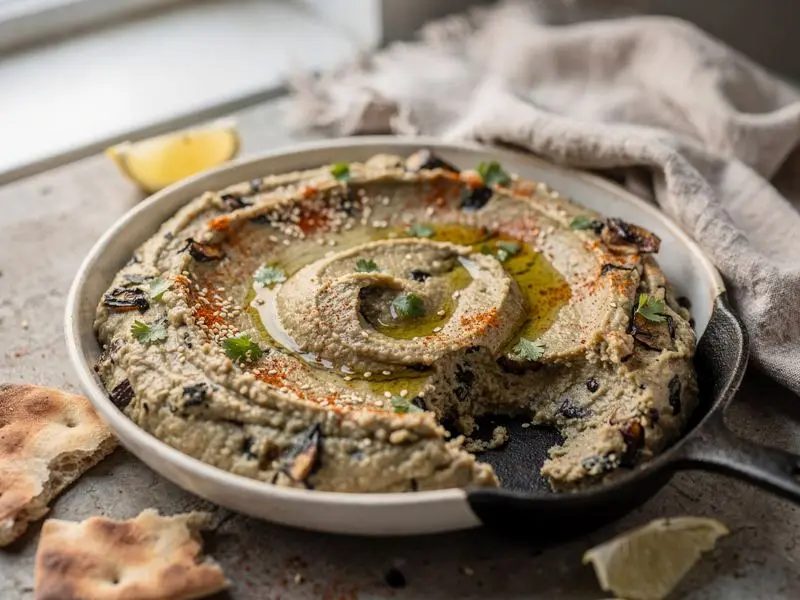
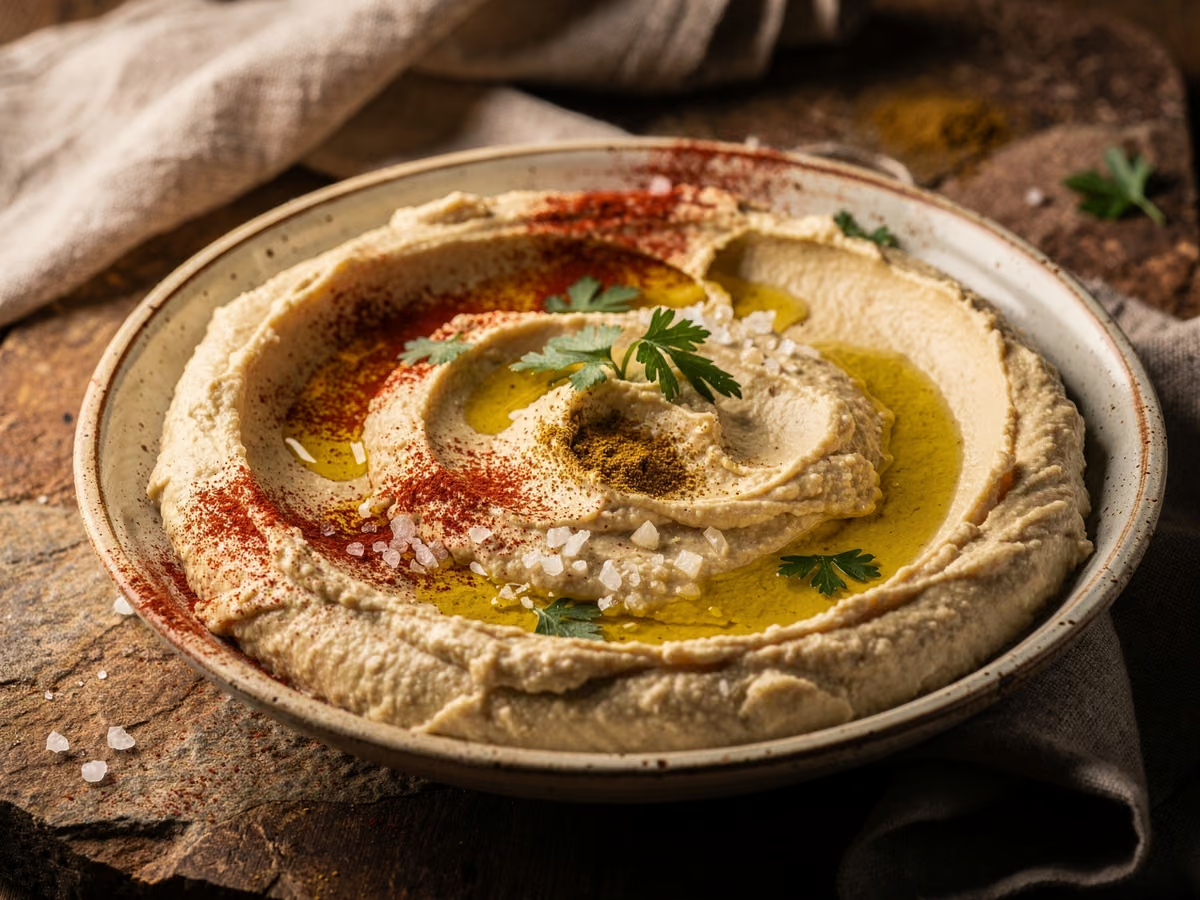
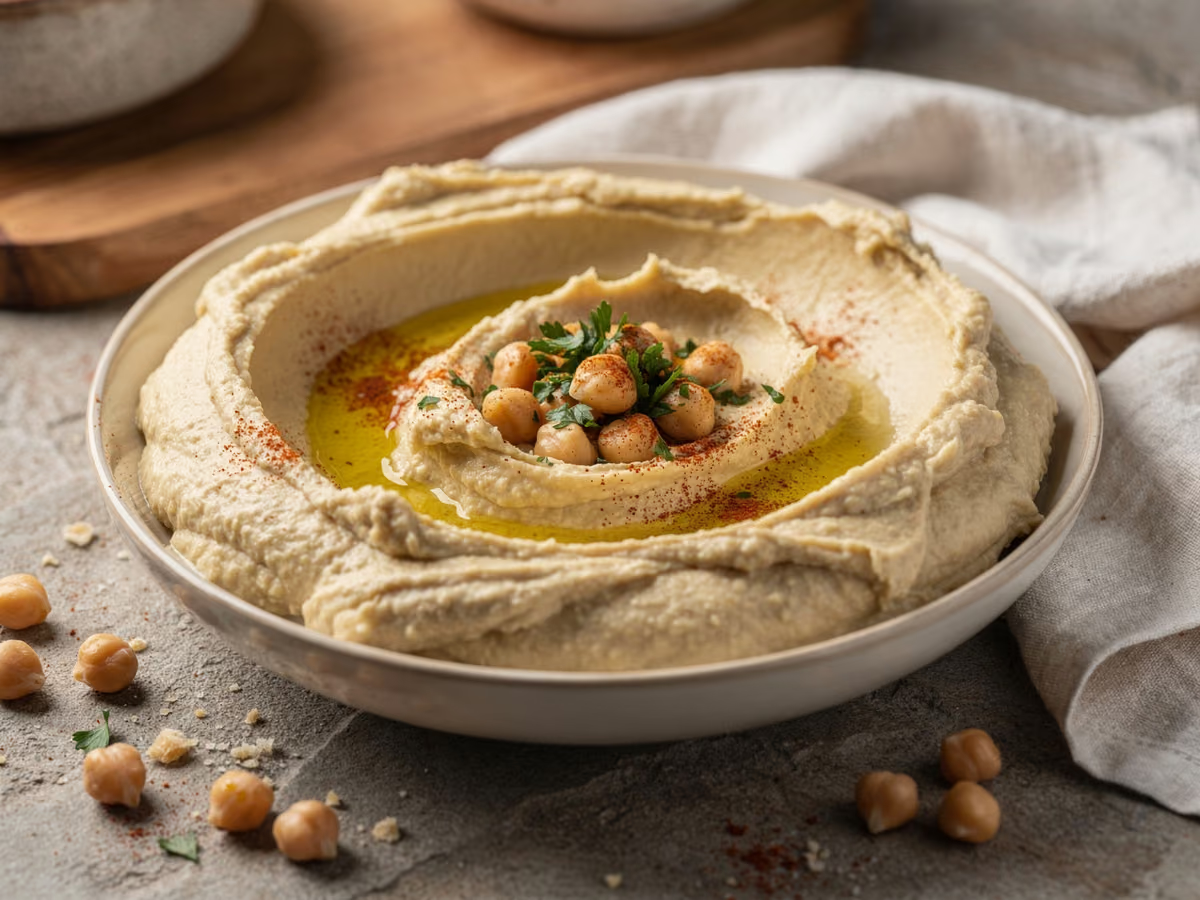
Scrape the hummus into a serving bowl and use the back of a spoon to pull a wide, shallow swirl. Drizzle the 2 tbsp of olive oil into the valleys so it pools in the grooves, dust with up to 0.5 tsp of paprika, then cover and let the hummus stand for about 30 minutes if you can: it firms slightly and the flavours settle into each other.
Serve at room temperature, because cold mutes the lemon and sesame while room temperature lets them read clearly. Take what you need and return the rest to the fridge; it sets firmer when chilled, so stir a spoonful of cold water through before the next serving.
Why this recipe works
Two things stand between chickpeas and a silky dip: skins and heat. Processing the chickpeas with the tahini, lemon and garlic for a full minute before any water goes in shreds the skins and the fibrous structure, which is why the mixture looks crumbly; that is the texture breaking down, not a mistake. The ice water then does two jobs: it keeps the puree cool as the blade runs, so the paste stays light instead of tightening as it warms, and it thins the tahini into a pourable cream. Tahini first seizes when liquid touches it, then relaxes as more goes in; adding the water gradually, with the machine running, keeps that transition smooth rather than grainy.
Equipment
- Food processor with a feed tube (a blender works but needs more scraping)
- Rubber spatula for scraping down the bowl
- Measuring cups and spoons
- Citrus juicer, or a fork and a steady hand
- Serving bowl for the swirl and the oil
- Airtight container for storing
Kitchen notes
Kitchen notes
- Peel the chickpeas for the silkiest result: pinch each one to slip off its skin, about 10 minutes for a 400 g tin, and the difference in smoothness is real. It is counter-friendly work; do it while the ice water chills.
- If raw garlic is too sharp for you, roast the clove first: dry-pan it in its skin until softened and sweet, then mash it into the hummus for the same flavour without the bite.
- Scrape the bowl down at least twice during the long blend; a stray chunk that never meets the blade ruins the illusion of silk in one mouthful.
- If your food processor is on the small side, process the chickpeas in two halves with half the water each, then combine everything for a final minute in the bowl; the texture evens out and nothing overflows.
- Taste it at room temperature when you can: cold hummus reads flat, and seasoning while it is fridge-cold risks a bowl that turns sharp by the time it reaches the table.
Common mistakes
- Grainy hummus: the chickpeas met the water too soon, or the water went in too fast. Grind the solids for the full minute first, then stream the ice water in slowly with the machine running; if it is still grainy, keep processing for another minute rather than adding more liquid.
- A harsh, bitter garlic bite: too much garlic, or an old clove. One small clove is the ceiling, the green germ is worth removing, and the bite grows overnight, so what tastes sharp today will taste sharper tomorrow.
- Thick, stiff hummus the next day: it thickens as it chills, which is normal. Loosen it with ice water 1 tbsp at a time, or a spoonful of olive oil, rather than serving it dense.
- Loose, watery hummus: the water was dumped in rather than drizzled, so the tahini broke instead of emulsifying. Let it stand, because it sets as it cools, and add the ice water in a thin stream next time.
- A bitter or chalky background taste: the tahini itself. Taste the jar before you commit to it; once bitter tahini is blended in, nothing brings the bowl back.
- A dry skin on the surface, or oil pooling: air reached the hummus in storage. Press plastic wrap directly onto the surface before sealing the container, and stir any pooled oil back in when you serve.
Serving suggestions
- Serve at room temperature with the swirl flooded with olive oil and a dust of paprika, with cucumber batons, pepper strips, carrot sticks and warm flatbread around it; it serves 6 as a dip.
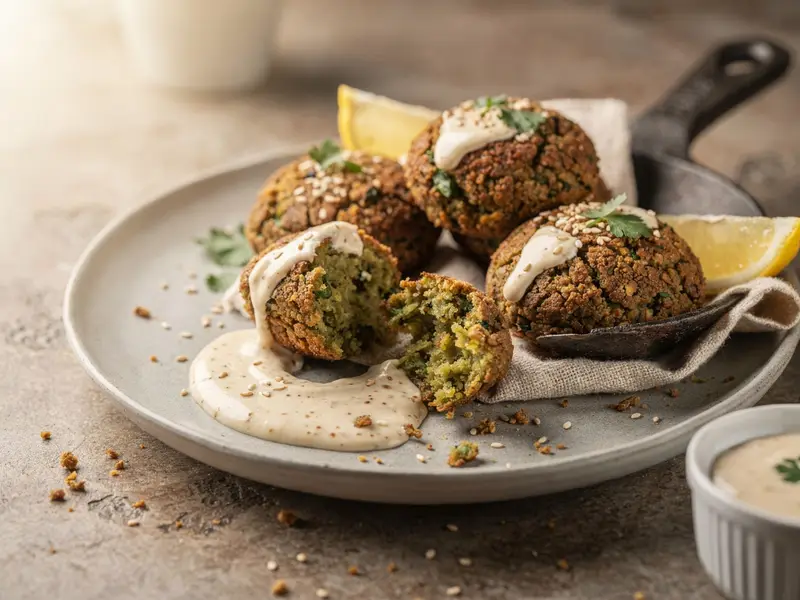
- Build a mezze plate with falafel, olives, pickles, tabbouleh and flatbread; give the hummus the centre of the table and let everything else flank it.
- Spread it thickly in a sandwich or wrap under grilled chicken, falafel or roasted vegetables, where it does the job of both sauce and seasoning.
- Thin leftovers with a spoonful of cold water and use hummus as a dressing for roasted vegetables, grains or a big salad; it takes extra lemon happily.
- In summer, pour iced mint tea or cold lemonade alongside; the sesame richness asks for something bright and cold.
Variations
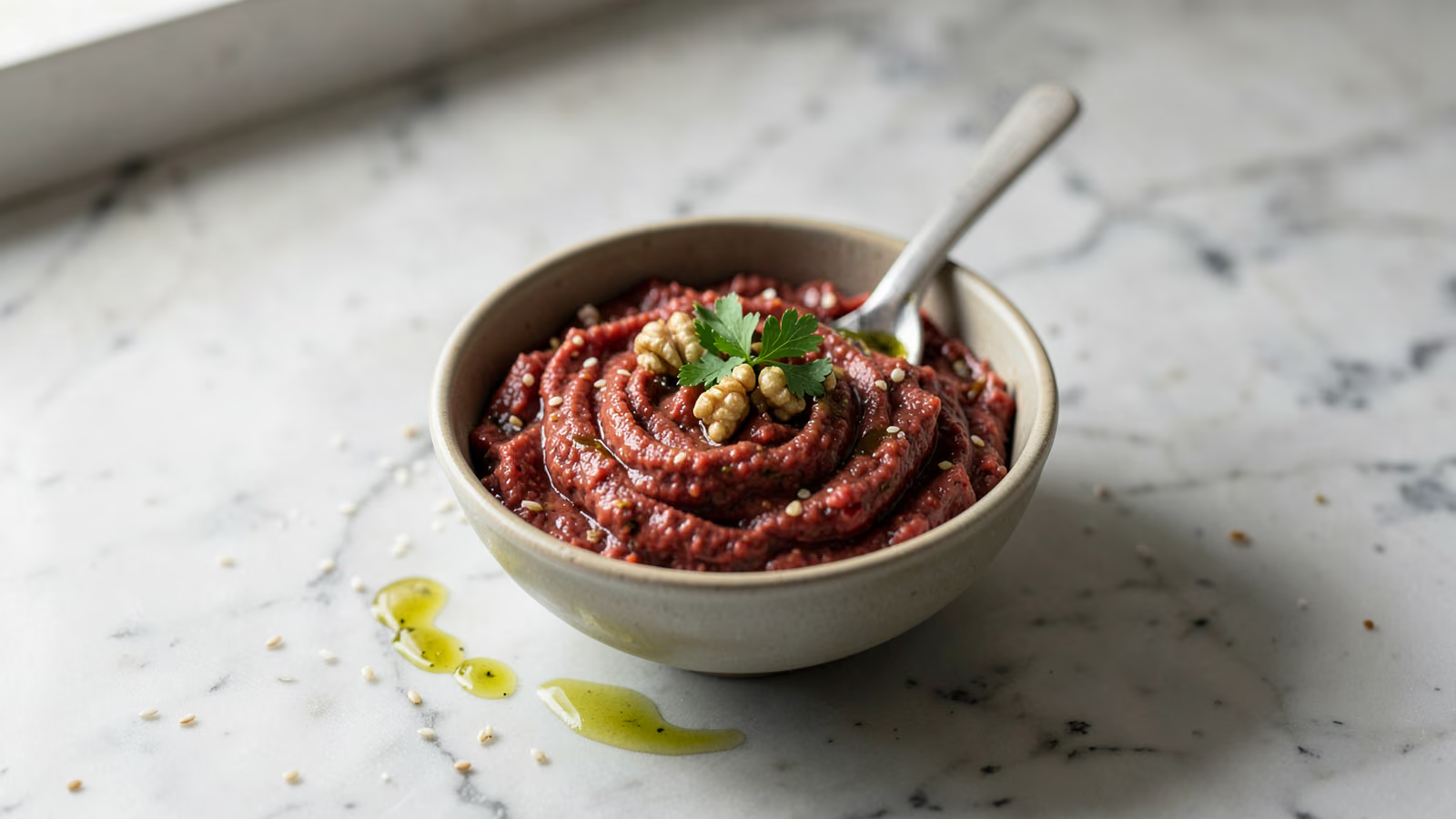
- Roasted red pepper hummus, a different colour: blend drained roasted red peppers into the finished hummus; it turns coral-pink, sweeter and a touch looser, so serve it from a wide bowl.
- Spicy hummus: add a pinch of cayenne or a spoonful of harissa with the garlic; start small, because both grow stronger overnight.
- Green herb hummus: blend in a handful of parsley or coriander at the very end, just until flecked; over-blending dulls the colour and muddies the flavour.
Refrigerator
- RefrigeratorUp to 5 days: press plastic wrap onto the surface, seal the container and refrigerate. Never leave hummus at room temperature for more than 2 hours, per USDA FSIS guidance for perishable foods, and discard it at any sign of mould or a sour smell.
- ReheatingServe at room temperature, or warm gently in the microwave in 30-second bursts on medium power, 1 to 2 minutes in total, stirring between bursts, until warmed through but not hot; high power separates the emulsion. A good stir brings it back smooth.
- FreezingUp to 3 months in a freezer-safe container with 2 cm of headspace. Thaw overnight in the refrigerator and stir well; the texture loosens slightly, and a spoonful of cold water or olive oil brings it back.
- Make aheadUp to 3 days ahead, covered in the fridge; the flavours genuinely improve after a few hours together, so a morning batch is better by dinner. Stir and loosen with cold water before serving.
Updated:
How this recipe was developed
- Serious Eats, The Food Lab's science of great hummus (tahini seizes when liquid first hits it and thins as more is added; long processing for smoothness; hummus served at room temperature)
- Yotam Ottolenghi and Sami Tamimi's basic hummus from Jerusalem, as published on Serious Eats (ice-cold water drizzled in with the motor running; rest 30 minutes before serving; chickpea skins slipped off for smoothness)
- USDA FSIS FoodKeeper guidance on refrigerated hummus (up to 7 days once opened) and the 2-hour rule for perishable foods left at room temperature
- USDA FSIS leftovers and food safety guidance (refrigerate within 2 hours; 3 to 4 days refrigerated)
Editorial references are kept internally for verification. This page makes no claim of external certification or professional testing.
Gallery
FAQ
The questions we get asked most
Why did my hummus turn out grainy?
Grainy hummus almost always means the chickpeas were not processed long enough before the ice water went in, or the water was added too quickly. Grind the chickpea mixture for a full minute until crumbly, stream the ice water in with the motor running, then keep going for 2 to 3 minutes; peeling the chickpeas also helps, and another minute of blending is a better fix than adding more liquid.
Can I substitute peanut butter for tahini?
Yes, in equal amounts, but the flavour changes completely and loudly: peanut butter makes it taste like a peanut dip, which suits some fusion spreads but not a classic hummus. Sunflower seed butter or almond butter lands much closer to the original.
Do I really need to peel the chickpeas?
No, the recipe works without it, but it is the single biggest upgrade available: pinching the skins off 400 g of chickpeas takes about 10 minutes and visibly refines the texture. Do it while the rest of the ingredients are being measured, and skip it guilt-free on a weeknight.
How do I know when the hummus is done?
It should be completely smooth with no visible graininess and hold a soft swirl when you drag a spoon through it, and it should taste balanced, with no raw garlic bite. If it still looks slightly grainy, process for another minute, adding a tablespoon of ice water if it needs loosening.
Why is my hummus too thick or dry?
It needs more water, almost always: add ice water 1 tbsp at a time with the processor running until it loosens, and make sure the chickpeas were well drained and rinsed before they were weighed. Remember that hummus firms up in the fridge, so a few extra spoonfuls of water now save a dense dip tomorrow.
Can I make hummus ahead of time?
Yes, up to 3 days ahead in an airtight container; it genuinely improves after a few hours as the flavours meld. Stir it before serving and loosen it with a little cold water if it has thickened in the fridge.
How long does homemade hummus last in the fridge?
Up to 5 days in an airtight container with plastic wrap pressed directly onto the surface, which sits comfortably inside the 7 days USDA FoodKeeper allows for refrigerated hummus. Past that it dries out, and it should be binned at any sign of mould or a sour smell.
Ask KitchenMind about this recipe
Tell it what’s different tonight — it works within the actual recipe.