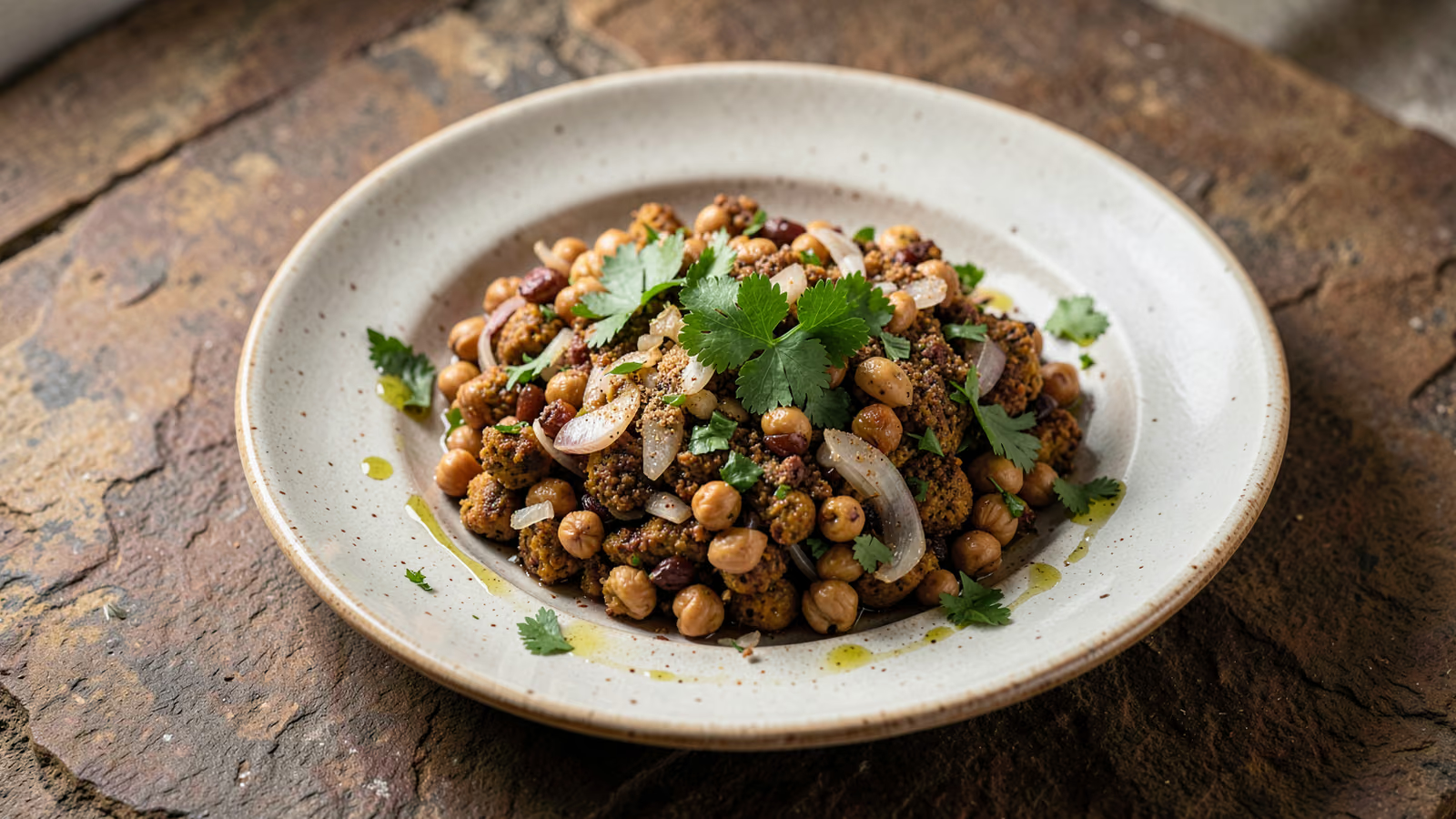
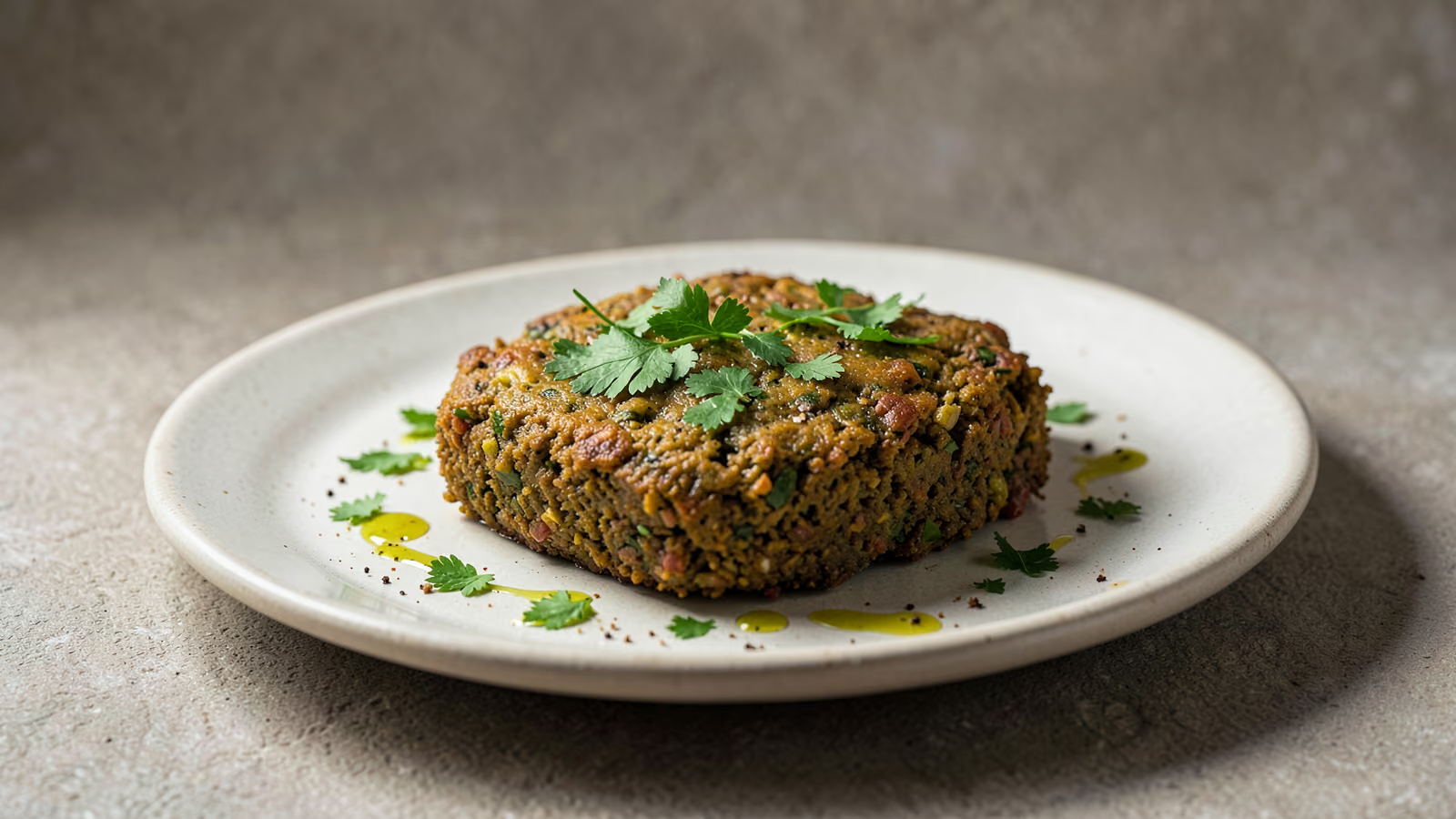
Crispy Falafel with Tahini Sauce
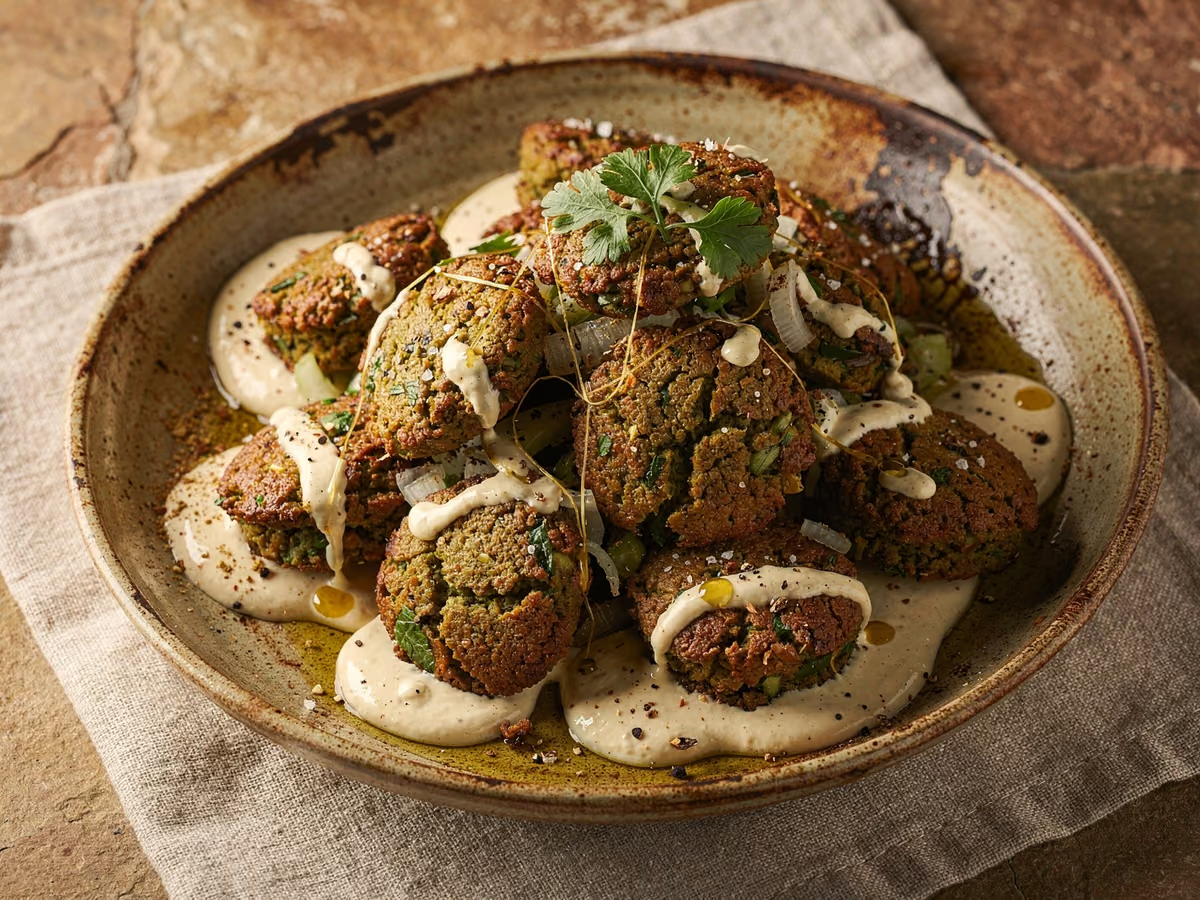
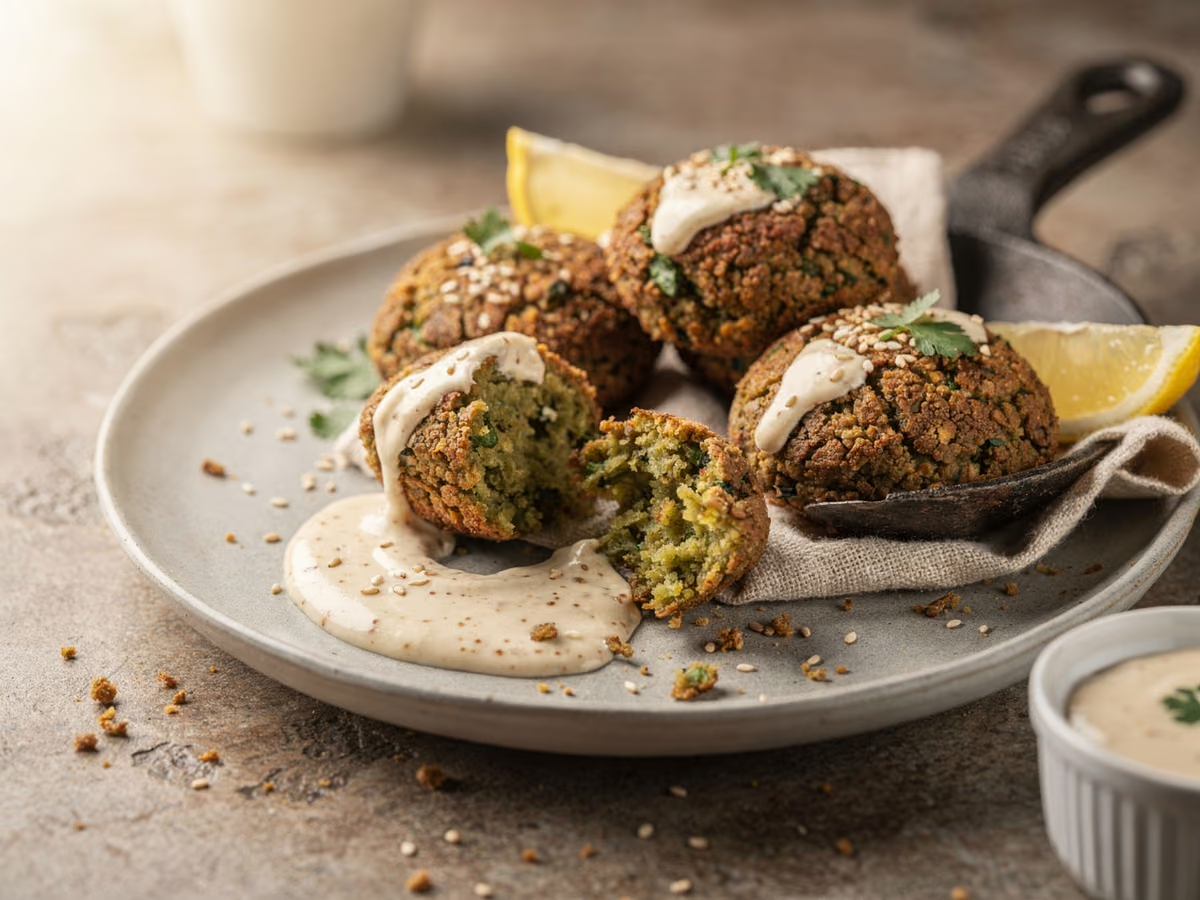
Falafel made the way it should be: soaked raw chickpeas, never canned, ground with onion, garlic and a double handful of parsley and cilantro, then fried at 180°C into balls with a shattering crust and a light, green-flecked centre. The mix takes about 30 minutes of hands-on work and needs a 30-minute chill on top, plus an overnight soak that runs itself. You get 16 falafel and a whisked tahini sauce in the same window.
- Prep
- 30 min
- Cook
- 20 min
- Total
- 80 min
- Additional time
- 30 min
- Serves
- 4
Ingredients
What you’ll need — tap to tick off as you go
- 250 g
- 3 cloves
- 30 g
- 20 g
- 2 tsp
- 1 tsp
- 1 tsp
- 1 tsp
- ½ tsp
- 2 tbsp
- 500 ml
- 60 g
- 2 tbsp
- 4 tbsp
Process
Timers built in · swap anything · ask as you cook
Drain the 250 g soaked chickpeas and dry them thoroughly in a tea towel or salad spinner until they feel matte. Raw soaked chickpeas are the whole binding system: their intact starch holds the mix together in the oil, and surface water steams, spits and stops the crust setting. Give them a final pat dry before they meet the food processor.
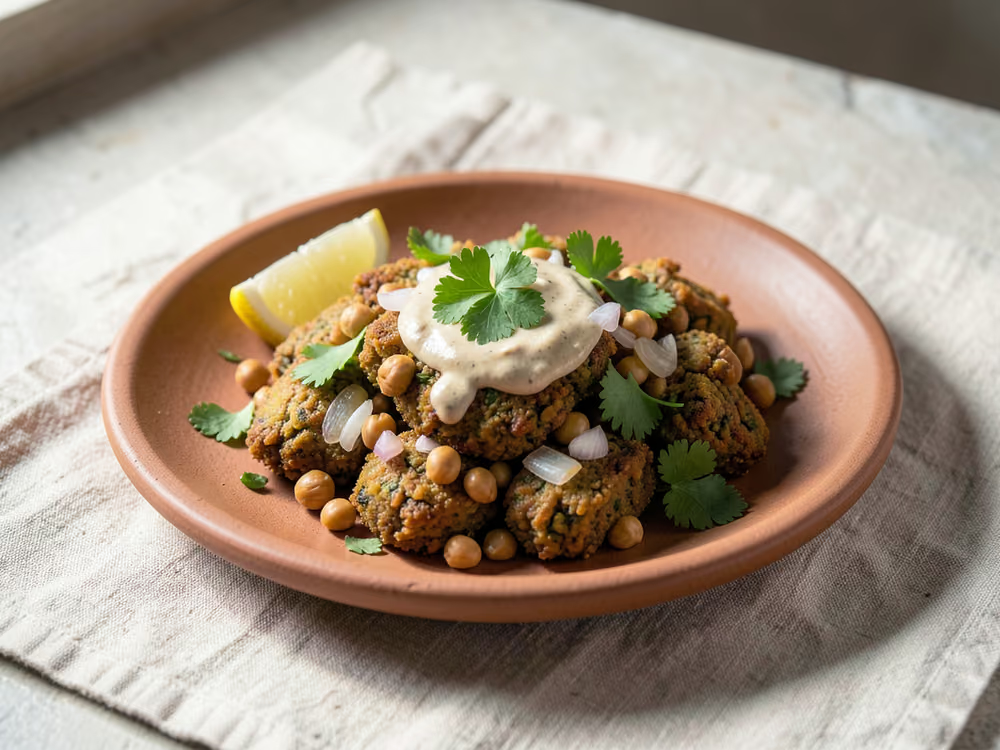
Pulse the chickpeas with the 1 chopped onion, 3 garlic cloves, 30 g parsley, 20 g cilantro, 2 tsp ground cumin, 1 tsp ground coriander, 1 tsp baking powder, 1 tsp salt and 0.5 tsp black pepper until finely ground but not pureed, scraping down twice. A handful squeezed in your palm should just hold together, and the mix should look like coarse couscous; a puree gives dense, gummy falafel.
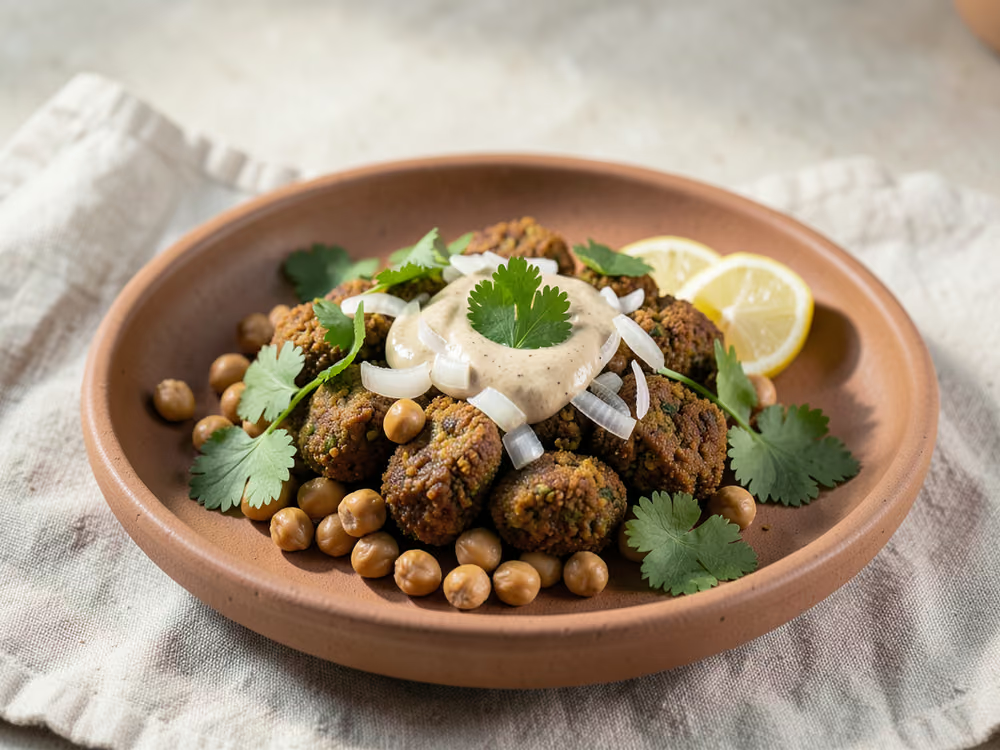
Tip the mixture into a bowl, sprinkle over the 2 tbsp all purpose flour and work it in with your hands, adding more flour only if a squeezed ball still crumbles, 1 tbsp at a time. Cover and refrigerate for 30 minutes, so the starch firms the mix and the balls hold their shape in the oil. Flour beyond the minimum turns falafel dense and bready.
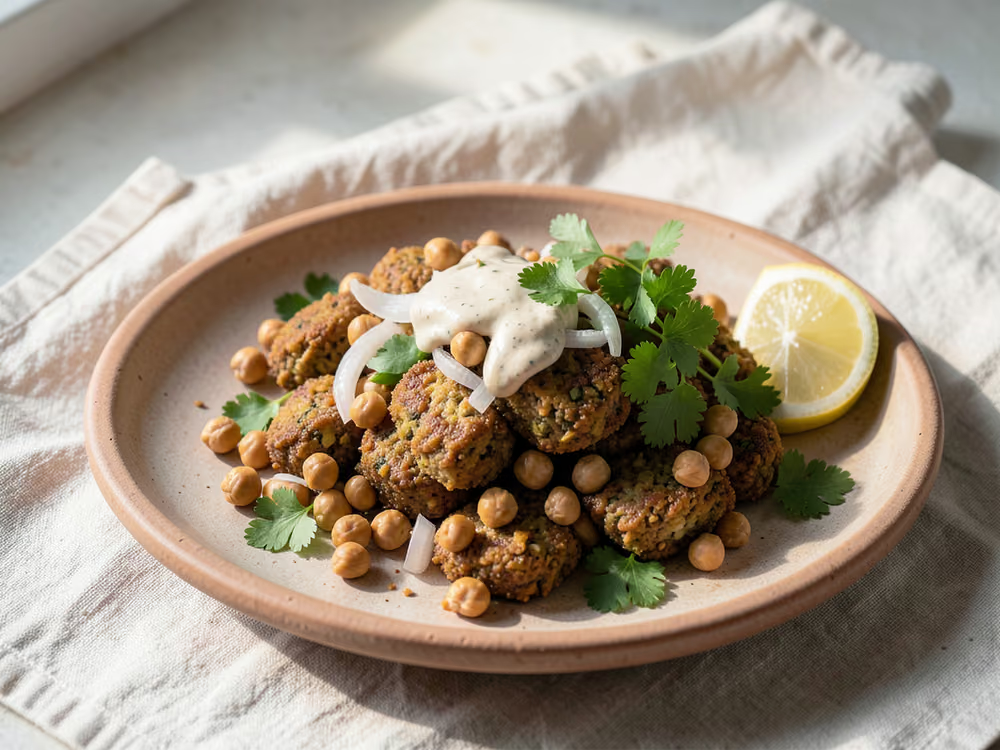
While the falafel chills, whisk the 60 g tahini with the 2 tbsp lemon juice in a small bowl. The paste will seize and look broken, which is normal; whisk in the 4 tbsp warm water a tablespoon at a time until the sauce turns smooth, pale and pourable. Season with a pinch of salt, and loosen with a little more water if it tightens.
With damp hands, shape the chilled mixture into about 16 balls or patties, roughly 2 tbsp each, packing each one firmly so the surface has no cracks. Keep them on a plate and work quickly; if the mix warms it turns sticky, so return it to the fridge between batches. Loose or cracked balls break up in the oil and drink fat.
Heat the 500 ml vegetable oil in a deep, heavy pot over medium heat until it registers 180°C; a cube of bread should sizzle and turn golden in about 30 seconds. Temperature is the whole game here: below 170°C the falafel soak up oil and turn greasy, and much hotter than 180°C the crust darkens before the raw centre cooks.
Fry 4 to 5 falafel at a time, enough to fill the surface without crowding, for 3 to 4 minutes, turning so they brown evenly, until deep golden and crisp all over. Crowding drops the oil below 170°C and greasy falafel follow; drain each batch on paper towels for 1 minute and let the oil come back to temperature before the next.
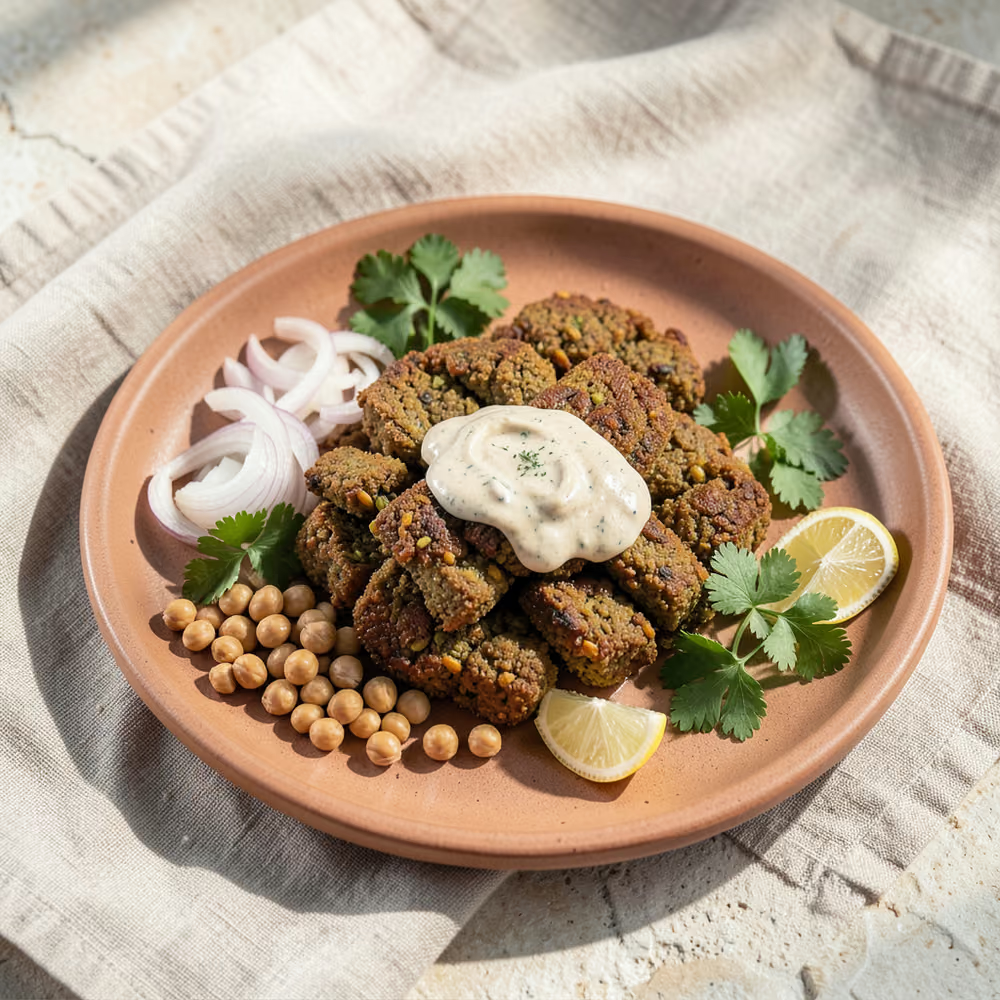
Repeat with the remaining falafel and serve hot with the tahini sauce on the side. The crust is at its crispest in the first few minutes out of the pot and softens as the steam inside settles, so bring everything else to the table before you fry the last batch.
Why this recipe works
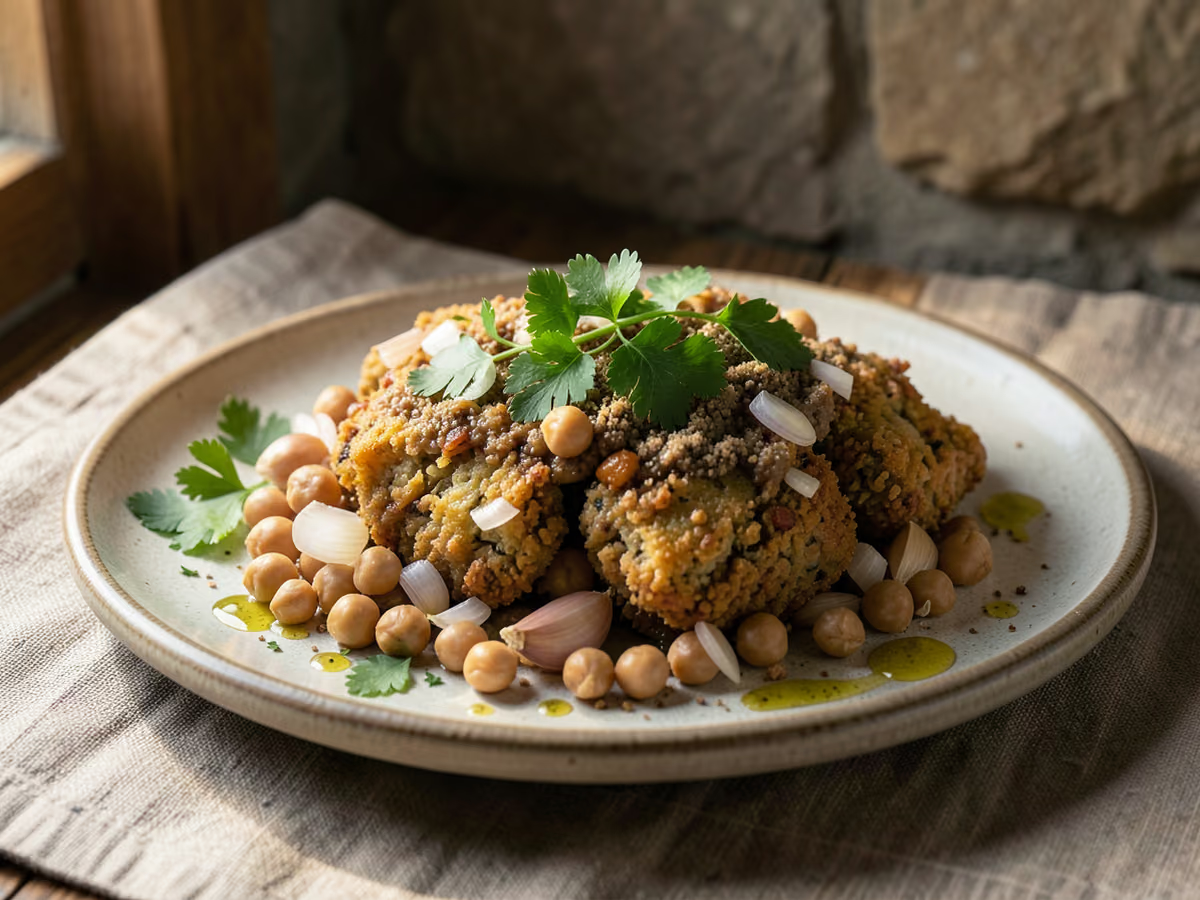
Everything depends on the chickpeas being soaked but raw: they still hold intact starch, which acts as the mix's only real binder and sets in the hot oil, while canned chickpeas have already cooked and lose their grip. Grinding to a coarse meal rather than a puree keeps the centre from turning pasty, and the 30-minute chill firms the mixture so the balls hold together as they hit the fat. The 1 tsp of baking powder adds a little lift as they fry, and a steady 180°C sets a crisp crust while the 3 to 4 minutes cook the raw chickpeas through.
Equipment
- Food processor
- Salad spinner or a clean tea towel for drying the chickpeas
- Deep heavy-bottomed pot or wok for frying, about 2 litres
- Instant-read or frying thermometer
- Slotted spoon
- Plate lined with paper towels
- Small bowl and whisk for the tahini sauce
- Plate for the shaped falafel
Kitchen notes
Kitchen notes
- Soak the chickpeas in at least three times their volume of cold water: they swell to roughly double and need the room, and 12 hours minimum does a job a quick soak cannot, because the beans must stay raw.
- Salt the falafel the moment they come out of the oil. Salt sticks to hot, glistening surfaces and slides off cool ones, and it seasons the crust right where the first bite happens.
- Read the oil by its sound rather than the dial: a steady, eager sizzle around each ball is right, a furious roar means pull the heat back, and a limp fizz means the oil is under temperature, where waiting beats greasy falafel.
- Dry the herbs properly after washing and pick out any thick stems. Water in the herb bunch loosens the mix and pushes you towards extra flour, which is exactly what makes falafel heavy.
- Keep the fried falafel in a single layer, uncovered, while you cook the rest; a lid or a pile traps steam and softens the crust you just built.
Common mistakes
- Falafel that disintegrate in the oil: canned or overcooked chickpeas, or a mixture that never got its chill. Use only soaked raw dried chickpeas, dry them bone-dry, chill the mix for the full 30 minutes, and add flour a tablespoon at a time until a squeezed ball holds.
- Greasy, oil-logged falafel: the oil dropped below 170°C, usually because too many went in at once. Fry in batches of 4 to 5, keep the oil at a steady 180°C, and wait for it to recover between batches instead of chasing the clock.
- Deep brown outside, raw and pasty inside: the oil was much hotter than 180°C. Check the centre of the first one; it should be pale green-brown, firm and hot. If the outside colours in under 2 minutes, lower the heat, let the oil settle and start again.
- Dense, bready texture: the mix was over-processed into a puree or padded with too much flour. Pulse to a coarse, sandy meal that just holds when squeezed, and treat the 2 tbsp of flour as a ceiling, not a starting point.
- Tahini sauce that is bitter, seized or grainy: cold lemon juice dumped in with too little whisking. Whisk the tahini with the lemon first, let it tighten, then add warm water a tablespoon at a time until it goes smooth and pourable, and season with salt at the end.
- Soggy leftovers: reheated in the microwave. Bring falafel back in a 200°C oven for 8 to 10 minutes or an air fryer at 190°C for 5 to 6, and keep the sauce separate so the crust stays crisp.
Serving suggestions
- Serve hot with the tahini sauce for dipping, or tuck 4 falafel per person into warm pita with shredded lettuce, tomato and pickled onion.
- As a mezze spread: the 16 falafel make 4 generous portions alongside hummus, tabbouleh, olives and warm flatbread.
- Spoon the sauce over the top as well as serving it alongside; it is also good on roasted vegetables or thinned with a little water as a dressing.
- Keep drinks cold and simple, such as iced tea, mint tea or sparkling water, to balance the fried richness.
Variations
- Baked falafel, a different texture: brush the shaped falafel with oil and bake, turning once, until browned and firm. The crust cannot shatter the way a fried one does and the centres are denser, so treat this as a lighter dish rather than the same one.
- Patties instead of balls: flatten each 2 tbsp portion into a small patty. They cook a little faster and are easier to turn, though the crisp-to-filling ratio changes; keep the oil at 180°C either way.
- Spicier: add a pinch of cayenne pepper or a chopped green chilli to the processor with the other seasonings; the heat spreads evenly and does not change how the mix binds.
Refrigerator
- RefrigeratorCooled falafel keep in an airtight container in the fridge for up to 4 days; keep the tahini sauce in its own small jar for up to 5. Refrigerate within 2 hours of cooking, the USDA FSIS rule for leftovers, and reheat only what you plan to eat, because falafel soften a little each time.
- ReheatingRecrisp in a 200°C oven for 8 to 10 minutes or an air fryer at 190°C for 5 to 6; the microwave makes them soggy. Warm the sauce gently with a splash of water and keep it below 60°C, or it splits.
- FreezingFreeze them before frying: shape the raw falafel, freeze on a tray for 1 hour, then bag for up to 3 months and fry from frozen at 180°C for 4 to 5 minutes. Already-fried falafel lose their crust in the freezer, so this is the better route.
- Make aheadThe ground mixture can be covered and refrigerated for up to 24 hours, and it improves as the flavours settle; shape it straight from the fridge. Shaped raw falafel can also wait, covered, while you heat the oil and make the sauce.
Updated:
How this recipe was developed
- Serious Eats (The Food Lab) on homemade falafel (soaked raw dried chickpeas bind without flour; canned chickpeas fall apart; rest the ground mix before frying; small balls fry at around 180°C for about 4 minutes)
- Serious Eats falafel technique notes (a little chemical leavening helps the balls puff and brown evenly; keep frying oil around 175°C)
- Serious Eats Israeli-style tahini sauce (the sauce seizes when acid is added, then loosens as water is whisked in a little at a time)
- USDA FSIS leftovers and food safety guidance (refrigerate leftovers within 2 hours; 3 to 4 days in the fridge)
Editorial references are kept internally for verification. This page makes no claim of external certification or professional testing.
Gallery
FAQ
The questions we get asked most
Why did my falafel fall apart in the oil?
The two usual causes are canned chickpeas, which are too wet and already cooked to bind, and a mix that never got its full chill. Start from soaked raw dried chickpeas, dry them properly, and if the mixture still feels loose, add flour a tablespoon at a time until a squeezed handful holds together.
Can I use canned chickpeas instead of dried?
Not as written. Canned chickpeas are already cooked, their starch has already gelatinised, and the balls crumble or turn pasty in the oil. If you must, drain, rinse and dry them well, then add 3 to 4 tbsp of chickpea flour; the result is edible but softer and less crisp than the dried version.
Can I make the falafel mixture ahead of time?
Yes, up to 24 hours: cover the ground mixture and refrigerate it, and it actually improves as the flavours settle. Shape it straight from the fridge, and if any liquid has separated, stir it back in and add a spoonful of flour if it feels wet.
How do I know the falafel are cooked through?
At 180°C they need the full 3 to 4 minutes, until deep golden brown. Break the first one open: the centre should be pale green-brown, hot and firm, with no raw, wet chickpea taste. If the outside browns in under 2 minutes, the oil is too hot and the middle is still raw.
Why is my tahini sauce bitter or seized?
Tahini tightens the moment acid touches it, so it looks broken until enough water goes in. Whisk the tahini with the lemon juice first, then add warm water a tablespoon at a time and keep going; after about 3 or 4 tablespoons it turns smooth and pourable. A very bitter sauce usually means old tahini, which salt and lemon can soften but not rescue.
Can I freeze falafel, and how do I reheat them?
Freeze them shaped and raw: 1 hour on a tray, then bagged for up to 3 months, fried from frozen at 180°C for 4 to 5 minutes. Cooked falafel reheat best in a 200°C oven for 8 to 10 minutes or an air fryer at 190°C for 5 to 6; the microwave softens the crust.
Are these falafel gluten-free?
Not as written, because the 2 tbsp of all purpose flour brings gluten. Swap it for the same amount of chickpea flour or cornstarch and the falafel are gluten-free, a touch denser and otherwise unchanged; check your baking powder too if you are cooking for someone with coeliac disease.
Ask KitchenMind about this recipe
Tell it what’s different tonight — it works within the actual recipe.