Egyptian Musaqa
Egyptian musaqa is Egypt's own layered eggplant bake: no béchamel, just 1 cm rounds of eggplant salted for 20 minutes, fried until deep golden, and baked in a spiced tomato sauce with ground beef. Cumin and coriander give the sauce its warm, earthy edge, tomato slices go on top, and rice is the traditional side. Count on about 30 minutes of prep and an hour at the stove and oven, most of it hands-off; the dish slices cleanly into six generous portions.
- Prep
- 30 min
- Cook
- 60 min
- Total
- 110 min
- Additional time
- 20 min
- Serves
- 6
Ingredients
What you’ll need — tap to tick off as you go
- 1 ½ kg
- 1 tbsp
- 120 ml
- 500 g
- 4 cloves
- 2 tbsp
- 800 g
- 1 tsp
- 1 tsp
- 1 tsp
- ½ tsp
- 250 ml
- 2 tbsp
Process
Timers built in · swap anything · ask as you cook
Slice the 1.5 kg eggplant into 1 cm rounds and lay them in a colander, sprinkling the 1 tbsp salt over both sides as you go. Leave the slices to drain for 20 minutes, then press them dry between paper towels. The salt pulls water out of the flesh by osmosis, which keeps the slices from steaming in the pan later.
Heat the 120 ml olive oil in a large skillet over medium-high heat until it shimmers, around 180°C. Fry the eggplant in single-layer batches for 2–3 minutes per side, until deep golden and tender at the edges, and drain each batch on paper towels. Hot oil seals the surface; a crowded pan cools and steams the slices greasy.
In a separate pan, brown the 500 g ground beef over medium heat, breaking it up with a spoon, for 5–7 minutes, until no longer pink and the edges begin to crisp. Spoon off any excess fat, leaving the browned bits behind — they are the flavor base the sauce builds on.
Add the chopped onion and 4 minced garlic cloves to the beef and cook for about 3 minutes, until the onion turns translucent. Stir in the 2 tbsp tomato paste, 1 tsp each ground cumin, ground coriander, and sweet paprika, and the 0.5 tsp black pepper, and cook for 1 minute more, until the mixture darkens and smells toasted.
Pour in the 800 g crushed tomatoes and the 250 ml beef broth and simmer over low heat for 15 minutes, until the sauce thickens enough that a spoon drawn through it leaves a trail. Taste now and add salt — after reducing, the tomatoes decide how much the sauce needs.
Heat the oven to 180°C. Spread a thin layer of the sauce over the bottom of a 9 x 13 inch (23 x 33 cm) baking dish, then build the layers: half the fried eggplant, half the remaining sauce, the rest of the eggplant, and the last of the sauce. Lay the 2 sliced tomatoes over the top if you are using them.
Bake uncovered at 180°C for 30 minutes, until the sauce bubbles around the edges and the top browns lightly; the center should read at least 71°C, the USDA FSIS minimum for ground beef. Let the dish rest for 10 minutes so the layers set, then scatter over the 2 tbsp parsley.
Why this recipe works
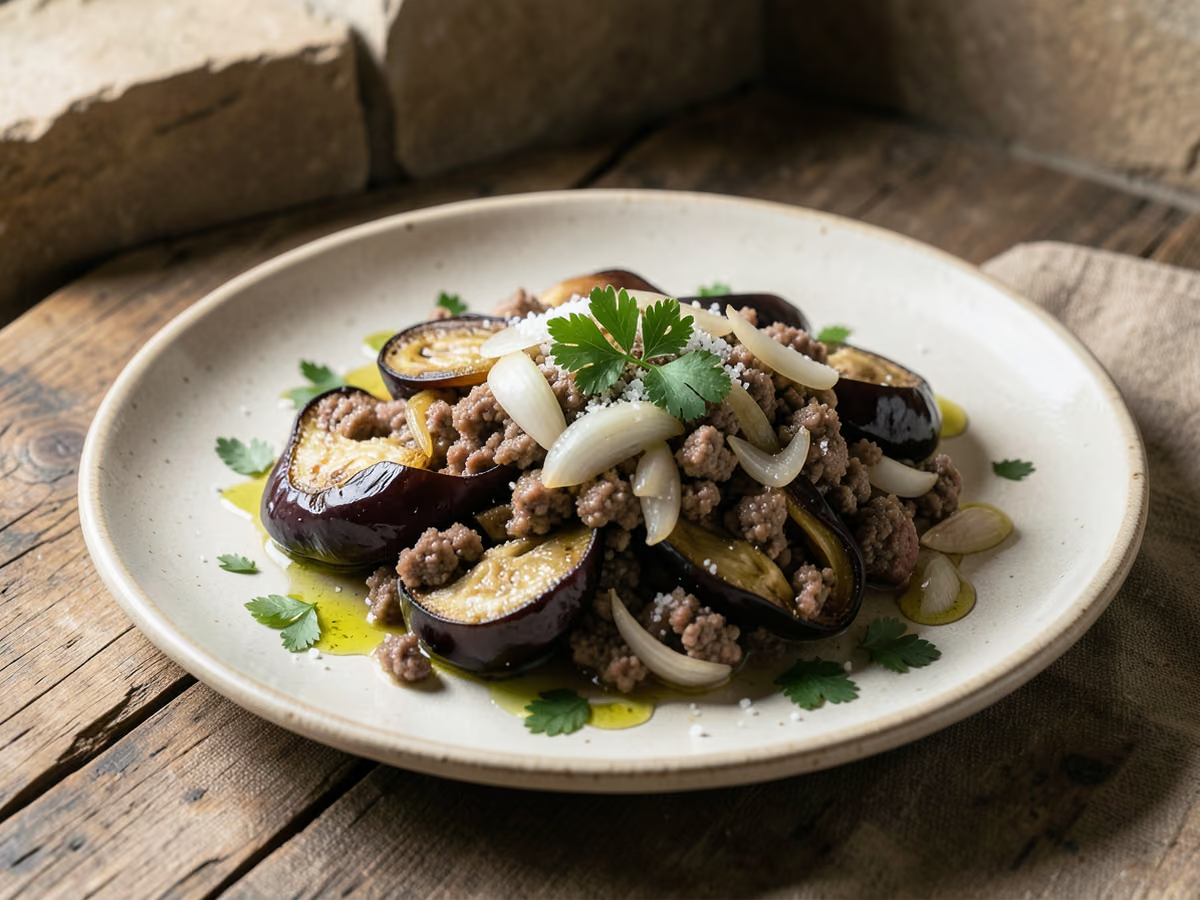
Salting is the hinge of the dish: the 1 tbsp of salt draws water out of the eggplant through osmosis, collapsing the airy structure that would otherwise soak up oil and steam. Dried and fried at about 180°C, the slices brown into a crust that seals them, so the finished bake stays creamy instead of watery — provided the pan is not crowded and the oil stays hot. The sauce is built in order for the same reason: beef browned for a roasted base, tomato paste and spices bloomed in the fat so their aromatics dissolve, crushed tomatoes simmered until thick. Thick sauce and an uncovered bake let the layers set instead of weep.
Equipment
- Chef's knife and cutting board for slicing the eggplant into even rounds
- Large colander for draining the salted slices
- Large skillet, about 30 cm, for frying the eggplant in single-layer batches
- Slotted spatula or tongs for lifting the slices out of the oil
- Wire rack or a tray lined with paper towels, for draining
- Second skillet or a wide saucepan for the beef and tomato sauce
- 9 x 13 inch (23 x 33 cm) baking dish, about 6 cm deep
- Instant-read thermometer for checking the bake reaches 71°C
Kitchen notes
Kitchen notes
- A longer salt pulls more water: 20 minutes does the job, but if you have the time, stretching the drain toward an hour makes the fried slices noticeably creamier — the difference shows up in texture, not flavor.
- Drain the fried slices in a single layer; piled or stacked while hot, they steam themselves soft exactly when you want them to stay golden. A wire rack or a fresh double layer of paper towels keeps them crisp until assembly.
- Keep the oil at temperature between batches: give the pan 30-60 seconds to recover and test with a corner of eggplant — it should sizzle on contact. Quiet oil is the warning sign that the next batch will soak instead of seal.
- Use the 20-minute drain to build the sauce: by the time the last batch of eggplant comes out, the beef, spices, and tomatoes should already be thick and waiting. Assembly and the 30-minute bake go fast once both halves are ready.
- Season at the end, not the start: canned crushed tomatoes swing from flat to quite salty between brands, and the salted eggplant and browned beef both contribute. Taste after the sauce has reduced and adjust only then.
Common mistakes
- Soggy, weeping layers: the eggplant carried too much water into the dish, or the sauce was still thin when it went in. Salt the slices for the full 20 minutes, pat them completely dry, fry in single layers, and simmer the sauce until it mounds instead of running.
- Oil-soaked, greasy eggplant: the oil was not hot enough, or the pan was crowded so the temperature collapsed. Fry in single-layer batches at about 180°C, give the oil 30-60 seconds to recover between batches, and drain every batch on paper towels.
- Bitter eggplant: bitterness comes from variety and age, not from skipped salt. Pick fruit that feels heavy and rock-hard with glossy skin; if one still tastes bitter, choose firmer eggplant next time rather than doubling the salt.
- A mushy middle and collapsing slices: the bake was rushed, covered, or cut into early. Leave the dish uncovered for the full 30 minutes so steam escapes, and rest it 10 minutes before the first slice — a knife should pass through the eggplant with almost no resistance.
- Flat, dull sauce: the paste and spices went in without a real minute in the fat, or the sauce never got enough salt. Let the tomato paste and spices darken in the beef drippings, and season after the 15-minute simmer — canned tomatoes range widely in salt.
Serving suggestions
- Serve it over rice or beside it, so the sauce that runs from the layers is caught rather than left on the plate.
- Warm pita or flatbread for mopping, and a sharp cucumber-and-tomato salad with plenty of parsley to cut the richness.
- Cut generous squares and spoon a little of the pan sauce over each; the layers slice cleanest once the dish has rested its 10 minutes.
- Keep the table drink simple and cold — iced tea or sparkling water with a wedge of lime — against the warm, earthy sauce.
Variations
- Vegetarian musaqa, a different dish built the same way: swap the 500 g ground beef for 1 cup of split red lentils simmered in the sauce for 30-35 minutes, or for finely chopped mushrooms browned with the onion. Keep the eggplant, spices, and layering; the lentils make the sauce heartier, the mushrooms keep it lighter.
- Green pepper version: many Egyptian kitchens soften a chopped green bell pepper with the onion and garlic, which gives the sauce a fresher, greener bite against the cumin. Add it at the same stage and let everything soften for the full 3 minutes.
- Spicier version: add 0.5 tsp crushed red pepper flakes with the ground spices, or pass them at the table. The heat folds into the cumin and coriander rather than sitting on top.
Refrigerator
- RefrigeratorCool the casserole within 2 hours of baking, then refrigerate it tightly covered — foil over the dish or an airtight container — for up to 4 days. The sauce thickens further as it chills, which is normal.
- ReheatingReheat portions in a 180°C oven, covered, for 15-20 minutes, or in the microwave until steaming; leftovers should reach 74°C, the USDA FSIS reheat target. A spoonful of water or broth in the dish keeps the eggplant from drying out.
- FreezingFreeze for up to 2 months: cool completely, then wrap the dish tightly or portion into freezer containers. Thaw overnight in the refrigerator. Expect a softer, stew-like texture on the reheat — the eggplant cannot come back firm once frozen.
- Make aheadAssemble the whole dish, cover it, and refrigerate up to 24 hours; bake straight from the fridge, adding 10 minutes to the timer. Or cook the sauce and fry the eggplant a day ahead, refrigerate them separately, and layer and bake on the day.
Updated:
How this recipe was developed
- USDA FSIS Safe Minimum Internal Temperature Chart (ground meat 71°C; reheated leftovers 74°C)
- USDA FSIS Leftovers and Food Safety (refrigerate within 2 hours; keep 3-4 days refrigerated)
- Los Angeles Times, Food & Wine, and Saveur eggplant salting tests (bitterness follows variety and age, not salt; salting draws water and makes fried slices creamier; it matters for frying, not roasting)
- The Mediterranean Dish and Amira's Pantry Egyptian moussaka guides, with Bon Appétit's lentil musaqa'a (no béchamel in the Egyptian version; savory coriander-paprika sauce; frying traditional, oven-roasting the lighter variation; serve with rice; red lentils for a meatless take)
Editorial references are kept internally for verification. This page makes no claim of external certification or professional testing.
FAQ
The questions we get asked most
What is the difference between musaqa and Greek moussaka?
They are cousins, not twins. Egyptian musaqa (often spelled musaqa'a) has no béchamel: the layers are fried eggplant and a tomato-meat sauce spiced with cumin, coriander, and paprika, often finished with tomato slices, and it is usually served with rice. Greek moussaka is the creamy casserole most people picture — béchamel baked on top and sweeter, warmer spices such as cinnamon and clove. In Egypt, the béchamel version is its own dish, called moussaka bel béchamel.
How do I keep eggplant from getting bitter?
Start at the market, because bitterness follows variety and age far more than technique — choose eggplants that feel heavy for their size, with glossy, unwrinkled skin and no soft spots. Modern eggplants are bred to be mild, and the recipe's 20-minute salt is really about water: it collapses the spongy flesh so the slices fry creamy instead of steamy. If a slice smells or tastes harsh before cooking, that fruit was past its prime; salt will not rescue it.
Can I bake the eggplant instead of frying it?
Yes, and it is the lighter Egyptian way to build the dish. Salt and dry the slices as usual, brush both sides with the olive oil, lay them on a lined tray in a single layer, and roast at 200°C for 20-25 minutes, turning once, until they collapse and turn golden. Baked eggplant drinks in the sauce faster than fried, so simmer the sauce a touch thicker and expect a slightly softer, less rich bake.
Can I make Egyptian musaqa vegetarian?
Yes — it becomes a different but related dish, vegetarian musaqa. The classic swap is red lentils: simmer about 1 cup of split red lentils in the same spiced tomato sauce, with an extra splash of the broth, for 30-35 minutes until thick and tender, then layer exactly as written. Finely chopped mushrooms browned with the onion are another good stand-in. The cumin and coriander carry the flavor in both versions.
Why did my musaqa turn out mushy?
Mush usually comes from too much water in one of three places. The eggplant was not salted and dried enough, the frying pan was crowded so the slices steamed instead of sealing, or the sauce went into the dish still thin and the bake could not pull it together. The fixes are mechanical: the full 20-minute salt, a thorough pat-dry, single-layer frying at about 180°C, and a sauce simmered until it holds a trail on a spoon.
Can I make musaqa ahead of time?
Yes, and it suits planning. Assemble the complete dish, cover it, and refrigerate up to 24 hours, then bake it straight from the fridge with 10 extra minutes on the timer. For a shorter head start, cook the sauce and fry the eggplant a day ahead, store them separately, and assemble before baking. Baked leftovers keep for up to 4 days in the fridge.
What do you serve with musaqa?
Rice is the default for good reason — short-grain, basmati, or Egyptian vermicelli rice — because it catches the tomato sauce that runs out of the layers. Warm pita or flatbread works by hand, and a sharp cucumber-and-tomato salad or quick-pickled vegetables cuts the richness. Serve the musaqa warm rather than piping hot, in generous squares, with the extra sauce spooned over.
Ask KitchenMind about this recipe
Tell it what’s different tonight — it works within the actual recipe.