Fasolia Green Bean Stew
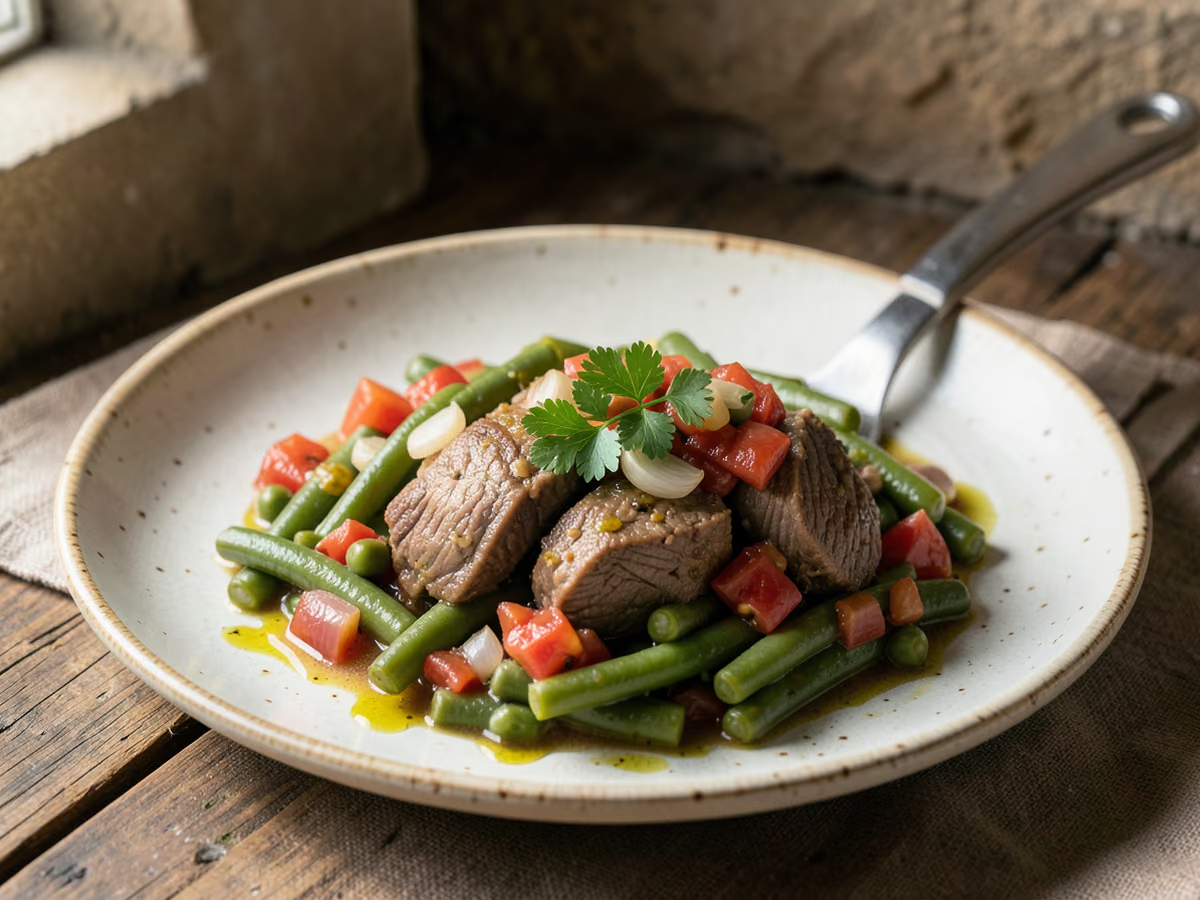
Fasolia is the Greek green-bean stew of home kitchens: 500 g of lamb shoulder and 700 g of green beans braised in tomato, garlic, and warm spices until the beans turn silky and the sauce thickens enough to cling. The lamb gives the pot its deep, savory base, while cumin, coriander, and a trace of cinnamon add warmth. Prep runs about 20 minutes, the covered simmer takes about an hour and is mostly hands-off, and a 15-minute rest settles the sauce before four generous bowls.
- Prep
- 20 min
- Cook
- 60 min
- Total
- 95 min
- Additional time
- 15 min
- Serves
- 4
Ingredients
What you’ll need — tap to tick off as you go
- 500 g
- 700 g
- 4 cloves
- 2 tbsp
- 400 g
- 1 tsp
- 1 tsp
- ½ tsp
- 1 ½ tsp
- ½ tsp
- 3 tbsp
- 500 ml
- 1 tbsp
Process
Timers built in · swap anything · ask as you cook
Pat the 500 g of lamb shoulder cubes dry with paper towels, then season them with 0.5 tsp of the salt and the 0.5 tsp black pepper. Let them sit while you chop the onion and garlic. Dry, seasoned surfaces brown properly; wet meat steams grey in the pan and leaves the sauce tasting thin.
Heat 2 tbsp of the olive oil in the pot over medium-high heat until it shimmers. Sear the lamb in a single layer for 6–8 minutes, turning every couple of minutes, until every side is deeply browned. Move the cubes to the plate; they finish cooking in the sauce, and the browned film they leave behind seasons it.
Reduce the heat to medium and add the remaining 1 tbsp olive oil and the chopped onion. Cook for about 5 minutes, scraping the pot bottom with the wooden spoon as the onion softens and turns translucent. Those stuck browned bits are concentrated lamb flavor; the onion's moisture lifts them so they dissolve into the sauce.
Stir in the 4 minced garlic cloves, the 1 tsp ground cumin, the 1 tsp ground coriander, and the 0.5 tsp ground cinnamon. Cook for 1 minute, stirring constantly, until the spices smell toasted and the garlic is fragrant but not colored. Ground spices scorch quickly, and a scorched spice base turns the whole pot bitter.
Add the 2 tbsp tomato paste and cook for 2 minutes, stirring constantly, until it darkens to brick red and starts to stick lightly to the pot bottom. Frying the paste in the hot fat caramelizes its sugars and concentrates its flavor; stirred in raw, it leaves the finished sauce flat and thin.
Pour in the 400 g of canned chopped tomatoes and the 500 ml of beef broth, scraping the pot base clean. Return the lamb and any juices from the plate, bring to a gentle simmer, then cover the pot and cook on low for 30 minutes. This head start softens the shoulder before the beans join.
Stir in the 700 g of green beans and the remaining 1 tsp salt. Cover and simmer gently for 25–30 minutes, stirring once or twice, until the beans are very tender and olive-drab and a fork slides into the lamb with almost no resistance. Keep the heat low: a hard boil breaks the beans apart while their centers stay squeaky.
Uncover and simmer for 5–10 minutes, until the sauce is thick and glossy and the oil pools deep orange-red at the edges. Taste and adjust the salt, then stir in the 1 tbsp lemon juice, if using. If time allows, let the pot stand off the heat for 15 minutes, so the sauce settles and drinks back into the beans, then serve warm.
Why this recipe works
Searing the lamb first builds the stew's foundation: patting the cubes dry lets the hot oil brown them properly instead of steaming them grey, and the browned film left in the pot dissolves into the sauce once the onion and its moisture hit the pan. The covered simmer then does the real transformation: shoulder's collagen melts into gelatin, which lubricates the meat and gives the sauce body, while the beans braise far past crisp-tender until their cell walls soften and they turn silky rather than squeaky. Cooking the tomato paste in the fat deepens its sweetness, and the lemon added off the heat returns the brightness a long simmer flattens.
Equipment
- Heavy-bottomed pot or Dutch oven, 4 to 5 litres, with a tight-fitting lid
- Chef's knife and cutting board
- Measuring spoons and a measuring jug
- Wooden spoon or heatproof spatula
- Plate or tray to hold the seared lamb and its juices
- Paper towels for drying the meat
- Instant-read thermometer (optional, for checking the lamb)
Kitchen notes
Kitchen notes
- The spice blend is warmly aromatic, not hot: cumin, coriander, and cinnamon bring fragrance without any burn. For heat, add a pinch of cayenne or a chopped chili with the garlic, or pass a chili oil at the table so each bowl sets its own level.
- Let the pot rest for 15 minutes before serving if you can: the sauce emulsifies and the flavors round out, which is also why this stew is famously good the next day.
- Salt arrives in two stages for a reason: 0.5 tsp seasons the lamb's crust, and the last 1 tsp waits until the beans are in and softening. Salting the beans early draws out moisture and can leave their skins tougher.
- Keep a jug of hot water by the stove. If the sauce tightens before the beans are tender, a 50 ml splash restores the braise without cooling the pot, and the beans keep cooking evenly.
- A wide pot beats a deep one: more surface area means the sauce reduces evenly and the beans sit in it rather than pile up and steam. If your pot is narrow, watch the liquid level and top up as needed.
Common mistakes
- Watery sauce pooling in the bowl: the beans and tomatoes shed liquid, and a covered pot keeps it there. Simmer uncovered for the full 5-10 minutes at the end, and if the sauce still looks loose, mash a few beans against the pot wall; the starch they release thickens it naturally.
- Fibrous, squeaky beans: they were pulled from the stove at crisp-tender. Fasolia beans need to cook to olive-drab and very soft; give them the full 25-30 minutes and press one between your fingers, where it should yield easily.
- Dry or stringy lamb: a lean cut stood in for the shoulder, or the pot boiled instead of simmered. Shoulder has the fat and collagen that keep the cubes juicy; keep the heat low, and if the lamb still resists a fork when the beans are ready, add a splash of water, cover, and simmer 10 minutes more.
- Bitter, scorched flavor: the garlic and ground spices sat too long in oil that was too hot. Bloom them for just 1 minute over medium heat, stirring, and pull the pot off the heat the moment the garlic smells toasted rather than raw.
- Flat, dull sauce: the tomato paste went in raw, or the lemon never made it to the pot. Frying the paste for 2 minutes builds the depth of the sauce, and the lemon, stirred in off the heat, restores the brightness that a long simmer blurs.
- A pot that dries out before the beans are ready: a loose lid or a high flame boiled the sauce away. Keep the simmer gentle and the lid seated, and top up with hot water a splash at a time; adding it cold stalls the simmer and keeps the centers squeaky.
Serving suggestions
- Serve in shallow bowls with the sauce spooned generously over the beans, a slab of feta on the side and crusty bread for mopping; this is how the dish comes to the table across Greece.
- A thread of raw olive oil over each bowl at the table is the ladera signature; it sharpens the tomato and makes the beans glisten, so add it after serving while the aroma is fresh.
- Rice pilaf or boiled potatoes round the stew into a full plate, and both are built for sopping the sauce that collects at the bottom of the bowl.
- Drinks stay cold and simple: sparkling water with lemon, iced tea, or mint water, so nothing competes with the warm spices.
Variations
- Vegetarian fasolia (a different dish, and the classic one): leave out the lamb, use vegetable broth or water, and let the spiced tomato base carry the beans alone; it is lighter, still silky, and the way the dish is most often eaten in Greece.
- Pressure-cooker version: brown the lamb as written, then add the tomato base, beans, and broth, and cook under high pressure for 30 minutes. The pot comes together in under an hour, and the beans turn softer-edged than in the stovetop braise.
- Oregano-leaning profile: some homes skip the cinnamon and cumin and finish with 1 tsp dried oregano instead; the beans read more herbal and summery, a different accent on the same pot.
Refrigerator
- RefrigeratorCool the pot within 2 hours of cooking, then refrigerate in an airtight container for up to 4 days. The sauce thickens as it chills and the spices mellow, so day two often tastes even rounder.
- ReheatingWarm gently in a pot over medium-low heat with a splash of water or broth, stirring now and then, until steaming hot all the way through (74°C). Keep it below a hard boil, which can tighten the lamb and break the beans down further.
- FreezingFreezes well for up to 3 months: cool it completely and quickly in shallow containers, leave a little headspace, and thaw overnight in the refrigerator. The beans come back slightly softer, so stir gently when reheating; the flavor holds well.
- Make aheadA natural make-ahead dish: cook it fully a day or two ahead, cool it fast, and refrigerate; a gentle reheat with a squeeze of lemon brings it back to life. It also freezes well, so a double batch is worth it.
Updated:
How this recipe was developed
- USDA FSIS, Leftovers and Food Safety (refrigerate cooked food within 2 hours; lamb cooked to 63°C with a 3-minute rest; leftovers reheated to 74°C; 3 to 4 days refrigerated, 3 to 4 months frozen)
- Hilda's Kitchen Blog, Fasolia (Green Bean Stew) (green beans and lamb or beef braised in a rich tomato base; frozen beans work while canned collapse; simmer until the beans are very tender; leftovers refrigerate or freeze well)
- Fancy Peasant, Fasoulakia Me Kreas (Greek green beans and meat braised in tomato and generous olive oil until velvety; beans tender in 35 to 45 minutes; served hot, warm, or cold)
- The Kitchn, braising guide (collagen converts to gelatin and tough cuts turn fork-tender at about 93°C interior; shoulder, neck, and leg are the braising cuts; braises improve with sitting)
Editorial references are kept internally for verification. This page makes no claim of external certification or professional testing.
FAQ
The questions we get asked most
Can I use frozen green beans instead of fresh?
Yes, and they need no thawing: add the same 700 g straight from the freezer and start checking a few minutes early, since frozen beans release more water than fresh ones do. Simmer uncovered a little longer at the end so the sauce tightens. Skip canned beans entirely; they are already soft and turn to mush in this braise.
Why did my fasolia turn out watery?
Green beans and tomatoes both release liquid, and a tight lid traps it in the pot. Fix it at the finish: simmer uncovered for 5-10 minutes so the liquid reduces to a glossy coat, and mash a few beans against the pot's side; the starch they let go thickens the sauce without flour. A wider pot also speeds reduction, so use your widest heavy pan next time.
How do I know when the lamb is done?
Trust the fork over the clock: the lamb is ready when the tines slide in with almost no resistance and a cube gives way under light pressure. That is well past the 63°C USDA minimum for lamb; shoulder typically reaches its fall-apart point around 93°C interior. If a cube still feels firm, add a splash of water, cover, and simmer another 10 minutes.
Can I make this stew ahead of time?
Yes, and many argue it is better that way: cooled and reheated, the flavors deepen and the sauce thickens. Cook it fully, cool it within 2 hours, and refrigerate for up to 4 days or freeze for up to 3 months; reheat gently with a splash of water, then finish with a squeeze of lemon.
Can I add potatoes or other vegetables?
Potatoes are traditional: cube about 300 g, add them with the green beans, and expect them to thicken the sauce as their edges soften. Carrots, diced and added with the onion, work well too. Potatoes drink liquid, so keep an extra 100 ml of water or broth warm and top up the pot if it looks tight.
Can I use beef instead of lamb?
Yes: beef chuck or stewing beef, the same 500 g cut into 3 cm cubes, browned exactly as written. The beef broth already in the base makes the swap seamless; just expect chuck to need 10-15 minutes longer to reach fork-tenderness, so test it as the beans cook and extend the simmer if needed. The result reads deeper and a touch less sweet than lamb.
Can I freeze fasolia?
Yes, it freezes well for up to 3 months. Cool it completely and quickly in shallow containers, portion with a little headspace, and thaw overnight in the refrigerator. The beans come back a little softer, so reheat gently and stir carefully; add fresh lemon after reheating rather than before freezing.
Ask KitchenMind about this recipe
Tell it what’s different tonight — it works within the actual recipe.