- Prep
- 30 min
- Cook
- 15 min
- Total
- 45 min
- Serves
- 12
Ingredients
What you’ll need — tap to tick off as you go
- 100 g
- 200 g
- 70 g
- 50 g
- ½ tsp
- 1 tsp
- 100 g
- ½ tsp
Process
Timers built in · swap anything · ask as you cook
Preheat oven to 150°C. Line two baking sheets with parchment paper or silicone mats.
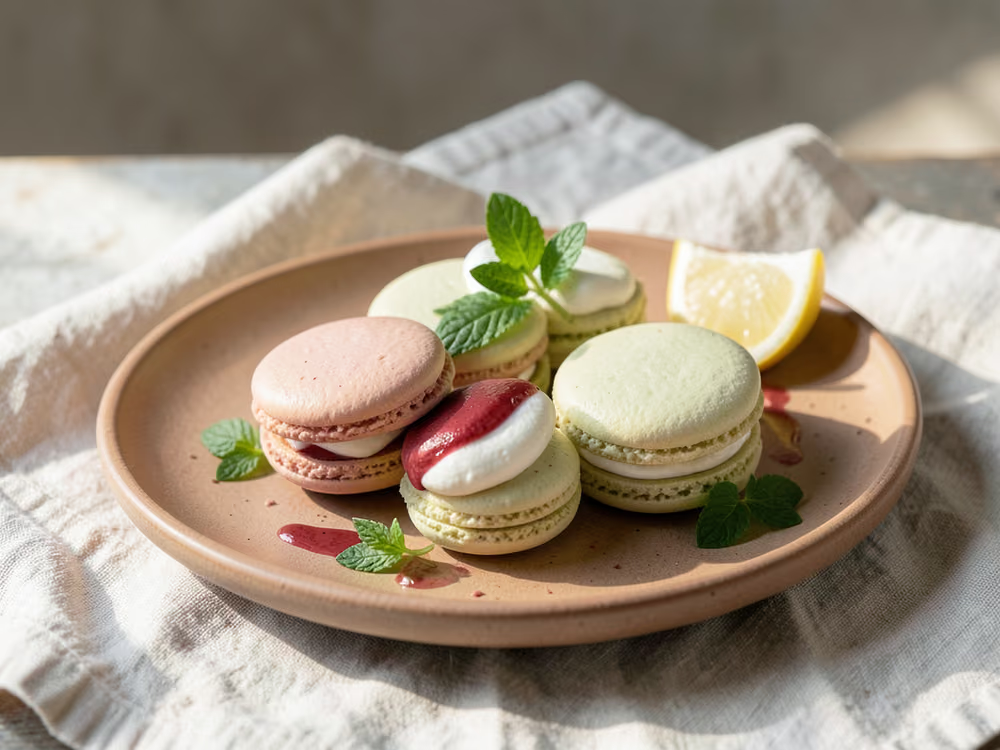
Sift almond flour and 100g powdered sugar together into a bowl. Discard any large lumps.
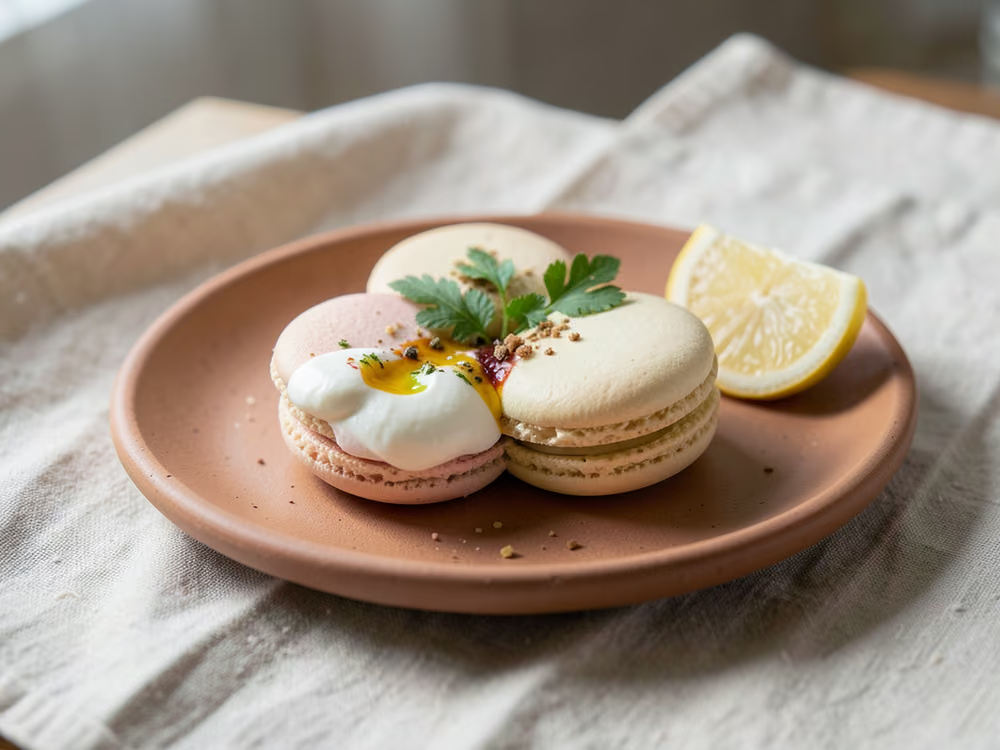
In a clean bowl, beat egg whites with cream of tartar on medium speed until foamy. Gradually add granulated sugar and beat until stiff, glossy peaks form. Add gel food coloring if desired.
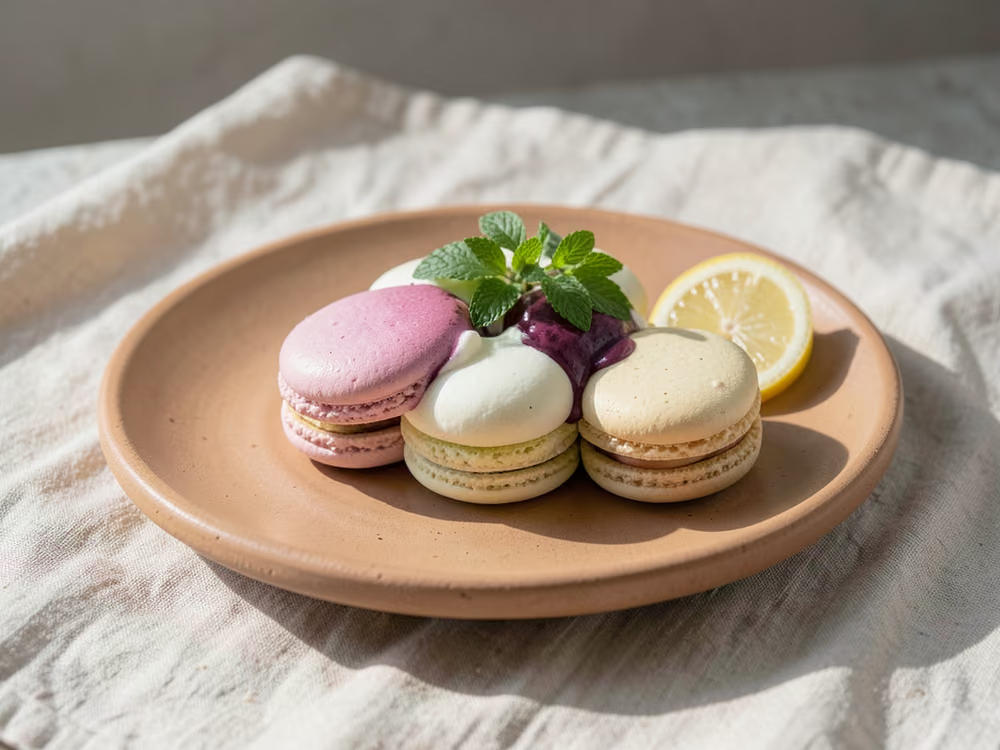
Gently fold the sifted almond flour mixture into the meringue using a spatula until the batter flows like lava and forms a ribbon that slowly settles.
Transfer batter to a piping bag fitted with a round tip. Pipe 3 cm circles onto prepared baking sheets, spacing 2 cm apart. Tap the sheets on the counter to release air bubbles.
Let the piped shells rest at room temperature for 30–60 minutes until a skin forms and they are no longer sticky to touch.
Bake for 12–15 minutes, until the shells are set and do not wobble when gently touched. Let cool completely on the baking sheet.
For the buttercream, beat softened butter with 100g powdered sugar and vanilla extract until light and fluffy.
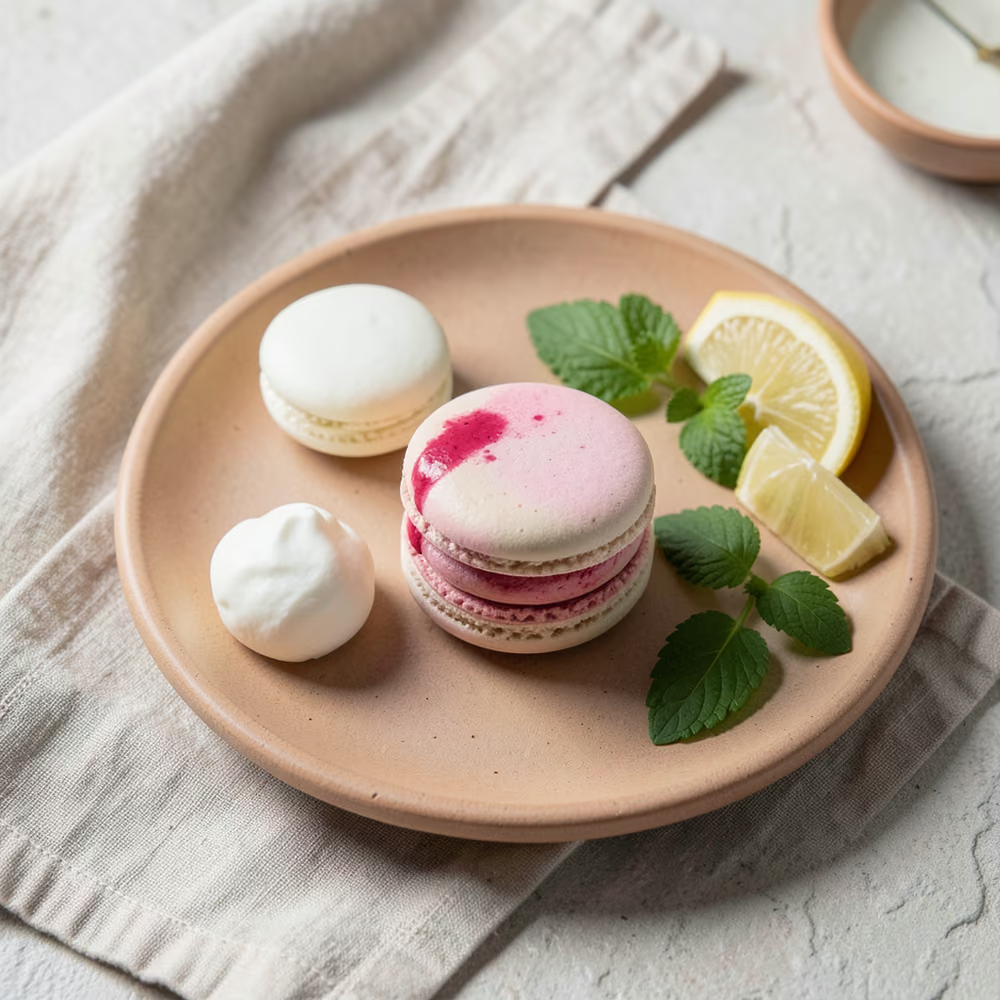
Pair cooled shells by size. Pipe a small amount of buttercream onto one shell and sandwich with another. Refrigerate for 24 hours before serving to allow flavors to meld.
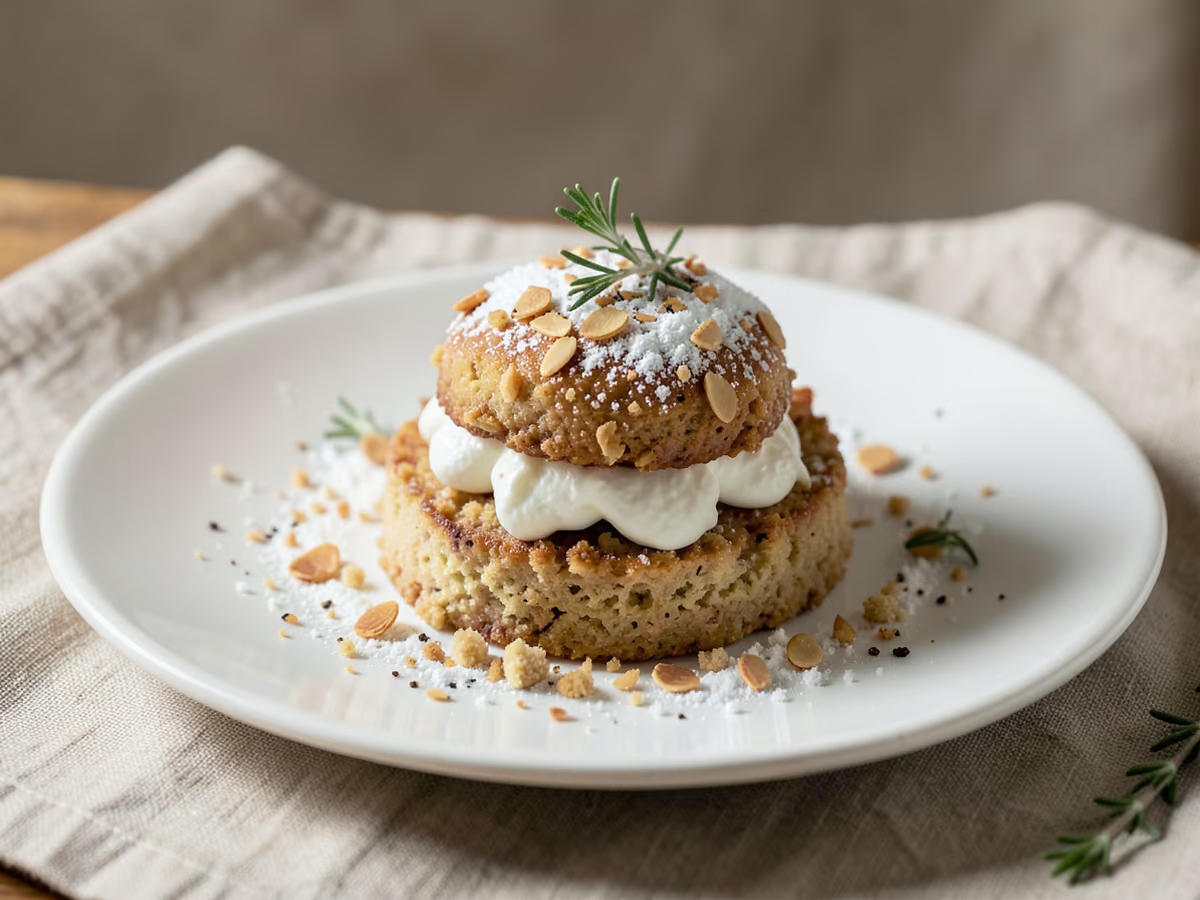
Kitchen notes
Kitchen notes
- The most common mistake is under- or over-mixing the batter. Under-mixed batter holds peaks and results in lumpy shells; over-mixed batter spreads too much. Fold until the batter falls off the spatula in a thick ribbon that disappears in about 10 seconds.
- Resting the piped shells until a skin forms is crucial. If you skip this, the shells will crack during baking. The skin should be dry to the touch; this can take 30-60 minutes depending on humidity.
- Oven temperature is critical. Use an oven thermometer to ensure accurate temperature. If the oven is too hot, the shells will rise too fast and crack; if too low, they will spread. Bake at 150°C for even rising.
- For best results, use aged egg whites. Separate eggs and leave whites covered at room temperature for 24 hours or in the fridge for 3 days. This reduces moisture and helps achieve a stable meringue.
Substitutions
- almond flour→finely ground hazelnut flour
- unsalted butter→plant-based butter for dairy-free
- vanilla extract→almond extract or other flavoring
Storage & reheating
Store assembled macarons in an airtight container in the refrigerator for up to 5 days. For longer storage, freeze in a single layer in a freezer-safe container for up to 3 months. To serve from frozen, thaw in the refrigerator for 2-3 hours. Bring to room temperature for 15-20 minutes before eating for best texture. Unfilled shells can be stored at room temperature in an airtight container for up to 2 days or frozen for up to 1 month.
Gallery
FAQ
The questions we get asked most
Why did my macarons crack on top?
Cracking usually happens due to under-mixed batter or insufficient resting time. Make sure the batter flows like lava and you let the piped shells rest until a skin forms. Also, tap the baking sheet firmly to release trapped air bubbles before resting.
How do I know when macarons are done baking?
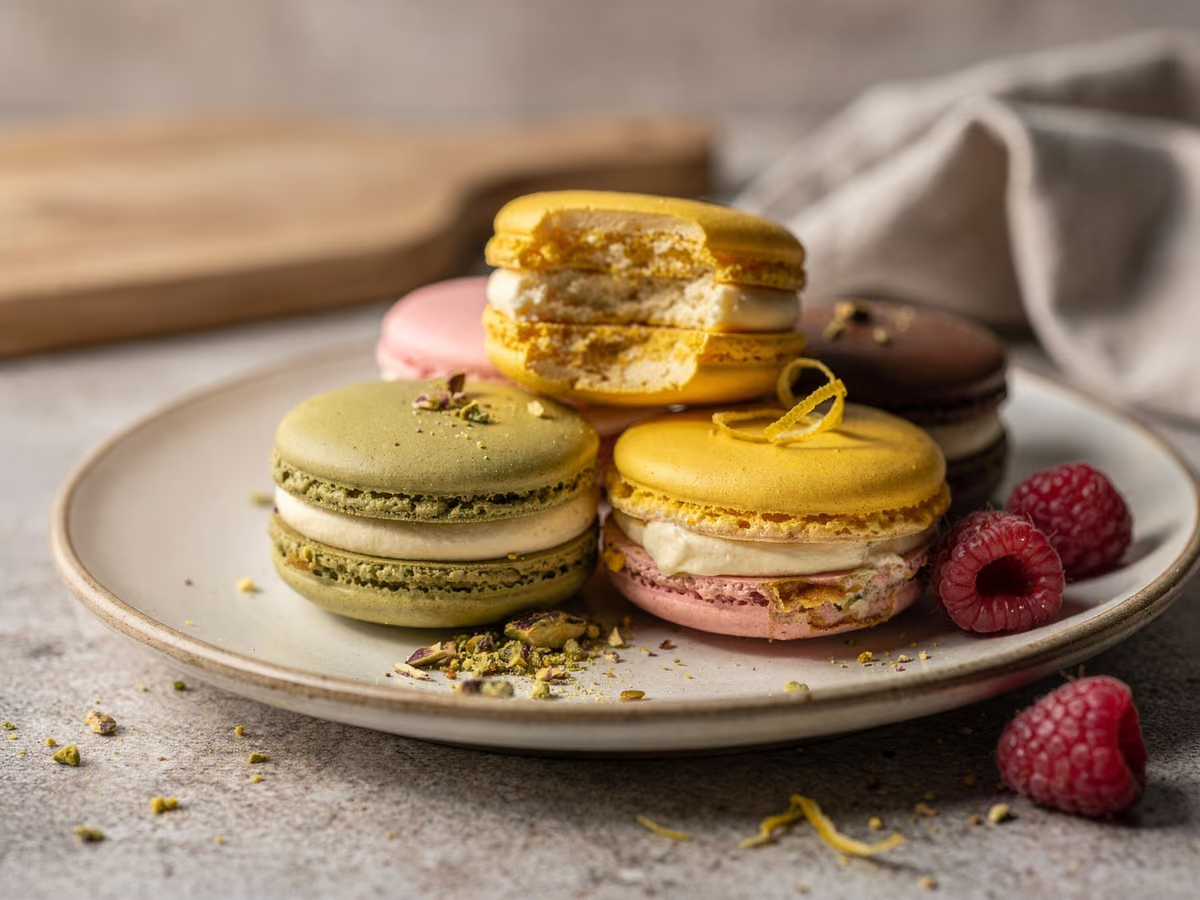
The shells are done when they are set and do not wobble when gently touched. They should have a smooth, domed top and a ruffled foot (the frilly edge at the bottom). If they stick to the parchment, bake for another 1-2 minutes.
Can I make macarons without cream of tartar?
Yes, cream of tartar is optional. It helps stabilize the egg whites, but you can omit it if you beat the egg whites properly to stiff peaks. Just ensure your bowl and beaters are completely clean and grease-free.
Why are my macarons hollow?
Hollow shells can result from over-mixing the batter, baking at too high a temperature, or not resting the shells long enough. Try folding the batter less, baking at a lower temperature, and letting the shells rest until a skin forms.
Can I use a different filling?
Absolutely. Buttercream is classic, but you can use ganache, jam, or lemon curd. Just avoid wet fillings that will make the shells soggy. If using jam, strain it to remove excess liquid.
How long do macarons need to mature?
After assembling, refrigerate macarons for 24 hours. This allows the moisture from the filling to soften the shells slightly, creating the perfect chewy texture. They are best enjoyed 24-48 hours after filling.
Can I freeze macaron shells before filling?
Yes, unfilled shells can be frozen for up to 1 month. Store them in an airtight container with parchment between layers. Thaw at room temperature for 30 minutes before filling.
Ask KitchenMind about this recipe
Tell it what’s different tonight — it works within the actual recipe.