Gigantes Plaki (Greek Baked Giant Beans)
Gigantes plaki is Greece's best-known way with giant butter beans: 500 g soaked overnight, simmered until tender, then baked in a tomato, olive oil and dill sauce until the centers go creamy and the edges caramelize. The work is front-loaded — about 20 minutes of prep and a 45 to 60 minute parboil — and the oven takes over from there, untended. Serve it warm or at room temperature with crusty bread and feta; it is vegetarian and gluten-free as written, and it tastes even better after a day in the fridge.
- Prep
- 20 min
- Cook
- 75 min
- Total
- 695 min
- Additional time
- 600 min
- Serves
- 6
Ingredients
What you’ll need — tap to tick off as you go
- 500 g
- 120 ml
- 4 cloves
- 800 g
- 2 tbsp
- 2 tsp
- 1 tsp
- 20 g
- 15 g
- 2 tsp
- ½ tsp
- 250 ml
- 1 tsp
Process
Timers built in · swap anything · ask as you cook
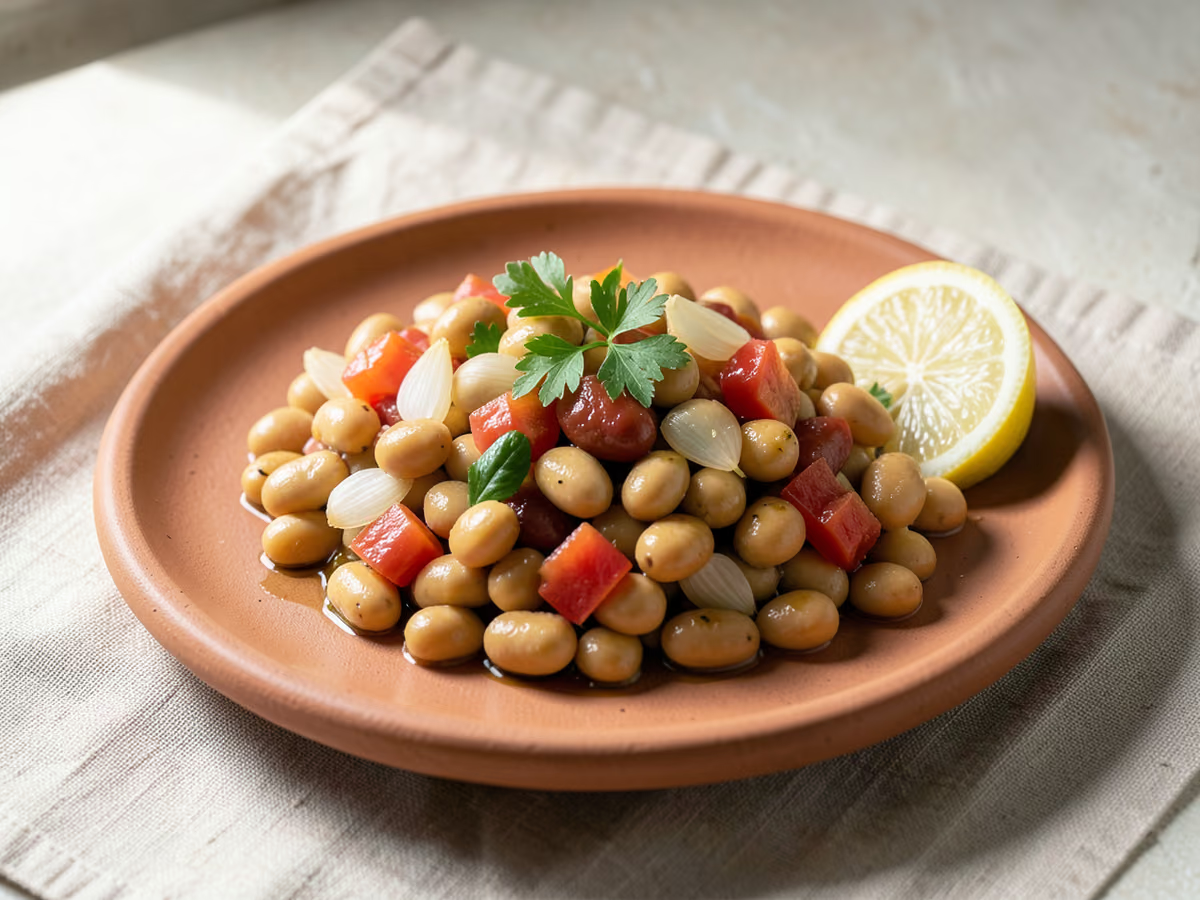
Soak the 500 g giant butter beans in a large bowl of cold water — at least 10 hours, or overnight — until they swell to nearly double and the skins look smooth. Drain, rinse and pick out any shriveled or cracked beans. A full soak lets water reach the center of each bean, which is what makes them finish creamy rather than chalky.
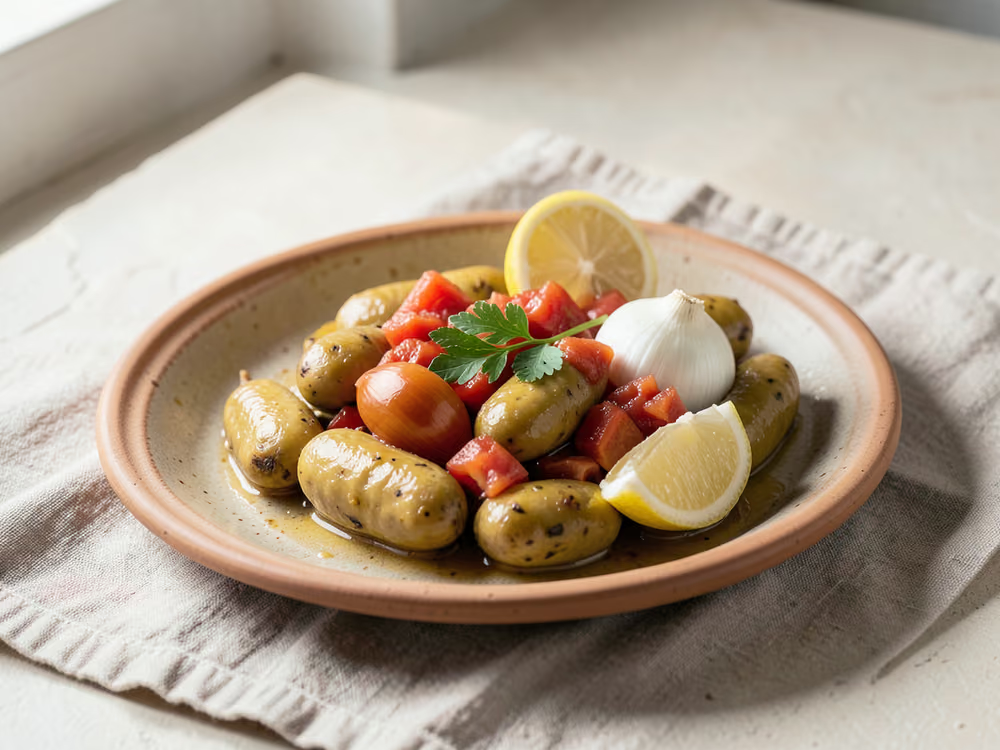
Drain the beans and put them in a large pot with fresh cold water covering them by 5 cm. Add 1 tsp of the fine salt and one bay leaf, bring to a boil, then drop to a low simmer for 45 to 60 minutes, until a bean squashes easily between your fingers but the skin stays whole. Skim the grey foam that rises. Drain, reserving 250 ml of the cooking liquid.
While the beans simmer, heat 80 ml of the olive oil in a wide ovenproof pan or Dutch oven over medium heat. Add the 2 finely chopped onions and cook for 8 to 10 minutes, stirring, until soft, translucent and glossy — sweet, not browned. This slow sweat builds the sauce's sweetness; color here turns the finished dish bitter.
Stir in the 4 sliced garlic cloves and cook for 1 minute, until fragrant. Add the 2 tbsp tomato paste and, if using, the 1 tsp smoked paprika, and fry for 1 minute more, stirring, until the paste darkens a shade and smells sweet. Toasting the paste in hot oil is what gives the sauce depth instead of a raw, tinny edge.
Pour in the 800 g chopped tomatoes, the 250 ml vegetable broth, 1 tsp sugar, 2 tsp dried oregano, the remaining 1 tsp salt, the 0.5 tsp black pepper and the second bay leaf. Simmer uncovered over medium-low heat for 10 minutes, until the sauce thickens slightly and loses its raw tomato smell — keep it loose, because the beans will drink more in the oven.
Heat the oven to 190°C. Add the drained beans, the 20 g chopped dill and the 15 g chopped parsley to the pan and fold gently to coat, without breaking the beans. If the mixture looks dry, loosen it with a splash of the reserved bean liquid — the beans should sit in a shallow, saucy layer, not a soup.
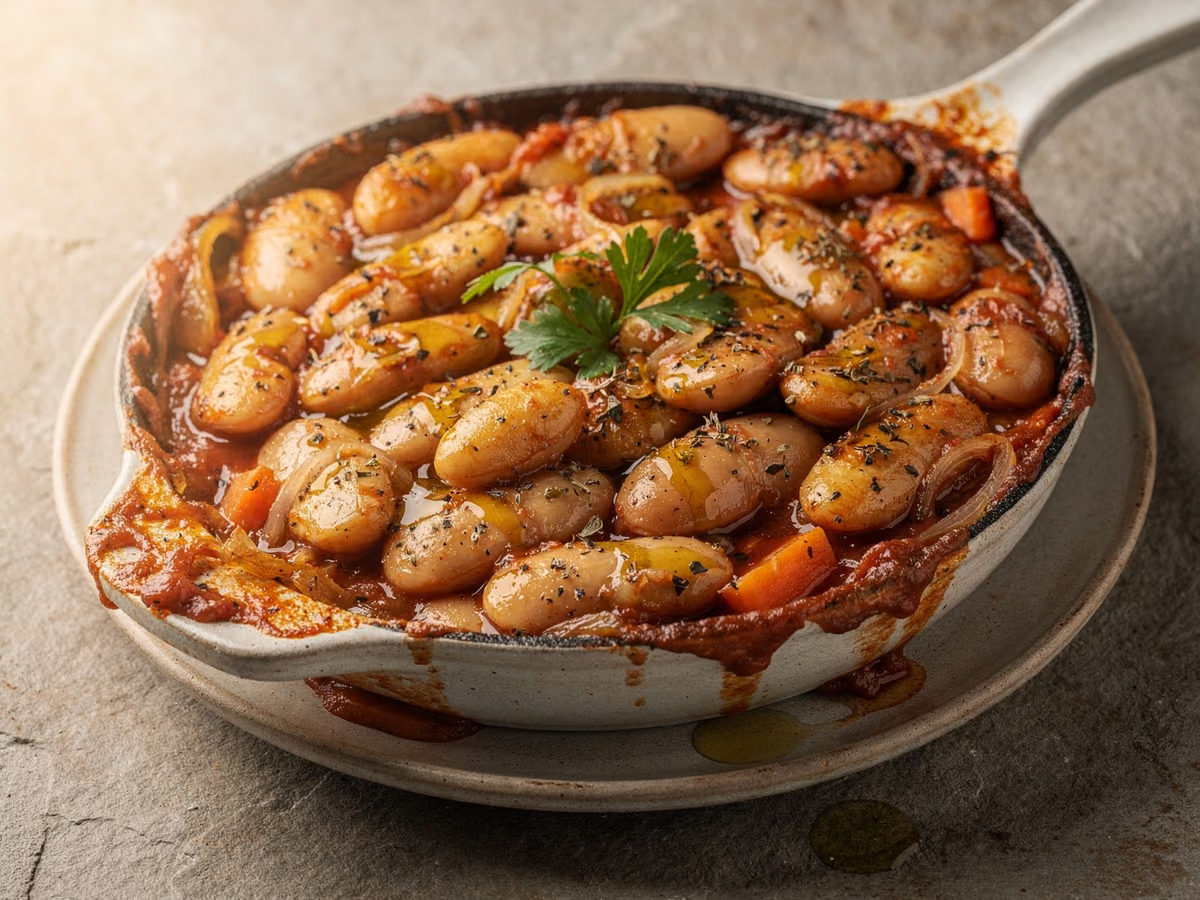
Drizzle the remaining 40 ml olive oil over the top and bake uncovered for 45 to 55 minutes, stirring once halfway, until the beans are creamy through and the top is caramelized with slightly crisp edges. If the surface dries out before the beans are ready, cover loosely with foil so the centers keep softening.
Remove the bay leaves and let the dish stand for 10 minutes off the heat — the beans absorb sauce as they cool and turn creamier. Scatter with the extra dill and serve warm or at room temperature with crusty bread or crumbled feta. It is even better the next day.
Why this recipe works
Dried beans soften only in water, never in a baking dish of sauce, so the gigantes get fully tender on the stovetop before the oven sees them; the overnight soak hydrates their starch evenly, which is why the centers finish creamy instead of chalky. The uncovered bake at 190°C is for flavor, not cooking: it drives off water, concentrates the tomatoes and caramelizes the top layer, while the teaspoon of sugar takes the edge off their acidity. Resting off the heat matters too — as the beans cool they keep drinking the sauce, which is what turns a pan of beans into gigantes plaki.
Equipment
- Large bowl, for soaking the beans in plenty of cold water overnight
- Large pot, 4 to 5 liters, for simmering the beans
- Wide ovenproof pan or Dutch oven, around 3 liters — a wide, shallow pan lets the beans bake in a thin layer so the tops caramelize and the sauce reduces; a deep narrow pot leaves the middle pale and steamy
- Colander or fine-mesh sieve, for draining the beans and rinsing them
- Wooden spoon or heatproof spatula, for folding the beans without breaking their skins
- Measuring jug, cups and spoons, for the oil, tomatoes, broth and spices
- Chef's knife and cutting board, for chopping the onions, the herbs and the garlic
Kitchen notes
Kitchen notes
- Stubborn beans and very hard water: half a teaspoon of baking soda in the simmering water raises the pH and speeds softening, a trick old kitchens used in the soak. Keep it minimal, stir it in only if the beans resist past an hour, and stop once they are tender — too much leaves a faint soapy taste.
- Skim the grey foam that rises in the first minutes of the simmer. It is just starch and protein, but leaving it in clouds the cooking liquid, and that liquid ends up loosening your sauce.
- Test three beans, not one, before you drain them. Doneness varies bean to bean, and the pot is only as done as the ones that still resist; fishing out a single lucky soft bean is how chalky centers slip through to the oven.
- Reserve more cooking liquid than the recipe asks for. It is the most flavorful, starchiest liquid in the kitchen, it loosens the pan before baking, and it can still come to the rescue if the bake tightens; a dry pan of beans cannot be undone.
- For a darker, crisper top, finish the dish under a hot grill for 2 to 3 minutes after the bake — the same charred edges a taverna oven gives, without risking the beans underneath.
Common mistakes
- Chalky, hard beans after baking: they went into the oven undercooked — dried beans soften only in water, and no amount of baking fixes a firm center. Simmer until a bean squashes easily between your fingers, taste two or three, and if the pot is still stubborn after 60 minutes keep it going; bean age, not technique, drives the time.
- Beans that split or peel: the pot boiled hard, or the hot beans were drained and hit cool air and water all at once. Keep the simmer low and lazy, drain gently without rinsing, and top up with hot — never cold — water whenever the level drops.
- Dry, tight beans instead of saucy ones: not enough liquid went into the pan, or the bake ran past the point where the sauce could protect the beans. Hold back the full 250 ml of cooking liquid, loosen with a splash before baking, and cover loosely with foil if the top starts to dry before the beans are creamy.
- A flat, one-note sauce: the tomato paste was not toasted, or the sugar was skipped. Frying the paste until it darkens builds the base, and the 1 tsp of sugar is what takes the sharp bite off the tomatoes; taste the sauce before it meets the beans and adjust.
- A pale top that never caramelizes: the pan was too deep, too crowded, or still covered when it should have been open. Use the widest pan you have, keep the beans in a shallow layer, and bake uncovered at 190°C for the full time so the exposed tops brown and crisp.
Serving suggestions
- Serve warm straight from the oven or at room temperature — both are traditional, and many Greeks prefer the beans slightly cooled, when the sauce has thickened around them.
- With crusty bread to mop the sauce, crumbled feta on top and a few olives; for a vegan table, hold the feta — the beans themselves are plant-based.
- As meze: set the pan out with small plates as part of a spread, where it stretches further than a main-course portion and sits happily at room temperature.
- Alongside roast chicken, lamb or grilled fish when the table is not vegetarian; it plays the part of both side dish and sauce.
- Leftovers — if there are any — are excellent cold or barely warmed, straight from the container with a squeeze of lemon.
Variations
- Island-style soffritto: many versions add a finely diced carrot and a chopped stick of celery to the onions for a sweeter, deeper sauce; keep every other quantity the same and add them at the same time as the onions.
- Pressure-cooked beans: after the overnight soak, cook the beans at high pressure for 15 to 20 minutes instead of simmering — check them early, since sizes vary — then drain, reserve the liquid, and continue with the sauce and the bake exactly as written.
- A whisper of cinnamon: some kitchens stir a small pinch into the sauce with the oregano, where it reads as warmth rather than dessert; leave it out if you want the pure tomato-and-dill profile.
Refrigerator
- RefrigeratorCool the dish promptly — spread it into shallow containers so it stops steaming quickly — and refrigerate within 2 hours. It keeps for up to 4 days, and the flavor deepens every day; served at room temperature it is arguably better than on day one.
- ReheatingReheat covered at 180°C for 15 to 20 minutes, or gently on the stovetop with a splash of water or broth, until steaming hot all the way through — 74°C if you check with a thermometer. Covering keeps the beans from drying as they warm.
- FreezingFreezes well for up to 3 months: cool completely, pack with its sauce in freezer-safe containers, and leave a little headspace. Thaw overnight in the refrigerator and reheat gently; the beans soften slightly more, so thaw only what you plan to eat.
- Make aheadThis is an ideal make-ahead dish — cooled and refrigerated, it improves overnight, and it can be baked up to 2 days in advance. You can also split the work: simmer the beans the day before and refrigerate them in their liquid, then finish the sauce and bake when you are ready.
Updated:
How this recipe was developed
- Wikipedia (Greek and English articles, Γίγαντες πλακί / Gigantes plaki) — dish identity: large white beans baked with olive oil, tomatoes, vegetables and herbs, the fasolia gigantes bean, served as a main or meze warm or at room temperature; a dish of Greece and Cyprus.
- Gastronomos (Greek), gigantes guides and the Agios Oros oven rendition — protected-geographical-indication elephant beans of Prespes, Kastoria and Kato Nevrokopi; soak 12 to 24 hours and discard the soaking water; patient low-heat cooking so the beans soften without breaking; a 190°C oven bake.
- Felicity Cloake, The Guardian, 'How to make the perfect gigantes plaki' — parboil 40 to 60 minutes until tender but not soft; bake at 180°C, covered then uncovered; soaking in brine softens the skins; bicarbonate of soda in the soak can leave a soapy taste; tinned beans work but absorb less flavor.
- USDA FSIS, Leftovers and Food Safety — refrigerate leftovers within 2 hours; keep 3 to 4 days in the refrigerator or 3 to 4 months frozen; reheat to 74°C.
Editorial references are kept internally for verification. This page makes no claim of external certification or professional testing.
Gallery
FAQ
The questions we get asked most
What is gigantes plaki?
It is Greece's classic oven-baked giant-bean dish: large white beans — fasolia gigantes — simmered until tender, then baked in a tomato, onion and olive-oil sauce with dill and oregano until the tops caramelize. The name is plain Greek: gigantes means giants, and plaki is the country's oven method of baking a main ingredient with tomatoes, vegetables and plenty of olive oil. Gigantes plaki is served as a main or as meze, warm or at room temperature, most often with feta and bread; the dish itself is plant-based, so skip the cheese and it is vegan, and it is gluten-free as long as the bread is.
What beans are used for gigantes plaki?
Giant butter beans — fasolia gigantes, the cream-white elephant beans grown around the Prespes lakes and Kastoria in northern Greece, where they carry a protected geographical indication. They cook up big, creamy and intact, which is the whole point of the dish. If you cannot find them, large dried lima beans are the closest substitute; small white beans work but lose the character, because gigantes plaki is built on the size of the bean.
Why are my gigantes plaki beans still hard after baking?
Because they were not fully tender before they went into the oven. Dried beans soften in water, not in tomato sauce, so the simmer is the only chance their centers get; the bake only finishes and flavors them. Simmer until a bean squashes easily between your fingers — 45 to 60 minutes here, longer for older beans — and taste a few before draining. The oven cannot rescue a chalky center.
Can I use canned beans instead of dried for this recipe?
Yes, and it turns the dish into a weeknight one. Use 3 x 400 g tins of giant butter beans, drained and rinsed, skip the soak and the simmer, reduce the vegetable broth to 150 ml, and bake for 30 to 35 minutes at 190°C, until the sauce bubbles and the top catches color. What you trade is starch and creaminess: dried beans release starch into the sauce as they cook, while canned beans have already given theirs up.
How do I know when gigantes plaki is done?
Two tests at once. A bean should pierce and squash with no resistance at the center — creamy, never chalky — while the sauce has darkened, thickened and pulled in around the beans, with caramelized edges where it touched the pan. If the sauce is still watery, bake uncovered a little longer; if the pan is drying before either happens, add a splash of reserved liquid and cover loosely with foil.
Is gigantes plaki the same as baked beans?
No, though both are beans baked in tomato. The dish most people mean by baked beans is small white beans in a sweet, often molasses-laced sauce, served as a side. Gigantes plaki uses thumb-sized beans, savory tomatoes with just 1 tsp of sugar to soften their acidity, a generous pour of olive oil, and dill and oregano — and it is treated as a main dish or meze, warm or at room temperature, not a side from a tin.
What do you serve with gigantes plaki, and is it warm or at room temperature?
Both are traditional — straight from the oven warm, or cooled to room temperature, where the sauce sits thicker around the beans and the flavors read more clearly; many Greeks serve it as meze at room temperature. Crusty bread is non-negotiable, and crumbled feta or a few olives alongside are classic; it also works as a side next to roast chicken or lamb, or grilled fish, and it holds up on a buffet for hours.
Ask KitchenMind about this recipe
Tell it what’s different tonight — it works within the actual recipe.