Kleftiko (Greek Slow-Roasted Lamb)
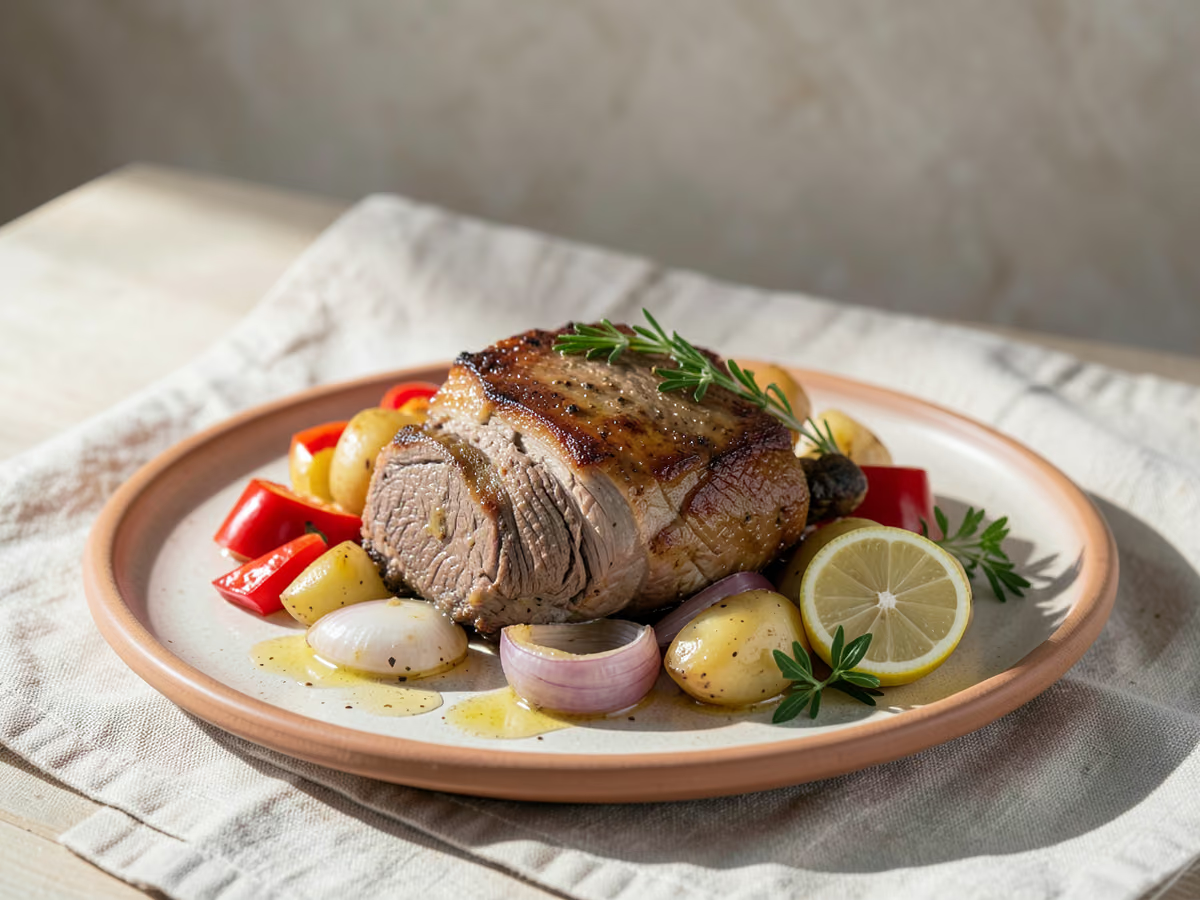
Kleftiko is the Greek slow-roasted lamb of the mountains: bone-in shoulder chunks sealed in a parchment parcel with potatoes, peppers, and onion, seasoned with lemon, garlic, oregano, and a whisper of cinnamon, then left in a low oven until the meat caves under a fork. The parcel traps every bit of steam, so the lamb braises in its own juices and the feta crumbled over at the end melts into the pan sauce. Expect 30 minutes of hands-on work, then 3.5 hours largely unattended; it serves 6.
- Prep
- 30 min
- Cook
- 210 min
- Total
- 240 min
- Serves
- 6
Ingredients
What you’ll need — tap to tick off as you go
- 1 ½ kg
- 1 kg
- 4 cloves
- 60 ml
- 80 ml
- 2 tsp
- 1 tsp
- ½ tsp
- 150 g
- 1 ½ tsp
- ½ tsp
Process
Timers built in · swap anything · ask as you cook
Preheat the oven to 160°C (fan 140°C) with a rack in the middle. Pat the 1.5 kg of bone-in lamb shoulder chunks dry with paper towels, then season all over with the 1.5 tsp salt and the 0.5 tsp black pepper. Dry surfaces let the seasoning grip and keep watery juices from diluting the braise.
Whisk the 80 ml extra virgin olive oil, the 60 ml lemon juice, the 2 tsp dried oregano, the 1 tsp dried thyme, and the 0.5 tsp ground cinnamon in a small bowl until the spices are evenly suspended. Set it aside while you build the pan; the dried herbs need a minute to hydrate and spread their flavor through the parcel.
In a large roasting pan, layer the 1 kg of potato wedges, the sliced onion, the 2 sliced red bell peppers, and the 4 sliced garlic cloves. Drizzle over half of the oil mixture and toss with clean hands until everything is coated, then spread it back into one even layer: these vegetables are both the bed for the lamb and the source of the steam.
Nestle the seasoned lamb chunks among the vegetables, bone side down, and pour the remaining oil mixture over the meat. Tuck the 2 bay leaves into the gaps if you are using them. The lamb should sit level with the vegetables, neither buried nor proud: the layer below keeps it moist and the steam above cooks it gently.
Cover the pan tightly: a double layer of parchment paper, then aluminum foil over the top, or a heavy lid that seats without wobbling. Fold or crimp every edge so no steam can escape. The seal is the technique — a single gap vents the steam that makes the lamb fall apart, and the roast comes out dry no matter how long it cooks.
Roast in the preheated oven for a full 3 hours without opening the door. Every peek releases the trapped steam and drops the oven temperature; the meat is quietly braising and needs nothing from you until the timer sounds, so set it and resist the urge to check.
After 3 hours, slide the pan out and carefully peel back the parchment and foil. Press a fork into the thickest chunk of lamb: it should sink with almost no resistance. Increase the oven temperature to 220°C (fan 200°C); if the fork still meets springiness, re-seal the parcel and give it another 20–30 minutes.
Return the uncovered pan to the oven and roast for 20–30 minutes, until the lamb and the tops of the vegetables are well browned and the juices have reduced to a glossy, spoonable sauce. Watch it after 20 minutes: the lemony, sweetened juices at the base of the pan can catch and scorch quickly at this heat.
Take the pan from the oven, scatter the 150 g of crumbled feta over the lamb and vegetables, and let everything rest for 10 minutes before serving. The feta slumps into the lemony pan juices without fully melting, and the short rest lets the meat reabsorb what it needs to stay moist when you pull it apart.
Why this recipe works
Shoulder is the right cut because a long, moist braise melts its connective tissue into gelatin, which lubricates the muscle fibers and turns the meat spoon-tender; a lean leg has far less collagen to give and dries out instead. The sealed parcel is what makes that possible in a home oven: crimped parchment and foil trap the steam the vegetables release, so the lamb cooks in a near-saturated environment and loses almost nothing to evaporation. The final uncovered blast at 220°C reverses the process at the surface, browning the lamb and reducing the juices to a glaze without drying the interior.
Equipment
- Deep roasting tin, about 30 x 40 cm, or a 4-5 litre Dutch oven
- Parchment paper: two large overlapping sheets with a generous overhang
- Aluminum foil, at least as large as the parchment
- Chef's knife and cutting board
- Small bowl and whisk for the oil mixture
- Measuring jug and measuring spoons
- Instant-read thermometer
- Tongs or two forks, plus a warm serving platter
Kitchen notes
Kitchen notes
- Season the lamb first, then cut the vegetables: the few minutes of waiting give the salt and pepper time to settle into the meat instead of washing off into the pan.
- Choose waxy potatoes, not baking varieties: floury potatoes break down over the long, steamy roast, cloud the juices, and lose their shape, while waxy wedges stay whole and still absorb the lemon and lamb fat.
- The 0.5 tsp of cinnamon is the Cypriot signature of this dish — keep it to that measure. It warms the background behind the oregano and lemon; more than that and it starts tasting like a spice cake instead of a roast.
- If the surface stalls short of browned, finish it under a hot broiler for 3-4 minutes, watching constantly: the broiler browns the top fast without exposing the meat to more drying heat.
- Ask the butcher to cut the shoulder through the bone into 6 large chunks, one per serving: the bone slows the heat at the center of each piece, and buying pre-boned meat loses both that buffer and the marrow flavor it gives the juices.
Common mistakes
- Dry, tough lamb: steam escaped through a gap in the seal, or the oven ran hot. Crimp the parchment and foil so every edge is closed, hold 160°C for the full 3 hours, and keep the door shut until the timer — trapped steam, not more heat, is what makes the meat fall apart.
- The parcel leaks and the juices scorch: the folds were rushed, or the paper tore on a pan corner. Use two overlapping parchment sheets with an outer foil layer, crimp each edge twice, and stand the pan on a baking sheet to catch slow drips.
- Potatoes still hard after 3 hours: the wedges were cut too thick or the pan sat overcrowded. Cut 3 cm wedges, keep everything in a single layer with the potatoes on the bottom, and make sure the oven is fully preheated before the pan goes in.
- The top scorches during the final browning: 220°C is aggressive on juices sweetened by peppers and lemon. Start checking at 20 minutes, rotate the pan if one side darkens first, and pull it when the surface is burnished; a loose foil tent over the edges protects them if they start to blacken.
- Pale, underdeveloped flavor: the uncovered stage got cut short. Those 20-30 minutes are where the surface browns and the juices reduce; if the pan juices still look thin and watery at 20 minutes, give them the extra 10 rather than pulling the pan early.
- Watery juices at the table: the vegetables released more liquid than the oven could reduce. Lift the lamb and vegetables to a platter, then simmer the pan juices on the stovetop over medium heat until slightly thickened, and spoon them back over.
Serving suggestions
- Bring the pan to the table and open the parcel in front of everyone: the steam that escapes carries lemon, oregano, and cinnamon, and it is the best moment the dish gets.
- Spoon the pan juices over each portion and keep a jug of them on the table; the kleftiko lamb and potatoes only improve with more of that sauce.
- Serve one lamb chunk per person, sitting on its share of the potatoes, with the feta and vegetables spooned alongside. The 6 chunks map neatly onto 6 servings.
- Warm flatbread or a crusty loaf to mop the plates, and a simple tomato-and-cucumber salad dressed with olive oil to freshen the richness.
- Keep the drinks cold and plain — sparkling water with lemon, iced tea, or a light barley tea — so nothing competes with the oregano and lemon.
Variations
- Extra vegetables: carrots, zucchini, and cherry tomatoes all work in the vegetable bed; cut them to the same chunky size as the potatoes and tuck them in as it is built. Skip watery vegetables like cucumber and lettuce, which would flood the parcel and leave the juices thin.
- Single-serving parcels: wrap each lamb chunk with its share of vegetables in its own sealed parchment parcel; they cook in the same 3 hours and open at the table.
- Goat or beef version: the same parcel works with goat shoulder or beef chuck cut into large chunks. Both come out firmer in texture and deeper in flavor than lamb, and both need the full 3 hours sealed.
Refrigerator
- RefrigeratorCool the pan within 2 hours of taking it out of the oven, then refrigerate the lamb and vegetables in an airtight container for up to 4 days. The potatoes soften a little each day and the lamb gets more tender as it sits in the juices.
- ReheatingWarm covered portions in a 160°C oven for 15-20 minutes with a splash of water or broth, until steaming hot all the way through (74°C on a thermometer), or use the microwave for single servings.
- FreezingFreeze the cooled lamb and vegetables in an airtight container for up to 3 months. Thaw overnight in the refrigerator, then reheat covered at 160°C for 20-25 minutes; the potatoes turn softer, but the flavor holds.
- Make aheadAssemble the sealed pan up to 24 hours ahead and refrigerate it; let it stand at room temperature for 30 minutes before roasting, then add 15 minutes to the initial sealed cooking time.
Updated:
How this recipe was developed
- USDA FoodSafety.gov safe minimum internal temperature chart (lamb roasts and chops 63°C with a 3-minute rest; leftovers reheated to 74°C)
- USDA FSIS, Leftovers and Food Safety (refrigerate cooked food within 2 hours; keep 3 to 4 days refrigerated and 3 to 4 months frozen; reheat to 74°C)
- BBC Food — Georgina Hayden, Lamb kleftiko (parcel wrapped in baking paper with potatoes, onions, and herbs; 160°C/140°C fan oven; rested before serving)
- Harry's Natural Meats, Greek kleftiko in parchment (crimped parchment-and-foil parcel, 160°C oven for 3.5 to 4 hours, fork-tender at 90-96°C; uncovered at 220°C for 20 to 30 minutes)
Editorial references are kept internally for verification. This page makes no claim of external certification or professional testing.
FAQ
The questions we get asked most
Why is my kleftiko dry and tough?
Almost always the seal or the heat. If steam escaped from a loose parcel, the lamb roasts instead of braising and no amount of extra time will make it tender; if the oven ran above 160°C, the juices boil away before the collagen breaks down. Crimp the parchment and foil tightly, hold the temperature steady, resist opening the pan for the full 3 hours, and use bone-in shoulder — a lean leg dries out fast in comparison.
Can I use lamb leg instead of shoulder?
Yes, with adjustments, because leg is leaner and has less connective tissue. Use the same 1.5 kg cut into large chunks, reduce the sealed roast to 2.5 hours, and add 2 tablespoons of olive oil to keep the meat moist. Check for fork tenderness at 2.5 hours; if it is still firm, continue in 15-minute increments. Expect a slightly firmer, less spoonable result than shoulder gives.
How do I know when the lamb is done?
Judge by the fork, not the clock. The lamb is ready when a fork sinks into the thickest chunk with almost no resistance and the meat pulls away from the bone; at that point the center is around 90°C, well past the 63°C USDA minimum for lamb roasts and deep into the pull-apart range. If it still feels firm, re-seal the parcel and cook another 20-30 minutes.
Can I make kleftiko ahead of time?
Yes, two ways. Assemble the pan, seal it, and refrigerate up to 24 hours; bring it to room temperature for 30 minutes, then roast with 15 minutes added to the initial time. Or cook it completely, cool it within 2 hours, and refrigerate for up to 4 days, reheating covered at 160°C — the flavor is arguably deeper on the second day.
Why did my potatoes turn out hard?
Three usual causes: wedges cut thicker than 3 cm, an overcrowded pan that blocks steam circulation, or an oven that was not fully preheated. Cut chunky 3 cm wedges, keep them in a single layer at the bottom of the pan under the lamb, and give the parcel the full 3 hours; the potatoes cook from the steam and from the juices that drip down, so neither should be rushed.
Can I freeze kleftiko?
Yes. Freeze the cooled lamb and vegetables in an airtight container for up to 3 months, then thaw overnight in the refrigerator and reheat covered at 160°C for 20-25 minutes with a splash of water. The potatoes come back softer than fresh, but the lamb and the juices hold their flavor well.
Do I need to seal the pot with parchment for kleftiko?
The sealed parcel is the dish: trapped steam is what turns a tough cut tender, so yes — seal it tightly with a double layer of parchment and foil, or use a heavy Dutch oven lid that sits without gaps. If your lid is loose, lay a sheet of parchment or foil over the pot before the lid goes on. An uncovered pan roasts and dries the lamb instead of braising it.
Ask KitchenMind about this recipe
Tell it what’s different tonight — it works within the actual recipe.