Lemon Mint Cooler
A lemon mint cooler is what to make when the afternoon is too hot to think: 120 ml of freshly squeezed lemon juice and 20 g of mint leaves, lightly bruised in a pitcher, sweetened with a simple 60 g sugar syrup and loosened with cold water. Everything takes about fifteen minutes, most of it hands-off while the syrup cools, and the payoff is a drink that tastes greener and brighter than any bottled version. Pour it over a full glass of ice and drink it while it is coldest.
- Prep
- 10 min
- Cook
- 5 min
- Total
- 15 min
- Serves
- 4
Ingredients
What you’ll need — tap to tick off as you go
- 120 ml
- 20 g
- 60 g
- 500 ml
- 200 g
Process
Timers built in · swap anything · ask as you cook
Combine the 60 g sugar with 60 ml of the 500 ml water in a small saucepan. Warm it over medium heat, stirring constantly, for 2–3 minutes, until every grain dissolves and the liquid turns completely clear. Pull it off the heat and let it cool slightly; warm water dissolves sugar far faster than the cold pitcher ever could, and clear syrup is what keeps the drink smooth instead of gritty.
While the syrup cools, drop the 20 g mint leaves into a large pitcher and press them gently with a spoon — a few light twists, just until the leaves darken and the air smells strongly of mint. Stop there. Bruising releases the oils that carry the flavor; shredding tears the veins and releases bitter chlorophyll instead.
Add the 120 ml lemon juice and the remaining 440 ml cold water to the pitcher with the mint. Keep the water properly cold — straight from the fridge — so the drink starts out chilled and the ice has less melting to do once it hits the glasses.
Pour the cooled syrup into the pitcher and stir well. Taste a spoonful: it should land balanced — bright with lemon, gently sweet, with no raw sugar grit. Now is the moment to adjust, while the pitcher is still undiluted: a squeeze more lemon sharpens it, a little more syrup rounds it out.
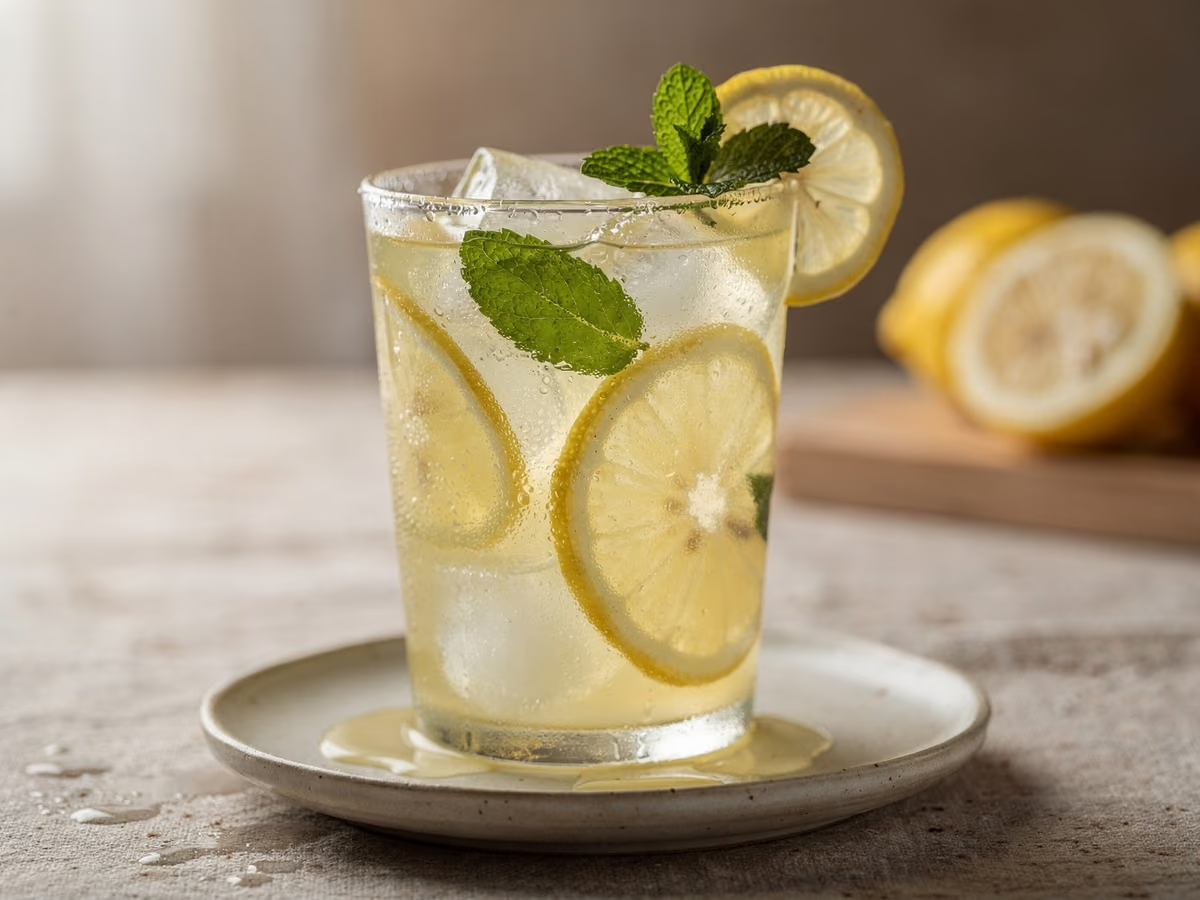
Fill four tall glasses with the 200 g ice cubes — about 50 g per glass, and do not be shy with it. Pour the lemon mint cooler over the ice, garnish each glass with a few extra mint leaves, and serve immediately, while the drink is coldest and the mint is still at its most fragrant.
Why this recipe works
Three small moves separate a great lemon mint cooler from a bitter, watery one. Sucrose dissolves far more readily in warm water, so the sugar is melted into a thin syrup first — dry sugar poured into the pitcher just sinks and grits instead of sweetening evenly. The mint is pressed only until its oil glands release their scent; crushing the leaves tears the veins and spills bitter chlorophyll, and heat would drive the delicate oils off entirely, which is why the mint never meets the saucepan. The drink is built cold and served over a full glass of ice: ice chills by melting, so plenty of it chills the drink fast and dilutes it slowly.
Equipment
- Small saucepan, about 1 liter, for melting the sugar into syrup
- Citrus reamer or hand juicer
- Fine-mesh strainer, for catching pips and pulp as you juice
- Large pitcher, 1.5 liters or larger, with room for the mint and a good stir
- Muddler, or the handle of a wooden spoon for pressing the mint
- Long-handled spoon for stirring
- Digital kitchen scale or a measuring jug
- Four tall glasses, about 350 ml each
Kitchen notes
Kitchen notes
- Choose spearmint over peppermint. The mint sold loose in most markets is spearmint — mild, sweet and the classic choice for a cold drink; peppermint carries far more menthol and can dominate the lemon entirely.
- Roll the lemons before juicing. Room-temperature fruit, pressed firmly on the counter under your palm for a few seconds, releases noticeably more juice than cold lemons straight from the fridge; if yours are chilled, give them ten minutes on the counter first.
- Buy one or two extra lemons. A medium lemon gives roughly 30-45 ml of juice, so 4-5 lemons usually covers the 120 ml — but small, thick-skinned fruit can come up short, and a spare lemon lets you sharpen the pitcher at the end.
- Strain the juice as you go. Pour it through a fine-mesh strainer to catch pips, pulp and stray pith; clear juice keeps the drink from turning cloudy and takes the last trace of peel bitterness with it.
- Chill the glasses in the freezer for ten minutes before pouring, or freeze a handful of the extra mint leaves into the ice cubes — a frosted glass keeps the first pour colder for longer, so less ice melts into the drink.
Common mistakes
- Bitter, grassy-tasting drink: the mint was crushed or shredded while muddling, so the torn veins released bitter chlorophyll. Press the leaves lightly — just until they smell strongly of mint — and if you catch the bitterness early, fish the leaves out and add a little more syrup to round off what remains.
- Gritty syrup pooled at the bottom of the pitcher: dry sugar was stirred into cold water, where it barely dissolves. Dissolve the full 60 g in the warm 60 ml of water until the liquid is completely clear, then let it cool slightly before it meets the pitcher.
- Thin, tepid second glass: the glasses were barely filled with ice, so what ice there was melted fast without chilling the drink through. Fill each glass to the brim with the 200 g of ice — a generously iced glass chills quickly and keeps the temperature down longer.
- Flat, muted lemon taste: bottled juice, or lemons that were juiced cold and unrolled. Juice fresh fruit at room temperature and roll each lemon under your palm first; stale bottled juice forfeits the volatile aromatics that make the drink smell alive.
- The mint darkens and the flavor goes dull overnight: whole leaves left standing in the pitcher keep infusing. Lift the leaves out once the drink has chilled, or add fresh sprigs to the glasses at serving; the base holds for a day, the mint does not.
Serving suggestions
- Serve the moment it is poured, over the full glasses of ice, while the drink is coldest and the mint still smells freshly bruised. This is a fifteen-minute drink, not one to hold.
- The flavors lean Mediterranean, so pair them that way: grilled fish, lamb skewers, falafel or a spread of mezze, and anything off the grill with a little char and salt.
- For a gathering, keep a second pitcher chilled in the fridge and refill glasses as they empty, rather than letting one pitcher sit and warm on the table.
- Finish each glass with a sprig of mint and a thin lemon wheel; the aroma arrives before the first sip, which is half of what makes the drink refreshing.
Variations
- Sparkling lemon mint cooler: replace the 440 ml of still water with sparkling water, added just before serving and stirred once, gently. The drink turns lighter and fizzy — but build it to order, because the bubbles fade within the hour.
- Mint-ice glasses: drop the extra mint leaves into the ice cube trays and freeze them in, so each glass arrives chilled with its garnish built in and the mint perfumes the drink slowly as the cubes melt.
- Crowd-sized pitcher: double or triple every quantity into a bigger pitcher and keep it cold in the fridge, refilling glasses as they empty. The ratio scales cleanly; just keep the mint bruised fresh, in batches, rather than steeping a huge lot for hours.
Refrigerator
- RefrigeratorPour any leftover lemon mint cooler into a covered pitcher or jar and refrigerate within two hours; it keeps for up to 3 days, though the flavor is brightest in the first day and the mint can darken and turn slightly bitter after the second.
- ReheatingThis one is served cold, so there is nothing to reheat — take it straight from the fridge, give it a stir, and pour it over fresh ice; if the mint has gone quiet, brighten the glass with a squeeze of lemon.
- FreezingThe drink separates and thaws watery, so it is not worth freezing as a drink — but the same mix freezes beautifully into popsicles: stir the pitcher so the mint is evenly spread, fill molds, and freeze 4-6 hours until solid; the pops keep for about a month.
- Make aheadMix everything except the ice and the garnish up to 24 hours ahead, cover, and refrigerate; pour over ice and add fresh mint at serving time. Holding it longer than a few hours? Strain the mint out after the first hour so the flavor stays clean, then freshen each glass with new sprigs.
Updated:
How this recipe was developed
- Serious Eats, on muddling mint and herbs — the veins of mint leaves contain chlorophyll, which is bitter; the right technique is pressing the leaves lightly until the kitchen smells minty, never crushing or shredding them.
- Harold McGee, On Food and Cooking — sugar dissolves far more readily in hot water than cold (why the syrup step matters), and the volatile oils that carry a fresh herb's aroma are driven off by heat.
- USDA FSIS, Leftovers and Food Safety — refrigerate perishable drinks within 2 hours (1 hour above 32°C) and keep leftovers 3 to 4 days.
- America's Test Kitchen, why dilution is key to chilling drinks — ice chills a drink by melting, so cooling and dilution happen together; a generous glass of ice gets a drink colder than a lone cube.
Editorial references are kept internally for verification. This page makes no claim of external certification or professional testing.
FAQ
The questions we get asked most
What is a lemon mint cooler made of?
The drink is four things plus ice: 120 ml of freshly squeezed lemon juice (about 4-5 lemons), 20 g of fresh mint leaves lightly bruised, a thin syrup made from 60 g of sugar and 60 ml of water, and the remaining 440 ml of cold water — poured over 200 g of ice in four glasses. Nothing else is required; as written it is vegan, gluten-free and dairy-free, and the sweetness is deliberately light so the lemon leads.
Why did my lemon mint cooler turn bitter?
Almost always the mint. Crushing or shredding the leaves while muddling tears the veins and releases chlorophyll, which tastes green and bitter, and letting the leaves sit in the pitcher for days does the same thing slowly. Press the mint gently, just until it is fragrant, and lift the leaves out once the drink is chilled; if the bitterness has already crept in, a little extra syrup and a squeeze of lemon will blunt it.
Can I make a lemon mint cooler ahead of time?
Yes — mix the lemon juice, water, syrup and mint up to 24 hours ahead and refrigerate, covered. For the brightest flavor, strain the mint out after the first hour and add fresh leaves to the glasses at serving; also wait to add ice, since it only dilutes as it waits.
How long does a lemon mint cooler last in the fridge?
Up to 3 days in a covered pitcher, though it is at its best within the first day. The mint darkens and the flavor can turn slightly bitter after 2 days, so for anything beyond tomorrow, strain the leaves out. Keep it refrigerated the whole time — within 2 hours of mixing — and stir before pouring over fresh ice.
How do I adjust the sweetness, and can I use honey or agave?
Taste the pitcher before the ice goes in: if it is too tart, stir in more of the syrup (or a little extra sugar dissolved in warm water); if it is too sweet, loosen it with a splash more lemon juice or water. Honey or agave work as stand-ins for the sugar — use 45 ml and adjust to taste — and both add their own flavor, honey faintly floral, agave more neutral.
Is a lemon mint cooler the same as limonana or mint lemonade?
Close cousins: all three are built on fresh lemon juice, mint, sugar and cold water. Limonana is the Levantine name for the combination, usually blended with ice into a slush; mint lemonade can be still or fizzy and often runs sweeter. This lemon mint cooler is the still, pitcher-built style — a light syrup, gently bruised mint and plenty of ice, served in glasses the moment it is coldest.
Can I freeze a lemon mint cooler into popsicles?
Yes, and it works better as a popsicle than as a thawed drink, which separates and turns watery. Stir the pitcher so the mint is evenly spread, pour into popsicle molds, and freeze for 4-6 hours until solid; the pops keep for about a month. The mint may settle toward the top, so a quick stir before freezing pays off.
Ask KitchenMind about this recipe
Tell it what’s different tonight — it works within the actual recipe.