Mapo Tofu
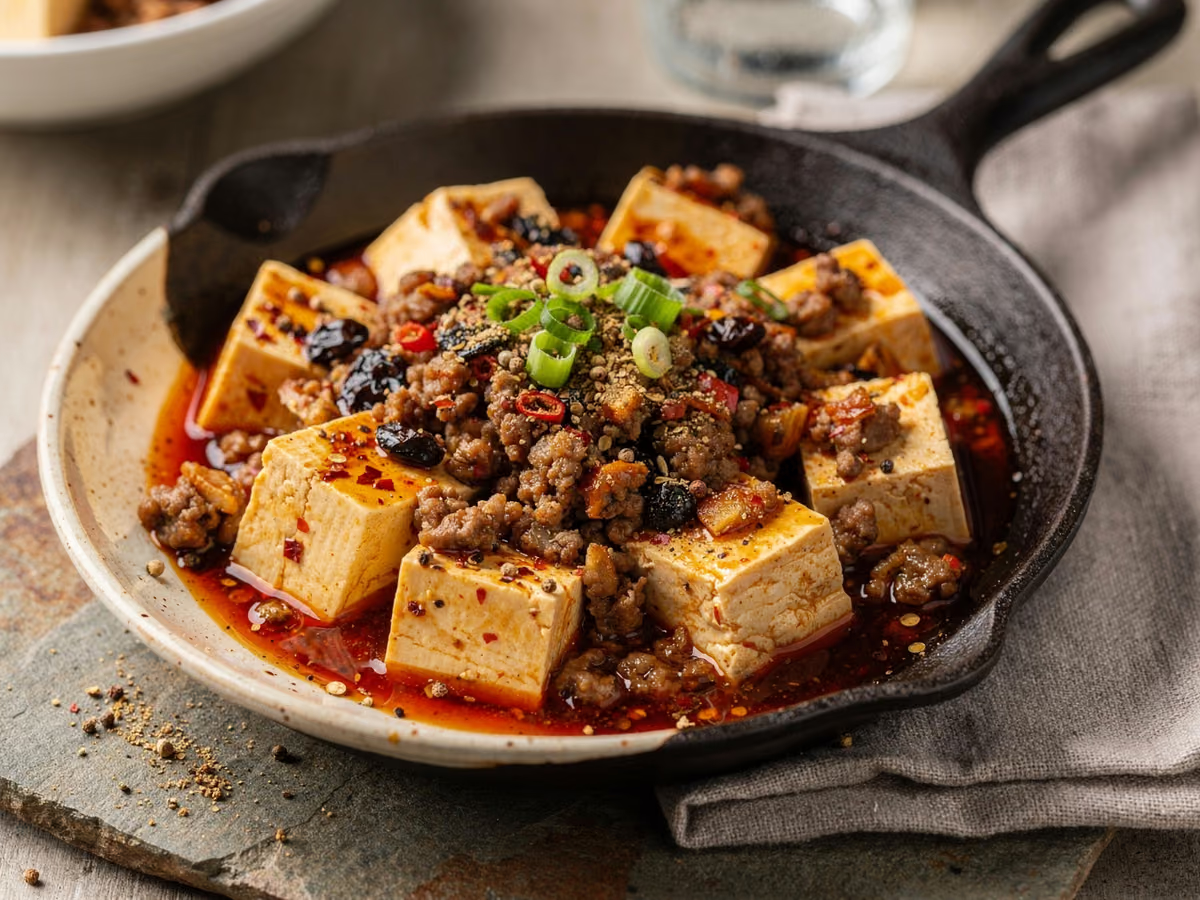
Mapo tofu is Sichuan's signature tofu dish: cubes of silken tofu simmered in a glossy, fiery sauce built on doubanjiang and fermented black beans, with garlic, ginger, and halal ground beef for savoriness. Created in Chengdu in 1862 and named for the cook locals called Ma Po, it is defined by mala, the numbing tingle of Sichuan peppercorns layered over chili heat. This version follows the classic method and serves four in about 35 minutes, most of it hands-off simmering. Serve it over steamed rice.
- Prep
- 15 min
- Cook
- 20 min
- Total
- 35 min
- Serves
- 4
Ingredients
What you’ll need — tap to tick off as you go
- 450 g
- 250 g
- 2 tbsp
- 1 tbsp
- 250 ml
- 1 tbsp
- 1 tsp
- 3 cloves
- 1 tbsp
- 1 tsp
- 1 tbsp
- 2 tbsp
- 1 tsp
Process
Timers built in · swap anything · ask as you cook
Gently cut the 450 g of silken tofu into 2 cm cubes and set them aside, using a sharp knife and almost no pressure so the cubes do not crack before they ever reach the pan. In a small bowl, stir the 250 ml chicken broth with the 1 tbsp soy sauce and 1 tsp sugar until the sugar dissolves; this becomes the braising liquid, and dissolving it now avoids gritty patches later.
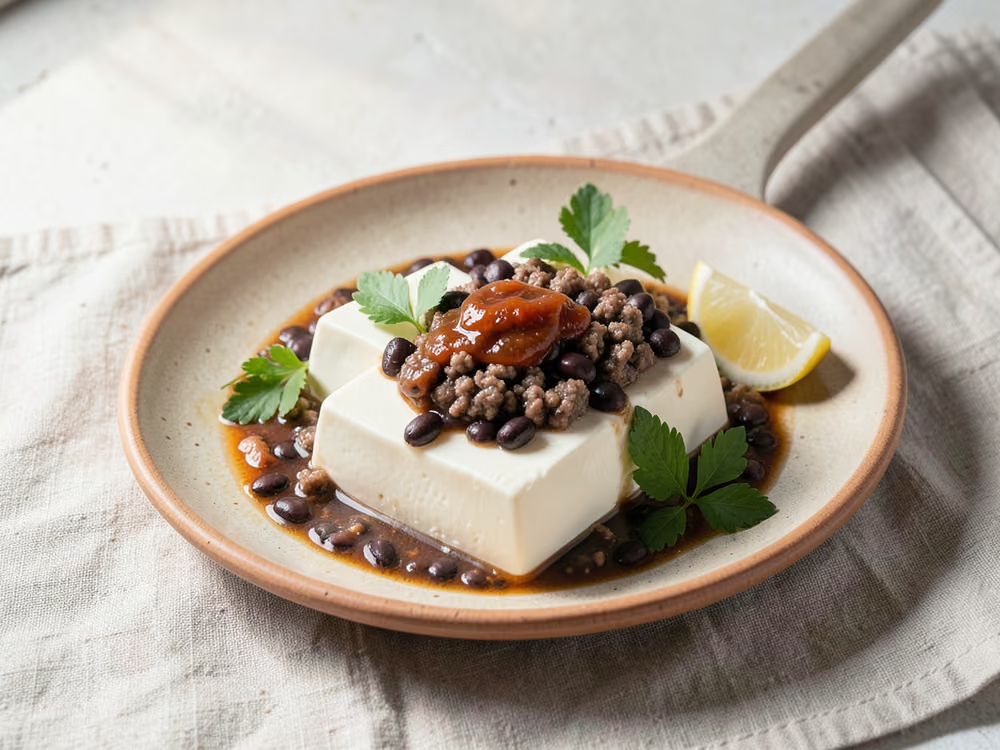
Heat the 2 tbsp vegetable oil in a wok or large skillet over medium heat. Add the 250 g ground beef and cook for about 5 minutes, breaking it into small crumbles with your spatula, until it is browned through with no pink left; fully browned beef (71°C if you check) is what keeps the sauce savory rather than greasy.
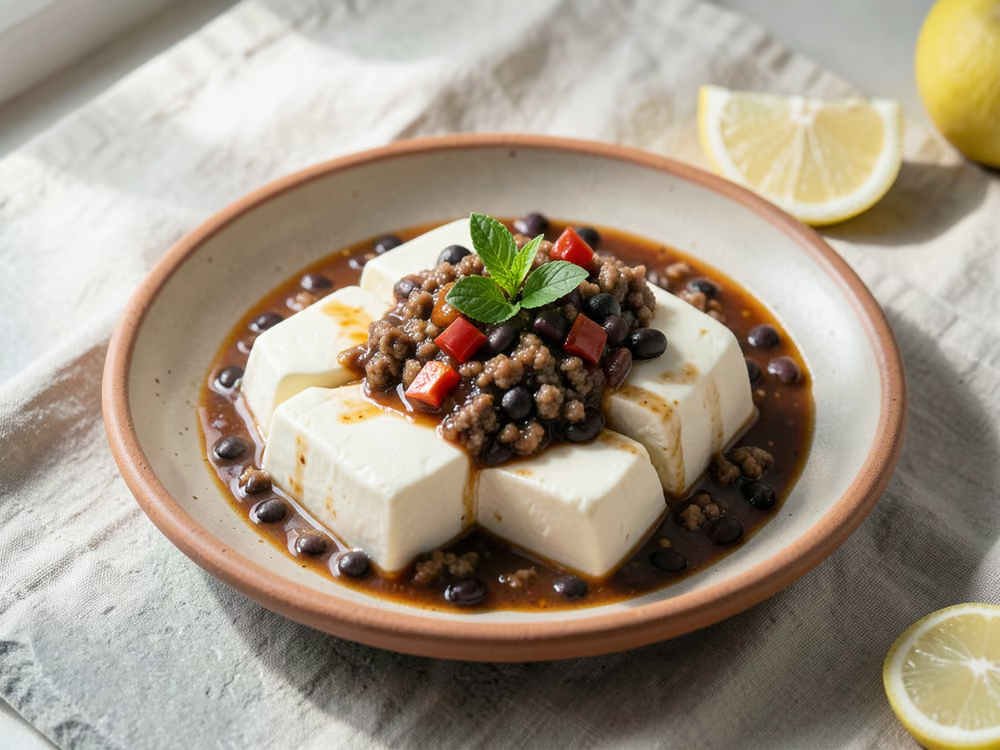
Add the 3 minced garlic cloves, the 1 tbsp minced ginger, and the minced white parts of the 3 scallions. Stir-fry for 1 minute, until the raw bite is gone and the aromatics smell sweet; keep the heat moderate so the garlic turns fragrant and pale gold, never brown.
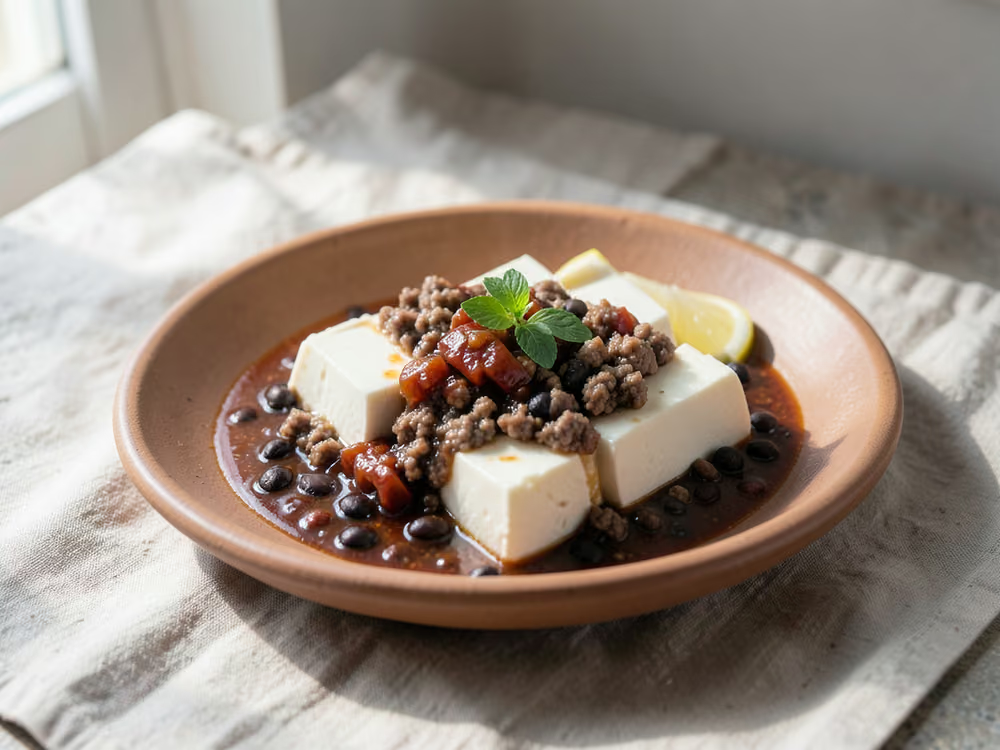
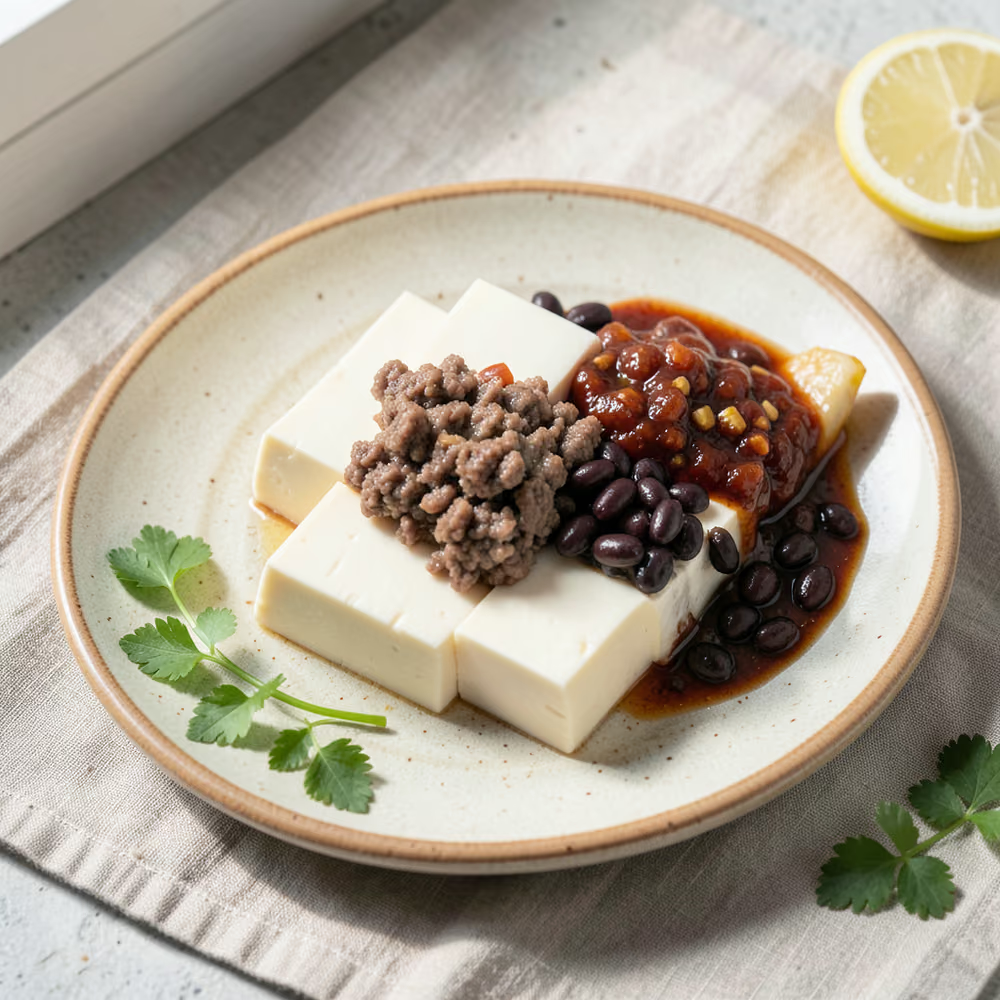
Add the 2 tbsp doubanjiang and the 1 tbsp fermented black beans. Stir-fry for a full 2 minutes, pressing and scraping, until the paste darkens and the oil turns deep red; this fry is what dissolves the paste's flavor into the fat and cooks off its raw, fermented edge.
Pour in the broth mixture and bring it to a gentle simmer, scraping up anything stuck to the pan. Let it cook for 2 minutes so the liquid picks up the chili-bean base and the flavors marry; taste it now, before the tofu goes in, since doubanjiang brands vary in salt and heat.
Slide the tofu cubes in, easing them off the spatula so they settle in a single layer. Nudge them gently, pushing from the edge of the pan toward the center rather than stirring, to coat them in sauce, then simmer for 5 minutes. The cubes are done when they jiggle softly and a chopstick slides through with no resistance; never let the pot boil hard, or the tofu tears and weeps.
Stir the cornstarch slurry, 1 tbsp cornstarch whisked with 2 tbsp water, once more, because it settles within minutes, then pour it in while stirring gently. Cook for 1 to 2 minutes, until the sauce thickens and hugs the tofu: it should cling to each cube and coat the back of a spoon in a glossy red jacket.
Turn off the heat, then scatter the 1 tsp ground Sichuan peppercorns over the top and drizzle with the 1 tsp toasted sesame oil. Both go in off the flame on purpose: the tingle and the toasted aroma live in volatile oils that fade with more heat.
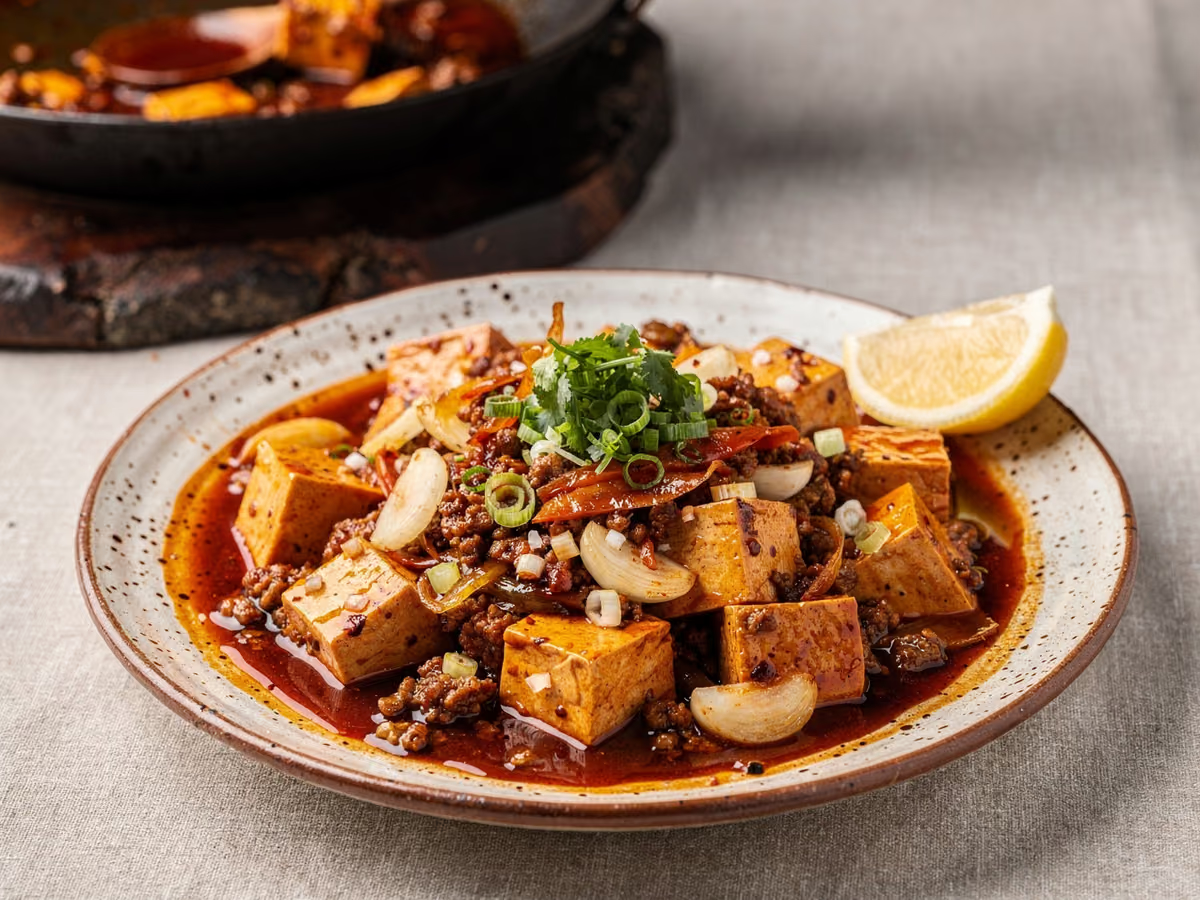
Scatter over the sliced green scallion tops and serve hot with steamed rice. Rice is the traditional partner for the mala heat, and silken tofu waits for no one, so carry the pan straight to the table while the sauce is glossy and the tingle is at its brightest.
Why this recipe works
Three mechanics make a proper mapo tofu. First, the doubanjiang and fermented black beans fry in the oil for a full 2 minutes: chili pigments and fermented aromatics are fat-soluble, so the oil turning deep red is flavor moving into the fat while the paste's raw edge cooks off. Second, silken tofu is a delicate, water-rich gel, so it stays at the barest simmer, because turbulence tears it, not temperature. Third, the cornstarch slurry thickens only as its granules swell and gelatinize in the hot sauce, giving the braise the glossy body that clings to every cube. Sichuan peppercorns and sesame oil go in off the heat, because both are aroma-first.
Equipment
- Wok or large skillet with a wide, flat base, wide enough to hold the tofu in a single layer so the cubes are not piled up and crushed
- Wok spatula or wide slotted spoon, for sliding under the tofu and pushing it from the edge of the pan toward the center instead of stirring
- Small bowl, for stirring the broth, soy sauce, and sugar together before cooking starts
- Small bowl or cup, for the cornstarch slurry
- Measuring spoons and a measuring cup
- Chef's knife and cutting board; a sharp blade cuts silken tofu cleanly, where a dull one drags and cracks the cubes
- Spice grinder or mortar and pestle, for grinding the Sichuan peppercorns fresh
Kitchen notes
Kitchen notes
- Canned fermented black beans work fine: rinse them well to tame the salt and chop them finely. Frozen ground beef is fine too, as long as it is fully thawed and drained of excess liquid before it hits the pan.
- Grind the Sichuan peppercorns fresh, ideally in the last minutes before serving: the tingle lives in volatile oils, and a jar of pre-ground pepper smells dusty within weeks.
- Taste the sauce after the broth simmers and before the tofu goes in. Doubanjiang brands swing widely in both salt and heat, and that moment is your one clean chance to adjust with a pinch of sugar or a splash more broth.
- Warm the serving bowls and carry the dish straight to the table; silken tofu releases heat quickly once it leaves the pan, and mapo tofu is at its best served steaming, while the sauce is at its glossiest.
- Do not treat silken tofu like block tofu: no draining, no pressing, no weight on top. Its custard set is the point of the dish, and it only needs gentle hands, not water wrung out of it.
Common mistakes
- Torn, crumbling tofu: the cubes were stirred in circles or the pot boiled hard, and silken tofu cannot take that turbulence. Slide the cubes in on a spatula, push them from the edge of the pan toward the center instead of stirring, and hold a bare simmer with a few lazy bubbles at the rim, never a rolling boil.
- A watery sauce: the tofu was rushed, or the slurry went in before the dish was ready for it. Simmer the tofu the full 5 minutes first, then stir the settled slurry and add it last, cooking 1 to 2 minutes more until the sauce coats the back of a spoon; if it is still loose, 1 tsp cornstarch stirred into 1 tbsp cold water and added off the heat will pull it together.
- A flat, raw-tasting sauce: the doubanjiang and fermented black beans were rushed through the pan. They need the full 2 minutes in the oil until it turns deep red; cutting this short leaves the fermented edge harsh and the whole dish tasting thin.
- Greasy sauce with grey flecks of meat: the ground beef was pulled before it browned through, so it gave up fat without building flavor. Cook it about 5 minutes, breaking it apart, until no pink remains and a thermometer reads 71°C if you check; underdone beef leaves the sauce slick and dull.
- Lumpy, streaky sauce: the cornstarch settled in its bowl before it hit the pan, or it was dumped in one spot. Stir the slurry again right before use, pour it in a slow stream while stirring gently, and cook the full 1 to 2 minutes so the starch finishes swelling.
Serving suggestions
- Steamed white rice is the classic landing pad: mound it in warm bowls and spoon the mapo tofu over the top so the grains catch the sauce.
- A cool, crisp counterpoint sharpens the mala: a smashed cucumber salad, blanched greens, or quick-pickled vegetables alongside.
- For a different base, ladle it over plain noodles, or set out scallion pancakes for scooping instead of the rice.
- Serve straight from the pan while it is bubbling at the edges, with extra ground Sichuan pepper at the table for anyone who wants a sharper tingle.
Variations
- Plant-based: swap the ground beef for the same 250 g of finely chopped shiitake or a plant-based mince, and add a splash more soy sauce at the tasting stage; the sauce reads lighter and less meaty, so the fermented notes step forward.
- Gentler heat: halve the doubanjiang and change nothing else; the dish keeps its savory, aromatic frame with a milder burn, and chili oil at the table lets each person raise the stakes.
- Extra tingle: finish with a second dusting of ground Sichuan peppercorns at the table, or grind a pinch over each bowl as it is served; the pepper's tingle hits first and fades, so a fresh top-up tastes brighter than cooking in more.
Refrigerator
- RefrigeratorCool it quickly by spreading the mapo tofu into a shallow container so it stops steaming fast, and refrigerate within 2 hours. It keeps 3 to 4 days; the tofu will release a little more water as it sits, which thins the sauce but does not spoil it.
- ReheatingReheat gently on the stovetop over medium-low heat, adding 1 to 2 tbsp of broth or water if the sauce has tightened, until steaming hot throughout (74°C). Avoid the microwave where you can: hard, fast reheating makes the silken tofu spongy and the sauce grainy.
- FreezingNot recommended. Freezing turns silken tofu spongy and makes the sauce separate and weepy, so the leftovers lose what makes the dish good. If you must, freeze the sauce without the tofu and simmer fresh cubes into it after reheating.
- Make aheadPrep up to 1 day ahead: mince the garlic, ginger, and scallions, mix the broth with the soy sauce and sugar, and grind the peppercorns, keeping everything covered in the fridge. Cook the dish fresh where you can; if you cook it early, cool it quickly and reheat gently, adding the peppercorn and sesame oil only after.
Updated:
How this recipe was developed
- Wikipedia, Mapo tofu: the dish's Chengdu origins in the 1860s, its doubanjiang, fermented black bean and Sichuan peppercorn identity, and the mala flavor profile
- The Woks of Life, Ma Po Tofu: authentic preparation, including browning the beef, frying the chili bean paste, gentle handling of the tofu, and the finishing ground Sichuan peppercorn
- Red House Spice, Mapo tofu the authentic way, and the Sichuan chili bean paste guide: frying the paste to release its flavor, silken versus soft tofu guidance, and the wheat in doubanjiang behind the gluten question
- USDA FSIS, Leftovers and Food Safety: ground meats cooked to 71°C, leftovers refrigerated within 2 hours and kept 3 to 4 days, and reheated to 74°C
Editorial references are kept internally for verification. This page makes no claim of external certification or professional testing.
Gallery
FAQ
The questions we get asked most
What is mapo tofu made of?
Cubes of tofu simmered in a spicy, numbing Sichuan sauce. This version sets 450 g of silken tofu in a braise of 2 tbsp doubanjiang (fermented chili bean paste), 1 tbsp fermented black beans, 250 ml chicken broth, 250 g of halal ground beef, garlic, ginger, and scallions, finished with ground Sichuan peppercorns and toasted sesame oil. The name, sometimes written ma po tofu or mapo doufu, comes from the pockmarked Chengdu cook locals called Ma Po, credited with the dish in 1862, and the defining flavor is mala: peppercorn tingle over chili heat.
What does mala mean, and how spicy is mapo tofu?
Mala is the signature Sichuan pairing of ma, the gentle electric tingle of Sichuan peppercorns, with la, the chili burn; neither works alone. Here the la comes from the 2 tbsp of doubanjiang and the ma arrives at the finish with the ground peppercorns, so the dish builds warmth and buzz together rather than flat heat. For a milder pot, cut the doubanjiang down and use less peppercorn; for more burn, add chili flakes with the aromatics and pass extra peppercorn at the table.
Why is my mapo tofu watery?
Usually one of two things: silken tofu keeps releasing water as it sits, or the cornstarch slurry was added too early, or settled in its bowl and never did its job. Simmer the tofu the full 5 minutes, stir the slurry once more just before pouring it in, and cook 1 to 2 minutes until the sauce coats a spoon. If it is still loose, whisk 1 tsp cornstarch with 1 tbsp cold water and stir it in off the heat.
How do I keep the tofu from breaking?
Handle the cubes like something fragile, because they are. Slide them into the sauce on a spatula, then push them gently from the edge of the pan toward the center instead of stirring in circles, and keep the pot at a bare simmer with one or two bubbles at the rim. Five minutes is enough: the cubes are ready when they jiggle softly and a chopstick slides through with no resistance.
Can I make mapo tofu ahead of time?
You can prep ahead generously: mince the aromatics, stir the broth mixture, grind the peppercorns, and refrigerate it all, covered, for up to 1 day. The dish itself is best cooked close to serving, because silken tofu softens and weeps the longer it sits in the sauce. If you must cook it early, cool it within 2 hours, refrigerate it, and reheat gently until steaming (74°C), adding the peppercorn and sesame oil only after.
Can I use firm tofu instead of silken tofu?
Yes, with a texture change: firm or medium-firm block tofu holds its shape with far less babying, but the result is dense rather than custardy. Press it for 15 minutes under a weighted plate, cut it into 2 cm cubes, and simmer the full 5 minutes; it releases less water than silken, so the sauce needs no adjustments and the cubes can take an occasional gentle stir.
Is mapo tofu gluten-free?
Not as written. Doubanjiang is usually fermented with wheat flour, and standard soy sauce is brewed with wheat, so both carry gluten. For a gluten-free pot, look for a doubanjiang labeled gluten-free, since some brands use rice flour, and swap in the same 1 tbsp of tamari for the soy sauce; check the fermented black beans' jar too. Everything else here, from the tofu and beef to the broth and cornstarch, is naturally gluten-free.
Ask KitchenMind about this recipe
Tell it what’s different tonight — it works within the actual recipe.