Nopales Cactus Salad
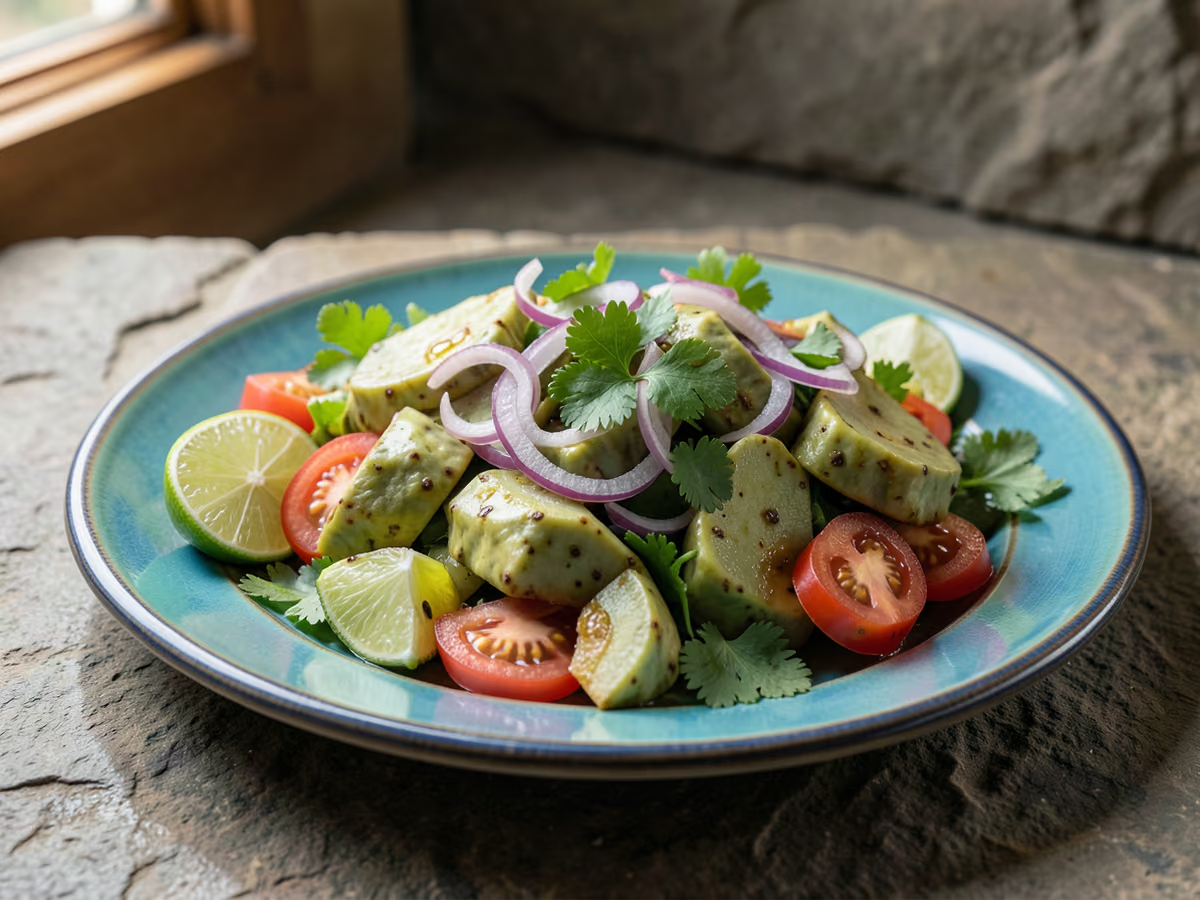
Ensalada de nopales is a Mexican cactus-paddle salad: strips of tender nopal tossed with ripe tomatoes, red onion, cilantro, and a bright lime dressing, then finished with crumbled queso fresco. The one step that decides the dish is the blanch — eight to ten minutes in salted water followed by a cold rinse, which washes away the sticky mucilage called baba that makes nopales slimy when they are rushed. It is about 15 minutes of prep and a 10-minute boil, and a short chill lets the flavours settle before the salad goes to the table.
- Prep
- 15 min
- Cook
- 10 min
- Total
- 40 min
- Additional time
- 15 min
- Serves
- 4
Ingredients
What you’ll need — tap to tick off as you go
- 15 g
- 2 tbsp
- ½ tsp
- ¼ tsp
- 60 g
Process
Timers built in · swap anything · ask as you cook
Rinse the strips of the 4 paddles under cold water and pick through them for any spines or tough edges left from trimming. The strips should be an even 1 cm so they cook at the same rate; thick and thin pieces in one pot leave you with soft strips and crunchy ones in the same bowl.
Bring a medium pot of salted water to a boil, add the nopales, and simmer for 8 to 10 minutes. Skim off the mucilage that rises to the surface as they cook: that sticky film is the baba leaving the strips, which is exactly what you want it to do.
Drain the nopales in a colander and rinse them under cold running water, turning the strips, until the slippery coating is gone and they feel cool to the touch. The rinse removes the last of the baba and stops the cooking, which is what keeps the strips snappy rather than soft.
While the nopales cook, dice the 2 tomatoes, thinly slice the half red onion, chop the 15 g cilantro, and juice the 2 limes. Have everything ready before the strips come out of the pot, so the salad comes together in a single toss once they are drained and cool.
Add the cooled nopales to the bowl with the tomatoes, onion, and cilantro, then drizzle over the 2 tbsp olive oil and the lime juice and sprinkle with the 1/2 tsp salt and the 1/4 tsp black pepper. Toss gently but completely — the strips bruise easily, so lift them from the bottom rather than stirring hard.
Crumble the 60 g queso fresco over the top, if using, and serve, or cover and chill for 15 minutes to let the flavours mingle. Bring the salad back toward room temperature before it goes to the table: served ice-cold, the lime and cilantro flatten out and the salad tastes dull.
Why this recipe works
Nopales belong to the same family of problem vegetables as okra: cutting the paddles exposes a mucilaginous sap, baba, which thickens as the pieces meet heat. The simmer draws that sap out of the strips and into the water, and the cold rinse afterwards does two jobs — it washes the loosened baba off and stops the cooking, so the strips keep a bite instead of collapsing. What is left is tender, faintly tart and faintly vegetal, with the snap of an al dente green bean. Lime and salt do the rest: the acid lifts those mild, tangy notes, and the salt draws juice from the tomatoes and onion so the salad dresses itself in the bowl.
Equipment
- Medium saucepan or pot, 2 to 3 litres
- Colander
- Large mixing bowl
- Chef's knife and cutting board
- Kitchen tongs, for holding a paddle steady while you trim it
- Vegetable peeler or small paring knife, for scraping the spines off the pads
- Citrus reamer or fork, for juicing the limes
- Kitchen gloves, if your skin is sensitive to the spines
Kitchen notes
Kitchen notes
- Buy the paddles pre-cleaned if you can; if you trim them yourself, hold each one with tongs and shave off the spiny nodes with a peeler or paring knife over the sink, because the spines scatter.
- Do not chase a bright green salad: nopales fade from lime green to olive as they cook, and that colour change is your doneness cue, not a fault.
- Skim the pot a few times while the nopales simmer; mucilage that collects on the surface can settle back onto the strips if it is left there.
- Salt the salad in two stages: the half teaspoon before the cheese goes on, and more only if it still needs it. The queso fresco is a seasoning as much as a garnish.
- Rest the dressed salad briefly, about 15 minutes, so the lime softens the onion and seasons the strips, then let it sit out of the fridge for a few minutes before serving; nopales salad tastes flat when it is very cold.
Common mistakes
- A slimy salad: the strips were undercooked or rushed out of the pot. Simmer the full 8 to 10 minutes, skim while they cook, and rinse them cold until the surface no longer feels slippery.
- Mushy nopales: overcooked, or left sitting in the hot water after the timer. Drain and rinse the moment the strips are tender but still firm; they should feel like an al dente green bean, not a cooked one.
- A weeping bowl: wet strips and juicy tomatoes release liquid as they stand. Drain the nopales well after rinsing, and if the salad will wait longer than half an hour, fold the tomatoes in just before serving instead.
- Over-salted salad: the queso fresco is salty and the strips keep taking on seasoning as they sit. Add the 1/2 tsp salt, taste with the cheese, and only then decide whether more is needed.
- Harsh raw onion: thick slices of red onion dominate everything else. Slice it paper-thin, or soak the slices in cold water for five minutes and drain them before they go into the bowl.
- Strips that keep oozing slime after dressing: nopales go on releasing a little baba as they stand. If it happens, tip the salad into a colander, rinse and drain it, then re-dress with a little fresh lime and oil.
Serving suggestions
- As a side with grilled meats, tacos, or a pot of beans, where its bright acidity cuts through rich, smoky dishes.
- A light lunch with warm corn tortillas, or spooned onto tostadas with a little extra cheese.
- With eggs: alongside scrambled eggs, or folded into an omelette the next morning.
- Serve at room temperature or barely chilled; straight from the fridge the salad tastes flat, so give it a few minutes on the counter first.
Variations
- Grilled nopal salad: brush whole paddles with oil and salt and grill them over a medium-hot fire until blotchy brown and completely limp, about 4 minutes per side; cool, cut into strips, and dress as written.
- Sautéed nopales: cook the strips with a little oil, salt, and sliced onion in a covered pan until the baba cooks off and the pan starts to sizzle; cool and finish the same way, for a firmer, less waterlogged salad.
- Spicier and herby: add a minced serrano or jalapeño with the lime, or a pinch of dried Mexican oregano to the bowl; both are common additions in different regions of Mexico.
- Vegan version: leave out the queso fresco. The nopales, tomato, onion, cilantro, lime, and oil are the whole dish then, and nothing else needs changing.
Refrigerator
- RefrigeratorCovered and refrigerated within 2 hours of serving, per USDA FSIS guidance for perishable food, the salad is best on the first day and keeps 2 days; the strips soften and the bowl collects liquid as it stands. USDA FSIS allows 3 to 4 days for refrigerated leftovers generally, but plan to finish this salad sooner. Drain before serving.
- ReheatingNone. This is a cold salad, and heating it would ruin the texture of the strips and the fresh vegetables.
- FreezingNot recommended. The strips turn limp and watery when thawed and the tomatoes collapse, so the salad loses everything that makes it good.
- Make aheadBoil, rinse and chill the nopales up to a day ahead, and keep the cut tomatoes, onion, and cilantro separate until then. Dress the salad shortly before serving and crumble the cheese over at the table; once dressed it needs only a 15-minute rest.
Updated:
How this recipe was developed
- Rick Bayless, 'Nopal Cactus Salad' — nopal mucilage (baba) behaviour, boiling versus dry-pan and grilled cooking methods, the al dente green bean texture, and small paddles being the most tender
- Mexican Food Journal, 'Authentic Cactus Salad Recipe (Ensalada de Nopales)' — the boil-and-skim method, about 10 minutes so the cactus keeps a little crunch, the bright-to-dark colour cue, the cold rinse stopping the cooking, 2-day fridge life, and serving at room temperature
- Isabel Eats, 'Ensalada de Nopales' — simmering for 10 minutes and rinsing off the slimy residue, panela or cotija as cheese swaps, jarred nopales as a shortcut, and storage guidance
- USDA FSIS, 'Leftovers and Food Safety' — refrigerate perishable leftovers within 2 hours, and discard perishable food left out longer than 2 hours
Editorial references are kept internally for verification. This page makes no claim of external certification or professional testing.
FAQ
The questions we get asked most
Why is my nopales salad slimy?
The strips release a sticky sap called baba when they are cut and heated. Boil them the full 8 to 10 minutes in salted water, skim the pot as they cook, then rinse them under cold running water until the surface no longer feels slippery. Nopales can keep leaching a little baba as they stand, so if the bowl turns sticky later, rinse and drain the strips and dress them again.
How do I know when the nopales are cooked?
Two cues: the strips turn from bright green to olive green, and they feel tender at the edges but still firm in the middle, the texture of an al dente green bean. Here that lands at 8 to 10 minutes. If they are soft all the way through, they have gone too far.
Can I use canned or jarred nopales?
Yes, and they save the whole boiling step: drain and rinse the cooked strips, then toss them with the rest of the salad. They are softer than fresh-cooked nopales and often packed with salt, so hold back some of the added salt and taste first.
Can I make ensalada de nopales ahead of time?
Partly. The nopales can be boiled, rinsed, and chilled up to a day ahead, and the vegetables can be cut and kept separately. Toss the salad with the lime and oil shortly before serving and add the cheese at the table; it is at its best on the day it is made, though leftovers keep 2 days in the fridge.
Is nopales salad vegan?
Without the optional queso fresco, yes: the nopales, tomatoes, onion, cilantro, lime, and olive oil are the whole recipe, and every one of them is plant-based. With the cheese crumbled over the top it is vegetarian, not vegan.
What do nopales taste like?
Mild, slightly tart and a little vegetal, closer to green beans or a tender pepper than to anything cactus-like. The texture is the distinctive part: crunchy-tender strips with a lightly viscous finish that the boil-and-rinse step tames. If you like okra or green beans, you will like nopales.
How do I clean fresh cactus paddles?
Hold each paddle with tongs and trim the outline, including the blunt base, then scrape the spiny nodes off both flat sides with a peeler or a paring knife; do it over the sink, because the spines scatter. Most grocery stores sell paddles already cleaned, which removes this job entirely.
Ask KitchenMind about this recipe
Tell it what’s different tonight — it works within the actual recipe.