- Prep
- 20 min
- Cook
- 20 min
- Total
- 40 min
- Serves
- 4
Ingredients
What you’ll need — tap to tick off as you go
- 150 g
- 2 tbsp
- 1 tbsp
- 1 tsp
- 1 tsp
- ½ tsp
- ½ tsp
- 1 tsp
- 2 tbsp
- 80 ml
- 500 ml
Process
Timers built in · swap anything · ask as you cook
In a large bowl, combine the sliced onions, gram flour, rice flour, cornstarch, ground cumin, ground coriander, turmeric, red chili powder, salt and chopped cilantro (if using). Mix well with your hands or a spoon until the onions are evenly coated.
Sprinkle the cold water over the mixture a little at a time, stirring gently after each addition. Stop adding water as soon as the mixture holds together when squeezed; you may not need all of it. The batter should be thick and sticky, not runny.
Let the mixture rest for 10 minutes at room temperature. This allows the onions to release their moisture and the flours to hydrate, which helps the bhajis hold together.
While the mixture rests, heat the vegetable oil in a deep, heavy-bottomed pan over medium heat until it reaches 170°C. If you do not have a thermometer, drop a small piece of batter into the oil; it should sizzle and rise to the surface within a few seconds without browning too quickly.
Take about 2 tablespoons of the onion mixture and gently shape it into a rough ball or patty with your hands or two spoons. Carefully lower it into the hot oil. Repeat with a few more bhajis, taking care not to overcrowd the pan.
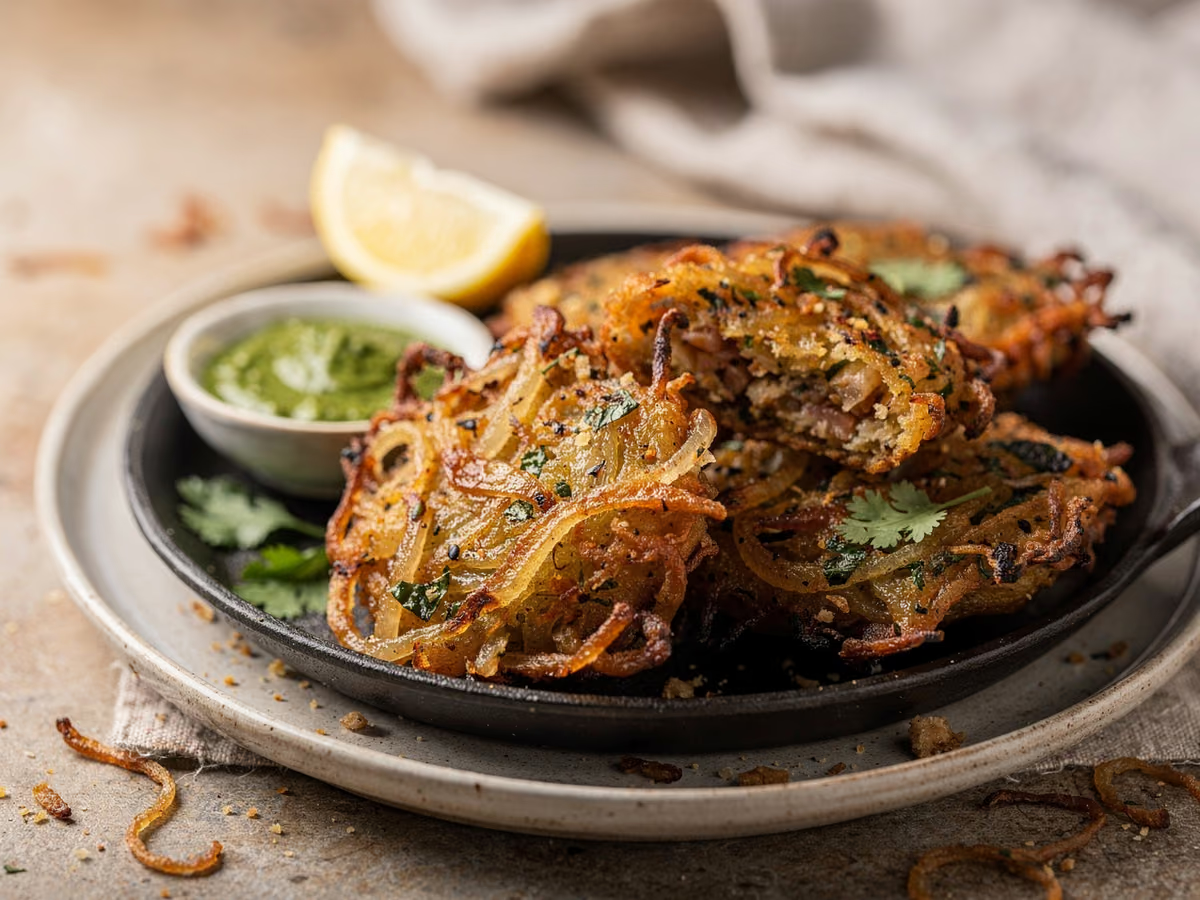
Fry the bhajis for 3 to 4 minutes per side, turning occasionally, until they are deep golden brown and crisp. Adjust the heat as needed to keep the oil at a steady temperature; if the oil is too hot, the outside will burn before the inside cooks.
Use a slotted spoon to transfer the fried bhajis to a plate lined with paper towels to drain excess oil. Repeat with the remaining mixture, keeping the cooked bhajis warm in a low oven if desired.
Serve the onion bhajis hot with your favorite chutney or dipping sauce.
Kitchen notes
Kitchen notes
- The most common mistake is adding too much water. The onions release moisture as they sit, so start with less water than you think you need and add more only if the mixture is too dry to hold together.
- For extra crispiness, make sure the oil is at the right temperature (around 170°C). If the bhajis brown too quickly, the inside will be raw; if they absorb oil and stay pale, the oil is not hot enough.
- Do not overcrowd the pan; frying in batches ensures the oil temperature stays stable and the bhajis become evenly crisp.
- If the mixture becomes too wet after resting, add a little more gram flour to bind it.
Substitutions
- gram flour→chickpea flour
- rice flour→cornstarch
- vegetable oil→sunflower oil or canola oil
Storage & reheating
Store leftover onion bhajis in an airtight container in the refrigerator for up to 3 days. To reheat, place them on a baking sheet in a preheated oven at 180°C for 5-7 minutes, or until heated through and crisp again. Avoid microwaving, as it will make them soggy. For longer storage, freeze the fried bhajis in a single layer on a baking sheet, then transfer to a freezer bag; they keep for up to 2 months. Reheat from frozen in a 200°C oven for 10-12 minutes.
FAQ
The questions we get asked most
Why did my onion bhajis fall apart in the oil?
The mixture was likely too wet or not rested long enough. The onions release water as they sit, so if you add too much water initially, the batter becomes too thin. Let the mixture rest for 10 minutes, then if it still feels loose, add a tablespoon more gram flour to bind it. Also, make sure the oil is hot enough (around 170°C) so the bhajis set quickly.
Can I make onion bhaji batter ahead of time?
Yes, you can prepare the mixture up to 2 hours in advance and keep it covered in the refrigerator. However, the onions will continue to release moisture, so you may need to add a little extra gram flour before frying. For best texture, fry them fresh.
How do I know when the oil is at the right temperature for frying?
If you have a thermometer, the oil should read 170°C. Without one, drop a small piece of batter into the oil; it should sizzle and rise to the surface within a few seconds. If it browns immediately, the oil is too hot; if it sinks and does not sizzle, it is too cold.
Can I bake onion bhajis instead of frying?
Yes, for a lower-oil version, shape the mixture into patties and place them on a baking sheet lined with parchment paper. Brush lightly with oil and bake at 200°C for 15-20 minutes, flipping halfway, until golden and crisp. They will be slightly drier than fried ones.
Why are my onion bhajis soggy?
Sogginess usually comes from oil that is not hot enough or from overcrowding the pan, which lowers the oil temperature. Fry in small batches and maintain the temperature. Also, drain the bhajis well on paper towels after frying.
Can I use regular flour instead of gram flour?
Gram flour (besan) is traditional and gives the characteristic flavor and texture. If you must substitute, you can use chickpea flour, which is the same thing. Regular wheat flour will work but will result in a denser, less authentic bhaji.
How do I reheat onion bhajis without making them soggy?
The best way is to reheat them in an oven at 180°C for 5-7 minutes, which restores crispness. Avoid microwaving, as it steams them and makes them soft. If frozen, reheat from frozen at 200°C for 10-12 minutes.
Ask KitchenMind about this recipe
Tell it what’s different tonight — it works within the actual recipe.