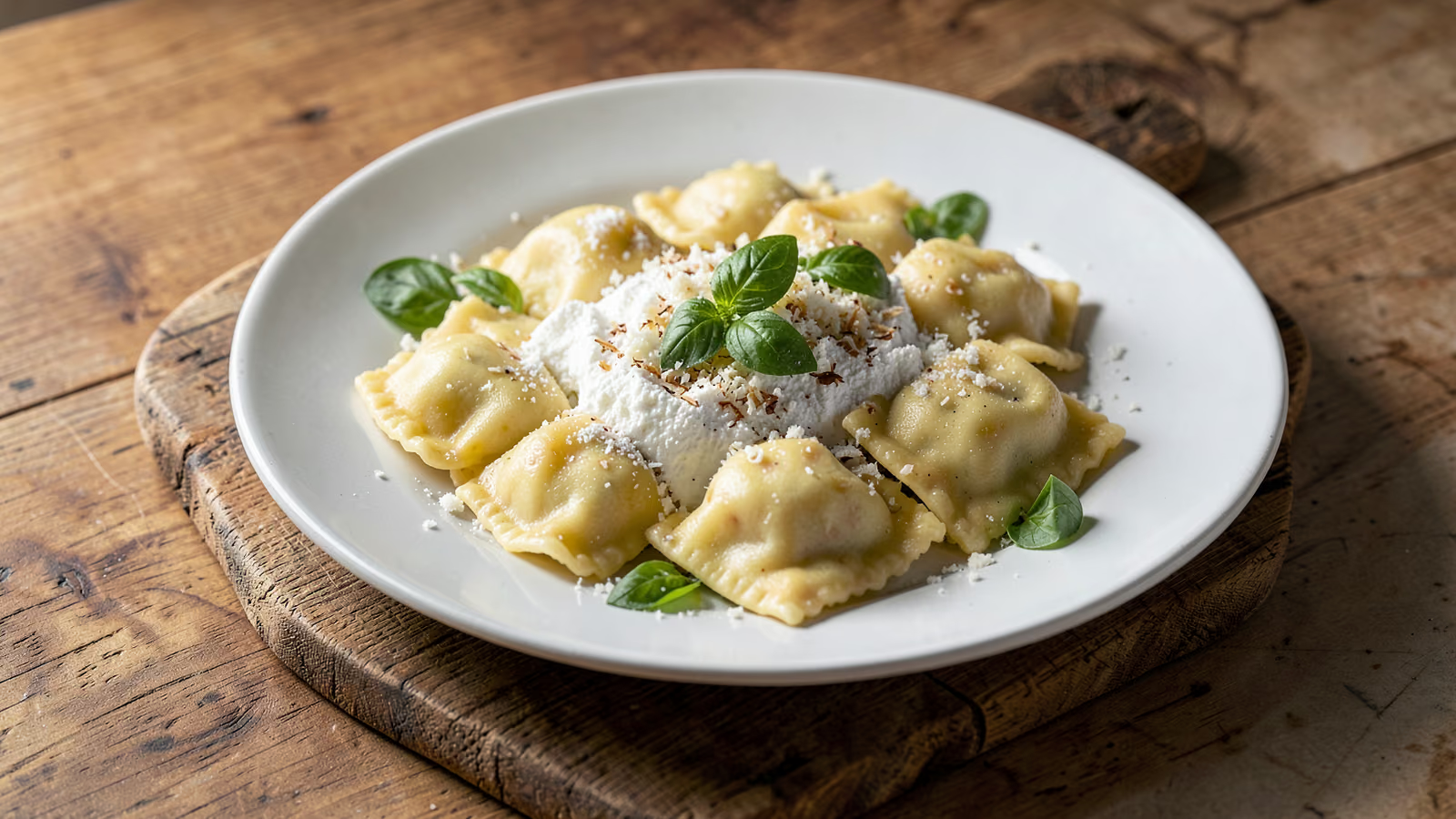
- Prep
- 60 min
- Cook
- 30 min
- Total
- 90 min
- Serves
- 4
Ingredients
What you’ll need — tap to tick off as you go
- 300 g
- 1 tbsp
- 250 g
- 200 g
- 50 g
- 1 pinch
- 1 tsp
- ½ tsp
- 80 g
Process
Timers built in · swap anything · ask as you cook
Make the pasta dough: mound the all-purpose flour on a clean work surface, make a well in the center, and add the eggs, olive oil, and a pinch of salt. Whisk the eggs with a fork, gradually drawing in flour from the sides until a shaggy dough forms.
Knead the dough for 8 to 10 minutes until smooth and elastic. Wrap tightly in plastic wrap and rest at room temperature for 30 minutes.
Prepare the filling: blanch the spinach in boiling water for 30 seconds, then drain and immediately transfer to a bowl of ice water. Squeeze out as much water as possible, then chop finely.
In a bowl, combine the ricotta cheese, chopped spinach, parmesan cheese, egg yolk, nutmeg, 0.5 tsp salt, and black pepper. Mix well, then taste and adjust seasoning. Set aside.
Divide the rested dough into 4 pieces. Keep pieces covered. Roll each piece through a pasta machine, starting at the widest setting and progressively narrowing to the second-thinnest setting, until you have thin sheets about 1 mm thick.
Lay a pasta sheet on a lightly floured surface. Place teaspoon-sized mounds of filling about 4 cm apart along the lower half of the sheet. Brush the edges and spaces between mounds with water.
Fold the top half of the pasta sheet over the filling. Press down around each mound to seal, expelling air. Cut into squares with a knife or fluted pasta wheel. Transfer ravioli to a floured tray and repeat with remaining dough and filling.
Bring a large pot of salted water to a gentle boil. Cook the ravioli in batches for 3 to 4 minutes, until they float and the pasta is al dente. Remove with a slotted spoon.
While the ravioli cook, melt the butter in a large skillet over medium heat. Add the sage leaves and cook until the butter is golden and fragrant, about 2 minutes. Do not brown.
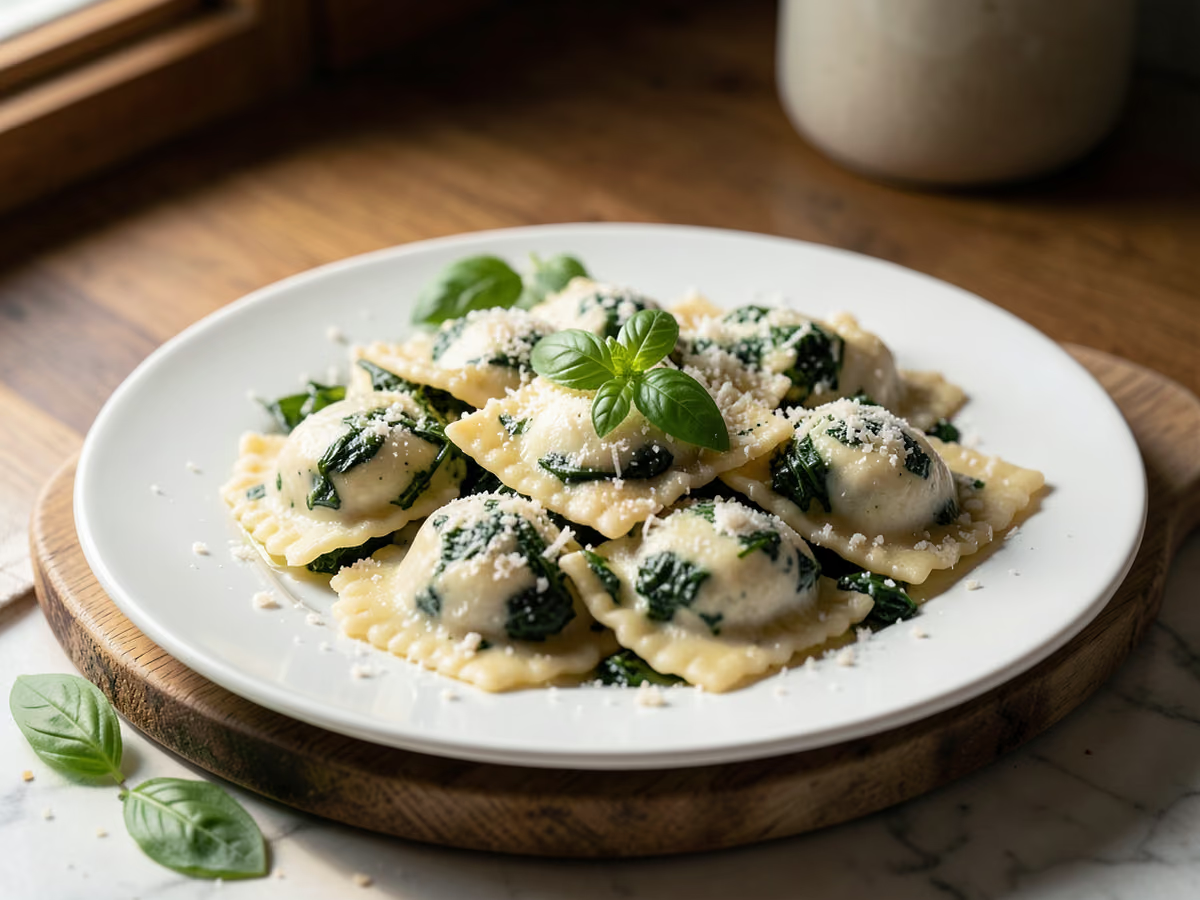
Add the cooked ravioli to the skillet with the sage butter. Toss gently to coat. Serve immediately with extra parmesan cheese if desired.
Kitchen notes
Kitchen notes
- The most common mistake is a watery filling: squeeze the blanched spinach until it is almost dry, and drain the ricotta if it releases liquid. Wet filling will burst the pasta seals.
- Seal the ravioli well by pressing out all air before cutting; any trapped air will expand during boiling and cause leaks. Use a little water to help the edges stick.
- Test one raviolo first: boil a single piece for 3 minutes. If it holds together and the pasta is tender, proceed with the rest. Adjust thickness if needed.
- Cook ravioli in batches to avoid crowding the pot; overcrowding lowers the water temperature and makes the pasta gummy.
Substitutions
- spinach→Swiss chard or kale, blanched and squeezed dry
- ricotta cheese→cottage cheese, drained well
- parmesan cheese→pecorino Romano for a sharper flavor
- butter→olive oil for a dairy-free sauce
- all-purpose flour→00 flour for a more delicate pasta
Storage & reheating
Store uncooked ravioli in a single layer on a floured tray, covered, in the refrigerator for up to 24 hours. For longer storage, freeze on the tray until solid, then transfer to a freezer bag and keep for up to 2 months; cook from frozen, adding 1 to 2 minutes to the boiling time. Cooked ravioli can be refrigerated in an airtight container for up to 2 days; reheat gently in a skillet with a little butter or olive oil over medium heat until warmed through, or in the microwave covered with a damp paper towel.
FAQ
The questions we get asked most
Why did my ravioli burst open while boiling?
Bursting usually happens because air was trapped inside the filling or the edges were not sealed properly. Press out all air when folding the pasta over the filling, and brush the edges with water before sealing. Also avoid overfilling; a teaspoon of filling per raviolo is enough.
Can I make ravioli ahead of time?
Yes, you can assemble ravioli up to 24 hours in advance. Place them in a single layer on a floured tray, cover with plastic wrap, and refrigerate. For longer storage, freeze them solid on the tray, then transfer to a freezer bag for up to 2 months.
How do I know when ravioli are cooked?
Fresh ravioli are done when they float to the surface and the pasta is al dente, usually 3 to 4 minutes. Taste one to check; the pasta should be tender but still have a slight bite. If frozen, cook for 5 to 6 minutes.
Can I use a different filling?
Yes, you can substitute the ricotta and spinach with other fillings like mashed butternut squash, ground meat, or cheese blends. Just make sure the filling is not too wet; drain any excess liquid before using.
Why is my pasta dough tough?
Tough dough often results from not kneading enough or not resting it. Knead for at least 8 minutes until smooth and elastic, then wrap and rest for 30 minutes to relax the gluten. Also, avoid adding too much flour; use just enough to prevent sticking.
Can I freeze cooked ravioli?
It is not recommended to freeze cooked ravioli, as the texture becomes mushy upon reheating. Freeze them uncooked instead, and boil directly from frozen. Cooked ravioli are best eaten fresh or refrigerated for up to 2 days.
What sauce goes best with spinach and ricotta ravioli?
A simple sage butter sauce is classic, but you can also use a light tomato sauce, a drizzle of olive oil with garlic, or a creamy parmesan sauce. Avoid heavy sauces that overpower the delicate filling.
Ask KitchenMind about this recipe
Tell it what’s different tonight — it works within the actual recipe.