Classic Beef Lasagna
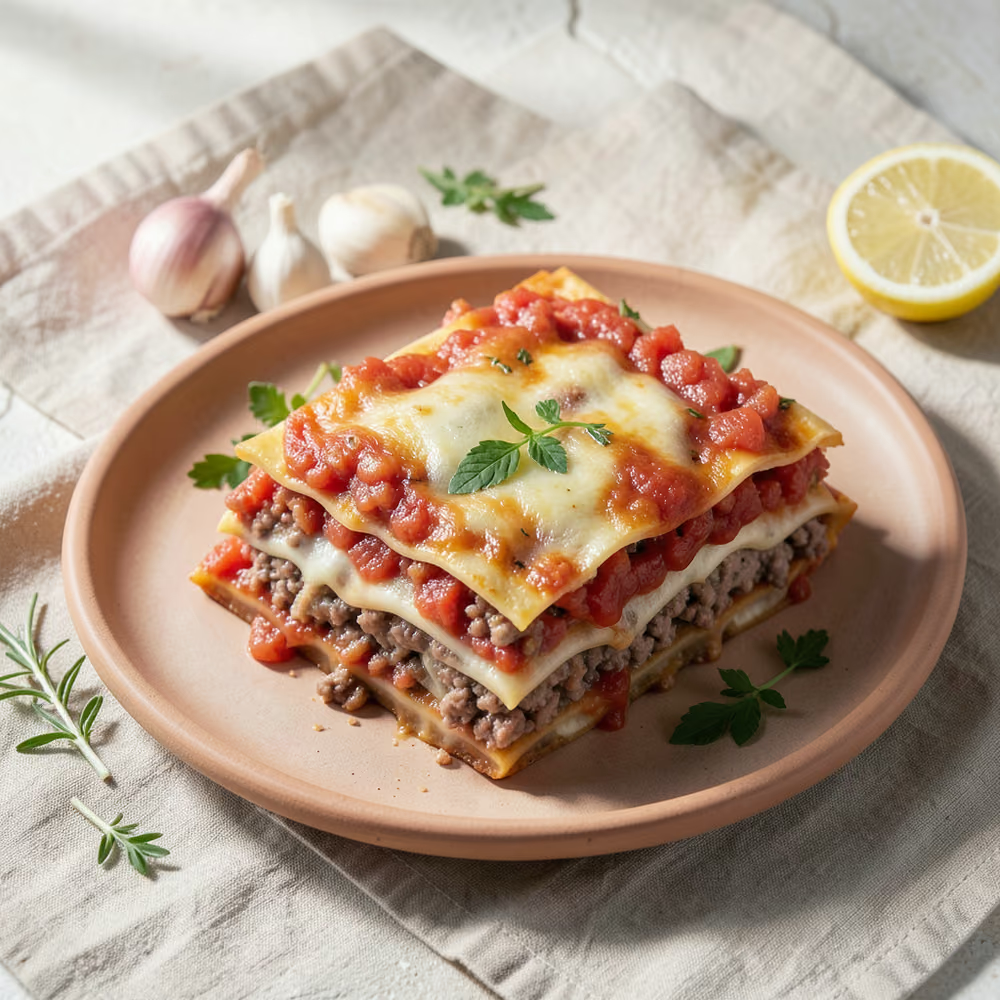
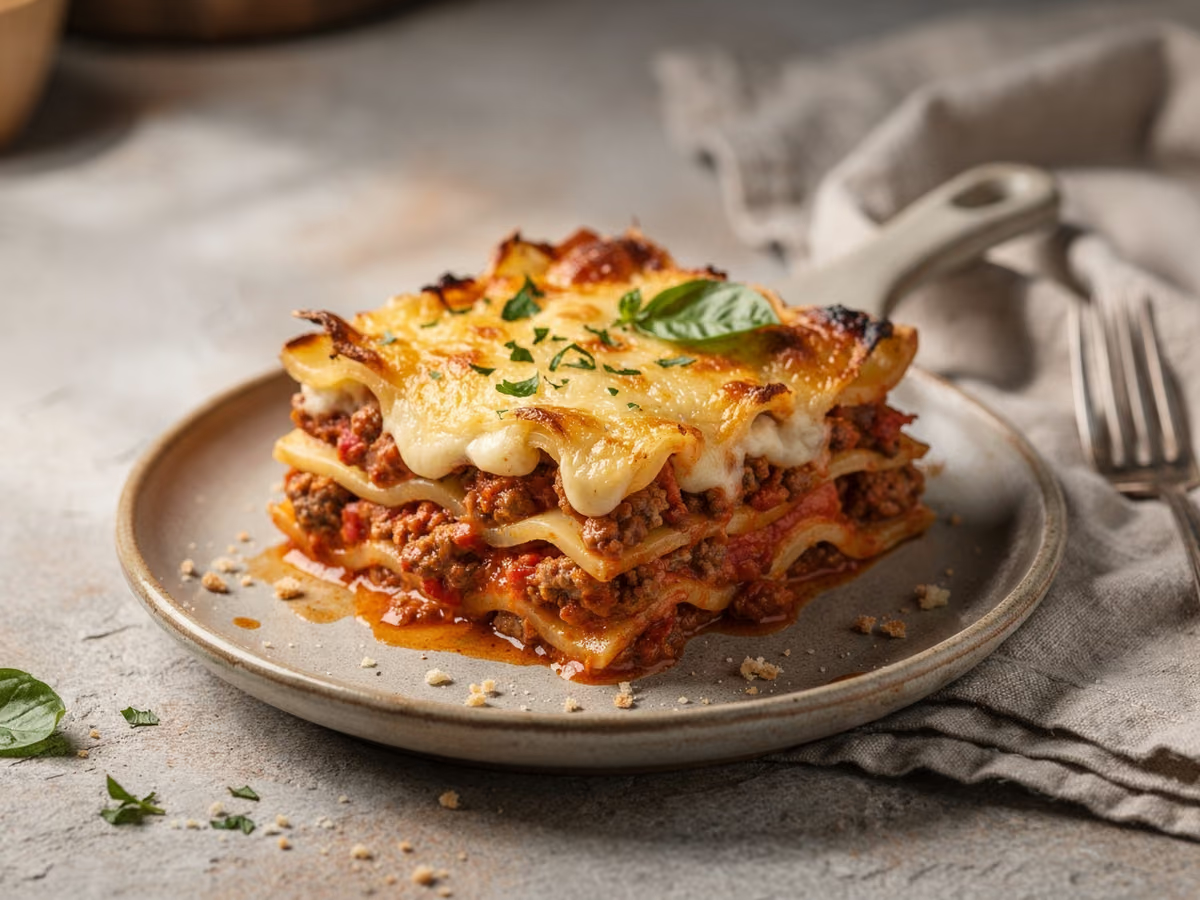
Classic beef lasagna, built the long way: 500 g of ground beef browned and simmered into an 800 g tomato sauce, a quick béchamel whisked from equal weights of butter and flour, a ricotta-and-egg cushion, and 300 g of mozzarella plus Parmesan over the top. The layers repeat until a 23 x 33 cm dish is full, then it bakes covered for 25 minutes and uncovered for 20 to 25 more, and rests for 10 before it is cut. Prep runs 30 minutes; the oven does the rest.
- Prep
- 30 min
- Cook
- 60 min
- Total
- 90 min
- Serves
- 8
Ingredients
What you’ll need — tap to tick off as you go
- 2 tbsp
- 3 cloves
- 500 g
- 800 g
- 2 tbsp
- 1 tsp
- 1 tsp
- 1 tsp
- ½ tsp
- 250 ml
- 50 g
- 50 g
- 500 ml
- ¼ tsp
- 250 g
- 250 g
- 50 g
- 300 g
Process
Timers built in · swap anything · ask as you cook
Heat the 2 tbsp olive oil in a large pot over medium heat, add the diced onion and 3 minced garlic cloves and sauté for about 5 minutes, until soft and translucent, not coloured. Sweating them first builds the sweet base the sauce sits on; browned onions turn a long-simmered sauce bitter.
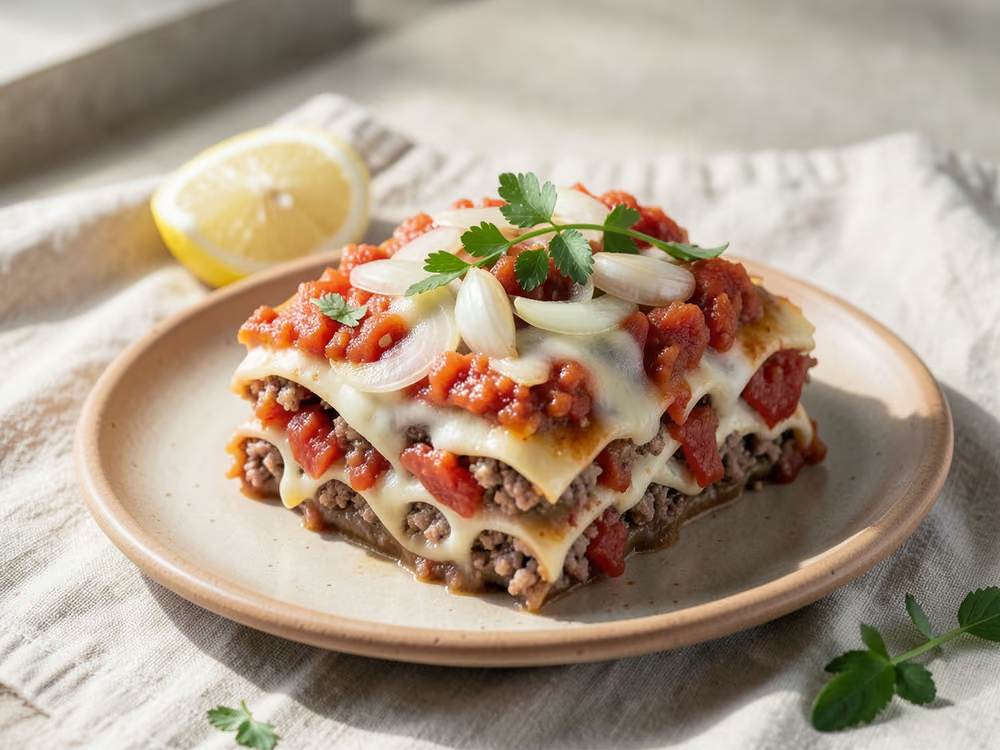
Turn the heat up to medium-high, add the 500 g ground beef and cook for about 8 minutes, breaking it up with a spoon as it goes, until no pink remains and the crumbles start to brown. Browning is flavour: let the meat sit undisturbed for the first couple of minutes so it crusts before you stir it through.
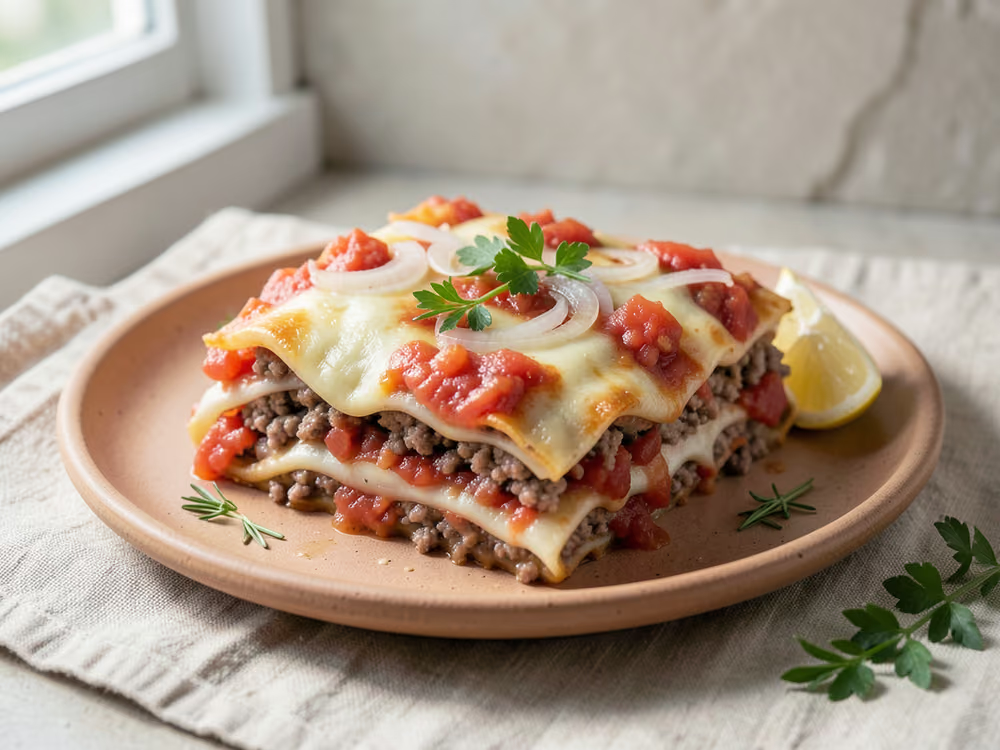
Stir in the 800 g crushed tomatoes, 2 tbsp tomato paste, 1 tsp dried oregano, 1 tsp dried basil, 1 tsp salt and 0.5 tsp black pepper, then pour in the 250 ml beef broth. Bring to a simmer, drop the heat to low and simmer uncovered for 20 minutes, stirring occasionally, until the sauce is thick and glossy. This reduction is what stops the layers weeping in the oven.
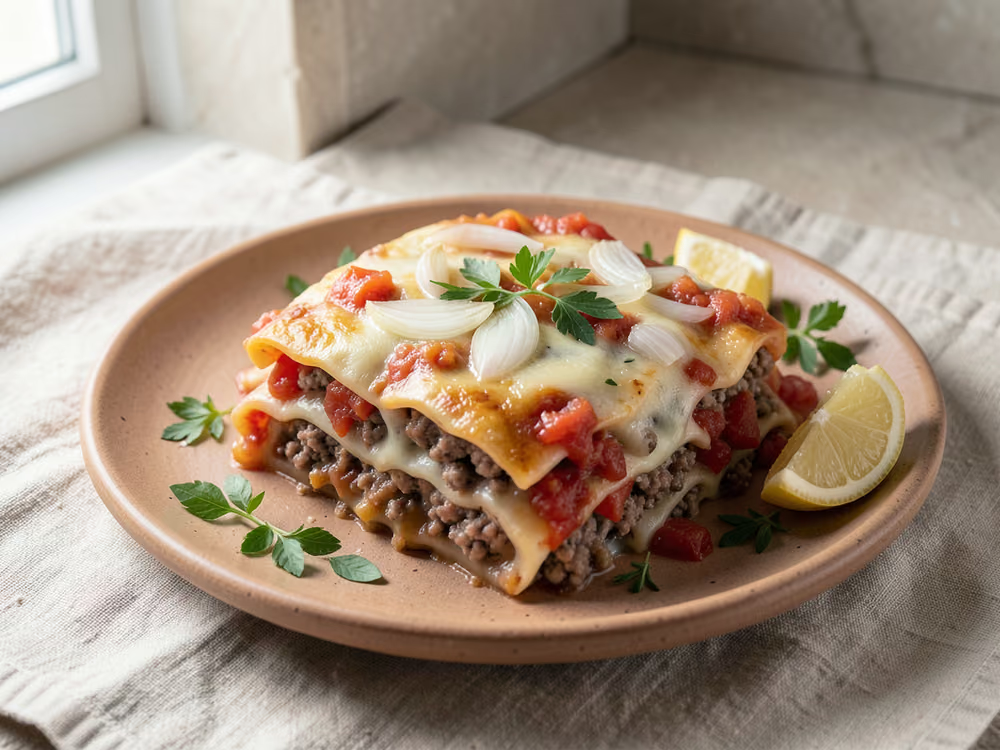
Meanwhile, make the béchamel: melt the 50 g butter in a saucepan over medium heat, whisk in the 50 g flour and cook for 1 minute, then add the 500 ml milk in a steady stream, whisking, and cook for 5 to 7 minutes, stirring constantly, until the sauce coats a spoon. Season with the 0.25 tsp nutmeg and a pinch of salt. Keep it looser than you think: it thickens again in the oven.
In a bowl, mix the 250 g ricotta with the 1 egg and half of the 50 g Parmesan until smooth. The egg is what sets this layer so a slice holds its shape; skip it and the ricotta stays loose and wet.
Heat the oven to 180°C. Spread a thin layer of the meat sauce over the base of the 23 x 33 cm dish, then lay a layer of the 250 g noodles over it, overlapping them slightly and trimming where the sheets would double up too thickly. The thin sauce underlay stops the first sheets sticking and starting the whole stack dry.
Spread one third of the ricotta mixture over the noodles, then one third of the béchamel, then one third of the meat sauce, and scatter over one third of the 300 g mozzarella. Keep each layer thin and edge to edge; overfilled layers turn the finished slice into soup.
Repeat the same sequence twice more, then finish with a final layer of noodles, the rest of the meat sauce, the remaining béchamel and all of the remaining mozzarella and Parmesan. The top layer is deliberately saucy and cheesy; it is the part that browns while the centre steams.
Cover the dish with foil and bake at 180°C for 25 minutes. The foil traps the steam that softens the noodles and carries heat evenly into the middle, so the centre sets at the same pace as the edges instead of drying out.
Remove the foil and bake for another 20 to 25 minutes, until the top is golden, the sauce bubbles around the edges and a knife slid into the centre passes through the noodles with no resistance. If the top browns too fast, tent it loosely with foil rather than lowering the oven.
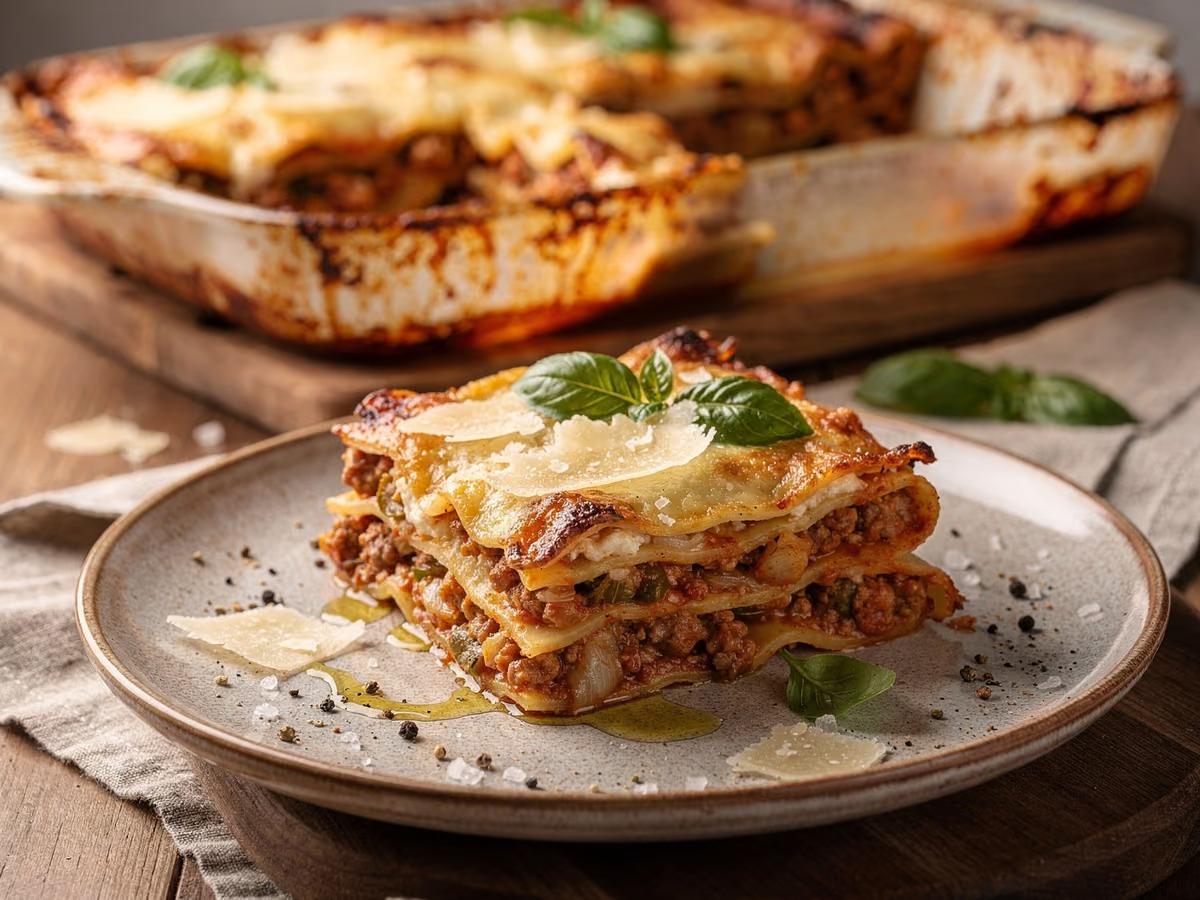
Rest the lasagna for a full 10 minutes before cutting it into 8 portions. The rest is structural: the béchamel thickens and the ricotta sets just enough for the layers to hold, so the squares lift out clean instead of collapsing on the plate.
Why this recipe works
Lasagna is a water-management problem, and this method moves the water in the right direction at every stage. The meat sauce simmers uncovered for 20 minutes, so the 250 ml of broth reduces before it can weep between the layers, and the béchamel goes in deliberately loose: with equal 50 g of flour and butter to 500 ml of milk it is thin in the dish, then tightens as it bakes, which is what keeps the slices from turning gluey. The covered bake traps steam to hydrate the noodles and set the ricotta, the open bake lets surface water leave and browns the top, and the 10-minute rest sets the egg in the ricotta so the slices cut clean.
Equipment
- 23 x 33 cm (9 x 13 inch) baking dish
- Large pot or Dutch oven for the meat sauce
- Medium saucepan for the béchamel
- Whisk
- Fine sieve or colander for draining the ricotta
- Foil, plus a rimmed sheet pan to sit under the dish
- Chef's knife and cutting board
- Instant-read thermometer
Kitchen notes
Kitchen notes
- Taste the meat sauce before it goes into the dish and deliberately push it a little saltier and more herb-forward than you would eat from a bowl: the béchamel, ricotta and noodles all mute it on the way through the oven.
- Keep the béchamel warm and loose while you assemble, and press a piece of parchment onto its surface if it has to wait; a skin forms on cooling béchamel and shows up as lumps in the layers.
- Grate your own mozzarella and Parmesan if you can. Pre-shredded cheese is dusted with starch to stop it clumping, and that starch works against a clean, even melt.
- Use a rimmed sheet pan under the dish from the start. Lasagna reliably drips, and it is far easier to catch the mess than to scrub it off the oven floor.
- Warm, not hot, sauce spreads: if the ragù has cooled while the béchamel was made, give it a quick reheat so the layers smooth out instead of tearing the noodles as you spread.
Common mistakes
- A watery slice: the sauce was under-reduced, the ricotta went in wet, or the foil stayed on for the whole bake. Simmer the sauce the full 20 minutes uncovered, drain the ricotta for 30 minutes, and always uncover for the last 20 to 25 minutes.
- Dry, tough lasagna: too little sauce, too long in the oven, or the foil stage skipped so moisture escaped before the noodles hydrated. Keep the full 800 g tomatoes and 250 ml broth, cover for 25 minutes, and pull it when the centre is bubbling, not beyond.
- Chewy noodles: dry sheets went in straight from the box. If they are not oven-ready, boil them for 4 to 5 minutes until pliable but still firm, then pat them dry; for no-boil sheets, add 60 ml extra broth to the sauce.
- Gluey béchamel or lumps: the roux was not cooked long enough, the milk went in all at once, or the sauce started too thick. Cook the flour for 1 minute, add the milk gradually, and keep the béchamel pourable; it tightens further in the oven.
- Burnt top, wet middle: your oven runs hot or the dish sits too close to the element. Set it on a sheet pan, tent with foil the moment the top looks dark enough, and judge doneness by the centre, not the surface.
- Collapsed slices: the dish was cut before it rested. Give it the full 10 minutes; the layers are still setting as they stand, and early cuts let the béchamel run across the plate.
Serving suggestions
- Cut into 8 squares once rested and serve on warm plates; a rested lasagna lifts from the dish in clean, defined portions.
- A sharply dressed green salad or steamed greens cut the richness; garlic bread to mop the plate is the classic family-dinner move.
- Keep the table drinks clean and cold: sparkling water with lemon or a jug of iced tea is the right contrast to all that cheese.
- One dish feeds 8 with generous squares, and it is happy at a buffet because it is served straight from the dish it baked in.
Variations
- Mushroom lasagna, a different dish: replace the 500 g ground beef with 500 g of finely chopped mushrooms cooked down in the same pot, and use vegetable broth. The sauce comes out softer and less meaty, and the bake is unchanged.
- Zucchini-plank lasagna, a different dish: use salted, blotted lengths of zucchini in place of the 250 g noodles; give the bake its full uncovered stretch so their extra water can leave.
- Bolognese-style, a different build: drop the ricotta and mozzarella, keep the béchamel and finish with the 50 g Parmesan, the way lasagne alla Bolognese is layered in Emilia-Romagna. The result is more delicate and much less cheesy.
Refrigerator
- RefrigeratorCool the lasagna within 2 hours of baking, then refrigerate, covered, for up to 4 days. Cut it into portions while it is cool and keep them airtight so the slices do not dry out at the edges.
- ReheatingReheat covered with foil in a 180°C oven for 20 to 25 minutes, until the centre reaches 74°C, or microwave single slices on medium power for 2 to 3 minutes. The oven brings the top closer to freshly baked; the microwave is faster.
- FreezingUp to 3 months, baked or unbaked, wrapped tightly in foil. Thaw overnight in the fridge; for an unbaked one, bake covered at 180°C for 30 minutes, then uncovered for 15 to 20, and for a baked one reheat covered until the centre reads 74°C. Do not refreeze once thawed.
- Make aheadAssemble the whole dish, cover tightly and refrigerate for up to 24 hours; add 10 minutes to the covered bake because it starts cold. Or bake it through, refrigerate for up to 4 days, and reheat as above.
Updated:
How this recipe was developed
- Serious Eats lasagna alla Bolognese (long-cooked meat sauce spooned thinly under the first pasta sheet, trimmed overlaps between sheets, a deliberately loose béchamel that tightens during the bake, resting before slicing)
- Serious Eats béchamel guide (cooking the roux first removes the raw flour taste and prevents lumps; milk whisked in gradually; the sauce thickens as it simmers and coats the back of a spoon; thickness set by the flour-to-milk ratio)
- USDA FSIS safe minimum internal temperatures (ground meats 71°C; leftovers reheated to 74°C)
- USDA FSIS leftovers and food safety guidance (refrigerate within 2 hours; 3 to 4 days in the fridge; freeze for longer storage)
Editorial references are kept internally for verification. This page makes no claim of external certification or professional testing.
Gallery
FAQ
The questions we get asked most
Why did my lasagna turn out watery?
The three usual sources are an under-simmered sauce, wet ricotta and a bake that never lost its foil. Simmer the sauce for the full 20 minutes uncovered, drain the ricotta for 30 minutes, and remove the foil for the final 20 to 25 minutes so the steam can escape.
Can I use no-boil lasagna noodles?
Yes, the same 250 g, and do not pre-boil them. Add 60 ml extra beef broth to the meat sauce so the dry sheets have enough liquid, let the assembled dish stand for 15 minutes before it goes in, and bake at 180°C exactly as written.
Can I make this lasagna ahead of time?
Assemble it completely, cover tightly and refrigerate for up to 24 hours; add 10 minutes to the covered bake because it starts cold. Or bake it fully, cool it, refrigerate for up to 4 days and reheat covered at 180°C for 25 minutes.
How do I know it is fully cooked?
The top is golden and the sauce bubbles around the edges, and a knife slid into the centre meets no resistance as it passes through the noodles. If the centre still looks wet or the cheese has not set, bake uncovered for another 5 minutes; then rest it for 10 minutes before cutting.
Can I freeze lasagna?
Yes, baked or unbaked, wrapped tightly in foil for up to 3 months. Thaw it overnight in the fridge; bake an unbaked one covered at 180°C for 30 minutes and uncovered for 15 to 20, or reheat a baked one until the centre reaches 74°C. Do not refreeze it once thawed.
Why is my lasagna dry or tough?
Dryness comes from too little sauce, overbaking, or skipping the foil stage, which lets moisture escape before the noodles hydrate. Keep the full 800 g of tomatoes and 250 ml of broth, cover for the first 25 minutes, and stop when the centre bubbles. If you pre-boiled the noodles, 4 to 5 minutes is enough; longer and they turn to mush.
Ask KitchenMind about this recipe
Tell it what’s different tonight — it works within the actual recipe.