Roasted Vegetable Quinoa Bowl
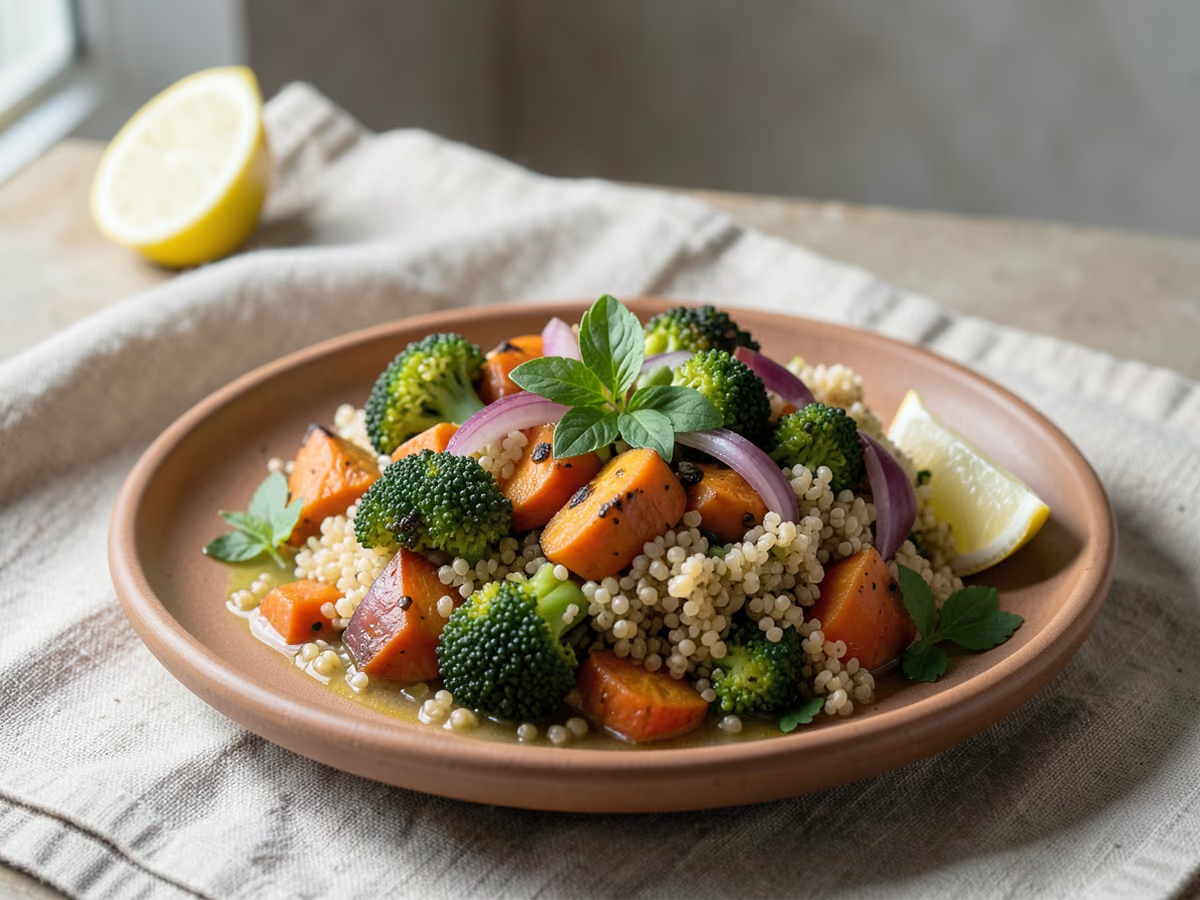
A roasted vegetable quinoa bowl is a weeknight dinner built on pantry staples: broccoli, sweet potato and red onion roast at 200°C until their edges caramelize while quinoa simmers to fluffy on the stove, and a lemon-tahini sauce comes together in minutes. Toasted pumpkin seeds and parsley finish the bowls with crunch and freshness. Prep takes 15 minutes, the oven and saucepan run in parallel for about 30 minutes, and the recipe serves four generously.
- Prep
- 15 min
- Cook
- 30 min
- Total
- 45 min
- Serves
- 4
Ingredients
What you’ll need — tap to tick off as you go
- 200 g
- 400 ml
- 300 g
- 300 g
- 3 tbsp
- 1 tsp
- ½ tsp
- 60 g
- 2 tbsp
- 1 clove
- 30 g
- 15 g
Process
Timers built in · swap anything · ask as you cook
Heat the oven to 200°C and line a large rimmed baking sheet with parchment paper. Let the oven come fully up to temperature before anything goes in: vegetables that start in a warming oven release moisture faster than the air can carry it away, and they arrive at the table steamed rather than roasted.
In a large bowl, toss the 300 g broccoli florets, the 300 g sweet potato cubes and the red onion wedges with 2 tbsp of the olive oil, 0.5 tsp of the salt and 0.25 tsp of the black pepper until evenly coated. Spread them in a single layer on the baking sheet with space between pieces; where vegetables touch, their steam has nowhere to go and they soften instead of caramelizing.
Roast for 25–30 minutes, stirring halfway, until the broccoli is charred at the edges, the onion is soft and browned and a knife slides easily into a sweet potato cube. Resist stirring more often: the cut faces need long, undisturbed contact with the hot pan to caramelize, and every extra toss lets heat out of the oven.
While the vegetables roast, rinse the 200 g quinoa in a fine-mesh strainer under cold running water until it runs clear, about 30 seconds; the bitter saponin coating rinses off here. In a medium saucepan, combine the drained quinoa, the 400 ml vegetable broth and the remaining 0.5 tsp salt. Bring to a boil, then cover and simmer on the lowest heat for 15 minutes, until the liquid is absorbed; low, covered heat steams the grains evenly.
Take the pan off the heat and let it stand, covered, for 5 minutes so the grains finish softening in their own steam. Uncover, then fluff the quinoa with a fork, lifting gently rather than stirring; the small spiral germ will be curled around each grain. Trapped steam turns the grains to paste, so the fork and the open lid are what keep the quinoa fluffy.
In a small bowl, whisk the 60 g tahini, the 2 tbsp lemon juice and the grated garlic clove; the mixture will seize into a thick, pale paste, which is exactly what should happen. Whisk in cold water 1 tbsp at a time, 3–4 tbsp in total, until the sauce turns smooth, glossy and pourable enough to drizzle. Season with a pinch of salt.
Divide the quinoa among four bowls, top with the roasted vegetables and spoon the tahini sauce over the top. Finish with the toasted 30 g pumpkin seeds and the 15 g chopped parsley, if using. Serve straight away, while the quinoa is still warm enough to soak up the sauce and the vegetable edges are crisp.
Why this recipe works
This roasted vegetable quinoa bowl is built on dry heat and a gentle simmer. In a single layer, the surface moisture of the vegetables evaporates before it can steam them, so their sugars brown and their edges caramelize; piled together, they cook in their own steam and turn limp. The quinoa gets a thorough rinse to strip the bitter saponin coating, then simmers covered at the lowest heat so each grain absorbs liquid rather than swimming in it, and five minutes off the heat lets the centers finish softening. The tahini behaves the same way under the whisk: lemon tightens it into a paste, and cold water, added slowly, flips it into a smooth, pourable emulsion.
Equipment
- Large rimmed baking sheet, about 45 x 33 cm, or two smaller trays
- Parchment paper
- Large mixing bowl
- Fine-mesh strainer
- Medium saucepan with a tight-fitting lid
- Small bowl and a whisk or fork for the tahini sauce
- Chef's knife and cutting board
- Measuring spoons
Kitchen notes
Kitchen notes
- Toast the pumpkin seeds in a dry skillet over medium heat, stirring almost constantly, until they smell nutty and start to pop, about 5 minutes; shelled seeds go from chewy to crisp in that window and hold their crunch on top of the sauce.
- Use the quinoa's 5-minute rest to whisk the sauce: the grains steam quietly while the tahini, lemon, garlic and water come together, so both are ready at the same moment.
- Grate the garlic into the lemon juice and let it sit for a minute before the tahini goes in; the acid tames the raw bite of the garlic, so the finished sauce tastes seasoned rather than sharp.
- Taste your tahini before it becomes the sauce. Brands swing from sweet and runny to dense and bitter; if yours is bitter, a little more salt and lemon rounds it out, and if it is stiff, expect to work toward the top of the 3-4 tbsp water range before it loosens.
- Keep the layers distinct when you serve: quinoa, then vegetables, then sauce, then seeds. Folding everything together early gives a softer, heavier bowl, and the pleasure here is in moving between fluffy grains, caramelized edges and crunchy seeds.
Common mistakes
- Soggy vegetables instead of roasted ones: the pieces hit the tray wet, crowded, or both, so their own moisture steamed them before the oven could brown them. Dry them well after washing, spread them in one layer with visible gaps, use a second tray if the sheet looks full, and stir just once, at the halfway mark.
- Mushy, gummy quinoa: too much liquid, a rolling boil, or an uncovered pot. Keep to this recipe's 200 g quinoa to 400 ml broth, turn the heat to its lowest setting the moment it boils, hold the lid on for the full 15 minutes, and let the pot rest off the heat for 5 minutes before you fluff.
- Soapy, bitter quinoa: the saponin coating was not rinsed off. Swish the grains in a fine-mesh strainer under cold water for at least 30 seconds, until the water runs clear, even when the package says pre-rinsed; the bitterness this removes is hard to hide under any sauce.
- Thick or grainy tahini sauce: the water went in too fast or too sparingly. Tahini seizes when lemon meets it, and only more water and patience loosen it: add cold water 1 tbsp at a time toward 3-4 tbsp, letting each spoonful disappear before the next, and it will turn smooth and pourable.
- Flat, dull flavor: the quinoa was undersalted, or the vegetables went in unseasoned while the sauce carried all the seasoning. Season the cooking liquid and the vegetables before they roast, taste the sauce for lemon and salt, and finish with a final squeeze of lemon over the top; acid is what lifts the sesame and the roasted edges.
- Uneven roasting, with firm sweet potato and charred broccoli: the pieces were cut to different sizes. Keep the sweet potato cubes at 2 cm and the broccoli florets small and uniform, and check the tray at 25 minutes by sliding a knife into a sweet potato cube; give it 5 more minutes if the blade meets resistance.
Serving suggestions
- Serve warm, right away: the quinoa should still be steaming slightly under the sauce, and the broccoli edges are at their crispest in the first few minutes. The recipe divides evenly among four bowls.
- Set out lemon wedges and a small dish of extra toasted pumpkin seeds, and put harissa or red pepper flakes on the table for anyone who wants heat.
- A crisp cucumber salad with lemon and a few olives on the side rounds the bowls into a fuller meal; keep the sides simple so the roasted vegetables stay the center of the plate.
- Drink something clean and cold: sparkling water with a squeeze of lemon, iced tea, or fresh mint tea; the sesame and the roasted edges clear a palate better than anything heavy would.
Variations
- Chickpea version (vegan, more protein): toss a drained, patted-dry can of chickpeas with a little olive oil and add them to the tray for the final 15 minutes of roasting; they crisp at the edges and give the finished dish something extra to chew.
- Root-vegetable version: roast carrots, parsnips or beets in place of the broccoli, in equal weights and similar-sized pieces, keeping the sweet potato and onion as they are. Dense roots take the full roasting window, so check them with a knife before pulling the tray.
- Cumin and smoked paprika version: stir a good pinch of each into the oil before it goes over the vegetables, and finish with cilantro alongside or in place of the parsley; the warm spices pull the flavor toward the eastern Mediterranean.
Refrigerator
- RefrigeratorCool the leftovers within 2 hours, then refrigerate the quinoa and vegetables in a covered container for up to 4 days. Keep the tahini sauce in its own small jar if you can; it thickens as it chills, and the vegetables stay firmer without it.
- ReheatingReheat in a covered microwave-safe dish for 1-2 minutes, or in a skillet over medium heat until everything is steaming hot; 74°C is the safe target if you check with a thermometer. Loosen the chilled sauce with a spoonful of water and add it after reheating, so it stays smooth.
- FreezingNot recommended. Roasted vegetables and cooked quinoa both come back limp and grainy after thawing, and the tahini sauce splits rather than recombining; the dish is at its best fresh or within its 4-day fridge window.
- Make aheadStrong for meal prep. Cook the quinoa and roast the vegetables up to 4 days ahead, cool and store them separately in the fridge, and whisk the sauce fresh or keep it in a jar and thin it with water to serve. Assemble at the last minute, warm or cold.
Updated:
How this recipe was developed
- USDA FSIS Leftovers and Food Safety (refrigerate cooked food within 2 hours; keep leftovers 3-4 days refrigerated; reheat to 74°C)
- The Kitchn, how to cook fluffy quinoa (rinse thoroughly to remove the saponin coating; simmer 15 minutes covered on the lowest heat; rest 5 minutes covered; fluff with a fork as the germ spirals separate from the grains)
- BBC Good Food, roasted vegetables (200°C oven; one even layer on a large tray; toss halfway; roast until lightly caramelised)
- NYT Cooking, vegan potato salad with tahini (whisk ice water into the tahini a tablespoon at a time until it thickens into a smooth drizzle; keep whisking, it can take up to a minute)
Editorial references are kept internally for verification. This page makes no claim of external certification or professional testing.
FAQ
The questions we get asked most
Why is my quinoa mushy?
Mushy quinoa has almost always taken on more liquid than it should have. This recipe holds the balance at 200 g of quinoa to 400 ml of broth, so the fix is in the technique: keep the heat at the barest simmer once it boils, leave the lid on for the full 15 minutes, avoid stirring the grains while they cook, and let the covered pot sit off the heat for 5 minutes before fluffing. Stirring or peeking early is what turns the grains heavy.
Why did my roasted vegetables turn out soggy?
Soggy vegetables were steamed, not roasted: they went onto the tray still wet from washing, or they sat piled and touching so their moisture had nowhere to escape. Pat them dry, keep them in one loose layer on a tray that fits them comfortably, and stir just once; a crowded pan and a busy spatula are both working against the dry heat that crisps the edges.
Can I use frozen vegetables instead of fresh?
Yes. Roast frozen broccoli and sweet potato straight from the bag, on a preheated tray with extra room, and give them roughly 5-10 minutes longer than the fresh pieces. They carry more water, so expect softer centers and lighter browning; if yours have already thawed, dry them thoroughly before they go in.
How do I make the tahini sauce thinner?
Whisk in cold water a tablespoon at a time. Tahini tightens the moment lemon meets it and can look seized and pasty for a minute; as the water goes in it loosens and turns pale and glossy at around 3-4 tbsp. If it is still thick after that, one more spoonful does no harm; if it goes too thin, a spoonful of extra tahini pulls it back.
Can I make this roasted vegetable quinoa bowl ahead of time?
Yes, and it meal-preps well. Cook the quinoa and roast the vegetables up to 4 days ahead and refrigerate them in separate covered containers; keep the tahini sauce in a small jar, since it firms up in the cold. Assemble just before serving, and thin the sauce with a splash of water so it drizzles again.
Is this roasted vegetable quinoa bowl gluten-free?
As written, yes: quinoa is naturally gluten-free and the rest of the ingredients follow. The two labels worth checking are the quinoa and the vegetable broth, because grains can pick up traces of wheat, barley or rye during growing and processing; buying versions labeled gluten-free removes the risk.
How can I add more protein to this roasted vegetable quinoa bowl?
Quinoa is a complete protein on its own, and the tahini and pumpkin seeds add more, but it takes extras easily: add a drained, dried can of chickpeas to the roasting tray for the last 15 minutes, fold in white beans or edamame when you assemble, or top with pan-seared tofu. Grilled chicken works over the same lemon-tahini sauce when the dish does not need to stay vegan.
Ask KitchenMind about this recipe
Tell it what’s different tonight — it works within the actual recipe.