Easy Lentil Soup
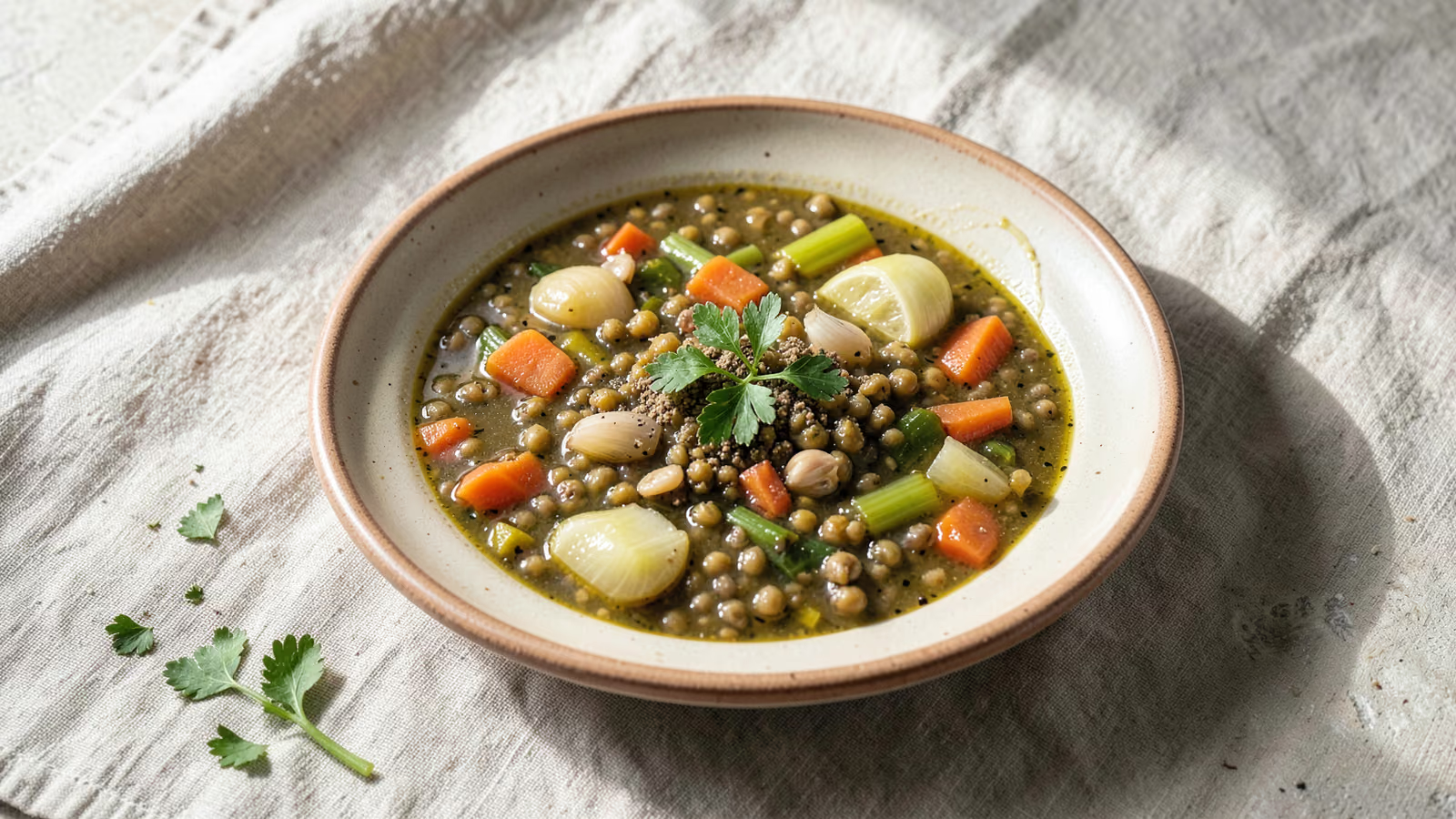
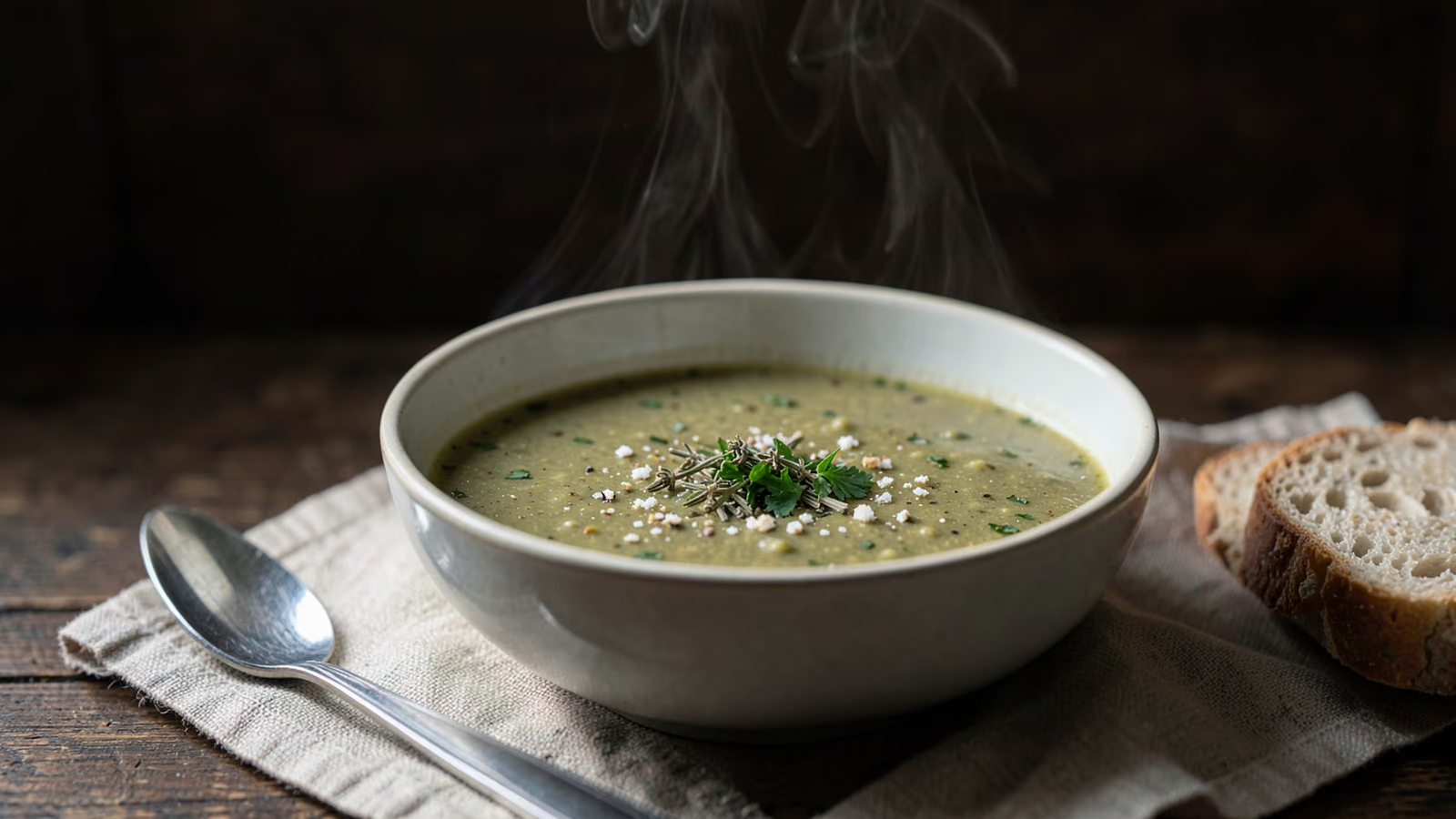
Easy Lentil Soup is a one-pot Mediterranean staple built on a soffritto of onion, carrot and celery, bloomed cumin and smoked paprika, a can of tomatoes and brown lentils simmered in vegetable broth. It is hearty enough for dinner and gentle enough for a weeknight: about 15 minutes of prep, then roughly 30 minutes on the stove, most of it lazy simmering. The lemon stirred in at the end keeps the bowl bright, and the pot is vegan, gluten-free and dairy-free as written, so it suits almost any table.
- Prep
- 15 min
- Cook
- 30 min
- Total
- 45 min
- Serves
- 4
Ingredients
What you’ll need — tap to tick off as you go
- 2 tbsp
- 3 cloves
- 1 tsp
- 1 tsp
- ½ tsp
- 400 g
- 200 g
- 1 ¼ l
- 1 tsp
- ½ tsp
- 1 tbsp
Process
Timers built in · swap anything · ask as you cook
Warm the 2 tbsp olive oil in a large pot over medium heat, about 1 minute, then add the diced onion, 2 carrots and 2 celery stalks. Cook for about 5 minutes, stirring occasionally, until the onion turns translucent and the vegetables soften at the edges without browning; this slow sweat, not frying, builds the sweet base the soup stands on.
Stir in the 3 minced garlic cloves, 1 tsp ground cumin, 1 tsp smoked paprika and the 0.5 tsp dried thyme if using. Cook for 1 minute, stirring, until the spices smell toasted and darken a shade; blooming them in the warm oil now is what spreads their flavor through the pot, and garlic left to scorch turns the batch bitter.
Pour in the 400 g diced tomatoes with their juices, the 200 g rinsed brown lentils, 1.2 l vegetable broth and the bay leaf if using. Stir well, scraping the bottom of the pot, and bring to a full boil, 100°C at sea level; stirring now matters, because lentils sink and stick and anything left on the base scorches quietly as the pot heats.
Reduce the heat to low, cover the pot, and simmer gently for 25–30 minutes, stirring once or twice. Keep it at a lazy bubble, around 90–95°C, never a rolling boil, which would batter the lentils apart and cloud the broth. Test at 25 minutes: the lentils are done when they mash easily against the pot but still hold their shape, and the broth has thickened slightly.
Fish out the bay leaf, then season with the 1 tsp salt and 0.5 tsp black pepper, tasting after each addition: the broth, not a single lentil, is what must taste right. Stir in the 1 tbsp lemon juice if using and serve hot; the acid goes in last because cooking dulls its brightness, and the soup relies on that final lift.
Why this recipe works
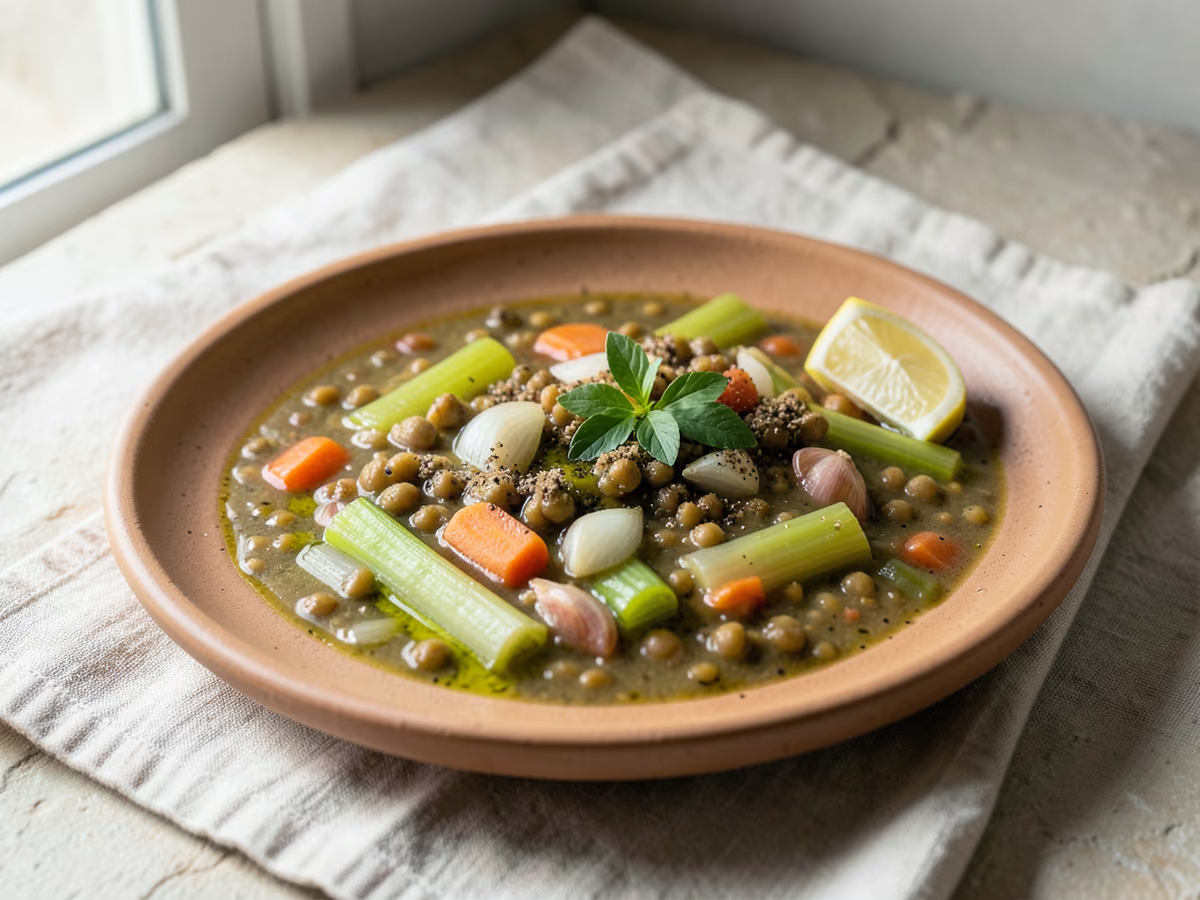
The build is a base-then-simmer sequence, and each move has a job. Sweating the onion, carrot and celery in olive oil dissolves their savory compounds into the fat, so the flavor ends up in the broth rather than staying in the vegetables. The one-minute bloom of cumin and smoked paprika heats the ground spices just enough to release their fat-soluble aromatics; unbloomed, they taste dusty on the tongue. Brown lentils sit in the middle of the lentil family: at 25-30 minutes they soften but mostly hold their shape, and the starch they shed thickens the broth without any cream. The lemon goes in off the heat, because its bright acidity dulls as it cooks.
Equipment
- Large pot, 4-5 l, with a lid
- Chef's knife and cutting board
- Wooden spoon or heatproof spatula
- Colander or fine-mesh sieve for rinsing the lentils
- Measuring jug and measuring spoons
- Can opener
- Ladle
- Immersion blender (optional, for a smoother pot)
Kitchen notes
Kitchen notes
- The warning that early salt toughens lentil or bean skins does not survive testing: sodium actually softens legume skins, because it displaces the calcium and magnesium ions that stiffen them. The soup still saves its salt for the end, but for a different reason, since the reduced broth is far easier to judge late; a pinch with the onions is harmless.
- For a creamier body without dairy, blend about a cup of the finished soup and stir it back in, two or three pulses with an immersion blender. The rest of the pot stays chunky, so every spoonful keeps the texture the simmer worked for.
- Rinse the lentils in a bowl of cold water rather than under the tap alone: grit falls away, hollow kernels float where you can pick them out, and your fingers catch any small stones the packet missed.
- Treat the broth as the main ingredient, because it is most of the pot. One you would happily drink on its own makes a soup that tastes seasoned rather than salty; a weak one forces you to over-salt while reaching for flavor.
- Taste one more time after the lemon goes in: acid shifts how salty and how sweet everything reads, so the final adjustment belongs after the juice, not before it.
Common mistakes
- Mushy lentils: the pot simmered past 30 minutes, was held at a hard boil, or was stirred hard enough to break the kernels. Stay at a lazy bubble, start testing at 25 minutes, and pull it while the lentils still mash with slight resistance.
- Lentils still firm after 30 minutes: dried lentils a year or more old harden as they sit and can refuse to soften on any reasonable simmer. Buy fresh-dated packets when you can, and give a stubborn batch another 5-10 minutes of gentle simmering before serving.
- Soup too thick by the next day: the lentils keep drinking liquid as it stands and after chilling, so reheated bowls come out dense. Loosen with a splash of vegetable broth or water and taste once more for salt.
- Flat, dusty flavor: the spices never really bloomed in the oil, or the lemon was left out. The one-minute toast is what makes the cumin and paprika read, and the final spoon of lemon is what makes the pot taste finished.
- Scorched bottom: lentils sink and sit against the base of the pot, and a quiet scorch flavors the whole batch. Stir down to the bottom a few times during the simmer and keep the heat low enough that bubbles never race.
Serving suggestions
- Serve hot in warmed bowls with crusty bread or flatbread to mop out the bottom; choose a gluten-free loaf to keep the whole meal gluten-free.
- A swirl of olive oil and an extra pinch of smoked paprika over each bowl echoes what is already in the pot; the soup needs no other garnish.
- It is a full dinner for 4, or a lighter starter course in smaller bowls; it thickens as it stands, so loosen it with a splash of hot broth when you stretch it.
- Something cold and unsweetened alongside balances the warmth, like sparkling water with a lemon wedge or chilled iced tea.
Variations
- Smooth and creamy version: puree half or all of the soup with an immersion blender. The texture turns silky and uniform, a different dish from the brothy original, and a swirl of olive oil finishes each bowl.
- Red lentil version: use the same 200 g of red lentils and cut the simmer to 15-20 minutes. They break down into a thick, dal-style soup with no distinct kernels left; finish it with the same lemon at the end.
- Greens variation: stir a few generous handfuls of baby spinach or chopped kale through the pot in the last 2-3 minutes, just until wilted. The soup turns greener and lighter, and stretches further when you need it to feed more.
Refrigerator
- RefrigeratorCool the soup within 2 hours of cooking, then refrigerate in an airtight container for 3-4 days. The lentils keep drinking broth as it sits, so the soup thickens day by day; stir in a little water or broth when you reheat.
- ReheatingReheat on the stovetop or in the microwave until bubbling hot all the way through, 74°C (165°F) on a food thermometer. Add a splash of broth if needed, and reheat only the amount you plan to eat.
- FreezingFreezes well for up to 3 months: cool it completely, portion into freezer-safe containers with a little headspace for expansion, and thaw overnight in the refrigerator. The lentils soften a little more on thawing; stir the soup as it reheats to bring it back together.
- Make aheadBetter made ahead: cook it up to 3 days before serving, cool it, and refrigerate. Reheat with a splash of broth and stir the lemon in after reheating rather than before storing, because the brightness fades fastest.
Updated:
How this recipe was developed
- USDA FSIS Leftovers and Food Safety (cooked leftovers: 3-4 days refrigerated, 3-4 months frozen; reheat to 74°C)
- Serious Eats lentil variety guide (brown lentils hold their shape when simmered just until tender and thicken the pot when cooked longer; red lentils break down in 10-15 minutes)
- America's Test Kitchen salty-soak for beans (salt softens legume skins by displacing calcium and magnesium; it does not toughen them)
- Encyclopaedia Britannica, boiling (water boils at 100°C / 212°F at sea level)
Editorial references are kept internally for verification. This page makes no claim of external certification or professional testing.
FAQ
The questions we get asked most
Do brown lentils need soaking before cooking?
No. Lentils are thin-skinned enough to cook straight from the packet in 25-30 minutes, and soaking only makes them likelier to split in the pot. Rinse them, check for small stones, and they are ready to cook.
Can I make this soup with red lentils instead?
You can, but the soup changes character: red lentils cook in 15-20 minutes and dissolve into a soft puree, giving a thick, dal-style bowl with no distinct kernels. Check them at 15 minutes rather than 25, because they go from tender to paste quickly.
Why did my lentil soup turn out mushy?
Most often the pot cooked past 30 minutes or was held at a rolling boil, which splits the kernels and spills their starch into the broth. Brown lentils take a gentle simmer well, so start testing at 25 minutes and stop when a lentil mashes easily but holds its shape.
Why are my lentils still firm after 30 minutes?
Old lentils are the usual answer: after a year or more in the cupboard they dry out inside and can stay chalky no matter how long they simmer. Check the packet date, and for a stubborn batch keep going in 5-minute increments, tasting as you go.
Can I make this soup ahead of time?
Yes, and the flavor deepens overnight. Cook it up to 3 days ahead, cool it quickly, and refrigerate; reheat gently with a splash of broth and add the lemon juice after reheating so it stays sharp. In total, leftovers keep 3-4 days in the fridge.
Can I freeze lentil soup?
Yes, up to 3 months. Cool it fast, portion into containers with a little headspace, and thaw overnight in the refrigerator. The lentils soften slightly more with freezing, and reheated soup often needs a stir and a splash of broth to come back to the right consistency.
How do I make lentil soup thicker or creamier without cream?
Two routes: blend a portion of the pot and return it, since the pureed lentils thicken the broth on their own, or simmer the pot uncovered a little longer to concentrate it. If the soup has simply thickened in the fridge, a splash of broth loosens it again.
Ask KitchenMind about this recipe
Tell it what’s different tonight — it works within the actual recipe.