- Prep
- 40 min
- Cook
- 15 min
- Total
- 55 min
- Serves
- 4
Ingredients
What you’ll need — tap to tick off as you go
- 300 g
- 180 ml
- 1 tsp
- 2 tbsp
- 4 tbsp
- 2 tbsp
- 1 tsp
- 1 tsp
Process
Timers built in · swap anything · ask as you cook
In a large bowl, whisk 300 g all-purpose flour with 1 tsp salt. Pour in 180 ml hot water (about 80°C) in a steady stream while stirring with chopsticks or a fork until the flour forms shaggy clumps.
When cool enough to handle, knead the dough on a lightly floured surface for 8–10 minutes until smooth and slightly elastic. Cover with a damp cloth and rest for 30 minutes at room temperature.
Divide the rested dough into 4 equal pieces. Roll each piece into a thin circle about 2 mm thick on a floured surface.
Brush the surface of each circle with sesame oil, leaving a 1 cm border. Scatter 1/4 of the sliced scallions evenly over the oiled surface.
Roll each circle into a tight cylinder, then coil the cylinder into a snail shape. Flatten gently with your palm and roll again into a 2–3 mm thick round. Repeat with the remaining dough, sesame oil, and scallions.
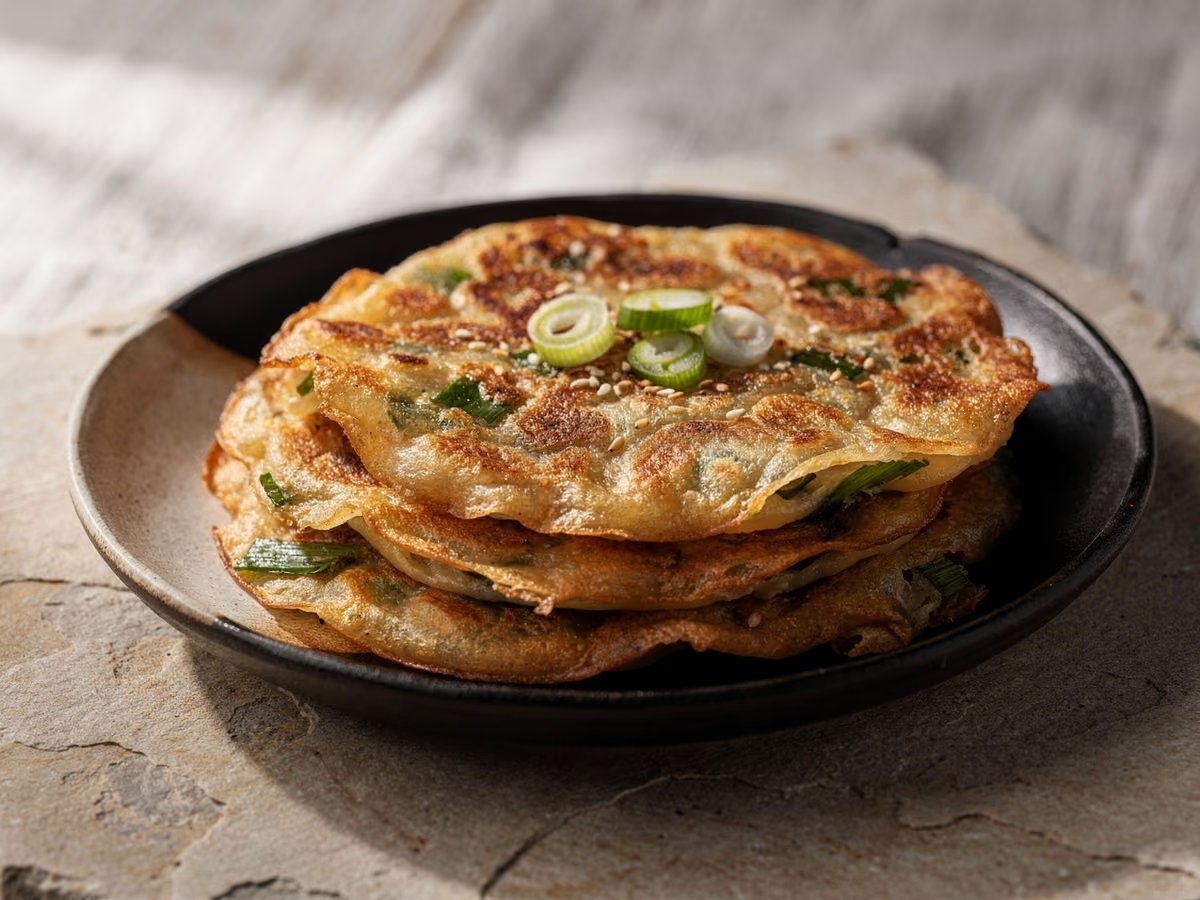
Heat 1 tbsp vegetable oil in a large non-stick or cast-iron skillet over medium heat. Place one pancake in the pan and cook for 2–3 minutes per side until deep golden brown and crisp, pressing lightly with a spatula. Repeat with the remaining pancakes, adding more vegetable oil as needed.
While the pancakes cook, stir together 2 tbsp soy sauce, 1 tsp rice vinegar, and 1 tsp sugar in a small bowl until the sugar dissolves. Serve the hot pancakes cut into wedges with the dipping sauce.
Kitchen notes
Kitchen notes
- The most common mistake is using cold water: hot water (around 80°C) gelatinizes the flour, giving the pancakes their signature flaky, tender layers. Cold water makes a tough, chewy dough.
- Do not skip the 30-minute rest. Resting relaxes the gluten so the dough rolls thin without springing back, which is essential for crisp layers.
- When coiling and re-rolling, keep the sesame oil and scallions inside the layers. If they spill out, the pancake will not puff and separate properly.
- Cook over medium heat, not high. High heat browns the outside before the inside cooks, leaving a raw, doughy center. The pancake is done when both sides are deep golden and it feels firm and crisp when tapped.
Substitutions
- all-purpose flour→bread flour (add 1-2 tbsp extra water)
- sesame oil→neutral vegetable oil with 1/4 tsp toasted sesame seeds
- scallions→thinly sliced garlic chives or leeks
- soy sauce→coconut aminos for a soy-free dip
- rice vinegar→apple cider vinegar
Storage & reheating
Store cooled pancakes in an airtight container in the refrigerator for up to 3 days. To reheat, place them in a single layer on a baking sheet in a 180°C oven for 5-7 minutes, or re-crisp in a dry skillet over medium heat for 2 minutes per side. For longer storage, freeze cooked pancakes between sheets of parchment in a zip-top bag for up to 2 months; reheat directly from frozen in a 190°C oven for 10-12 minutes. Do not microwave, as they will become chewy and lose their flaky texture.
FAQ
The questions we get asked most
Why did my scallion pancakes turn out tough and chewy instead of flaky?
Tough pancakes usually come from using cold water or skipping the rest. Hot water (about 80°C) partially cooks the flour, which weakens gluten and creates tender layers. Also, if you knead too long after adding water, the gluten strengthens and the pancakes become chewy. Rest the dough for 30 minutes before rolling.
Can I make the dough ahead of time?
Yes. The kneaded dough can be wrapped tightly in plastic and refrigerated for up to 24 hours. Let it come to room temperature for 20 minutes before rolling, otherwise it will be stiff and tear. You can also roll, coil, and flatten the pancakes, then stack them with parchment between layers and refrigerate for up to 8 hours before cooking.
How do I keep the scallions from burning during cooking?
Keep the scallions inside the coiled layers rather than on the surface. When you roll the dough into a cylinder and coil it, the scallions get sealed inside. Also, cook over medium heat, not high. If any scallions do peek out, they may char slightly, which is normal, but the bulk should stay protected.
Can I freeze scallion pancakes?
Yes, freeze cooked pancakes for up to 2 months. Separate them with parchment paper and store in a zip-top bag. Reheat from frozen in a 190°C oven for 10-12 minutes, or pan-fry from frozen over medium heat for 3-4 minutes per side. Raw rolled pancakes can also be frozen; cook them directly from frozen, adding 1-2 minutes per side.
Why are my pancakes not puffing up or separating into layers?
The layers come from the sesame oil brushed between the rolled dough. If you skip the oil or use too little, the layers stick together. Also, rolling too thin after coiling can press the layers together. Roll gently to about 2-3 mm thickness and do not press too hard with the spatula while cooking.
What can I use instead of scallions?
Thinly sliced garlic chives, leeks, or even finely chopped onion work well. For a different flavor, try adding a pinch of five-spice powder or a light sprinkle of toasted sesame seeds with the scallions. Avoid using dried scallions, as they lack the fresh bite and moisture.
How do I know when the pancakes are fully cooked?
The pancakes are done when both sides are deep golden brown and the surface feels firm and crisp when tapped with a spatula. If you press the center and it feels soft or doughy, cook for another minute per side. The total cooking time is usually 4-6 minutes per pancake over medium heat.
Ask KitchenMind about this recipe
Tell it what’s different tonight — it works within the actual recipe.