- Prep
- 10 min
- Cook
- 60 min
- Total
- 70 min
- Serves
- 6
Ingredients
What you’ll need — tap to tick off as you go
- 1 ¼ l
- 120 ml
- 2 tbsp
- 3 tbsp
- 1 tsp
- 1 tbsp
- 1 tsp
Process
Timers built in · swap anything · ask as you cook
Put the eggs in a single layer in a saucepan and add cold water to cover by 2 cm. Bring to a boil over medium heat, then lower the heat and simmer for 7 minutes.
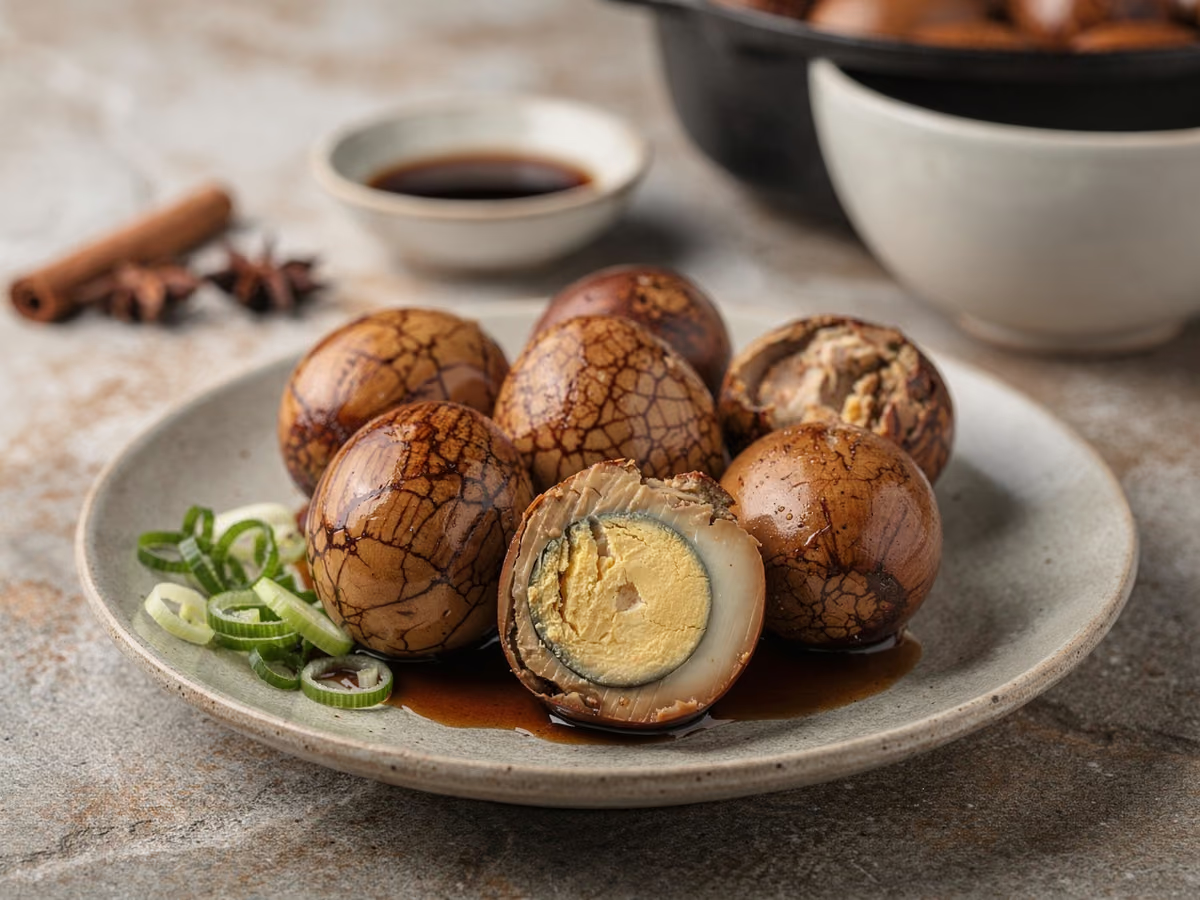
Drain the eggs and run them under cold water for 2 minutes, then tap each egg all over with the back of a spoon until the shell is covered in fine cracks. Do not peel them.
Return the cracked eggs to the empty saucepan and add 1.2 l water, 120 ml soy sauce, 2 tbsp dark soy sauce, 3 tbsp black tea leaves, 3 star anise, 1 cinnamon stick, 1 tsp sichuan peppercorns, 1 tbsp sugar, 1 tsp salt and the strip of orange peel.
Bring the brine to a boil over high heat, then reduce to low, cover and simmer gently for 40 minutes. Keep the liquid at a bare tremble so the eggs do not knock together and split open.
Turn off the heat and let the eggs cool in the brine for at least 1 hour, or refrigerate them in the liquid overnight for the deepest marbling.
Lift the eggs out, peel them, and serve whole or cut into halves. Spoon a little of the strained brine over the cut eggs if you like.
Kitchen notes
Kitchen notes
- The most common mistake is cracking the eggs too roughly or too early: crack them after the first boil and only until the shell is webbed, or the whites tear and the brine turns them rubbery.
- Simmer, never boil hard. A rolling boil makes the eggs bounce, crack open and leak white into the brine, which clouds it and weakens the marbling.
- The marbling is a steeping process, not a cooking one. Two hours in the brine gives pale lines; overnight in the fridge gives the dark, spiderweb pattern the dish is known for.
- Use a stainless steel or enameled pot. Aluminum reacts with the soy and tea and can leave a metallic taste and a gray tinge on the eggs.
Substitutions
- black tea leaves→4 black tea bags, tags removed
- sichuan peppercorns→1 tsp black peppercorns
- dark soy sauce→1 tbsp regular soy sauce plus 1 tsp sugar
- orange peel→a 3 cm piece of fresh ginger, sliced
Storage & reheating
Keep unpeeled tea eggs submerged in the brine in a sealed container in the fridge for up to 5 days; the flavor deepens each day. Peeled eggs keep 3 days in a small amount of brine to stop them drying out. To serve, reheat gently in the brine over low heat for 5 minutes, or eat them cold straight from the fridge. Do not freeze: the whites turn spongy and weepy.
FAQ
The questions we get asked most
Why are my tea eggs pale with no marbling?
The cracks were too shallow or the steeping time was too short. Tap the shells until you see a fine network of cracks all over, and leave the eggs in the brine overnight in the fridge. The brine must also be strong enough, so do not dilute it with extra water.
How long do Chinese tea eggs need to soak?
A minimum of 2 hours gives light flavor, but 12 to 24 hours in the fridge produces the classic dark marbled look and a properly savory egg. They are at their best on day 2, and stay good for up to 5 days in the brine.
Can I reuse the brine for a second batch?
Yes, once. Strain out the tea leaves and spices, boil the liquid for 5 minutes to sterilize it, then cool and refrigerate it for up to 3 days. The second batch will be milder, so add 2 tbsp fresh soy sauce and 1 tbsp tea leaves before simmering.
Why did my eggs crack open and leak during cooking?
The heat was too high or the eggs were crowded. Simmer, never boil, and use a pot just large enough to hold the eggs in one layer. Starting the eggs in cold water and cooking them for exactly 7 minutes before cracking also keeps the whites firm and intact.
Can I make tea eggs in a slow cooker or pressure cooker?
Yes. For a slow cooker, cook the cracked eggs in the brine on low for 3 hours, then steep overnight. In a pressure cooker, cook at high pressure for 5 minutes, release naturally, crack the shells and steep in the warm brine for at least 4 hours.
Are tea eggs supposed to be salty and firm?
Yes, they are a strongly seasoned snack, not a soft-boiled egg. The long brine makes them firmer and saltier than a plain boiled egg, which is why they are usually eaten in halves or slices with rice or noodles rather than on their own.
Can I use green tea or herbal tea instead of black tea?
Black tea is traditional because it gives the deepest color and a malty, slightly smoky note. Green tea works but the eggs stay paler and taste grassier, and herbal infusions such as chamomile add little color. If using green tea, use 4 tbsp and add 1 extra tbsp soy sauce.
Ask KitchenMind about this recipe
Tell it what’s different tonight — it works within the actual recipe.