- Prep
- 20 min
- Cook
- 15 min
- Total
- 35 min
- Serves
- 4
Ingredients
What you’ll need — tap to tick off as you go
- 150 g
- 40 g
- 220 ml
- 3 g
- 150 g
- 120 g
- 100 g
- 100 g
- 45 ml
- 30 ml
- 15 ml
- 4 g
- 5 g
- 2 g
Process
Timers built in · swap anything · ask as you cook
Make the dipping sauce: stir together the soy sauce, rice vinegar, sugar, sesame seeds and gochugaru in a small bowl until the sugar dissolves. Set aside.
Whisk the all-purpose flour, cornstarch and fine salt in a large bowl. Add the egg and ice-cold water and whisk just until smooth, about 10 seconds. A few small lumps are fine; overmixing makes the pancake tough.
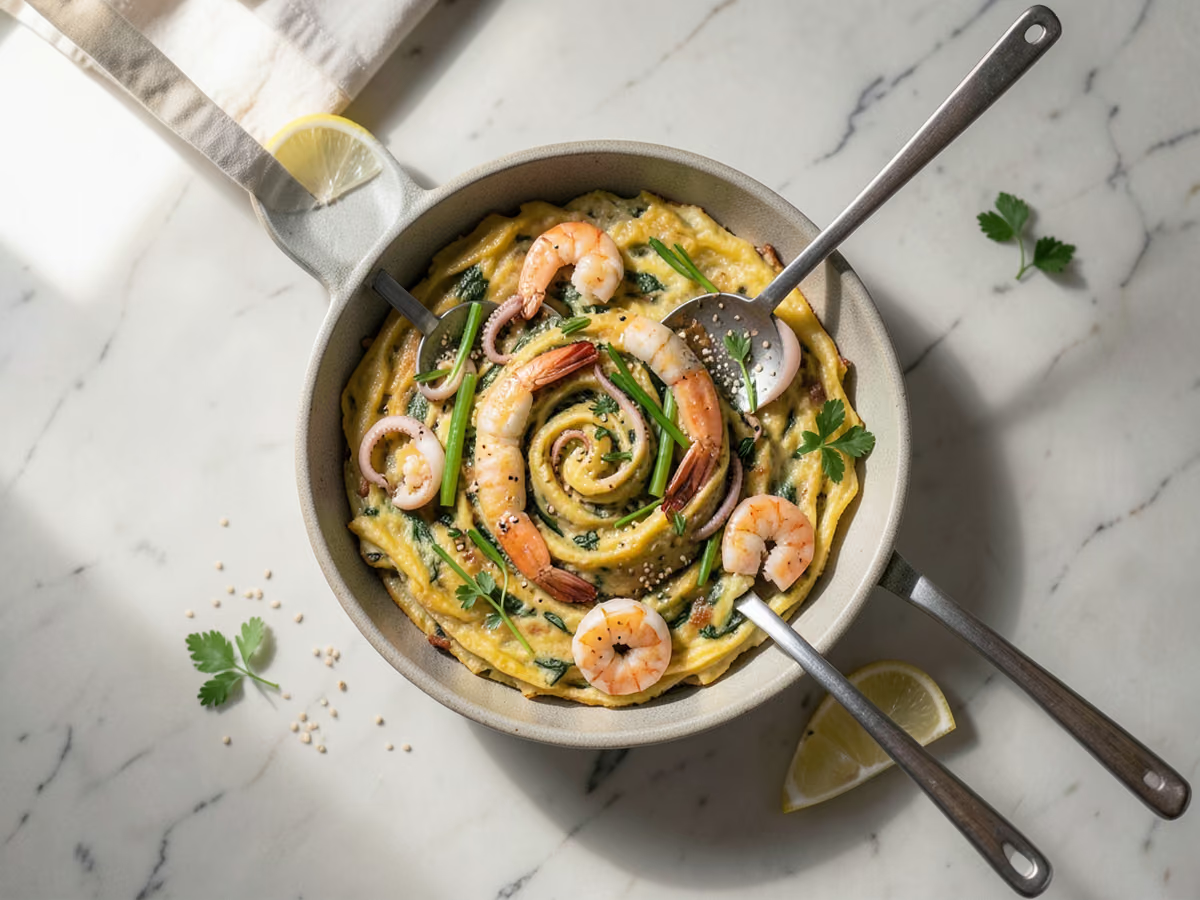
Pat the shrimp, squid and clams very dry with paper towels. Fold the seafood and the scallions into the batter; the mixture should be thick and cling to the scallions, not runny.
Heat 30 ml of the neutral oil in a 26 cm non-stick or cast-iron skillet over medium-high heat until it shimmers but does not smoke.
Pour in the batter and spread it into an even 1.5 cm layer with a spatula, pressing the scallions and seafood flat so they make contact with the pan.
Cook undisturbed for 4–5 minutes, until the edges are set and deep golden underneath. Lift a corner with a spatula to check; if it sticks, cook 1 minute more.
Drizzle the remaining 15 ml oil around the rim of the pan. Slide a large plate over the pan, invert the pancake onto it, then slide it back into the pan cooked side up.
Cook the second side for 3–4 minutes, pressing gently with the spatula, until crisp and golden. The pancake is done when a skewer inserted in the center comes out hot with no wet batter.
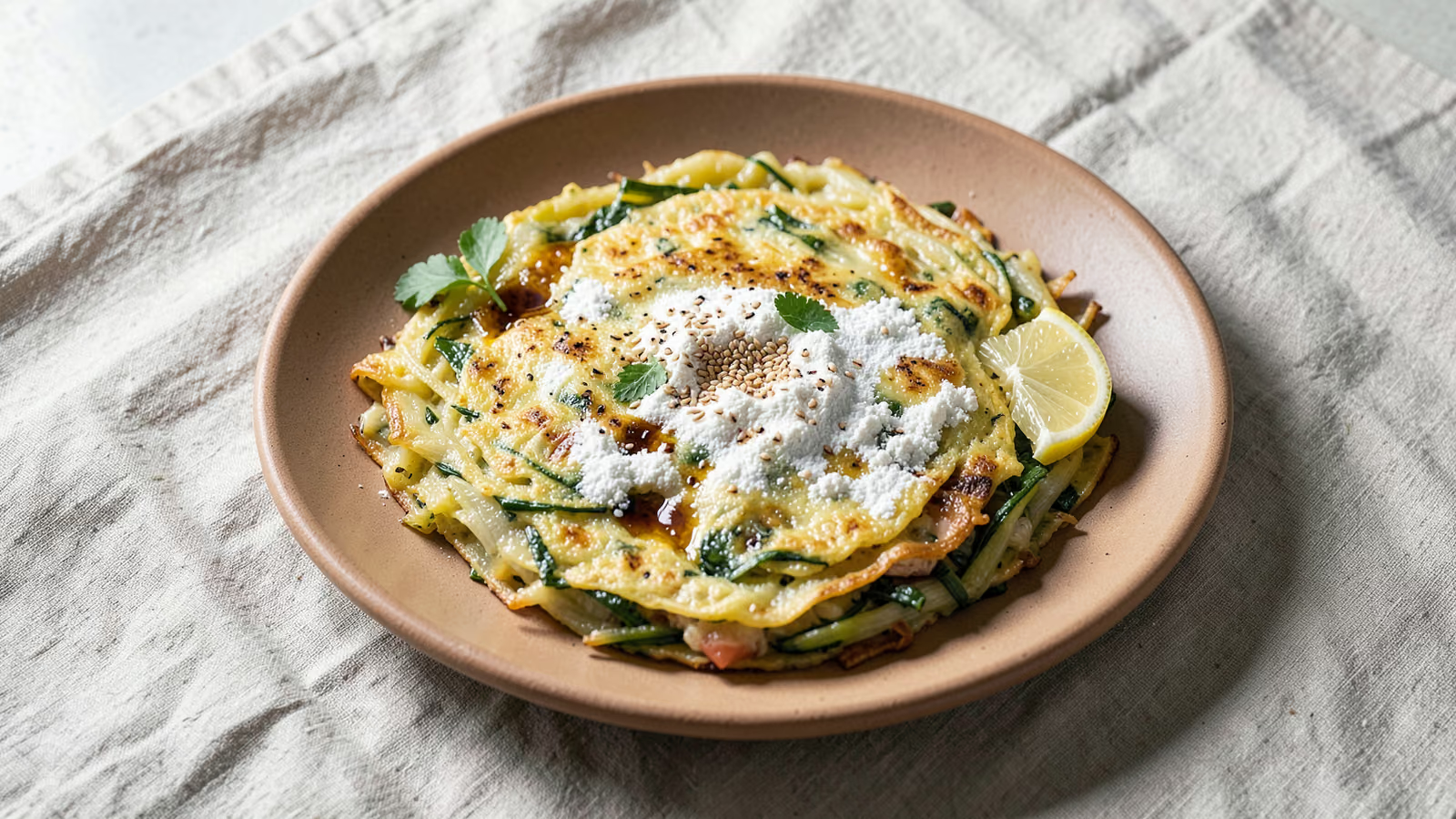
Slide onto a cutting board, rest 1 minute, cut into wedges and serve immediately with the dipping sauce.
Kitchen notes
Kitchen notes
- The most common mistake is a soggy pancake: use ice-cold water and do not thin the batter too much. It should coat the scallions thickly, not pour like crepe batter.
- Pat the seafood bone-dry before mixing. Any surface water steams the pancake instead of frying it crisp.
- Do not crowd the pan or flip too early. Wait until the underside is deep golden and releases on its own; a pale pancake will tear.
- For extra crunch, add 1 tbsp of rice flour or replace 20 g of the all-purpose flour with cornstarch, and fry in a generous layer of oil.
Substitutions
- squid→extra shrimp or small octopus pieces
- clams→canned drained clams or chopped mussels
- rice vinegar→apple cider vinegar
- gochugaru→red pepper flakes or omit for a mild sauce
- all-purpose flour→gluten-free all-purpose flour blend for a gluten-free version
Storage & reheating
Store leftover pajeon in an airtight container in the fridge for up to 2 days. Reheat in a 200°C oven on a wire rack for 6-8 minutes, or in a dry skillet over medium heat for 3-4 minutes per side, to bring back the crispness. Do not microwave, as it turns the pancake rubbery. The dipping sauce keeps in a sealed jar in the fridge for up to 1 week.
FAQ
The questions we get asked most
Why did my haemul pajeon turn out soggy instead of crispy?
The usual causes are wet seafood, too much water in the batter, or not enough oil in the pan. Pat the shrimp, squid and clams completely dry, keep the batter thick enough to cling to the scallions, and fry in a generous layer of oil over medium-high heat. Also avoid flipping before the underside is deep golden and releases on its own.
Can I make the batter ahead of time?
You can whisk the flour, cornstarch, salt, egg and water up to 2 hours ahead and keep it covered in the fridge. Add the scallions and seafood just before frying, because they release water and thin the batter as they sit. If the batter thickens in the fridge, stir in 1 tbsp ice-cold water.
How do I know when the pancake is fully cooked in the middle?
The edges should be crisp and deep golden, and a skewer inserted into the center should come out hot with no wet batter clinging to it. If the outside is browning faster than the inside cooks, lower the heat to medium and cover the pan for 1-2 minutes. The total frying time is usually 8-9 minutes for a 1.5 cm thick pancake.
Can I use frozen seafood for this recipe?
Yes, but thaw it completely overnight in the fridge and pat it very dry before use. Frozen shrimp and squid release a lot of water, so squeeze them gently in paper towels. If using frozen clams, drain them well and chop any large pieces so the pancake cooks evenly.
What can I use instead of squid or clams?
Any firm seafood works: extra shrimp, small octopus, mussels or even canned drained clams. If you want a meat version, thinly sliced cooked chicken or beef also works, though the flavor will be different. Keep the total seafood weight around 320 g so the batter still sets properly.
How do I keep the scallions from burning?
Lay the scallions in the batter so they are coated, and press them flat against the pan rather than letting them stick up. Fry over medium-high heat, not high, and turn the pancake only once. If the scallions are browning too fast, reduce the heat to medium and cook a little longer.
Can I make this pajeon gluten-free?
Yes. Replace the all-purpose flour with a 1:1 gluten-free flour blend and keep the cornstarch, which helps with crispness. The batter may need 1-2 tbsp more ice-cold water to reach the right consistency. Check that your soy sauce is gluten-free, or use tamari.
Ask KitchenMind about this recipe
Tell it what’s different tonight — it works within the actual recipe.