Seven Layer Dip
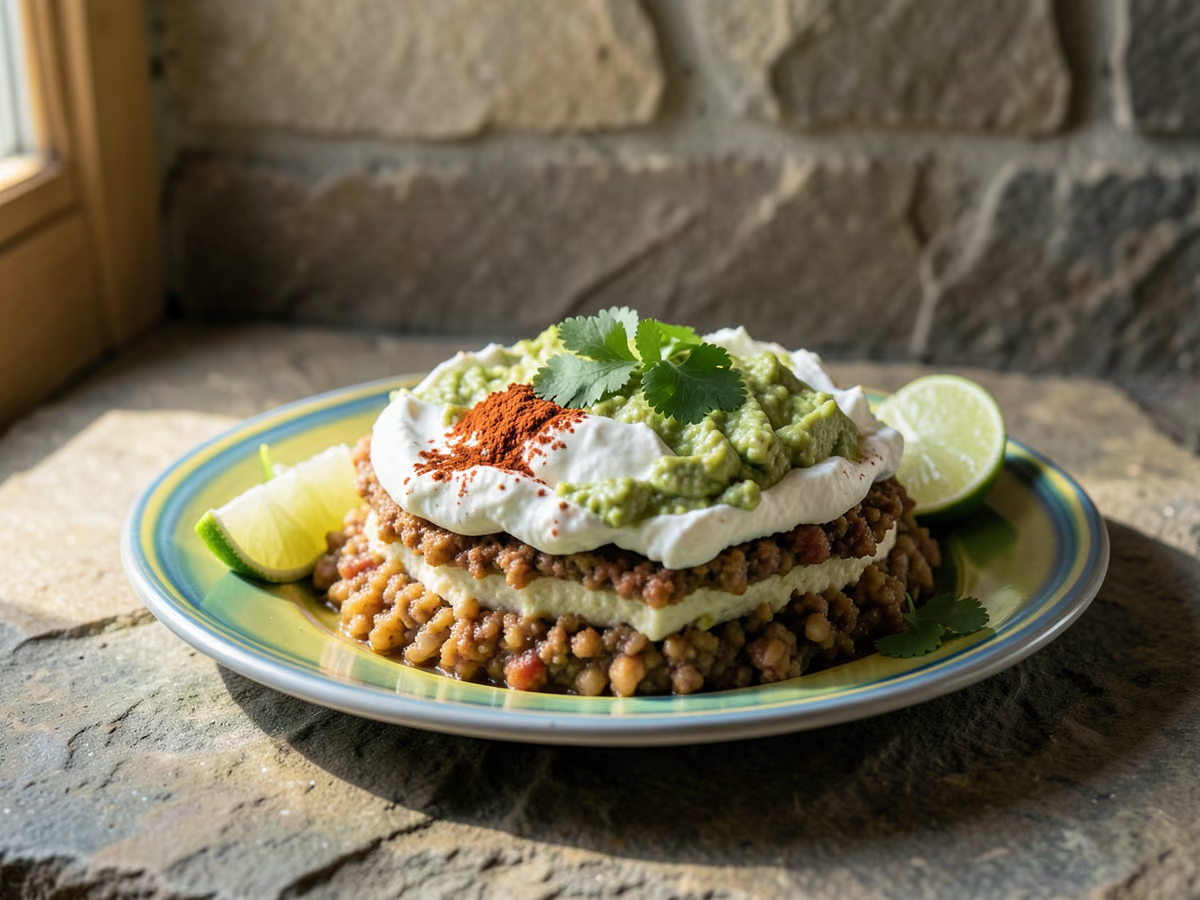
Seven layer dip stacks spiced refried beans, a sour cream and cream cheese layer, guacamole, chunky salsa, melted cheddar and Monterey Jack, then finishes with fresh tomatoes, olives, green onions, and jalapeño. This is the warm, baked style of the Tex-Mex party classic: the bottom six layers go into the oven just until the cheese bubbles and the crisp toppings go on afterwards. Budget about 20 minutes of assembly and 20 to 25 minutes in a 180°C oven; it serves 8 alongside a bowl of tortilla chips.
- Prep
- 20 min
- Cook
- 25 min
- Total
- 45 min
- Serves
- 8
Ingredients
What you’ll need — tap to tick off as you go
- 400 g
- 1 tsp
- 1 tsp
- 240 g
- 113 g
- 300 g
- 200 g
- 150 g
- 100 g
- 100 g
- 200 g
Process
Timers built in · swap anything · ask as you cook
Set the oven to 180°C. In a small bowl, stir the 400 g refried beans with the 1 tsp ground cumin and 1 tsp chili powder until the spices are worked through and the beans loosen into a spreadable paste; that minute of stirring is what keeps the base layer level.
Spoon the beans into a 23 x 33 cm baking dish and spread them into an even layer, pushing all the way into the corners. A level first layer is the foundation for everything on top: any mound left here becomes a ramp for the layers above it.
Beat the 240 g sour cream with the 113 g softened cream cheese until the mixture is completely smooth, then dollop it over the beans and spread it level with a spatula, working gently so the bean layer underneath stays where it is.
Spread the 300 g guacamole evenly over the sour cream layer, right to the edges of the dish. Sealing the guacamole under the layers that follow is what slows its browning, so leave no patches of pale cream showing through.
Spoon the drained 200 g salsa over the guacamole and spread it evenly, stopping short of any thin liquid that has collected. Salsa carries most of the water in this dip, so a drained, chunky spoonful is the best protection against a soupy dish.
Sprinkle the 150 g cheddar and the 100 g Monterey Jack evenly over the salsa, covering it completely. Grate the cheese on the coarse side of a box grater so it melts into one continuous blanket rather than in separate ribbons.
Bake at 180°C for 20 to 25 minutes, until the cheese has melted into a single bubbling layer and the edges of the dip are hot. Pull it at the first sustained bubbling: extra time in the oven is what turns the dairy layers grainy and the guacamole dull.
Take the dish out of the oven and let it stand for 5 minutes so the molten cheese firms enough to hold the toppings, then scatter over the 2 diced tomatoes, the 100 g sliced black olives, the 3 sliced green onions, and the minced jalapeño, if using.
Serve warm, straight from the dish, with the 200 g tortilla chips. Scoop from the edge inwards so each chip pulls through all seven layers, and plan to serve within about half an hour of baking, while the hot layers and the crisp topping still contrast.
Why this recipe works
Baking the bean, dairy, guacamole, and salsa layers together works on two levels: the heat melts the two cheeses into one stretchy blanket that seals the salsa in place, and it warms the spiced beans through so they scoop cleanly instead of tearing the layers above. Beating the sour cream with softened cream cheese gives that layer enough body to hold up under oven heat instead of running. The toppings that would suffer from baking stay out of the oven entirely: diced tomatoes, olives, green onions, and jalapeño go on after the dish comes out, which keeps their crunch and stops the guacamole from cooking to a dull olive colour.
Equipment
- 23 x 33 cm (9 x 13 inch) baking dish, about 5 cm deep, or a wide shallow serving dish with sides
- Large mixing bowl and a small bowl
- Flexible spatula for spreading each layer level
- Fork or small whisk for beating the sour cream and cream cheese smooth
- Box grater, if you are shredding the cheese from blocks
- Colander or small sieve for draining the salsa and olives
- Aluminium foil, to tent the top if the cheese browns early
Kitchen notes
Kitchen notes
- Warm the beans briefly, a minute in a small pan or 30 seconds in the microwave, before spreading: warm beans level out into a thinner, more even base and hold the layers above in place.
- Grate the cheese yourself on the coarse side of a box grater. The starch that keeps pre-shredded cheese from clumping also keeps it from melting into a smooth, continuous blanket.
- Drain the salsa in a fine sieve for five minutes and pat the olives dry; moisture is what turns this dip soupy by the time the second round of guests arrives.
- Use your widest shallow dish rather than a deep bowl or a trifle dish: more surface area means a shorter scoop for the chip to reach the beans, and every layer stays visible at the rim.
- Wait for the 5-minute rest before topping the dip. Scattering tomatoes and olives onto cheese that is still molten pushes them under the surface, where they steam and release water.
Common mistakes
- A watery dip: the salsa, tomatoes, or olives went in with their liquid, or the dish stayed in the oven past the bubbling point. Drain the salsa and olives, seed the tomatoes, and pull the dip as soon as the cheese bubbles.
- Dull, greyish guacamole: heat and air both darken it, and a thin patch in the layer lets each reach it. Spread the guacamole edge to edge over the sour cream and keep the bake to 20 to 25 minutes at 180°C.
- Layers that merge into one mush: beans mounded in the middle or thick layers dolloped unevenly and spread too hard. Level every layer and push it into the corners before the next one goes on.
- Cheese that turns stringy and greasy: pre-shredded cheese or an overlong bake. Grate from a block and stop the bake as soon as the surface sets and bubbles at the rim.
- A cold centre: a dish assembled ahead and baked straight from the fridge heats unevenly. Let it stand at room temperature for 15 to 20 minutes before baking, or add 5 to 10 minutes and judge by the bubbling.
- Toppings that sink and weep: heavy, wet vegetables piled onto hot cheese. Pat the olives dry, seed the tomatoes, and add the finishing layer at the last minute before serving.
Serving suggestions
- Serve warm, in the dish it baked in, with the 200 g of tortilla chips; thin restaurant-style chips snap under thick layers, so thick-cut rounds work best.
- Set it out for 8 as an appetiser, or serve it alongside grilled chicken, steak, or fajitas, where it stands in for the beans and the cheese on the plate.
- Pickled jalapeños or a squeeze of lime over the top cut through the richness; keep the drinks cold and the dip warm.
- For a bigger party, split the dip between two smaller dishes and refill from the kitchen rather than letting everyone dig a trench through one deep bowl.
Variations
- Cold party version: skip the oven, spread the same layers, and chill the covered dish for at least an hour, with the cheddar and Jack sprinkled on as a set layer rather than a melted one. It holds up better at a long party and can be made entirely the day before.
- Tex-Mex heat: fold a spoonful of chopped chipotle in adobo into the sour cream and cream cheese layer, or stir a small can of diced green chiles into the beans, adjusting the heat to taste.
- Beef or chicken layer: add a layer of cooked, seasoned ground beef or shredded chicken between the beans and the dairy layer. Cook and drain it first, and keep the rest of the layer order as written.
- Half batch: halve every ingredient and build it in a 20 x 20 cm dish; start checking a few minutes earlier than the full-size bake and serve with a smaller bowl of chips.
Refrigerator
- RefrigeratorCool the dish, then cover and refrigerate within 2 hours of serving, per USDA FSIS guidance for perishable foods. Leftovers keep 3 to 4 days, though the fresh topping loses its edge after the first day; spoon off any liquid that collects before reheating.
- ReheatingReheat portions loosely covered in a 160°C oven for about 10 minutes, or in the microwave, until steaming hot; 74°C is the USDA FSIS reheat guidance for leftovers. Reheat only what you will eat, since the guacamole and fresh vegetables do not improve on a second pass.
- FreezingNot recommended. Sour cream, cream cheese, and guacamole all separate when frozen and thaw grainy and wet, and the layered structure does not survive.
- Make aheadAssemble layers one through six up to 24 hours ahead, cover, and refrigerate; the cheese layer protects everything below it. Bake as directed, allowing 5 to 10 extra minutes from cold, then add the fresh vegetables just before serving.
Updated:
How this recipe was developed
- USDA FSIS, 'Leftovers and Food Safety' — discard perishable food left out over 2 hours; refrigerated leftovers keep 3 to 4 days; reheat leftovers to 74°C
- The Kitchn, 'How To Make Classic 7-Layer Taco Dip' — the classic seven-layer order, draining the fresh salsa so the dip does not turn soggy, make-ahead up to a day
- The Pioneer Woman, '7-Layer Dip' — warming canned refried beans so they spread and taste less canned; draining the pico de gallo and olives well; serving in a wide, shallow dish
- Homesick Texan, 'Seven-layer dip' — the canonical layer set and the note that the beans and sour cream layers help keep the guacamole from darkening
Editorial references are kept internally for verification. This page makes no claim of external certification or professional testing.
FAQ
The questions we get asked most
Can I make seven layer dip ahead of time?
Yes. Assemble layers one through six, everything up to and including the cheese, then cover the dish and refrigerate it for up to 24 hours. Bake it as directed when you are ready, allowing 5 to 10 extra minutes for a dish that goes in cold, and add the tomatoes, olives, green onions, and jalapeño after it comes out of the oven.
Why is my seven layer dip watery?
The liquid almost always arrives with the salsa, tomatoes, or olives, or from baking too long. Drain the salsa and olives, seed the tomatoes, use full-fat sour cream and cream cheese, and take the dish out as soon as the cheese is melted and bubbling.
How long can seven layer dip sit out at a party?
USDA FSIS guidance is to discard perishable food that has been left at room temperature for more than 2 hours, or 1 hour in hot weather above 32°C. Set the warm dip out just before guests arrive and refrigerate what is left within that window.
Can I use dried beans instead of canned refried beans?
Yes. Cook dried pinto or black beans until completely soft, mash the 400 g the recipe calls for, and season them with the cumin and chili powder. The layer is a little coarser but spreads the same way; taste for salt before it goes into the dish.
How do I make seven layer dip vegan?
Use dairy-free sour cream and cream cheese and a vegan shred in place of the cheddar and Jack, and check that the refried beans are vegetarian, since many brands are not. The guacamole, salsa, tomatoes, olives, and green onions are already plant-based; skip the cheese altogether or finish with a cashew queso.
Should seven layer dip be served warm or cold?
This recipe is the warm, baked style: the first six layers bake until the cheese bubbles, and the fresh toppings go on afterwards. It is at its best in the half hour after baking. If you want the cold party version, use the variation that skips the oven and serves the assembled layers chilled.
Why did my guacamole turn brown?
Air and heat are the cause. Keep the guacamole sealed under the salsa and cheese layers rather than exposed, work quickly, and keep the bake short; any guacamole at the surface will darken first. Lime juice slows the change but cannot stop it once the layer is broken.
Ask KitchenMind about this recipe
Tell it what’s different tonight — it works within the actual recipe.