- Prep
- 15 min
- Cook
- 25 min
- Total
- 40 min
- Serves
- 4
Ingredients
What you’ll need — tap to tick off as you go
- 6 slices
- 60 g
- 500 ml
- 100 g
- 100 ml
- ½ g
- 15 g
- 15 g
Process
Timers built in · swap anything · ask as you cook
In a heavy-bottomed pan, bring the full-fat milk to a boil over medium heat. Reduce the heat to low and simmer, stirring every few minutes, until it reduces to about 250 ml and coats the back of a spoon, about 20 minutes. Stir in half of the crushed cardamom and a few saffron strands, then remove from heat and set aside.
While the milk reduces, make the syrup: in a small saucepan, combine the sugar, water, and remaining saffron strands. Bring to a boil over medium heat, then simmer for 5 minutes until slightly thickened. Stir in the remaining crushed cardamom and keep warm.
Heat the ghee in a wide frying pan over medium heat. Fry the bread triangles in batches until golden and crisp on both sides, about 1–2 minutes per side. Drain on paper towels.
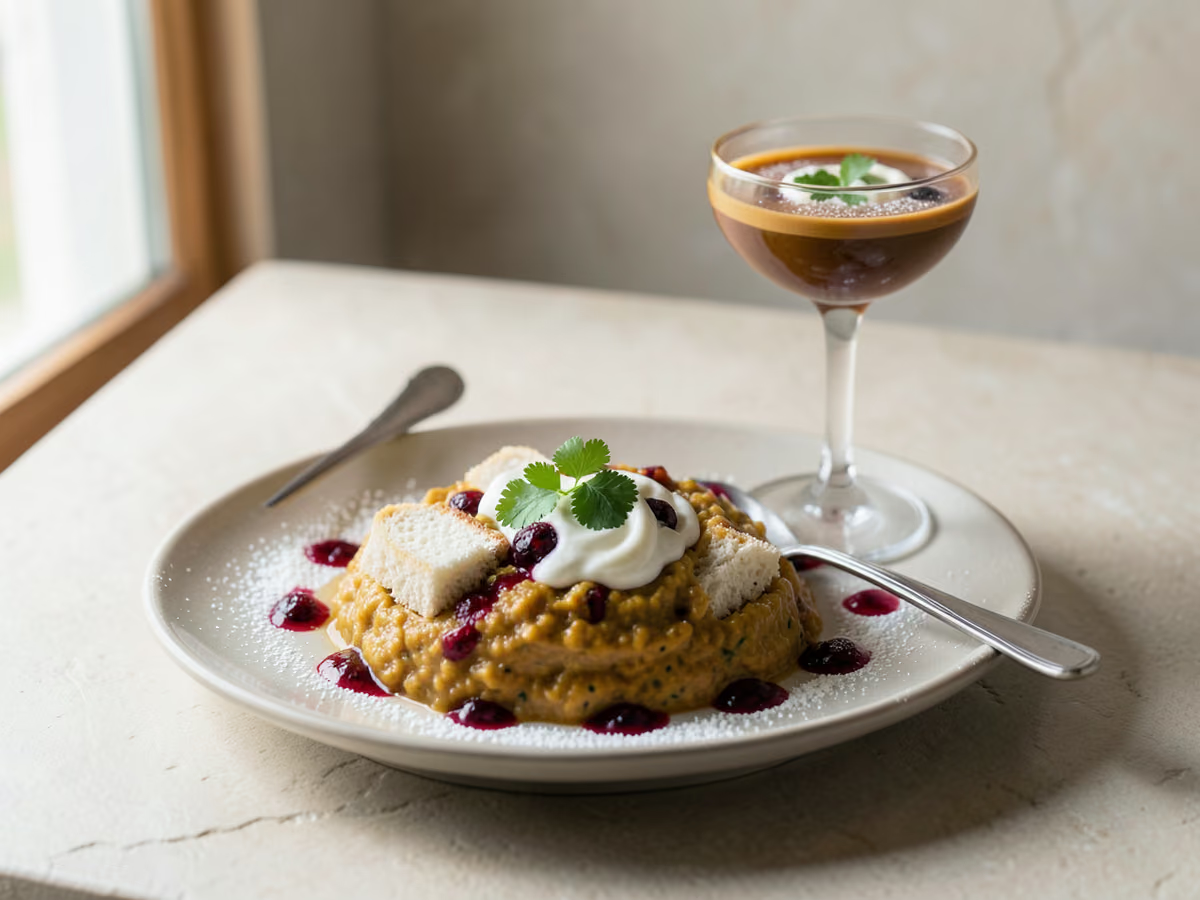
Dip each fried bread triangle into the warm syrup for 10–15 seconds per side, then arrange on a serving platter. Spoon the remaining syrup over the bread if desired.
Pour the reduced milk (rabri) evenly over the soaked bread. Garnish with slivered pistachios and almonds. Serve warm or at room temperature.
Kitchen notes
Kitchen notes
- The most common mistake is soaking the bread too long in the syrup, which makes it soggy. Dip briefly, just 10-15 seconds per side, so the bread stays crisp on the outside and soft inside.
- Use day-old bread; fresh bread absorbs too much syrup and falls apart. If your bread is fresh, lightly toast it before frying.
- Keep the milk at a low simmer and stir often to prevent scorching. A heavy-bottomed pan helps. The rabri is ready when it coats the back of a spoon and a line drawn through it holds.
- Fry the bread in ghee over medium heat, not high, to ensure even golden color and crisp texture without burning.
Substitutions
- ghee→unsalted butter or neutral oil
- full-fat milk→evaporated milk mixed with whole milk
- pistachios→cashews or raisins
Storage & reheating
Store leftover shahi tukda in an airtight container in the refrigerator for up to 2 days. The bread will soften over time. To reheat, place in a 160°C oven for 5-7 minutes, or gently warm in a pan over low heat. Do not microwave, as it makes the bread rubbery.
FAQ
The questions we get asked most
Why did my shahi tukda turn out soggy?
Sogginess usually happens when the bread is soaked in syrup for too long or when the syrup is too thin. Dip the fried bread briefly, only 10-15 seconds per side, and make sure the syrup has reduced to a light coating consistency before soaking.
Can I make shahi tukda ahead of time?
You can prepare the components separately up to a day ahead: fry the bread and store it in an airtight container at room temperature, and make the rabri and syrup and refrigerate them. Assemble just before serving to keep the bread crisp.
How do I know when the rabri is ready?
The rabri is ready when it has reduced by about half and coats the back of a spoon. Run your finger through the coating; if it leaves a clear line that holds, it is thick enough. It will also thicken slightly as it cools.
Can I use a different type of bread?
Yes, you can use brioche, challah, or even croissants for a richer version, but avoid very soft sandwich bread as it tends to fall apart. Day-old bread works best because it is drier and absorbs less syrup.
Is shahi tukda served hot or cold?
Shahi tukda is traditionally served warm or at room temperature. If you refrigerate it, the bread will become firm and the rabri thick; reheat gently in a low oven before serving for the best texture.
Can I make this recipe vegan?
Yes, substitute the ghee with a neutral oil or vegan butter, and use full-fat coconut milk or almond milk for the rabri. Note that the rabri may not thicken as much with plant-based milk, so simmer it a little longer.
Ask KitchenMind about this recipe
Tell it what’s different tonight — it works within the actual recipe.