Tahdig Crispy Rice
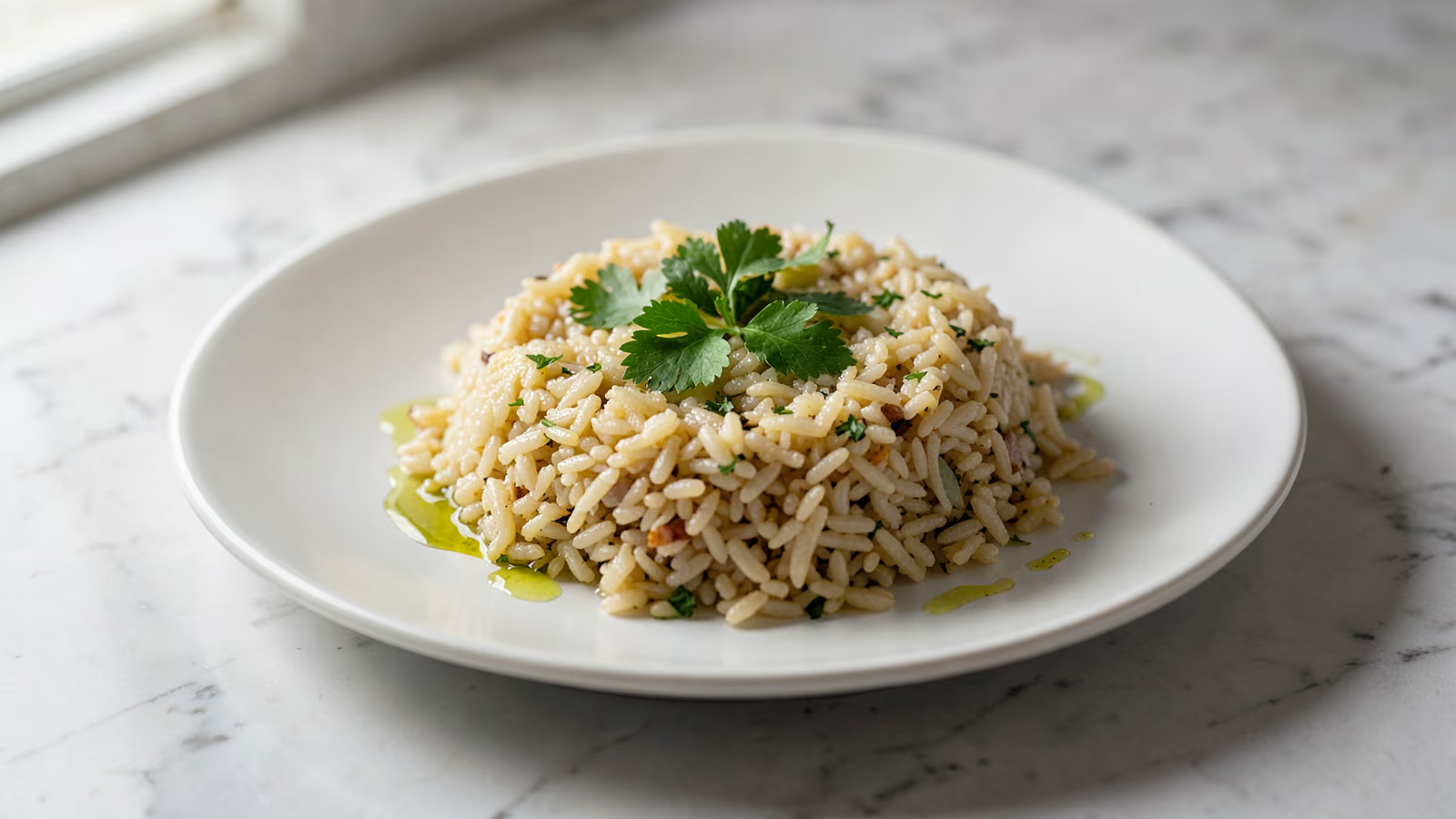
Steam basmati with yogurt and saffron until the crust forms, then flip the pot to serve the crisp layer on top. Serves 6; 20 minutes prep, 60 minutes cooking.
- Prep
- 20 min
- Cook
- 60 min
- Total
- 80 min
- Serves
- 6
Ingredients
What you’ll need — tap to tick off as you go
- 3 cups
- ½ cups
- ¼ tsp
- ¼ cups
- 2 tbsp
- 1 tbsp
- 8 cups
Process
Timers built in · swap anything · ask as you cook
Rinse the basmati rice in a large bowl under cold water, changing the water 4–5 times until it runs clear. Drain well.
In a large pot, bring 8 cups water and 1 tbsp salt to a boil. Add the drained rice and cook for 6–8 minutes, until the grains are al dente (soft outside but still firm in the center). Drain immediately and rinse with lukewarm water to stop cooking.
In a small bowl, crush the saffron threads and add 2 tbsp hot water. Let bloom for 5 minutes. In a large bowl, whisk together the plain yogurt, egg, bloomed saffron, and a pinch of salt. Add 1 cup of the par-cooked rice and mix well to create the tahdig layer.
Heat 1/4 cup vegetable oil and 2 tbsp melted unsalted butter in a nonstick pot (about 24 cm) over medium heat. Swirl to coat the bottom evenly.
Spread the yogurt-rice mixture evenly over the bottom of the pot, pressing gently with the back of a spoon to form a flat layer.
Carefully spoon the remaining par-cooked rice over the tahdig layer, mounding it into a pyramid shape. Do not pack it down. Poke 4–5 holes through the rice with the handle of a wooden spoon to allow steam to escape.
Wrap the pot lid in a clean kitchen towel and cover the pot. Cook on medium heat for 5 minutes, then reduce heat to low and cook for 45–50 minutes, until the rice is fluffy and a golden crust has formed. You can lift the lid once after 30 minutes to check that the bottom is not burning; if you smell burning, reduce heat further.
Remove the pot from heat and let it rest, covered, for 10 minutes. To serve, place a large platter over the pot and carefully invert. The tahdig should release as a single golden disc. If it sticks, return the pot to low heat for 2–3 minutes to loosen, then try again.

Kitchen notes
Kitchen notes
- The most common mistake is not rinsing the rice enough; excess starch makes the tahdig gluey instead of crispy. Rinse until the water is completely clear.
- Do not skip the yogurt-egg mixture; it acts as a binder and guarantees a crunchy, cohesive crust even for beginners.
- The doneness marker: you should hear a faint sizzling sound during the last 15 minutes. If you smell burning, lower the heat immediately and move the pot to a different burner if needed.
- Let the pot rest off the heat for 10 minutes before inverting; this allows the crust to firm up and release cleanly.
Substitutions
- plain yogurt→sour cream or Greek yogurt
- saffron threads→1/4 tsp ground turmeric (for color, but flavor will differ)
- vegetable oil→grapeseed oil or canola oil
Storage & reheating
Store leftover tahdig and rice in an airtight container in the refrigerator for up to 3 days. To reheat, spread the rice on a baking sheet and warm in a 180°C oven for 8-10 minutes, or reheat in a covered skillet over low heat until hot. For best texture, re-crisp the tahdig separately in a dry nonstick pan over medium heat for 2-3 minutes per side.
FAQ
The questions we get asked most
Why did my tahdig stick to the pot?
Sticking usually happens because the heat was too high or the pot was not nonstick. Use a heavy-bottomed nonstick pot and start on medium heat, then reduce to low. Also, make sure the oil and butter fully coat the bottom before adding the rice mixture.
Can I make tahdig without yogurt or egg?
Yes, you can simply use oil and a layer of rice, but the crust may be less cohesive and more prone to burning. The yogurt-egg mixture helps bind the crust and adds a tangy flavor. For a vegan version, omit the egg and use a flax egg or just extra oil.
How do I know when the tahdig is done?
The tahdig is done when you hear a consistent sizzling sound and the rice on top is fluffy. You can also lift the edge with a spatula after 40 minutes; if it is golden brown and releases easily, it is ready. If it is pale, cook for another 5-10 minutes on low.
Can I use a different type of rice?
Basmati is ideal because its grains stay separate and firm. Other long-grain rice like jasmine can work but may be stickier. Avoid short-grain rice like sushi rice, as it will become mushy.
How can I make the tahdig extra crispy?
For extra crispiness, increase the oil to 1/3 cup and cook the tahdig on low heat for the full 50 minutes. You can also uncover the pot for the last 5 minutes to let steam escape. Just be careful not to burn it.
Can I prepare tahdig ahead of time?
You can par-cook the rice and prepare the tahdig mixture up to 1 day in advance and store in the refrigerator. When ready to cook, assemble and cook as directed, adding a few extra minutes to the cooking time if the rice is cold.
What should I serve with tahdig?
Tahdig is traditionally served with Persian stews like ghormeh sabzi or fesenjan, or with grilled meats and salads. It can also be enjoyed on its own as a crispy snack.
Ask KitchenMind about this recipe
Tell it what’s different tonight — it works within the actual recipe.