- Prep
- 15 min
- Cook
- 20 min
- Total
- 35 min
- Serves
- 4
Ingredients
What you’ll need — tap to tick off as you go
- 300 g
- 120 ml
- 1 tsp
- ½ tsp
- 40 g
Process
Timers built in · swap anything · ask as you cook
Bring a large pot of water to a rolling boil and add 1 tbsp salt.
In a large bowl, whisk together 300 g all-purpose flour, 1 tsp salt and 0.5 tsp nutmeg.
In a separate bowl, beat 4 eggs with 120 ml lukewarm whole milk until smooth.
Pour the egg mixture into the flour mixture and stir with a wooden spoon until a thick, sticky batter forms. Beat vigorously for 2–3 minutes until the batter is smooth and elastic. It should be thicker than pancake batter but still drop from the spoon.
If you have a spaetzle press, fill it with batter and press directly into the boiling water. Otherwise, place a portion of batter on a wet cutting board and use a knife or bench scraper to scrape small, thin strips into the water.
Cook the spaetzle in batches. They are done when they float to the surface, about 2–3 minutes. Remove with a slotted spoon and transfer to a colander. Rinse briefly with cold water to stop cooking and drain well.
In a large skillet, melt 40 g butter over medium heat until it foams and turns light brown. Add the drained spaetzle and toss to coat. Cook for 3–5 minutes, stirring occasionally, until heated through and lightly golden in spots.
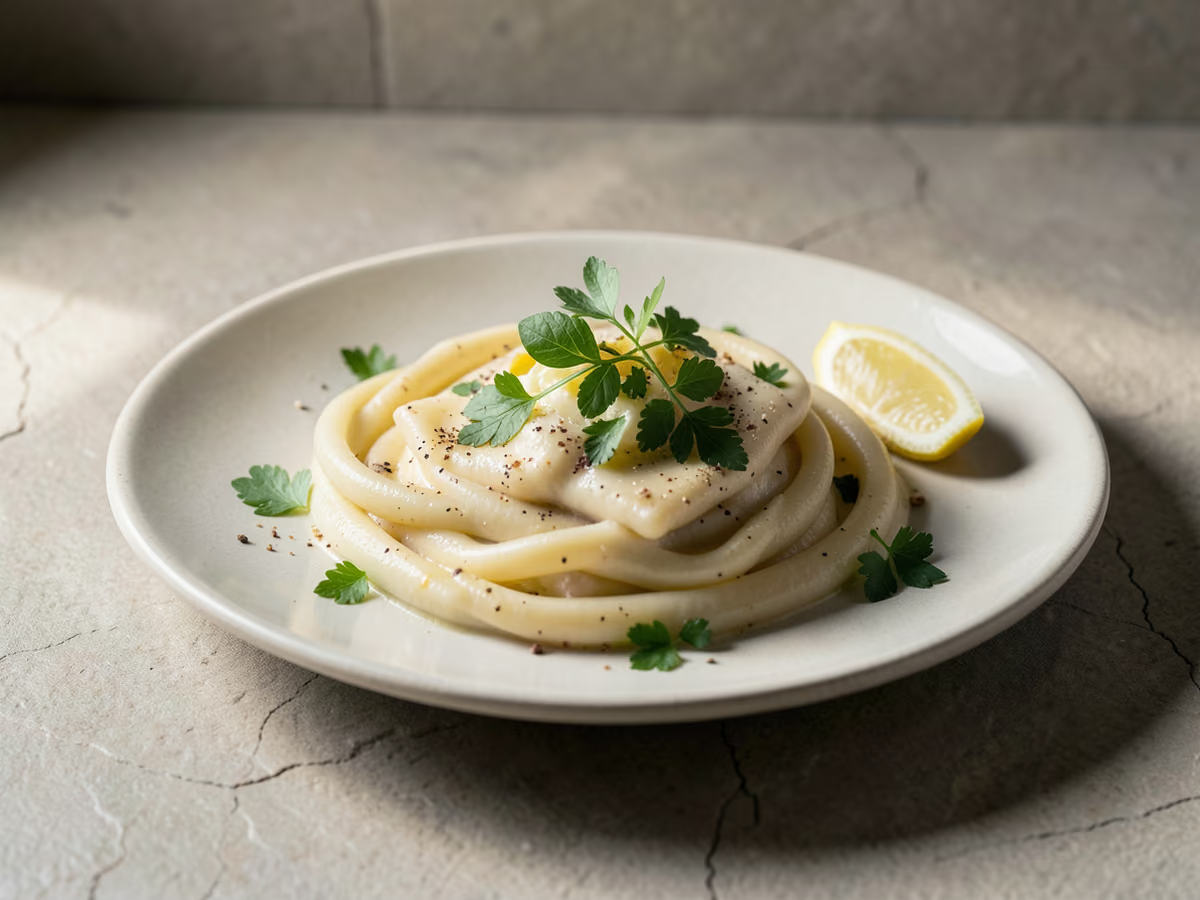
Serve immediately as a side dish, or top with additional browned butter and a sprinkle of salt if desired.
Kitchen notes
Kitchen notes
- The most common mistake is a batter that is too thin, which makes mushy spaetzle. It should be thick enough to cling to a spoon; if it drips easily, add more flour, 1 tbsp at a time.
- Do not overcrowd the pot when boiling; cook in batches so the water stays at a rolling boil. Overcrowding lowers the temperature and the spaetzle will stick together.
- After boiling, rinse the spaetzle in cold water to stop the cooking and prevent them from becoming gummy. Drain very well before sautéing in butter, or they will steam instead of brown.
- For extra flavor, sauté a finely chopped onion in the butter before adding the spaetzle.
Substitutions
- whole milk→water or unsweetened oat milk
- butter→olive oil or vegan butter
- all-purpose flour→spelt flour or gluten-free all-purpose blend
Storage & reheating
Store leftover spaetzle in an airtight container in the refrigerator for up to 3 days. To reheat, sauté in a little butter or oil over medium heat until hot and slightly crispy, or microwave covered for 1-2 minutes. For longer storage, freeze the boiled and drained spaetzle in a single layer on a baking sheet, then transfer to a freezer bag for up to 2 months. Reheat frozen spaetzle directly in a hot skillet with butter; no need to thaw.
FAQ
The questions we get asked most
Why did my spaetzle turn out mushy?
Mushy spaetzle usually means the batter was too thin or the spaetzle were overcooked. The batter should be thick and sticky, not runny. Also, boil them only until they float, about 2-3 minutes, and then rinse with cold water to stop the cooking.
Can I make spaetzle without a spaetzle press?
Yes. You can use a colander with large holes and press the batter through with a spatula, or spread a portion of batter on a wet cutting board and scrape thin strips into the boiling water with a knife. A potato ricer also works well.
How do I know when spaetzle are done boiling?
They are done when they float to the surface of the boiling water, which takes about 2-3 minutes. Do not boil them longer or they will become soft and lose their chew.
Can I make spaetzle ahead of time?
Yes. Boil and drain the spaetzle, then toss with a little oil to prevent sticking. Store in the refrigerator for up to 3 days. When ready to serve, sauté in butter until heated through and golden.
Can I freeze spaetzle?
Yes. After boiling and draining, spread the spaetzle on a baking sheet and freeze until solid, then transfer to a freezer bag. They keep for up to 2 months. Reheat directly in a skillet with butter; no thawing needed.
What can I use instead of nutmeg?
Nutmeg is optional and adds a warm note. You can omit it or substitute a pinch of ground mace or a very small amount of cinnamon. If you prefer savory, skip the nutmeg and add chopped fresh herbs like parsley or chives after sautéing.
Ask KitchenMind about this recipe
Tell it what’s different tonight — it works within the actual recipe.