- Prep
- 10 min
- Cook
- 20 min
- Total
- 30 min
- Serves
- 4
Ingredients
What you’ll need — tap to tick off as you go
- 1 tbsp
- 60 g
- ½ tsp
- 1 tsp
- 1 tsp
- 4 cloves
- 1 tsp
- 1 pinch
- 1 tsp
- 1 ½ tsp
- 10 g
- 2 tbsp
- 800 ml
Process
Timers built in · swap anything · ask as you cook
Put the 4 chopped tomatoes in a blender with 200 ml of the water and blend to a smooth puree. Set aside.
In a small bowl, mix the 1 tbsp tamarind paste with 100 ml of the water and stir until dissolved.
Crush the 1 tsp black peppercorns and 1 tsp cumin seeds in a mortar to a coarse powder. Add the 1 tsp ground coriander and mix.
Heat 1 tbsp of the sesame oil in a pot over medium heat. Add the 4 crushed garlic cloves and fry for 30 seconds until fragrant, not browned.
Pour in the tomato puree, add the 0.5 tsp turmeric powder and 1.5 tsp salt, and cook over medium heat for 5 minutes until the raw smell disappears.
Add the tamarind water, the mashed 60 g toor dal, the crushed pepper-cumin-coriander mix, and the remaining 500 ml water. Stir well.
Bring to a gentle simmer and cook for 8 minutes. Do not boil hard; the rasam should stay thin and froth slightly at the edges. Taste and adjust salt.
For the tempering, heat the remaining 1 tbsp sesame oil in a small pan over medium heat. Add the 1 tsp mustard seeds and let them pop, about 30 seconds.
Add the 2 broken dried red chillies, the curry leaves, and the 1 pinch asafoetida to the tempering pan. Fry for 20 seconds, then pour everything into the rasam.
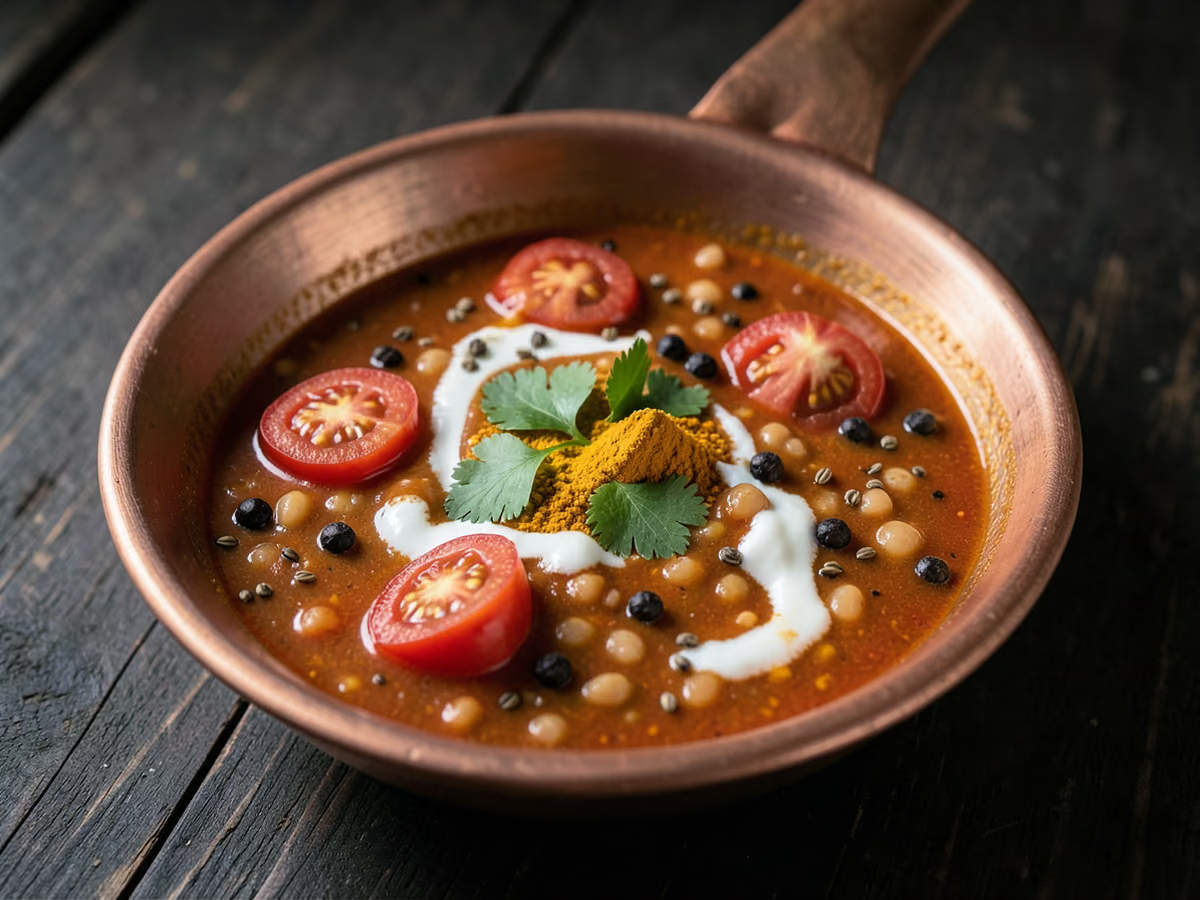
Stir, cover, and rest off the heat for 3 minutes. Garnish with the 10 g chopped coriander leaves and serve hot.
Kitchen notes
Kitchen notes
- The most common mistake is boiling rasam hard for too long. It should simmer gently and never reduce to a thick soup, or the tamarind turns bitter and the aroma is lost.
- Rasam is done when it smells of pepper and curry leaves rather than raw tomato, and a thin froth rings the edge of the pot. It should taste tangy and peppery, not sour.
- Crush the pepper and cumin fresh; pre-ground pepper loses the heat that defines rasam. Keep half the cumin whole for the tempering so it pops in the oil.
- If the rasam tastes too sour, add 100 ml water and a pinch of sugar, then simmer 2 minutes. If it tastes flat, add salt and a few more crushed peppercorns, not more tamarind.
Substitutions
- tamarind paste→1 tbsp lemon juice added off the heat
- toor dal→60 g cooked red lentils or 2 tbsp cooked moong dal
- sesame oil→any neutral oil such as sunflower or groundnut
- asafoetida→omit entirely; the dish is still authentic without it
Storage & reheating
Cool completely, then store in a covered glass or stainless steel container in the fridge for up to 3 days. The flavour deepens overnight, but the rasam thickens as the dal settles, so stir in 50-100 ml water and reheat gently on the stovetop over medium heat for 3-4 minutes until steaming; do not microwave it on high, as it splatters and separates. Freezing is not recommended because the tomato and dal separate and the curry leaves turn bitter.
FAQ
The questions we get asked most
Why did my tomato rasam turn bitter?
Bitterness almost always comes from overcooking the tamarind or burning the garlic and pepper. Tamarind should be added after the tomato is cooked and then simmered only 8 minutes, and the garlic should turn fragrant, not brown. If it is already bitter, add 100 ml water, a pinch of sugar, and 2 tbsp cooked dal, then simmer 2 minutes.
Can I make tomato rasam without tamarind?
Yes. Stir 1 tbsp lemon juice into the rasam after you turn off the heat, because boiling lemon juice makes it bitter. The result is brighter and less deep than tamarind rasam, so add an extra chopped tomato for body.
How do I know when tomato rasam is done?
It is ready when the raw tomato smell is gone, the liquid is thin and frothy at the edges, and the aroma of pepper and curry leaves rises from the pot. It should never be thick like sambar; if it coats a spoon heavily, add hot water.
Can I make tomato rasam ahead of time?
Yes, it tastes better made a few hours ahead because the spices infuse. Cook it fully, cool, and refrigerate; add the tempering and coriander just before serving, or reheat gently and temper fresh for the best aroma.
Why is my rasam too sour?
Too much tamarind or unripe tomatoes cause this. For 4 tomatoes, 1 tbsp tamarind paste is enough; if your tomatoes are very tart, reduce the tamarind to 2 tsp. To fix an already sour pot, add 100 ml water, a pinch of sugar, and 2 tbsp cooked dal, then simmer 2 minutes.
Can I use canned tomatoes for tomato rasam?
Yes, use 400 g canned chopped tomatoes in place of the fresh ones. Canned tomatoes are less acidic and sweeter, so start with 2 tsp tamarind paste and add more only after tasting. Simmer 2 minutes longer to cook off the tinny note.
Is tomato rasam gluten-free and vegan?
It is vegan as written because it uses oil, dal, and vegetables only. It is gluten-free only if your asafoetida is certified gluten-free, since many Indian brands cut it with wheat flour; omit it or use a gluten-free brand.
Ask KitchenMind about this recipe
Tell it what’s different tonight — it works within the actual recipe.