Ven Pongal
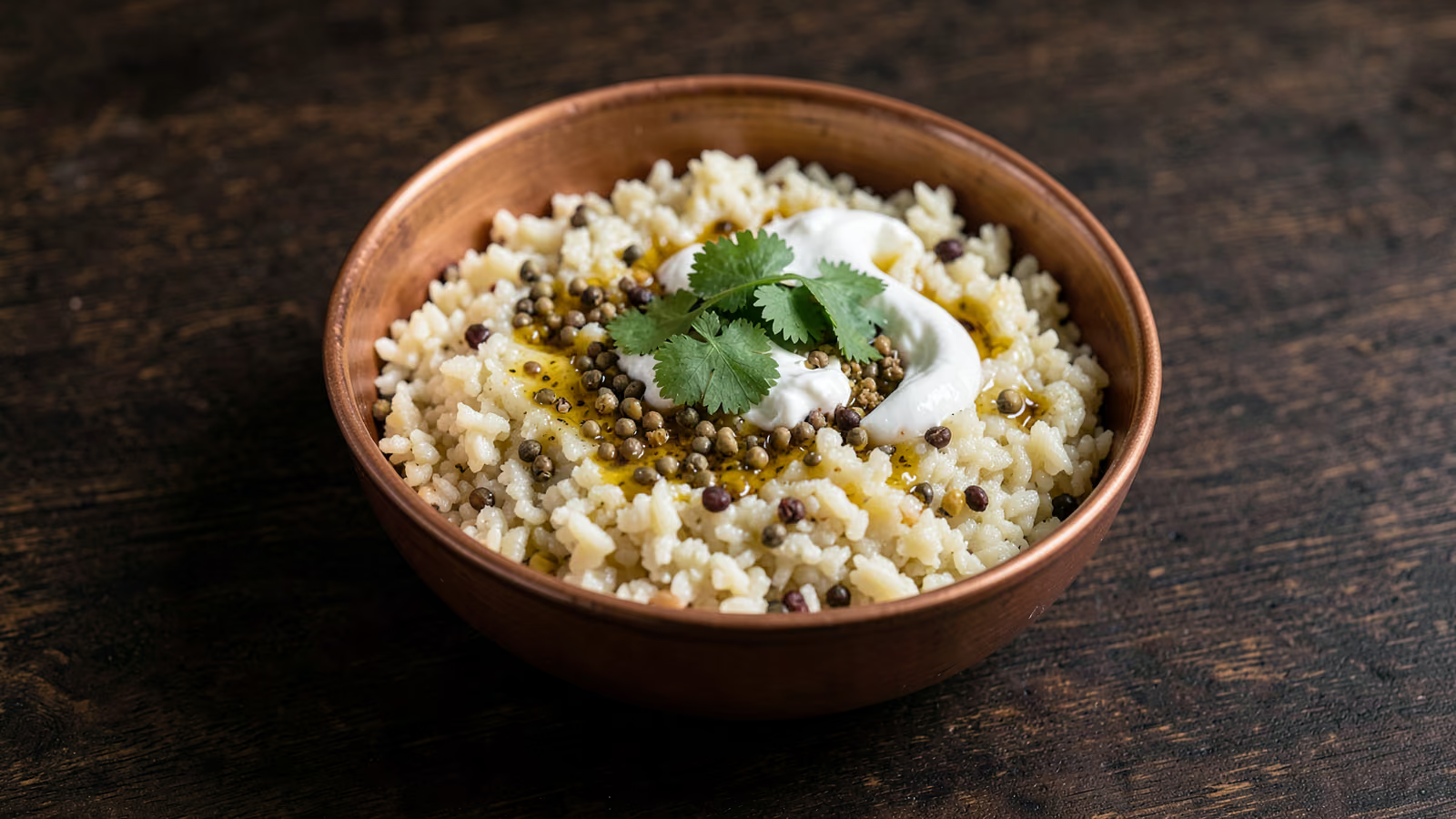
Ven Pongal — also called khara pongal or ghee pongal — is South India's savory rice-and-moong-dal porridge: 200 g of rice and 100 g of yellow moong dal simmered soft, then laced with a ghee tempering of cumin, crushed black pepper, ginger, curry leaves, asafoetida and cashews. It is a temple-prasadam classic and a staple breakfast, vegetarian and gluten-free as written. Prep takes 10 minutes, the pot needs roughly 30 unhurried minutes, and four bowls come together with little more than stirring.
- Prep
- 10 min
- Cook
- 30 min
- Total
- 40 min
- Serves
- 4
Ingredients
What you’ll need — tap to tick off as you go
- 200 g
- 100 g
- 1000 ml
- 3 tbsp
- 1 tsp
- 1 tsp
- 1 tbsp
- 1 pinch
- 1 tsp
Process
Timers built in · swap anything · ask as you cook
Rinse the 200 g rice until the water runs clear, then rinse the 100 g moong dal separately and drain both well. Dry roast the dal in a dry pan over medium heat, stirring, for 2 to 3 minutes, until it smells nutty and turns barely golden — not brown, which changes the flavor. The toast keeps the finished ven pongal tasting sweet and clean rather than raw and pasty.
Combine the rinsed rice and roasted dal in a heavy pot with the 1000 ml water and 1 tsp salt, and bring to a boil. Drop the heat to low, cover, and simmer for 20 to 25 minutes, stirring occasionally from the bottom so the starch does not catch. The grains should collapse into a soft, spoonable porridge; if it tightens before they do, stir in a splash of hot water.
While the grains cook, start the tempering. Melt 2 tbsp of the ghee in a small pan over medium heat, add the 1 tsp cumin seeds and 1 tsp coarsely crushed peppercorns, and let them sizzle for a few seconds, until the cumin crackles and the pepper smells warm and sharp. The fat must be hot enough to bloom them; this is where the dish's aroma is built.
Stir in the 1 tbsp grated ginger, 10 curry leaves and 1 pinch asafoetida, and sauté for about 30 seconds, until the leaves turn glossy and crisp at the edges and the raw smell of ginger disappears. Add the 10 halved cashews, if using, and keep them moving for another minute, until they turn pale golden — cashews go from gold to burnt fast.
Pour the whole tempering over the cooked rice and dal, scraping the pan so every drop of ghee and every seed goes in. Add the remaining 1 tbsp ghee, fold everything together gently, and taste for salt: the porridge should be loose, glossy and savory, so loosen it with hot water if needed and adjust the seasoning now.
Serve immediately in warmed bowls, with an extra drizzle of ghee over each portion. The pongal firms up within minutes of leaving the pot — it loses its loose, spoonable texture as it cools — so carry it to the table the moment the tempering is folded in, and keep second helpings warm in a covered pot.
Why this recipe works
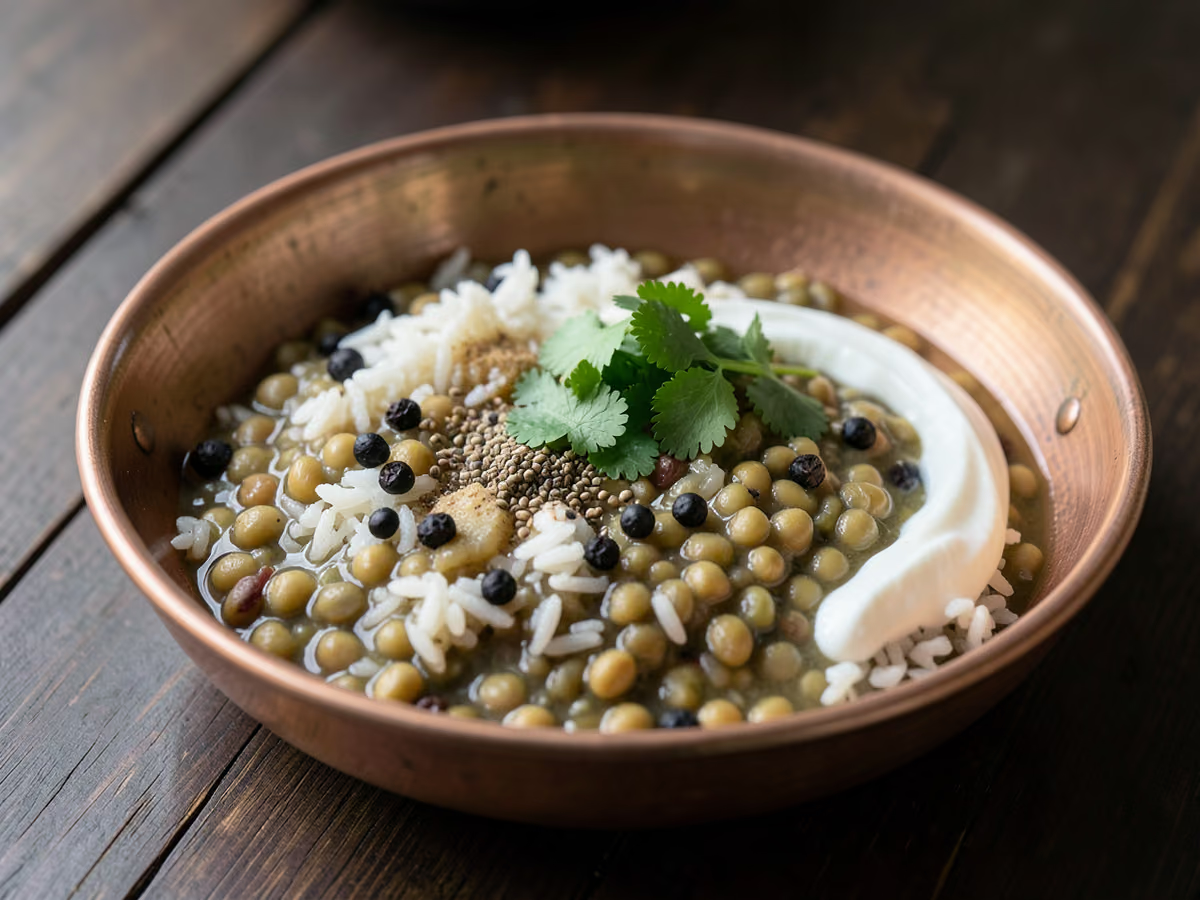
The texture comes from starch, not from a thickener: short-grain rice is high in amylopectin, and when it simmers with the moong dal, both starches gelatinize and collapse into a soft, porridge-like body. Dry roasting the dal first drives off surface moisture and tames its raw, pasty flavor before it ever meets water. Ghee does more than taste good — it coats the swollen starch granules so the porridge stays glossy and loose rather than gluey, and it carries the aromas of cumin, pepper and ginger, which bloom properly only in hot fat. Frying the crushed pepper until it sputters rounds off its bite.
Equipment
- Heavy-bottomed pot, about 3 to 4 liters, with a lid — wide enough for the grains to bubble in 1000 ml of water without scorching
- Small frying pan or tempering pan, for the ghee, cumin and pepper
- Fine-mesh sieve or colander, for rinsing the rice and the moong dal
- Small dry pan or skillet, for roasting the dal
- Wooden spoon or heatproof spatula, for stirring the simmering grains
- Measuring cups and spoons, for the grains, water, ghee and spices
- Mortar and pestle, or the base of a small pan, for coarsely crushing the peppercorns
Kitchen notes
Kitchen notes
- Roast a month's worth of moong dal at once and store it cooled in a dry jar. It keeps for weeks, and ven pongal then comes together in the time it takes the rice to soften.
- Cover the pot for 5 minutes once the tempering goes in: the trapped steam carries the ghee, pepper and curry-leaf aroma back through the porridge instead of letting it escape.
- Add the last tablespoon of ghee off the heat and stir it through just before serving; a fresh drizzle at the table is expected in Tamil homes, not overindulgence.
- Rinse the grains well and drain them properly before the dal is roasted — a wet dal takes far longer to turn fragrant and is more likely to steam than toast.
- Judge the finish by texture as much as taste: ven pongal should fall off a spoon in soft folds. Add hot water a little at a time until it does, then correct the salt.
Common mistakes
- Sticky, gluey texture: too little water at the simmer, a dal that never got its dry roast, or a skimpy hand with the ghee lets the starch pack into a dense paste. Keep the full 1000 ml of water for the cook, toast the dal until nutty, and finish with all 3 tbsp of ghee; if it still tightens, stir in hot water.
- Thick and dry by serving time: the pongal keeps drinking its liquid as it stands, so a pot that looked loose on the stove stiffens in the bowl. Loosen it with a splash of hot water just before serving, keep it covered, and reheat leftovers only with extra water stirred through.
- Raw, pasty flavor from the dal: the moong dal went in without its dry roast. Toast it for 2 to 3 minutes, until it smells nutty, before it meets the rice; that step is what separates a sweet, rounded ven pongal from a pot that tastes like boiled dal.
- Flat, one-note flavor: the grains were under-salted, or the tempering only warmed through instead of frying, leaving the cumin and pepper dull. Season the water with the 1 tsp salt so the grains taste from the inside, and let the seeds and pepper really sizzle in the ghee.
- A scorched bottom: starch settles and catches on thin pans or over high heat. Use a heavy-bottomed pot, keep the simmer low, and stir from the bottom every few minutes; the faint catch you smell is your warning to lower the heat.
- Pepper that bites instead of warms: peppercorns ground to fine dust spread heat everywhere and give no crunch. Crush them coarsely, and fry them properly in the ghee — a full fry mellows the burn and leaves the small bursts of heat the dish is known for.
Serving suggestions
- Serve piping hot in warmed bowls with a spoonful of ghee melted over each portion — the pongal is at its softest and most fragrant straight from the pot.
- Coconut chutney and sambar are the classic pairings; brinjal gothsu, an eggplant side spiked with tamarind, is what many Tamil homes and temple kitchens serve with it.
- A spoon of mango or lime pickle cuts the richness and a papad adds crunch; some homes simply set out curd alongside.
- It eats light: a bowl is mostly rice and dal with the ghee tempered through, and the ginger, cumin and pepper are there for digestion as much as flavor — which is why it works as a breakfast or a gentle dinner.
Variations
- Milk version: replace part of the cooking water with whole milk as temple kitchens do, and the pongal turns creamier, paler and a little richer; keep the tempering exactly the same.
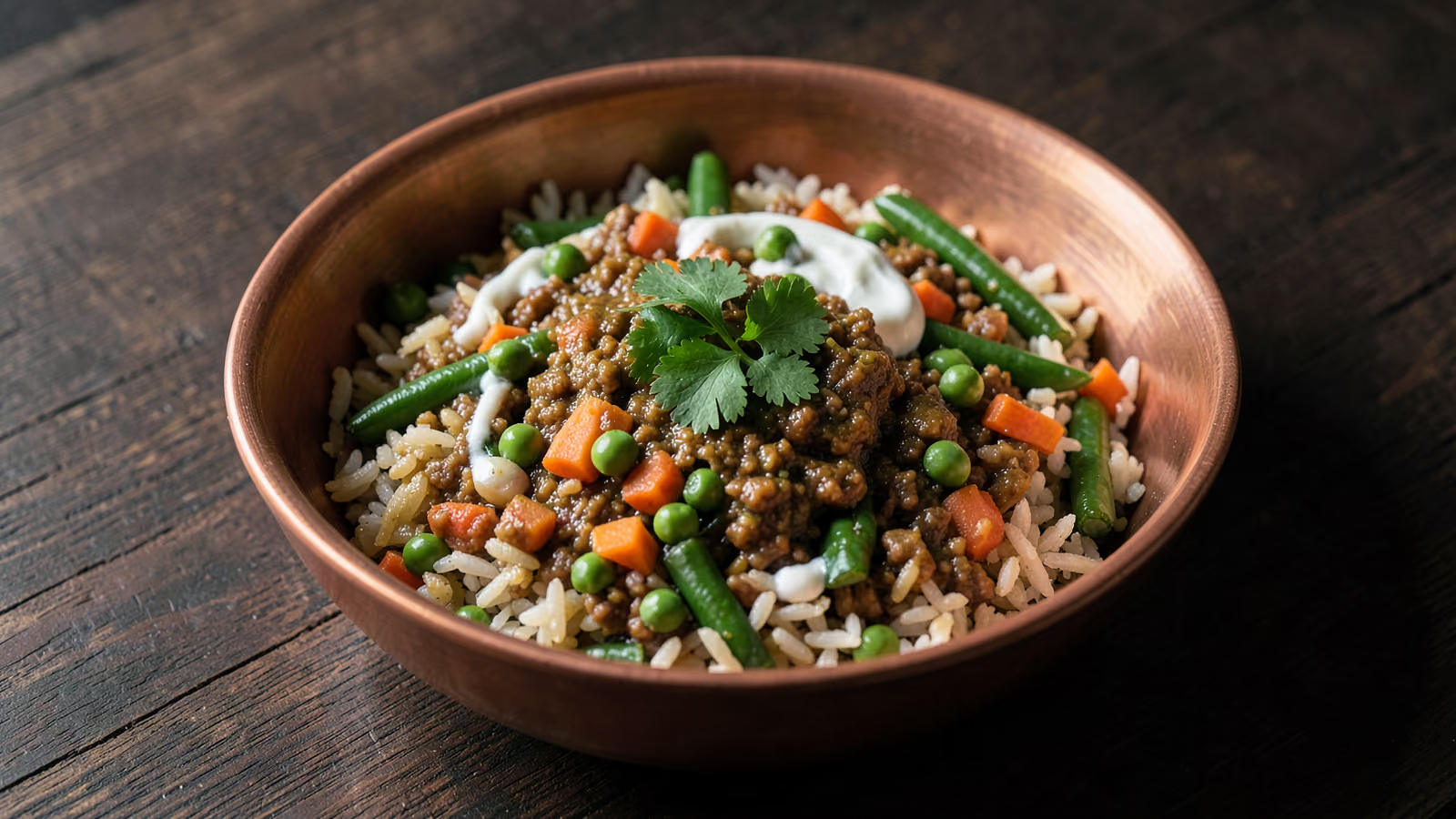
- Vegetable pongal: fold in finely diced carrot, beans and peas — simmered with the grains or sautéed first — keeping the pieces small so the soft, porridge-like texture stays intact.
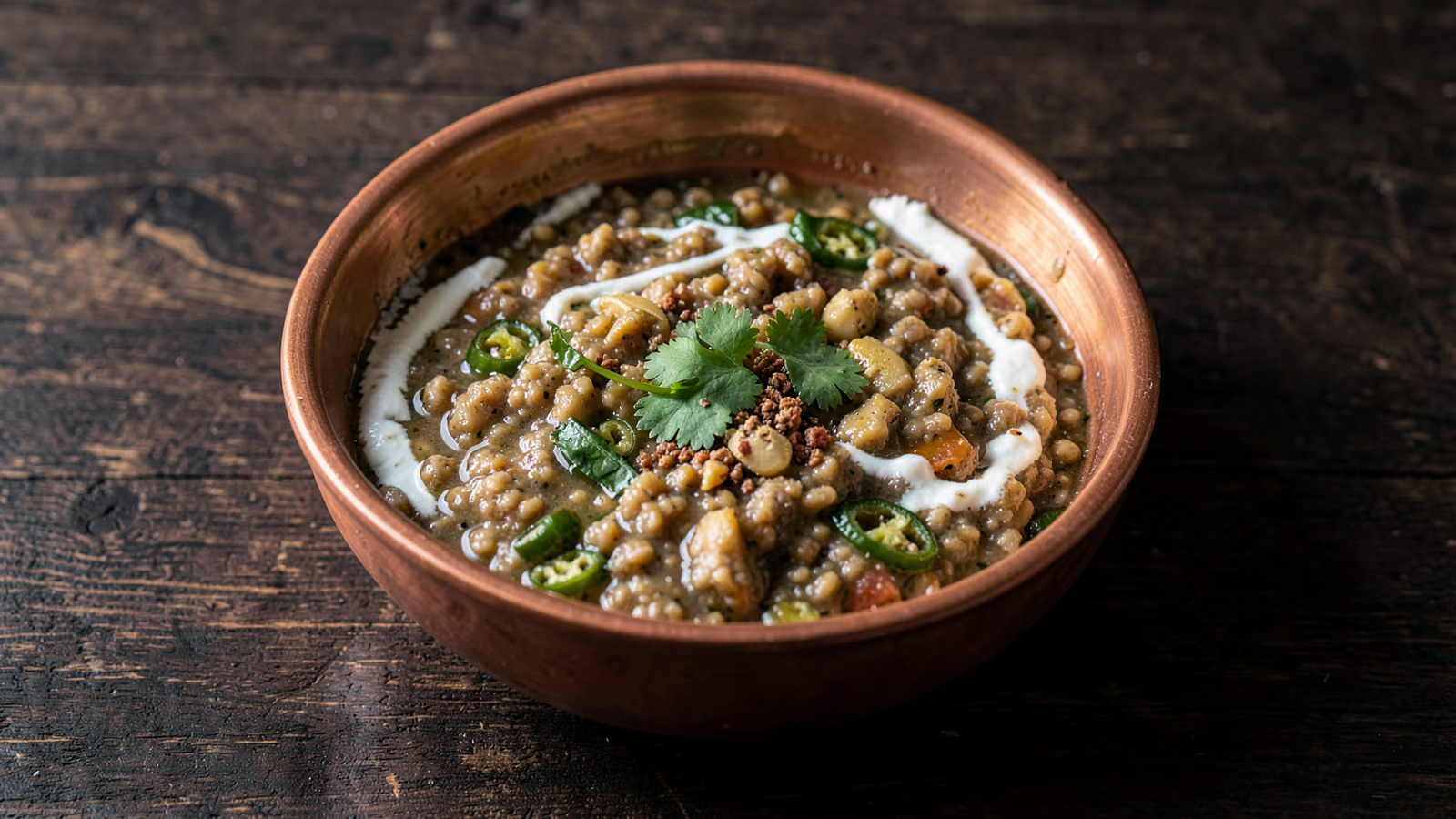
- Whole-grain version: millets, rolled oats or brown rice can stand in for the white rice when soaked first and cooked with more water; the result is nuttier and chewier, a different porridge than classic ven pongal, so treat it as its own variation.
Refrigerator
- RefrigeratorCool it fast — spread the pongal in a shallow container instead of leaving it in the pot — and refrigerate within 2 hours. Cooked rice is safest eaten within 1 day; if it was cooled quickly and kept cold the whole time, a second day is the absolute limit, and the texture will be noticeably stiffer.
- ReheatingReheat on the stovetop with a splash of hot water over medium-low heat, stirring, until steaming hot all the way through — leftovers should reach 74°C if you check with a thermometer. Rice should only be reheated once, so warm the portion you will eat, not the whole pot.
- FreezingNot recommended: the rice and dal break down and turn lumpy and gluey as they thaw, and the fresh ghee aroma is lost. If you must, cool it quickly, freeze it within an hour of cooking, and thaw overnight in the fridge — expect a softer, stickier result.
- Make aheadThe finished dish is best made and eaten the same day; the tempering goes in at the last minute for a reason. You can cook and chill the rice-dal base (within 2 hours), then loosen it with hot water and stir in a fresh tempering just before serving — close, though not quite cooked to order.
Updated:
How this recipe was developed
- USDA FSIS, Leftovers and Food Safety (refrigerate leftovers within 2 hours; reheat leftovers until steaming hot and reaching 74°C)
- UK Food Standards Agency, Home food fact checker — Rice (cool cooked rice quickly, keep in the fridge no more than 1 day, reheat until steaming hot and only once)
- Veg Recipes of India, Ven Pongal Recipe | Khara Pongal | Ghee Pongal (dry roast the moong dal only until fragrant; soft, porridge-like consistency loosened with hot water; refrigerating or freezing turns the texture lumpy)
- Encyclopaedia Britannica, Pongal (ven pongal is the savory rice-and-lentil pongal, chakkara pongal the sweet one; Pongal is also a four-day Tamil harvest festival)
Editorial references are kept internally for verification. This page makes no claim of external certification or professional testing.
FAQ
The questions we get asked most
What is ven pongal made of?
Ven pongal is built on rice and moong dal: 200 g of short-grain rice and 100 g of split yellow moong dal cooked soft in 1000 ml of water, then finished with a ghee tempering of cumin seeds, coarsely crushed black pepper, ginger, curry leaves, asafoetida and usually a few cashews. Those three elements — rice, moong dal and the pepper-ghee tempering — are its identity; the ven in the name means white in Tamil, marking the savory rather than sweet member of the pongal family.
Is ven pongal the same as khara pongal?
Yes. Ven pongal, khara pongal and ghee pongal are all names for the same savory dish: ven means white, khara means savory or spiced, and ghee pongal points to the tempering. In Karnataka it also goes by khara huggi. Whatever the name, the bowl in front of you is the rice-and-moong-dal porridge this recipe makes.
Is pongal a dish or a festival?
Both, and the two meanings are tied together. Pongal is a four-day Tamil harvest festival celebrated in mid-January; pongal is also the family of rice dishes cooked for the harvest, from the savory ven pongal to the sweet chakkara, or sakkarai, pongal. The festival dish is offered to the deities and then shared; ven pongal, the savory one with pepper and ghee, is what this page makes.
Why is my ven pongal sticky or gluey?
Ven pongal is meant to be soft and spoonable, so when it sets into a stiff, sticky mass the cause is usually one of three things: too little water at the simmer, a dal that never got its dry roast, or too little ghee. Keep the full 1000 ml of water and 3 tbsp of ghee, toast the dal until nutty, and stir from the bottom so nothing catches. A pot that is already tight loosens with hot water stirred in a little at a time.
Can I make ven pongal in a pressure cooker?
Yes, and plenty of Tamil kitchens do. In a stovetop pressure cooker, combine the rice, roasted dal, 1000 ml water and salt and cook for 3 to 4 whistles over medium heat — some dals need 5 or 6 — then let the pressure drop on its own, stir, and add the tempering. An electric pressure cooker needs about 6 to 8 minutes at high pressure with a 10-minute natural release before you open it. Either way, keep the tempering in a small pan; the separate tempering is what makes the dish taste like ven pongal.
What is ven pongal served with?
Coconut chutney and sambar are the classic pairings, with brinjal gothsu or a sharp tomato chutney close behind; a spoon of pickle and a papad round out a breakfast plate, and some homes just set out curd. Serve it hot, in warmed bowls, with an extra drizzle of ghee melting over the top.
How is ven pongal different from khichdi or bisi bele bath?
Khichdi is usually cooked as one pot — the tempering goes in first and the rice and dal simmer with it — and its flavor comes from a different spice mix; ven pongal cooks the grains plain in water and adds a ghee, pepper and curry-leaf tempering at the end, which is why it tastes richer and more fragrant. Bisi bele bath is a different dish from Karnataka, a tamarind-and-spice rice with vegetables. Ven pongal keeps the shorter list: rice, moong dal, ghee, pepper, cumin, ginger and curry leaves.
Ask KitchenMind about this recipe
Tell it what’s different tonight — it works within the actual recipe.