Arancini Rice Balls
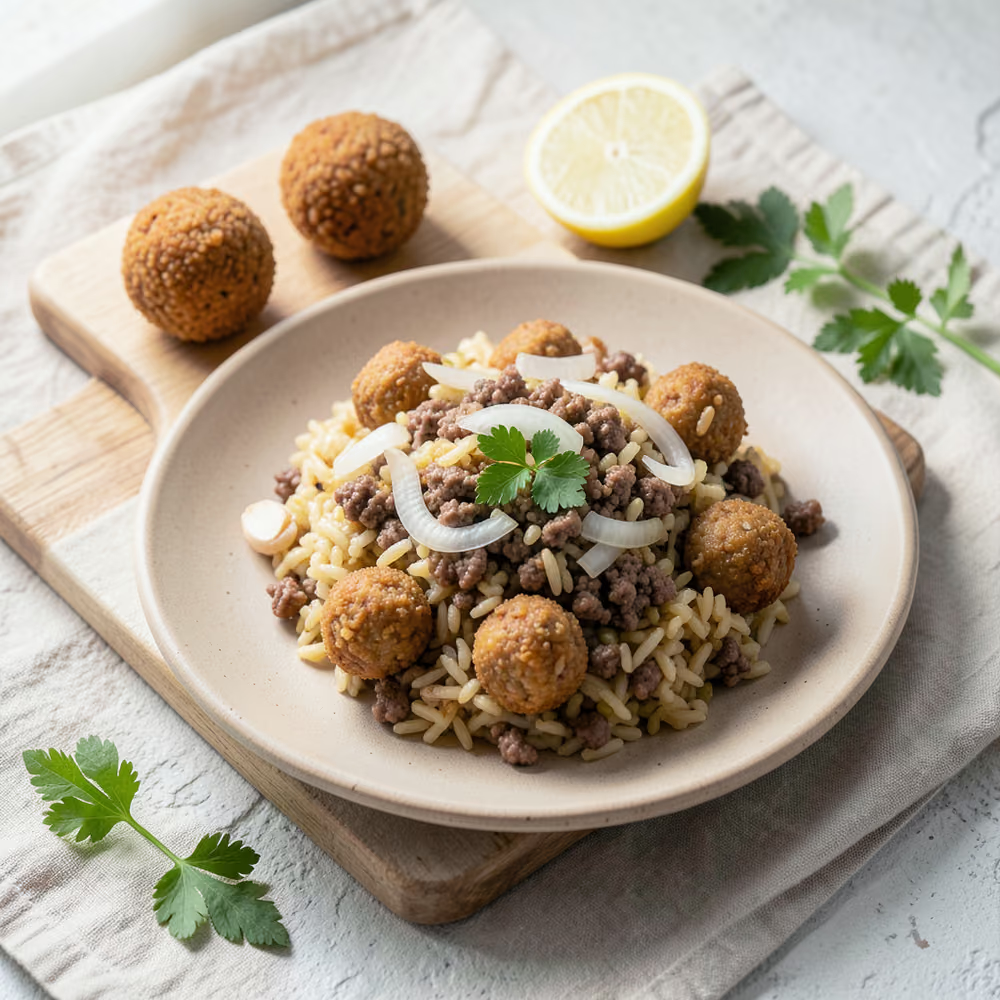
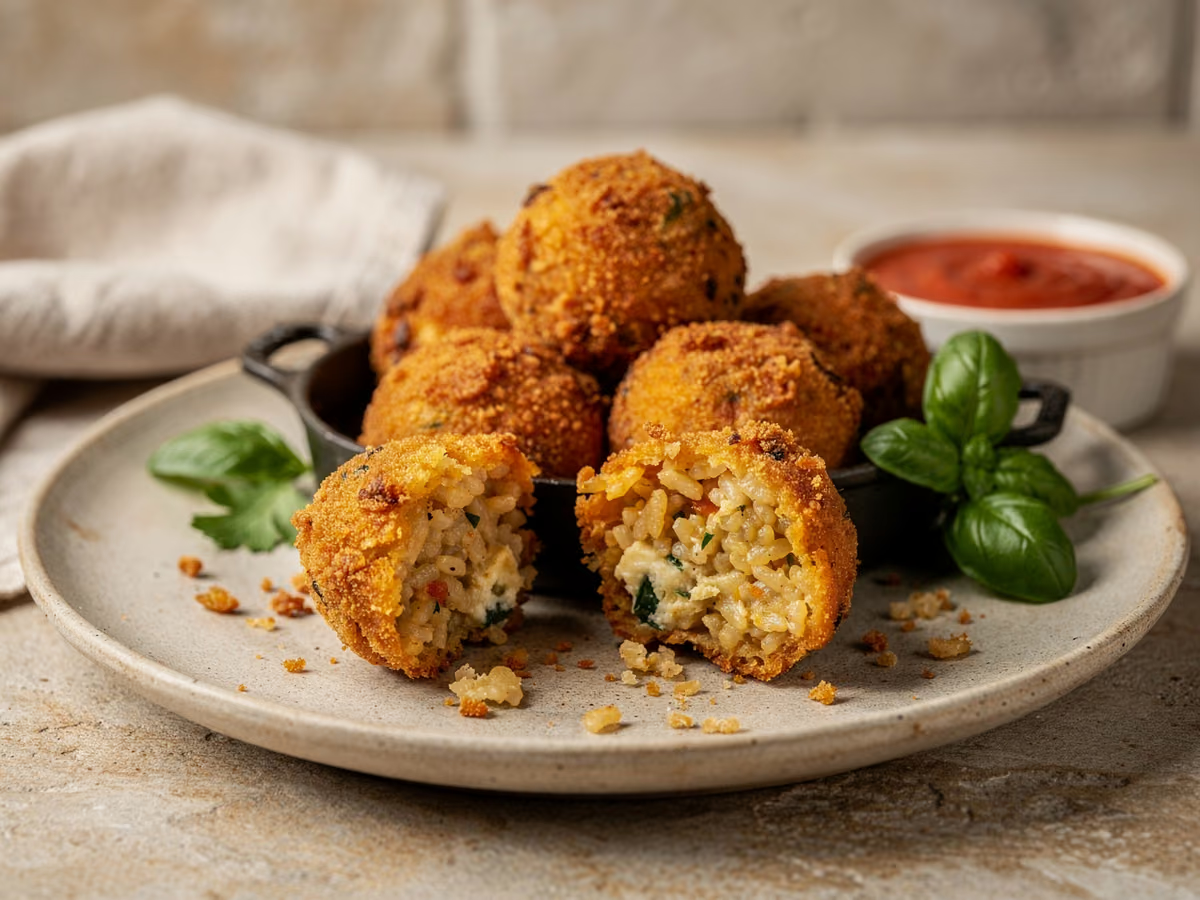
Cold rice, a filling cooked dry, and oil that holds 180°C: those three decide whether arancini stay whole. This batch wraps 300 g of arborio around seasoned beef, tomato, and mozzarella, rolls each ball in flour, egg, and fine crumbs, and fries each one to a shell that crackles when you cut it. Prep runs 40 minutes, most of it waiting for rice to cool. Frying takes 3 to 4 minutes a batch. Get the chill and the seal right, and the cheese stays where you put it.
- Prep
- 40 min
- Cook
- 30 min
- Total
- 100 min
- Additional time
- 30 min
- Serves
- 6
Ingredients
What you’ll need — tap to tick off as you go
- 300 g
- 750 ml
- 200 g
- 2 cloves
- 2 tbsp
- 2 tbsp
- 1 tsp
- ½ tsp
- 50 g
- 150 g
- 100 g
- 150 g
- 1 l
Process
Timers built in · swap anything · ask as you cook
Bring the 750 ml chicken broth to a bare simmer in a wide saucepan, then stir in 300 g arborio rice and 0.5 tsp salt. Cook over low heat for 18 to 20 minutes, stirring often, until the grains are tender and the pan is dry. A dry pan matters. (A wide pan gives the rice room to swell.) Spread it on a tray to cool. Warm rice traps steam and weakens the seal.
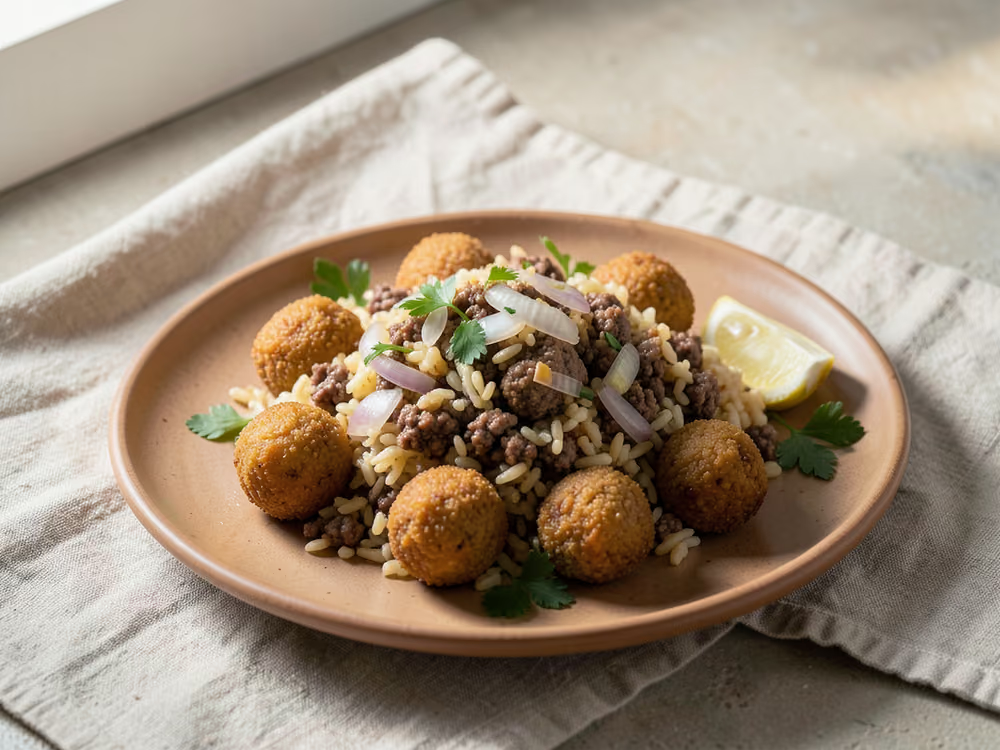
While the rice cools, warm 1 tbsp olive oil in a broad pan over medium heat and soften the onion with 2 minced garlic cloves, about 3 minutes. Add 200 g lean ground beef and break it up until no pink shows, about 5 minutes. Stir in 2 tbsp tomato paste, the remaining 0.5 tsp salt, and 0.5 tsp pepper, cook 2 minutes, then spread it to cool. Warm filling turns to steam inside.
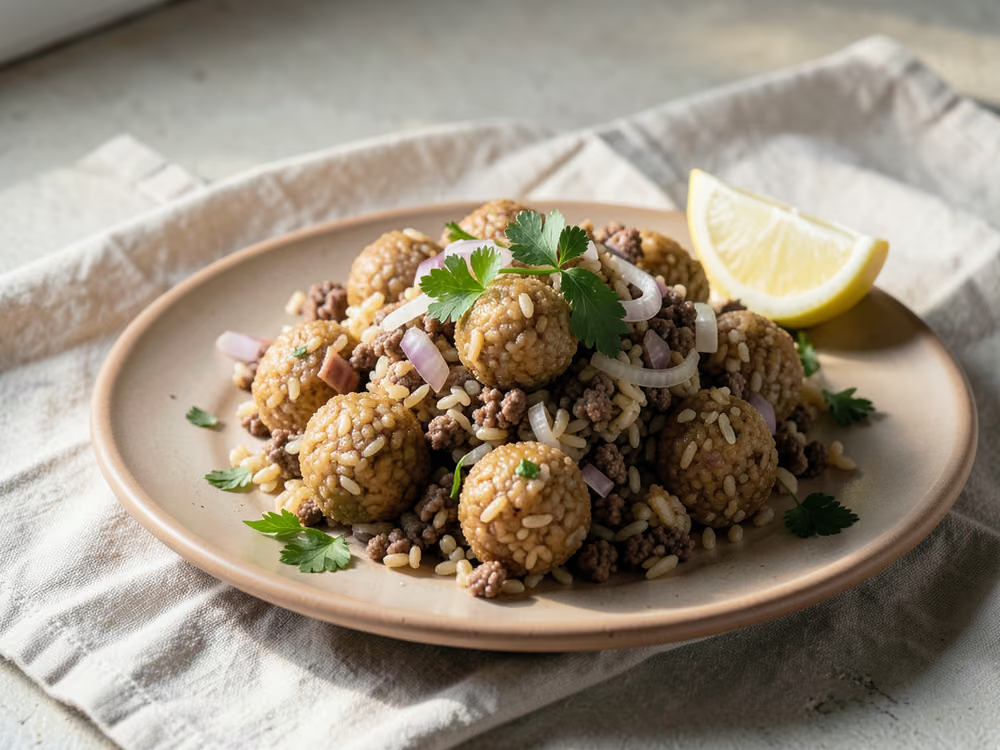
Scrape the cold rice into a large bowl and work in 1 beaten egg and the 50 g grated Parmesan, then fold in the cooled beef until the color is even. Squeeze a handful: it should hold its shape with a little give and leave your palm barely damp. If it crumbles, add water a spoonful at a time. Too wet? Chill it for 10 minutes.
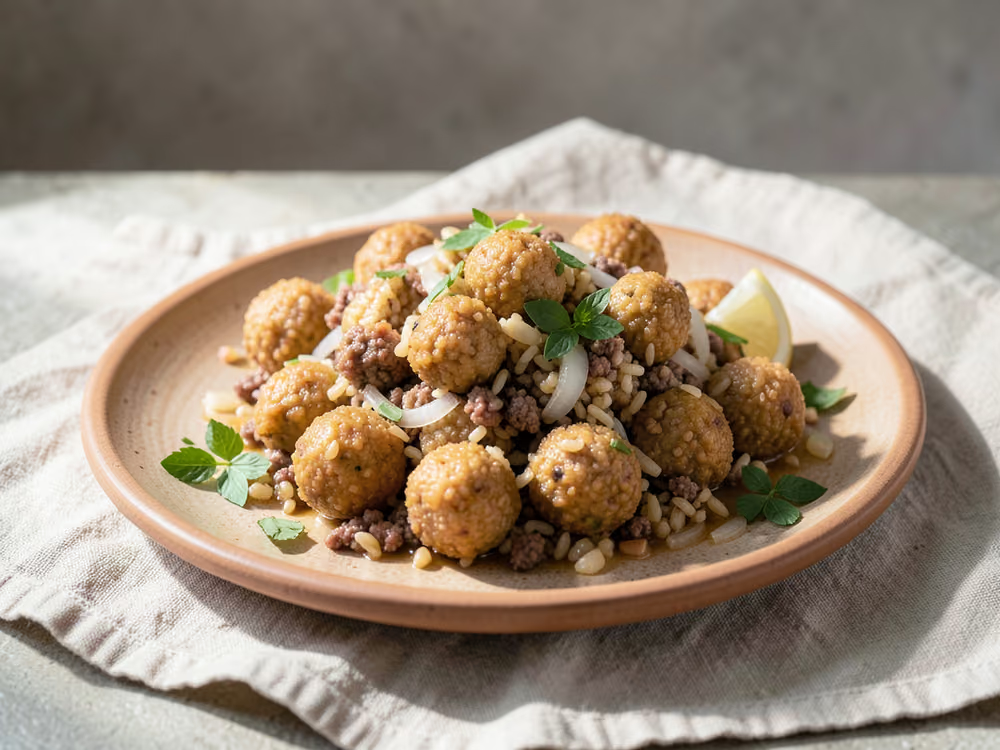
Take about 2 tbsp of the mix and press it into a shallow cup in your palm, keeping the base thick. Set a cube from the 150 g of mozzarella in the middle, bring the rice up and over, and roll between your palms until the surface is smooth. (A pinhole is enough to ruin a batch.) Pinch shut every crack you can see. Aim for 18 to 20 balls.
Line up three shallow dishes with the 100 g flour, the second beaten egg, and the 150 g fine breadcrumbs. Roll each ball in flour and shake off the excess, turn it in egg, then press it into the crumbs until no bare patch shows. Wet hand, dry hand. Chill the coated balls for 30 minutes, because the crumb hydrates and grips instead of sliding off.
Choose a deep pot wide enough that the 1 liter of vegetable oil comes no more than a third up the sides, then heat it to 180°C. Lower in 4 or 5 balls and fry for 3 to 4 minutes, turning once, until your crust is deep gold all over. Crowd the pot and the oil cools, which lets grease seep into the crumb instead of sealing it. Drain on paper towels.
Serve them within 10 minutes, while the core still runs, with warm tomato sauce on the side. Give them a minute to settle first, since the cheese runs hotter than the crust. The crust softens as they sit, so the first plate is the best of the batch. Cut the first ball open at the table, then let the tray go round.
Why this recipe works
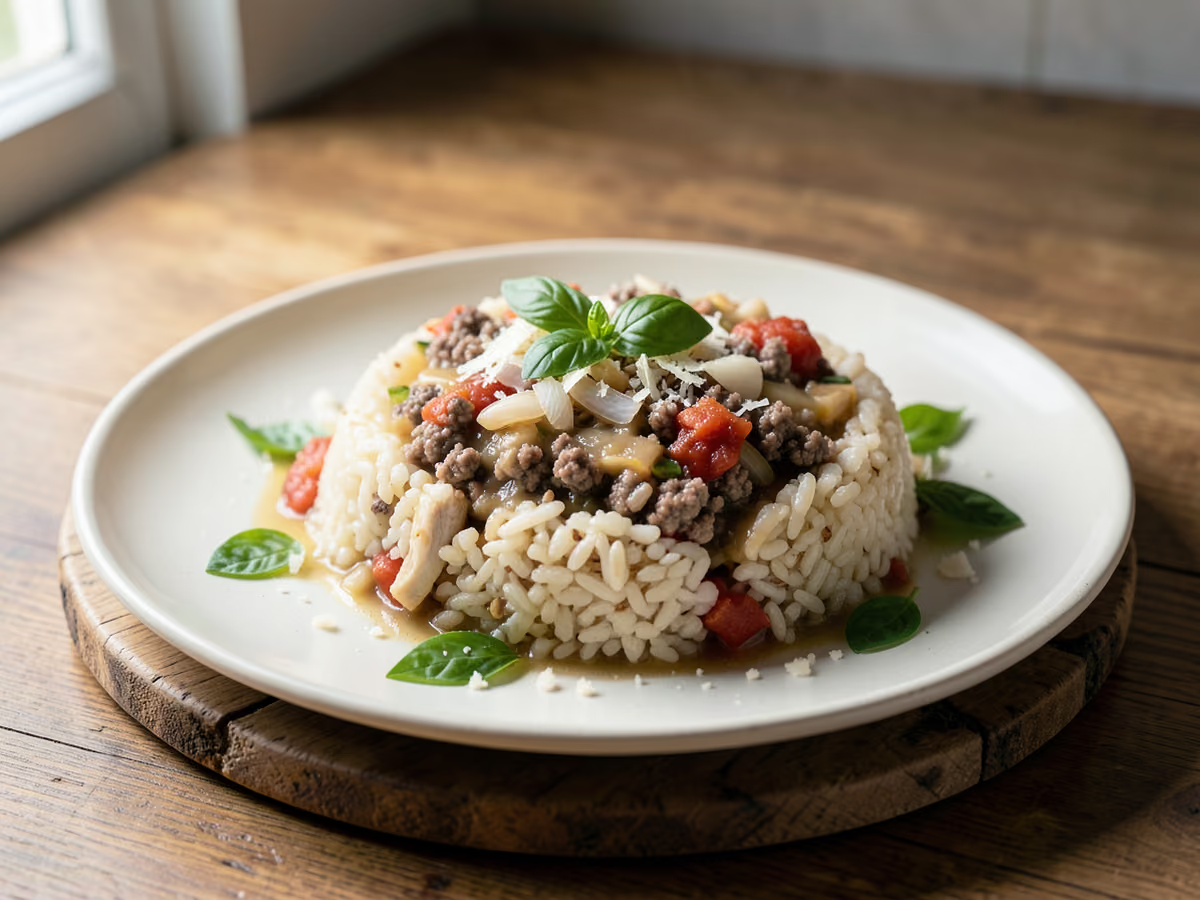
Rice starch is the structure here. As arborio simmers, the grains shed amylose, and that starch gels into a web that holds the ball together. Chilling finishes the job, because cold gelatinized starch turns firm and the rice packs like soft dough instead of sliding apart in your hand. Egg and Parmesan add protein that sets around the grains, which is why a good mix squeaks. A filling cooked dry, with no watery ring at the edge, leaves little steam. Why does that matter? Steam is what tears a seam open in hot oil. That is how splits start. The flour-egg-crumb coat sets in seconds at 180°C, so heat moves inward and the mozzarella melts without escaping.
Equipment
- 2 liter saucepan
- Wide 26 cm skillet
- Rimmed baking sheet, for spreading the rice to cool
- Large mixing bowl
- Three shallow dishes for the flour, egg, and crumbs
- Deep 4 liter heavy pot, or a countertop fryer
- Instant-read thermometer or a frying thermometer
- Slotted spoon or spider, plus a tray lined with paper towels
Kitchen notes
Kitchen notes
- Do not rinse the rice. That dusty film of starch is what thickens the mix and glues the shell, and rinsing it away leaves loose grains that will not pack.
- Fry one ball before the rest. It tells you whether the seal holds and whether the oil is truly at 180°C, and it costs four minutes to find out.
- Keep finished batches in a 100°C oven, uncovered, while the rest fry. A lid traps steam and softens the crust you just built.
- Grate the Parmesan on the fine side. Coarse shreds leave pockets in the rice that split when you roll the ball. Skip the panko and use the finest dry crumbs you have, because a coarse crumb leaves bald spots between the ridges where oil gets in, and those spots are where the shell fails first.
- Want a head start? Bread the whole tray the night before and fry to order, since the coating is sturdier after a night in the fridge, not softer.
- Drain on a rack set over paper if you have one. Paper alone traps steam under the ball and the base goes soft while you wait. If the oil runs hot, the crumb sets and darkens before heat reaches the middle; if it runs cool, the shell takes on oil like a sponge, so keep a thermometer in the pot and adjust the flame in small steps.
Common mistakes
- They burst in the oil: rice that is still warm or wet, a filling with loose juice, or a thin patch in the shell gives steam a way out, so cool both parts completely and press every seam closed before your crumb goes on.
- Mozzarella escapes into the pot: a cube sitting too close to the surface, or fresh mozzarella weeping whey, opens a channel, so use small cubes of low-moisture cheese and keep a full centimeter of rice around each one.
- Your crust drinks oil and stays pale: the pot was crowded, or the oil dropped below 180°C when cold balls went in, so fry 4 or 5 at a time and give the oil a minute to climb back between batches, because a pot that never recovers its heat produces a shell that is pale, oil-heavy and soft.
- Worried the center will be dry? Rice cooked until mushy, or a mix packed down hard, sets into a dense core, so stop the rice while the grains still have a little bite and add water only until a squeezed handful holds.
- The crumb shell slides away in the fryer: the balls were breaded while warm, or the flour step was skipped, so stick with a 30-minute chill before the crumb goes on, because egg will not grip a wet rice surface.
- The center tastes flat next to the crust: under-salted rice and a filling short on tomato paste read as nothing at all, so season the broth properly and taste the beef before it cools.
Serving suggestions
- Serve them hot, with the sauce warm rather than boiling, so the steam does not soften the crust on the way to the table. A pinch of flaky salt as they leave the oil is worth the small effort.
- A sharp green salad dressed with lemon and olive oil is the counterweight the fryer asks for.
- Count 2 per person as a starter and 3 as a main with salad; the batch of 18 to 20 covers six easily.
- Cold leftover arancini, halved and pressed into a soft roll with a spoon of sauce, make a proper sandwich, and the plate itself is made for sharing.
Variations
- Saffron arancini: steep a pinch of saffron in the warm broth before the rice goes in, and your grains turn gold with the musky note of a Milanese risotto.
- Baked arancini: 200°C on an oiled tray for 20 to 25 minutes, turning halfway. Your shell comes out thinner and crisper, and never quite as rich as a fried one.
- Mushroom version: swap half the beef for finely chopped chestnut mushrooms cooked until dry, which adds an earthier note, though any water left in the pan will show up as a split shell.
Refrigerator
- RefrigeratorCool them completely, then seal them in a container and chill for up to 3 days. Your crust will soften in the fridge, and only the oven brings it back.
- ReheatingSpread them on a tray and give them 10 to 12 minutes at 180°C, until the crust crisps and the middle is hot. Reheat to 74°C, the USDA mark for leftovers. A microwave makes them rubbery, so skip it.
- FreezingFreeze breaded, uncooked balls on a tray until solid, then slide them into a bag and keep up to 2 months. Fry straight from frozen at 170°C for 5 to 6 minutes. There is no need to thaw, and a part-thawed ball slumps and leaks before the crumb sets. (They go from freezer to oil.)
- Make aheadBread them the day before, up to 24 hours ahead at most, and hold them covered in the fridge, or fry them fully and reheat later. Shaping the balls the day before also works, as long as they stay cold.
Updated:
How this recipe was developed
- The Guardian, Felicity Cloake, How to make arancini (cool the rice fully and chill it before shaping; flour, egg, and fine dry breadcrumb coat; oil no more than a third up the pan)
- Ricette di Sicilia, How to keep arancini from falling apart when frying (wet or warm rice and filling split the shell; keep the seal thick and even; rest breaded balls 20 to 30 minutes)
- Bon Appétit, Mozzarella arancini (pull the rice while al dente; three-part dredge with one wet hand and one dry; fry to a true golden brown for a crisp shell and molten center)
- USDA FSIS Safe Minimum Internal Temperature Chart and Leftovers and Food Safety (ground meats 71°C; leftovers reheated to 74°C; refrigerate within 2 hours; keep 3 to 4 days)
Editorial references are kept internally for verification. This page makes no claim of external certification or professional testing.
Gallery
FAQ
The questions we get asked most
Why did my arancini split in the fryer?
Almost always moisture or a weak seal. Rice that is still warm, a filling with loose juice, or a patch where the shell thinned to a couple of grains will give way once the steam builds. Cook the rice until the pan is dry, cool it completely, and pinch every seam shut. Chilling the breaded balls for 30 minutes also firms the coat so it can take the pressure.
Can I make arancini with leftover risotto?
Yes, and it is the classic use for it. Leftover risotto has to be cold and stiff, not loose; if it still looks creamy and wet, stir in a spoonful of breadcrumbs or Parmesan to tighten it. Skip risotto that was made with a lot of extra liquid, because no amount of crumb will hold that together in oil.
How do I stop the mozzarella leaking out?
Keep the cheese small and the rice even. A cube the size of a thumbnail, set in the center with at least a centimeter of rice on every side, has nowhere to go. (Smaller cubes melt faster, too.) Low-moisture mozzarella is the better choice here, since the fresh kind releases whey as it heats and that liquid pushes through the seal.
Can I bake arancini instead of frying them?
Yes. Heat the oven to 200°C, oil a baking tray, set the breaded balls on it, drizzle them with olive oil and bake for 20 to 25 minutes, turning once halfway through. They heat through and crisp on the outside, but the shell stays thinner and lighter than a fried one. Expect the crumb to look paler, too.
Which rice works best for arancini?
Short-grain Italian rice: arborio, carnaroli, or vialone nano. All three are starchy enough to go creamy and to set firm when cold, which is what lets a ball hold its shape. Long-grain rice such as basmati stays separate and slippery, and those balls slump in the pot.
How do I know when an arancino is cooked through?
The crust tells you about the outside, and a thermometer tells you the rest. Pull one ball from the first batch, probe it through the side, and look for 75°C, safely past the 71°C USDA minimum for ground beef; the cheese at the center should be molten. Deep gold all over is the visual cue, and 3 to 4 minutes at 180°C gets a chilled ball there. If the crumbs darken sooner, the oil is too hot.
Can I prepare arancini ahead of time or freeze them?
Both work. Bread them up to 24 hours ahead and chill them covered, then fry straight from the fridge. To freeze, set the breaded balls on a tray until solid, bag them for up to 2 months, and fry from frozen at 170°C for 5 to 6 minutes. There is no need to thaw them first.
Ask KitchenMind about this recipe
Tell it what’s different tonight — it works within the actual recipe.