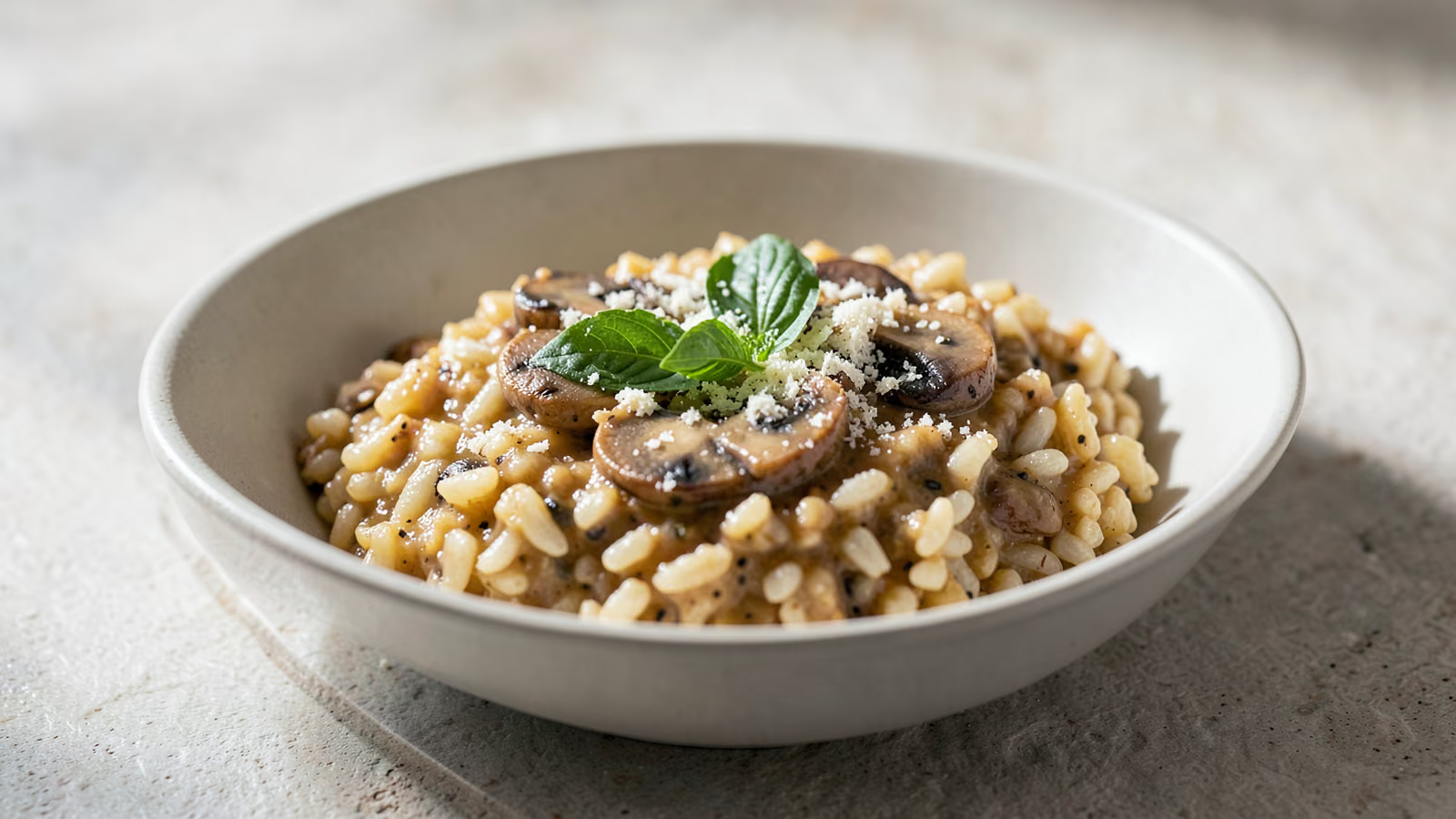
- Prep
- 15 min
- Cook
- 30 min
- Total
- 45 min
- Serves
- 4
Ingredients
What you’ll need — tap to tick off as you go
- 300 g
- 150 g
- 320 g
- 1 ¼ l
- 2 cloves
- 2 tbsp
- 40 g
- 60 g
- 1 tsp
- 1 tsp
- ½ tsp
Process
Timers built in · swap anything · ask as you cook
Pour the vegetable broth into a saucepan and keep it at a bare simmer over low heat. A hot broth added to the rice keeps the cooking temperature steady.
Heat 1 tbsp olive oil and 20 g unsalted butter in a wide heavy pot over medium-high heat. Add the cremini mushrooms and shiitake mushrooms in a single layer and cook without stirring for 3 minutes, then stir and cook 3 more minutes until deeply golden and their released liquid has evaporated. Season with a pinch of salt and black pepper, transfer to a plate and set aside.
Lower the heat to medium, add the remaining 1 tbsp olive oil to the same pot and cook the yellow onion for 4 minutes until soft and translucent. Add the garlic and fresh thyme and cook 1 minute until fragrant, not browned.
Add the arborio rice and stir constantly for 2 minutes until every grain looks glossy and the edges turn slightly translucent. This toasting step is what gives risotto its separate, creamy grains.
Pour in one ladle of hot vegetable broth and stir until it is almost fully absorbed. Continue adding broth one ladle at a time, stirring often and waiting for each addition to be absorbed before adding the next. This takes 18 to 22 minutes.
Taste after 18 minutes. The rice is done when the grains are tender with the faintest bite at the center and the mixture flows slowly like lava when you shake the pot. Stir in the remaining 1 tsp salt and 0.5 tsp black pepper.
Remove the pot from the heat. Fold in the reserved mushrooms, the remaining 20 g unsalted butter and the parmesan cheese. Stir vigorously for 30 seconds, then cover and rest 2 minutes so the risotto thickens and turns creamy. Serve immediately.
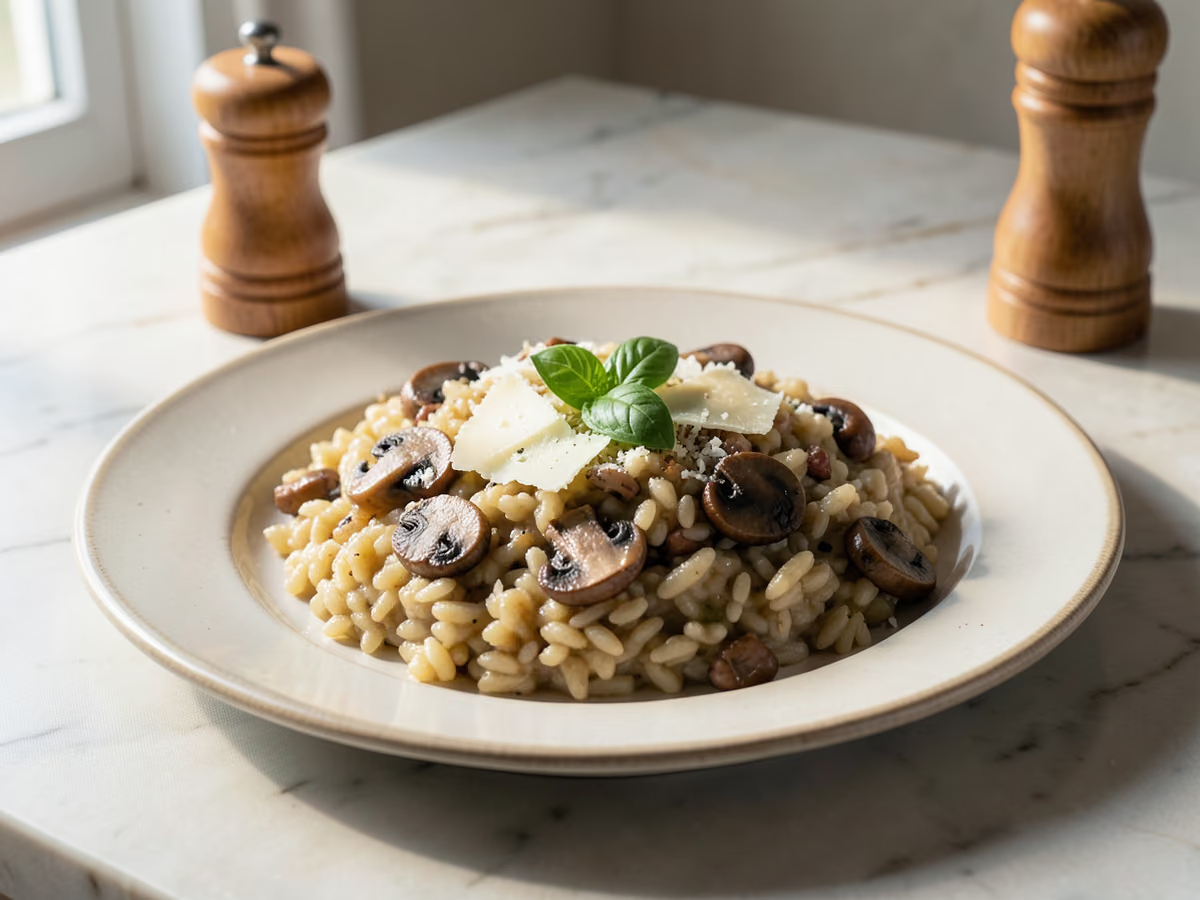
Kitchen notes
Kitchen notes
- The most common mistake is adding cold broth or dumping it all in at once. Keep the broth hot and add it one ladle at a time, stirring, or the rice cooks unevenly and turns gluey.
- Do not rinse the arborio rice. The surface starch is exactly what creates the creamy texture, and rinsing it away leaves a thin, watery risotto.
- Brown the mushrooms hard and undisturbed first. If you stir them from the start they steam in their own water and never develop the deep roasted flavor that makes this dish taste rustic.
- Risotto tightens as it sits. If it looks stiff before serving, loosen it with a splash of hot broth or water, never cold liquid.
Substitutions
- shiitake mushrooms→oyster mushrooms or additional cremini mushrooms
- vegetable broth→chicken broth for a deeper flavor, or mushroom broth for a stronger earthy taste
- parmesan cheese→pecorino romano for a sharper, saltier finish
- fresh thyme→1 tsp chopped fresh rosemary or 0.5 tsp dried thyme
Storage & reheating
Cool leftovers within 1 hour and store in an airtight container in the fridge for up to 3 days. Risotto does not freeze well because the rice turns grainy and watery, so freeze only if necessary for up to 1 month and thaw overnight in the fridge. Reheat gently in a saucepan over low heat with 2 to 3 tbsp broth or water per portion, stirring until loose and creamy, or microwave covered in 1-minute bursts. Do not reheat on high heat or the rice will dry out and stick.
FAQ
The questions we get asked most
Why did my mushroom risotto turn out gluey and sticky?
Gluey risotto almost always comes from stirring too aggressively, adding cold broth, or cooking it too fast over high heat. Keep the broth hot, stir often but not constantly, and hold the pot at a steady medium simmer. If it already looks thick and pasty, loosen it with a splash of hot broth off the heat.
Can I use regular white rice instead of arborio?
Arborio is the best choice because its high starch content creates the classic creamy texture. If you only have long-grain white rice, the dish will still work but will be less creamy and the grains will stay separate. Short-grain rice such as carnaroli or vialone nano is the closest substitute.
How do I know when the risotto is finished cooking?
Bite a grain: it should be tender with a very slight firmness at the very center, never crunchy and never mushy. The tell-tale sign is texture, not time, so shake the pot, and if the risotto flows slowly like thick lava rather than sitting in a stiff mound, it is ready. It will also tighten further as it rests for 2 minutes off the heat.
Can I make mushroom risotto ahead of time for a dinner party?
You can cook it up to the point where the rice is about 80 percent done, then spread it on a tray to cool quickly and refrigerate for up to 1 day. To finish, return it to a pot with hot broth and stir over medium heat for 5 to 7 minutes until creamy, then add the butter, parmesan and mushrooms. This par-cooking method gives you a 10-minute finish instead of 25.
Why are my mushrooms soggy instead of browned?
Mushrooms release a lot of water, and if the pan is crowded or the heat is too low they steam instead of sear. Use a wide heavy pot, get the oil and butter properly hot, and cook the mushrooms in a single layer without stirring for the first 3 minutes. If your pan is small, brown them in two batches.
Can I use dried mushrooms in this risotto?
Yes, and they add intense flavor. Soak 30 g dried porcini or shiitake in 300 ml hot broth for 20 minutes, then strain the soaking liquid through a fine sieve and use it as part of the broth. Chop the soaked mushrooms and add them with the fresh mushrooms in step 2.
How long does leftover mushroom risotto keep in the fridge?
Store it in an airtight container in the fridge for up to 3 days. Reheat it gently over low heat with a splash of broth or water, stirring until creamy again, because the rice will have absorbed all the liquid and set firm. Do not reheat it more than once.
Ask KitchenMind about this recipe
Tell it what’s different tonight — it works within the actual recipe.