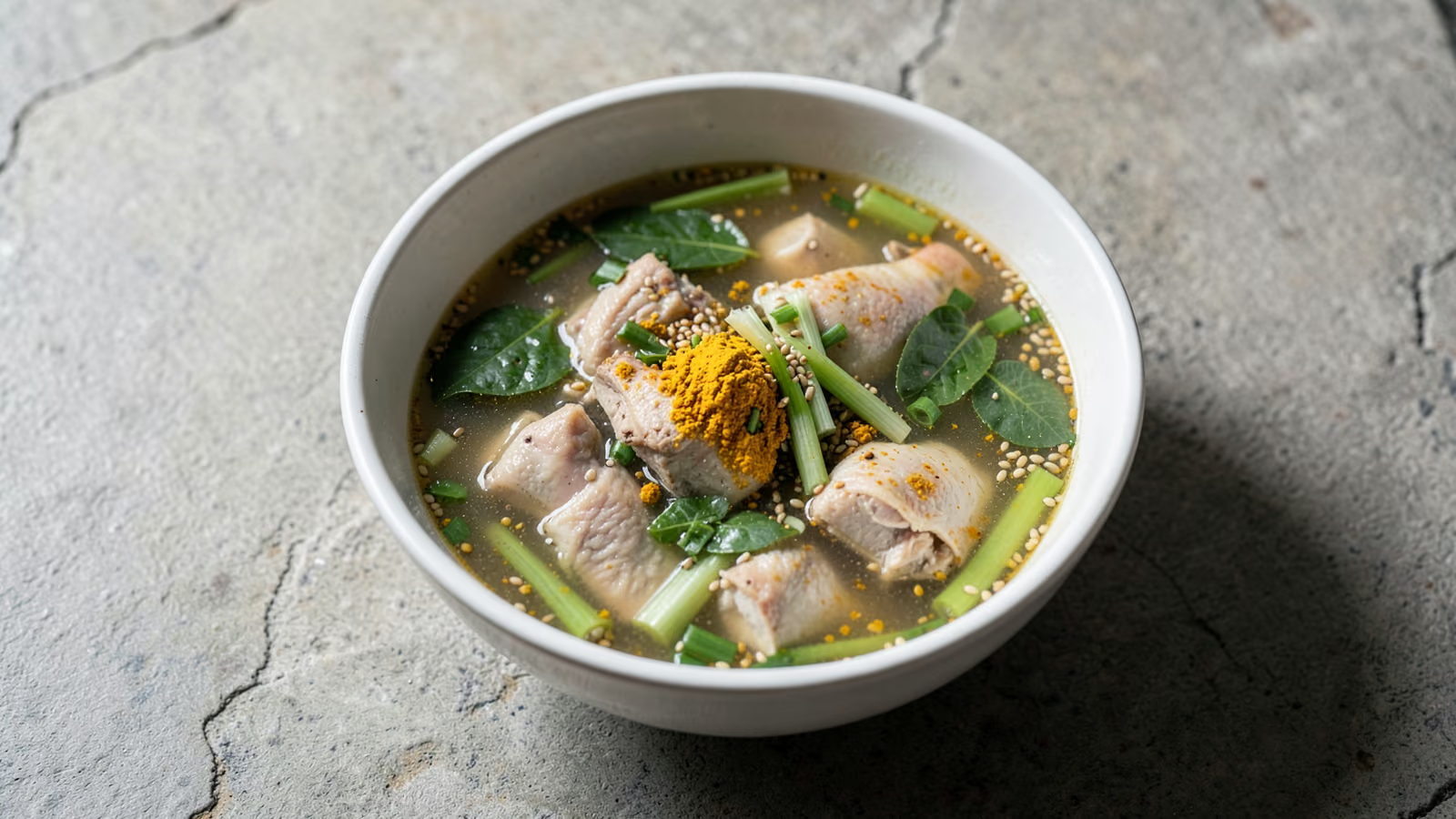
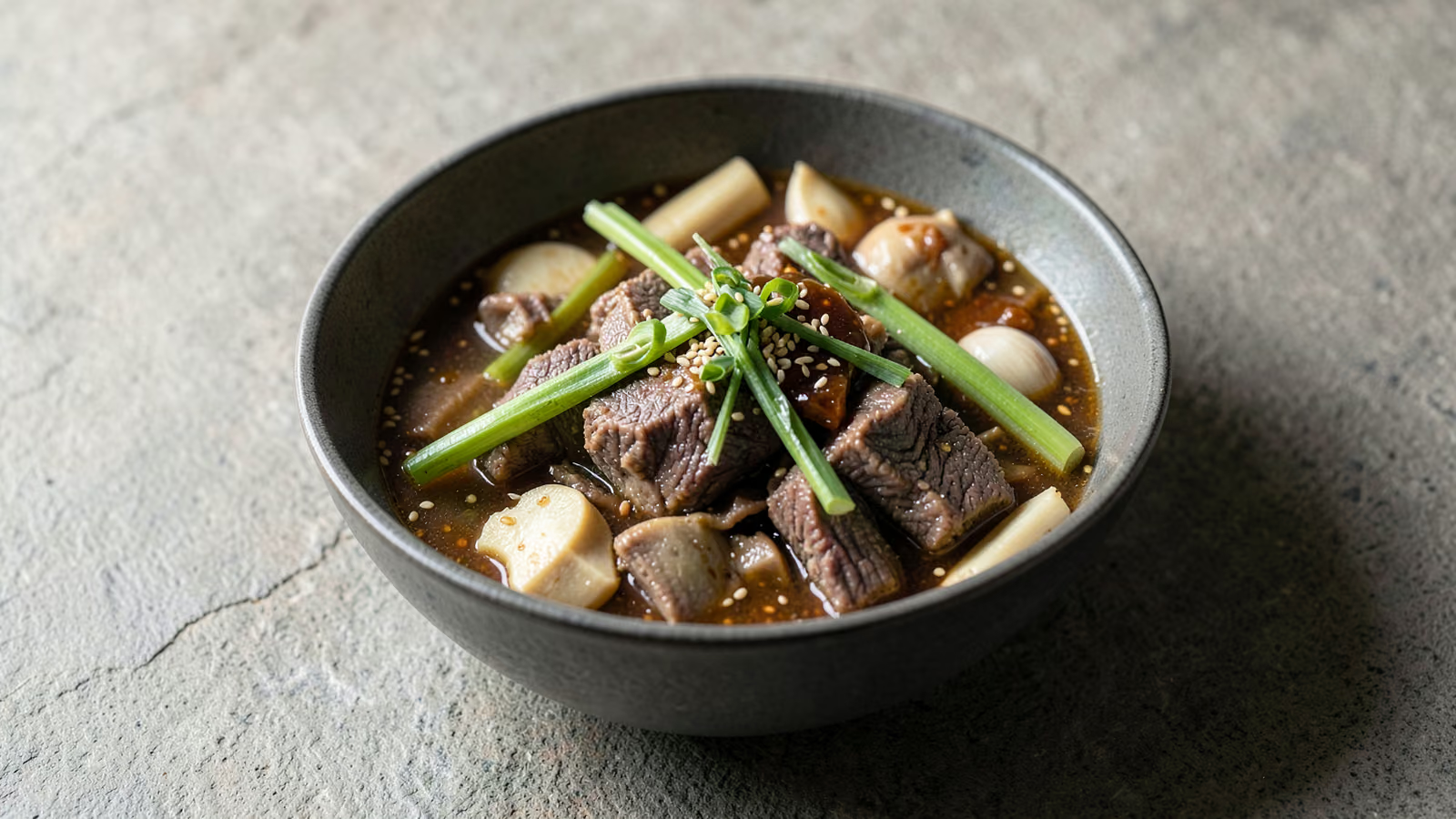
Beef Rendang
Rendang is Indonesia's slow-cooked beef at its most concentrated: Minangkabau cooks in West Sumatra simmer beef in coconut milk and a blended spice paste for hours, until the liquid disappears and the coating caramelizes onto every cube. This version honors that method with 1000 g of beef chuck, 800 ml of full-fat coconut milk, and a paste of shallots, garlic, ginger, galangal, lemongrass, and 10 soaked dried chilies, finished with tamarind and palm sugar. Prep takes about 30 minutes; the stove takes about 3 hours, most of it hands-off.
- Prep
- 30 min
- Cook
- 180 min
- Total
- 225 min
- Additional time
- 15 min
- Serves
- 6
Ingredients
What you’ll need — tap to tick off as you go
- 1000 g
- 800 ml
- 200 g
- 6 cloves
- 30 g
- 30 g
- 1 tsp
- 1 tbsp
- 1 tsp
- 1 tbsp
- 2 tbsp
- 1 tsp
- 2 tbsp
Process
Timers built in · swap anything · ask as you cook
Soak the 10 dried red chilies in hot water for 15 minutes and drain. For the spice paste, blend the drained chilies with 200 g shallots, 6 garlic cloves, 30 g ginger, 30 g galangal, 2 lemongrass pieces, 1 tsp turmeric powder, 1 tbsp coriander powder, and 1 tsp cumin powder until smooth, adding a splash of water if the blades stall. A smooth paste fries evenly; lumps scorch before they cook.
Heat the 2 tbsp cooking oil in a large heavy-bottomed pot over medium heat. Add the spice paste and cook, stirring frequently, for 8–10 minutes, until it smells fragrant and darkens slightly. This fry is what tames the raw shallots and garlic; the paste is ready when it thickens and the oil around it begins to glisten.
Add the 1000 g of beef cubes and stir to coat every piece in the paste, then cook for 5 minutes, turning the cubes, until the beef is lightly browned on all sides. With the paste clinging to the meat, this stage sears and steams at once — a light browning is all you want before the liquid goes in.
Pour in the 800 ml coconut milk, then add the 1 cinnamon stick (about 5 cm long), the 2 star anise, the 3 cracked cardamom pods, and the 6 torn kaffir lime leaves. Stir to combine and scrape the bottom of the pot clear. The milk should almost cover the beef, and the whole spices will soften and settle into the liquid as it heats.
Bring the pot to a gentle simmer, then reduce the heat to low, cover, and cook for 2 hours, stirring occasionally to keep the bottom from sticking. Keep the simmer lazy rather than rolling: a hard boil can break the coconut milk before the beef has had time to tenderize.
Remove the lid and cook uncovered over low heat for 45–60 minutes, stirring every 10 minutes, until the sauce thickens, turns dark brown, and shows glossy oil at the edges. The beef turns very tender now and the reduced sauce begins to coat the meat rather than pool around it.
Stir in the 1 tbsp tamarind paste, the 2 tbsp palm sugar, and the 1 tsp salt, and cook for another 5 minutes so the sweet, sour, and salty notes settle together. Taste and adjust, then lift out the cinnamon stick, star anise, and cardamom pods before serving.
Why this recipe works
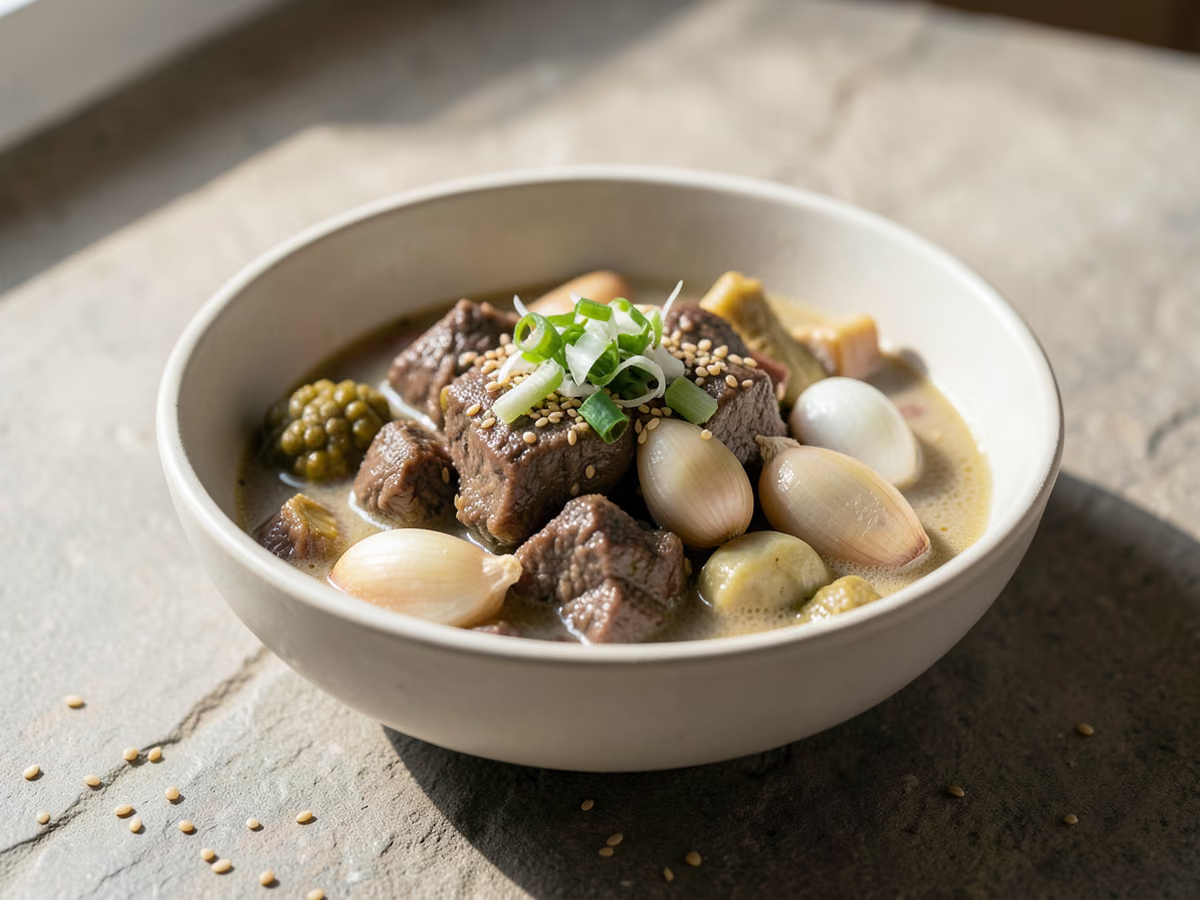
What makes rendang rendang is the final transformation: the coconut milk keeps reducing until its water is gone, the fat separates, and the spice paste fries in that oil rather than simmering in liquid. Chuck makes that possible — its collagen melts into gelatin over the long simmer, so the cubes stay whole yet yield to a spoon. Frying the paste before the liquid goes in matters just as much: it cooks off the raw, harsh edge of the shallots and garlic, so the finished coating tastes deep and caramelized instead of sharp.
Equipment
- Large heavy-bottomed pot or Dutch oven, wide rather than deep
- Blender or food processor
- Chef's knife and cutting board
- Measuring cups and spoons
- Heatproof bowl for soaking the dried chilies
- Wooden spoon or silicone spatula, for the long, frequent stirring
- Slotted spoon, for lifting out the whole spices at the end
Kitchen notes
Kitchen notes
- Cut the beef while it is cold: cold cubes hold a clean 4 cm edge, and even sizing means every piece reaches spoon-tender at the same time.
- Buy one piece of chuck and cube it yourself. Pre-cut beef sold for slow cooking often mixes several cuts, and one lean cube that sneaks in turns dry and stringy while the rest stay luscious.
- Scrape the pot floor with every stir. The paste that caramelizes there is the deepest flavor in the dish, and it only rejoins the sauce if your spoon lifts it back up.
- Skim if you want a lighter pot: once the oil has separated, tilt the pot and spoon off some of the clear fat. The coating keeps its flavor, and the dish eats less heavy.
- Rendang genuinely improves overnight — the coating sets and the spices marry — so cooking it a day before you plan to serve it is the least-effort upgrade in the whole recipe.
Common mistakes
- Thin, pale sauce that never darkens: light coconut milk was used, or the pot stayed covered through the final stage. Use 800 ml of full-fat coconut milk, and give the rendang its uncovered 45-60 minutes, stirring, so the liquid can evaporate and the fat can separate.
- Beef still tough as the sauce disappears: the simmer ran too high and dried things out before the collagen could soften. Hold a lazy bubble through the covered 2 hours, and if the meat is stubborn later, add a splash of water, re-cover, and keep cooking until it yields.
- Sauce scorching on the pot floor: once the liquid is gone, the paste and coconut solids stick and burn fast. Use a heavy-based pot, scrape the bottom with a wooden spoon every 10 minutes through the uncovered stage, and lower the heat as soon as the oil separates.
- Flat, raw-edged flavor: the spice paste was not fried long enough. Give it the full 8-10 minutes over medium heat, until it darkens and smells toasted; that fry, not the simmer, is where the shallots and garlic lose their harshness.
- Stopping at the saucy stage: the sauce looks thick and brown, but rendang is not finished until the oil separates and the coating clings and shines. Keep going — that final fry is what turns kalio, the wet stage, into true rendang.
Serving suggestions
- Serve over steamed jasmine rice and spoon a little of the spiced oil from the pot over each portion; it carries the deepest aroma of the dish.
- Cucumber slices and a spoonful of sambal are the classic Padang pairing — cool, sharp and fresh enough to reset the palate between rich bites.
- Keep the rest of the table simple: steamed greens or quick-pickled vegetables rather than creamy sides, which blur the coating's dry, deep spice.
- This pot is sized for 6 servings, and the flavor is intense enough that one generous scoop per person plus rice goes a long way.
- For drinks, keep it cold and uncomplicated: sparkling water with a squeeze of lime, iced tea, or barley tea served chilled.
Variations
- Chicken rendang: bone-in chicken thighs work with the same paste and coconut milk; start checking well before the beef timing, since chicken needs only a fraction of the simmer and the coating still darkens and clings.
- Beef shin version: shin carries even more collagen than chuck, so the cubes turn silkier; cut them into the same 4 cm pieces and expect a slightly stickier sauce.
- Pressure-cooker start: cook the paste, beef, and coconut milk under pressure until the meat is tender, then finish uncovered on the stove until the sauce darkens and clings — a shortcut for the simmer stages only, since the final fry cannot be rushed.
Refrigerator
- RefrigeratorCool the rendang within 2 hours of cooking, then refrigerate it in an airtight container for up to 4 days. The coating sets as it chills and the flavor deepens; spoon off the solid coconut fat before reheating if you prefer a lighter sauce.
- ReheatingWarm it gently in a covered pot over low heat with a splash of water, stirring until steaming hot throughout, about 74°C on a thermometer. Skip a hard boil — it tightens the beef and can scorch the coating.
- FreezingFreeze cooled rendang in an airtight container for up to 3 months, then thaw overnight in the refrigerator. The sauce can look slightly grainy after thawing, but it smooths out again over gentle heat.
- Make aheadCook the full recipe a day before serving and reheat gently with a splash of water: the spices settle overnight and the beef grows even more tender in its coating. Refrigerated, it holds for the full 4-day window.
Updated:
How this recipe was developed
- USDA FoodSafety.gov safe minimum internal temperature chart (beef steaks, roasts and chops 63°C with a 3-minute rest; leftovers reheated to 74°C)
- USDA FSIS, Leftovers and Food Safety (refrigerate cooked food within 2 hours; keep leftovers 3 to 4 days refrigerated or 3 to 4 months frozen; reheat to 74°C)
- America's Test Kitchen, The Art of Indonesian Beef Rendang (three stages — gulai, kalio, rendang; chuck or shin for collagen; the paste is fried before the coconut milk goes in; 15 to 20 minutes of active stirring as the liquid evaporates and the coating browns)
- RecipeTin Eats, Nagi Maehashi, Beef Rendang (chuck is the best cut, cubed at 4 cm; slow cooker on low for 6 hours followed by reducing the sauce in a pot; the sauce browns the beef once the oil separates)
Editorial references are kept internally for verification. This page makes no claim of external certification or professional testing.
FAQ
The questions we get asked most
Why is my beef rendang not dark and thick?
The color and thickness come from the last stretch of cooking, not the recipe's early stages. As the water in the coconut milk evaporates, the fat separates and starts frying the paste and the beef, and that frying is what builds the deep brown coating. If the pot is still saucy, keep it uncovered over low heat and stir more often; rendang is ready when the sauce clings to the meat and glossy oil pools at the bottom of the pot.
Can I make beef rendang in a slow cooker?
Yes, with one finishing step you cannot skip. Cook the paste, beef, and coconut milk on low for 6-8 hours, then transfer everything to a wide pan and simmer uncovered until the sauce darkens and thickens. Slow cookers trap too much moisture to brown and dry the coating on their own, so without that stovetop finish you get the saucy stage, not rendang.
What cut of beef is best for rendang?
Chuck, without much debate: it carries enough marbling and connective tissue to stay juicy through hours of cooking while turning spoon-tender, and the 4 cm cubes keep their shape. Brisket works but is leaner and finishes a little drier, and beef shin is excellent if you can find it. Avoid lean cuts like sirloin, which tighten and dry out.
How do I know when beef rendang is done?
Read the sauce and the meat together. The beef is done when a spoon or fork slides in with almost no resistance, and the sauce should be thick, dark brown and glossy, with oil visible rather than loose liquid. For safety, beef is fully cooked at 63°C; the long cook takes it far past that, so texture is the better signal here.
Can I make beef rendang ahead of time?
Yes, and it is one of the rare dishes that improves. Cool it within 2 hours of cooking, refrigerate for up to 4 days, and reheat gently with a splash of water; the spice coating deepens overnight and the beef grows more tender. It also freezes well for up to 3 months — thaw overnight in the refrigerator before reheating.
Is beef rendang very spicy?
It is deeply spiced but not punishingly hot as written. The heat comes from the 10 soaked dried chilies, so scrape out the seeds and membranes before blending for a milder paste, or simply use fewer; a spoonful of extra coconut milk stirred in at the end softens the edges. The cinnamon, star anise and cardamom read aromatic rather than fiery.
How do I stop rendang from burning or sticking to the pot?
Stir more often as the sauce thickens, and scrape the bottom every time: once the liquid is nearly gone, the coating caramelizes against the pot floor and can scorch within minutes. Keep the heat low for the final stage, use a heavy-based pot, and if the underside starts catching, add a splash of water and lower the heat further.
Ask KitchenMind about this recipe
Tell it what’s different tonight — it works within the actual recipe.