- Prep
- 25 min
- Cook
- 150 min
- Total
- 175 min
- Serves
- 6
Ingredients
What you’ll need — tap to tick off as you go
- 1200 g
- 3 tbsp
- 2 tbsp
- 40 g
- 5 cloves
- 2 tbsp
- 1 tsp
- 2 tbsp
- 500 ml
- 800 ml
- 500 g
- 2 tbsp
- 1 tsp
- ½ tsp
- 20 g
Process
Timers built in · swap anything · ask as you cook
Pat the beef chuck chunks completely dry with paper towels and season all over with the salt and black pepper. Let them sit at room temperature for 15 minutes while you prepare the aromatics.
Heat the neutral oil in a heavy Dutch oven or wide pot over medium-high heat. Sear the beef in two batches, about 4 minutes per side, until deeply browned. Transfer the beef to a plate and set aside.
Lower the heat to medium. Add the shallots, garlic, ginger and lemongrass to the same pot and cook for 2 minutes until fragrant. Stir in the curry powder, five-spice powder and tomato paste and cook for 1 minute, scraping up the browned bits.
Return the beef and any resting juices to the pot. Add the fish sauce, brown sugar, star anise, coconut water and beef broth. The liquid should just cover the meat; add a splash more broth if needed.
Bring to a gentle simmer, then reduce the heat to low, cover with a lid slightly ajar and cook for 1 hour 45 minutes, stirring every 30 minutes, until the beef is tender when pierced with a knife.
Add the carrots and onion wedges, cover and simmer for another 30 to 40 minutes, until the carrots are fork-tender but still hold their shape and the beef shreds easily.
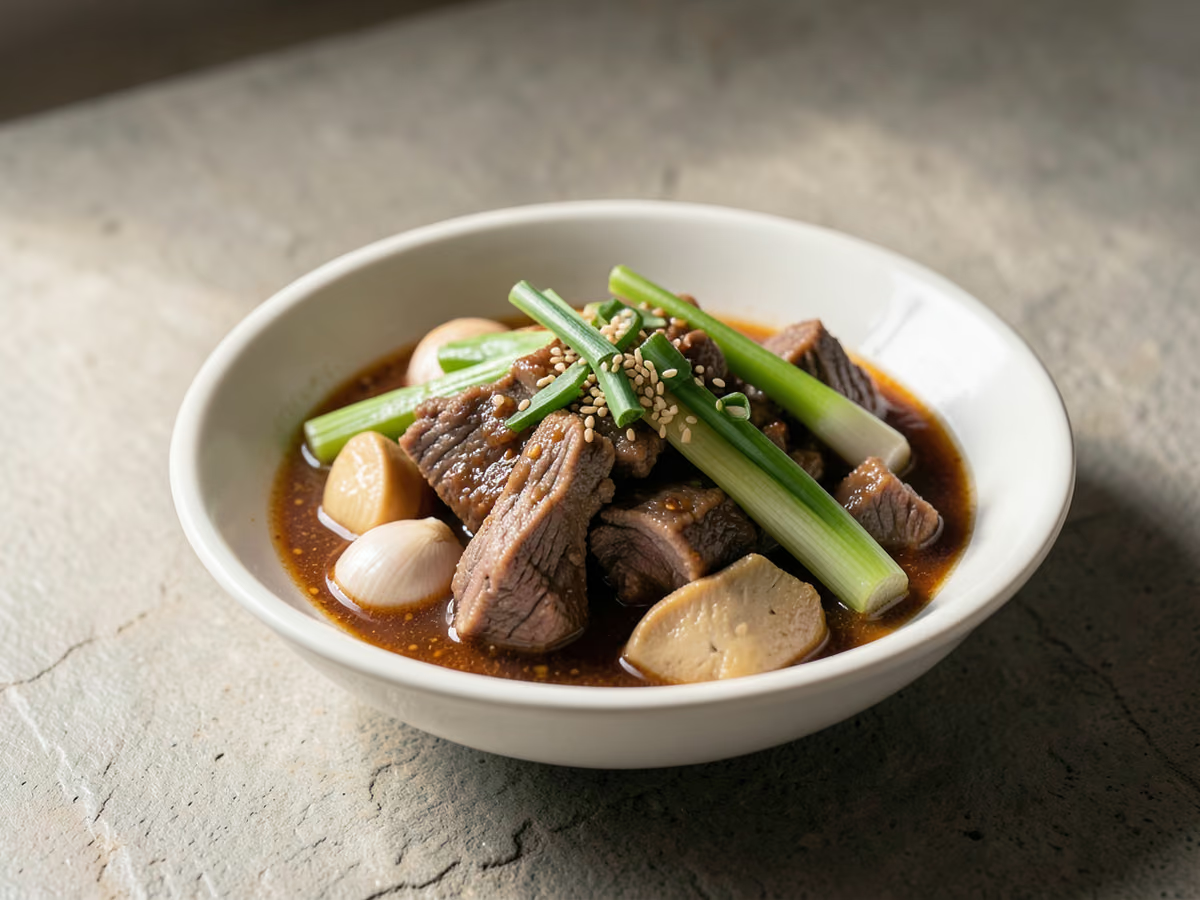
Fish out the lemongrass pieces and star anise. Taste the broth and adjust with extra fish sauce or a pinch of salt. Serve hot, scattered with Thai basil leaves and sliced bird's eye chili if you like.
Kitchen notes
Kitchen notes
- The most common mistake is skipping the sear or crowding the pot; browned beef builds the stew's depth, so sear in batches and give each piece space.
- Do not let the stew boil hard once the coconut water goes in. A gentle simmer keeps the beef tender; a rolling boil makes it stringy and dry.
- The beef is done when a chunk presses apart with light pressure from a spoon, not when a timer goes off. Chuck can need 15 to 20 minutes more depending on the cut.
- If the broth tastes flat at the end, it usually needs acid and salt, not more spice. A squeeze of lime and another teaspoon of fish sauce fixes it.
Substitutions
- beef chuck→beef brisket or beef shin, cut the same size
- fish sauce→soy sauce plus a pinch of salt for a vegetarian-style umami
- coconut water→unsweetened coconut milk mixed with 200 ml water for a richer broth
- star anise→1 tsp Chinese five-spice powder if whole star anise is unavailable
Storage & reheating
Cool the stew to room temperature within 2 hours, then store in an airtight container in the fridge for up to 4 days; the flavor improves on day two. To freeze, portion into freezer-safe containers, leaving 2 cm headspace, and freeze for up to 3 months; thaw overnight in the fridge. Reheat gently on the stovetop over medium-low heat for 10 to 15 minutes until steaming, or in a covered pot in a 160°C oven for 25 minutes, adding a splash of broth if the sauce has thickened too much.
FAQ
The questions we get asked most
Why is my bo kho beef tough after two hours?
The cut is likely too lean or the pot simmered too hard. Chuck, brisket and shin have enough connective tissue to break down; lean round or sirloin will stay tough no matter how long it cooks. Keep the liquid at a bare simmer, not a boil, and give it another 30 minutes if the meat still resists a spoon.
Can I make bo kho in a pressure cooker or slow cooker?
Yes. In a pressure cooker, sear the beef and aromatics using the saute setting, add the liquids, then cook at high pressure for 35 minutes, release naturally, add the carrots and cook 5 more minutes. In a slow cooker, brown everything first, then cook on low for 7 to 8 hours, adding carrots in the last 90 minutes so they do not turn to mush.
What do you serve with Vietnamese beef stew?
The classic pairing is a crusty baguette for dipping, or fresh rice noodles for a bowl-style meal. It also works over steamed jasmine rice or with a side of herbs like mint, cilantro and Thai basil. A squeeze of lime and sliced chili at the table brightens the rich broth.
Can I use coconut milk instead of coconut water?
Yes, but the result is much richer. Replace the coconut water with 400 ml unsweetened coconut milk plus 100 ml water, and skim any oil that rises to the surface. Many home cooks in southern Vietnam use coconut water for a lighter, clearer broth and coconut milk for a creamier version.
How do I fix bo kho that tastes too sweet or too salty?
Too sweet usually means too much brown sugar or sweet coconut water; add 1 tbsp fish sauce and 1 tsp lime juice to balance it. Too salty is best fixed by adding 200 ml unsalted beef broth or water and simmering uncovered for 10 minutes. Always taste after the carrots go in, since they add their own sweetness.
Can I add potatoes or other vegetables to bo kho?
Yes. Add waxy potatoes cut into 4 cm chunks at the same time as the carrots, and they will hold their shape. Daikon, green beans or mushrooms also work; add quick-cooking vegetables like mushrooms in the last 10 minutes so they do not overcook.
Why did my bo kho broth turn cloudy or greasy?
Cloudiness comes from a hard boil or from not skimming the surface. Greasiness comes from not trimming enough fat or from coconut milk separating. Skim the fat with a spoon before serving, and keep the stew at a low simmer with the lid slightly ajar so the broth stays clear.
Ask KitchenMind about this recipe
Tell it what’s different tonight — it works within the actual recipe.