- Prep
- 30 min
- Cook
- 45 min
- Total
- 75 min
- Serves
- 4
Ingredients
What you’ll need — tap to tick off as you go
- 400 g
- 250 g
- 150 g
- 150 g
- 200 g
- 100 g
- 200 g
- 2 tbsp
- 4 tbsp
- 3 tbsp
- 2 tbsp
- ½ tsp
- 1 tsp
- 2 tsp
- 1 tsp
- ¼ tsp
- 3 tbsp
- 15 g
- 15 g
- 1 tbsp
- 2 ½ l
Process
Timers built in · swap anything · ask as you cook
Rinse the basmati rice under cold water until the water runs clear, then soak it in fresh cold water for 30 minutes. Drain well before cooking.
Heat the neutral oil in a wide pan over medium heat. Fry the 2 thinly sliced onions with a pinch of salt, stirring often, for 8 to 10 minutes until deep golden and crisp. Lift them out with a slotted spoon onto paper towels and set aside.
In the same pan, add 2 tbsp ghee and the chopped onion. Cook over medium heat for 4 minutes until soft and pale gold. Add the ginger garlic paste, cumin seeds, 2 green cardamom pods, 2 cloves and the cinnamon stick, and fry for 1 minute until fragrant.
Add the potatoes, carrots, green beans and cauliflower. Stir in the biryani masala, ground turmeric, red chilli powder and 1 tsp salt. Cook for 6 to 8 minutes, stirring, until the vegetables are coated and just beginning to soften.
Lower the heat, stir in the plain yogurt one spoon at a time so it does not split, then add the green peas and lemon juice. Simmer for 5 minutes until the vegetables are tender but still hold their shape and the masala clings to them. Set aside.
Bring the 2.5 l water to a rolling boil with the remaining 1 tsp salt, 2 bay leaves, 2 green cardamom pods and 2 cloves. Add the drained rice and cook for 5 to 6 minutes, until the grains are about 70 percent done: they should bend but still have a firm bite in the centre. Drain immediately.
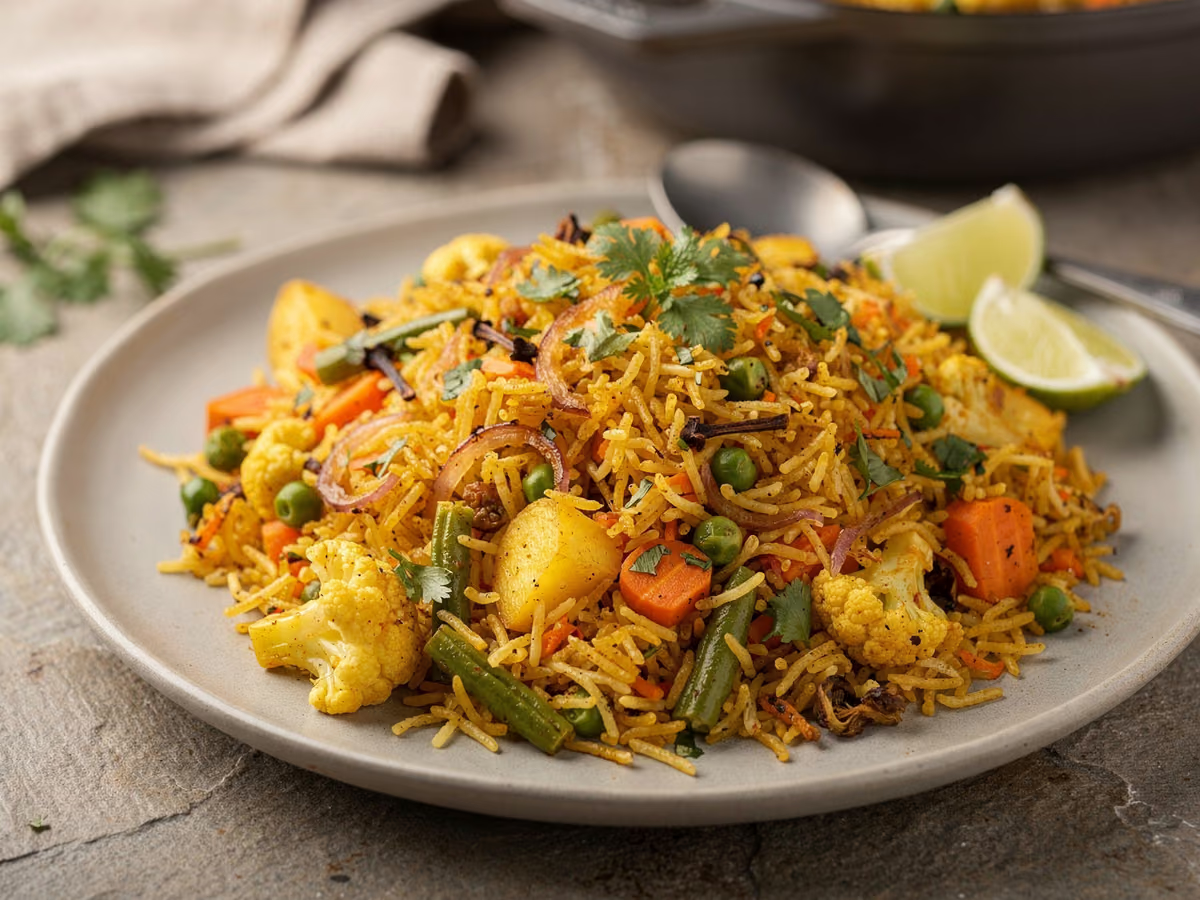
Spread half the par-boiled rice in a heavy-bottomed pot. Layer all the vegetable masala on top, then cover with the remaining rice. Scatter the fried onions, chopped mint and coriander over the top, and drizzle with the saffron milk and the remaining 2 tbsp ghee.
Seal the pot tightly with a lid, or cover the rim with foil first. Cook on low heat for 20 minutes, then turn off the heat and rest, still covered, for 10 minutes. Do not lift the lid during this time.
Open the pot and fluff the biryani gently from the sides with a flat spoon or fork, mixing the white rice, saffron rice and vegetables as you serve.
Kitchen notes
Kitchen notes
- The most common mistake is overcooking the rice at the par-boil stage. Taste a grain at 5 minutes: it must still be firm in the centre, because it finishes cooking in the sealed pot.
- If your pot has a thin base, put a flat tawa or skillet under it during the final 20 minutes so the bottom layer does not scorch.
- Do not stir the biryani while it steams. Layering is what keeps the grains whole; mix only at the table right before serving.
- Full-fat yogurt is important. Low-fat or curdled yogurt splits in the hot masala and makes the vegetable layer grainy.
Substitutions
- ghee→neutral oil or coconut oil for a dairy-free version
- plain yogurt→coconut yogurt, whisked, for a dairy-free version
- biryani masala→1 tsp ground coriander, 1 tsp ground cumin, 0.5 tsp garam masala and a pinch of ground turmeric
- saffron→0.25 tsp ground turmeric stirred into the warm milk for colour
- green beans→the same weight of chopped bell pepper or extra peas
Storage & reheating
Cool the biryani within 1 hour and store it in an airtight container in the fridge for up to 3 days. It also freezes well for up to 1 month; thaw overnight in the fridge. Reheat in a covered ovenproof dish at 160°C for 15 to 20 minutes, or in a covered pan on low heat with a splash of water, until steaming hot throughout. Do not microwave on high, as the rice turns rubbery.
FAQ
The questions we get asked most
Why did my vegetable biryani turn out mushy?
The rice was almost certainly boiled too long before layering. Basmati for biryani should be drained at 70 percent done, when a grain snaps but still has a firm core. It then absorbs steam in the sealed pot for 20 minutes and finishes perfectly.
Can I make vegetable biryani ahead of time?
Yes. Fry the onions, cook the vegetable masala and par-boil the rice up to a day ahead, keeping each component in a separate covered container in the fridge. Layer and steam for 25 minutes instead of 20 when you are ready to serve, so everything heats through.
How do I keep the yogurt from splitting in the masala?
Take the pan off the heat or turn it to low, then add the yogurt one spoon at a time, stirring it in fully before the next spoon. Whisking the yogurt smooth with a fork before it goes in also helps. If it does split, the biryani still tastes fine, only the texture of the gravy is less silky.
Can I use frozen mixed vegetables instead of fresh?
Yes. Use about 600 g of frozen mixed vegetables and add them straight to the pan after the whole spices, skipping the 6 to 8 minute saute. Cook them for just 3 to 4 minutes before adding the yogurt, since frozen vegetables release water and soften quickly.
How do I know the biryani is fully cooked without opening the lid?
After 20 minutes on low heat, tilt the pot slightly: you should hear a faint sizzle and smell toasted rice and spices, not burning. Let it rest off the heat for 10 minutes, then open and check that a grain at the top is fluffy and a grain at the bottom is not stuck. If the top grains are chalky, sprinkle 2 tbsp water, reseal and steam for 5 more minutes.
Can I make this biryani vegan?
Yes. Replace the ghee with neutral or coconut oil and use coconut yogurt in place of dairy yogurt. Skip the saffron milk or bloom the saffron in 3 tbsp warm coconut milk instead. The result is slightly less rich but still aromatic.
Why is my biryani bland even though I added spices?
Salt is usually the missing piece, not spice. The rice cooking water needs to taste clearly salty, like sea water, and the vegetable masala needs its own salt. Also check that your biryani masala is fresh; ground spices lose their punch after about 6 months in the cupboard.
Ask KitchenMind about this recipe
Tell it what’s different tonight — it works within the actual recipe.