Cacio e Pepe
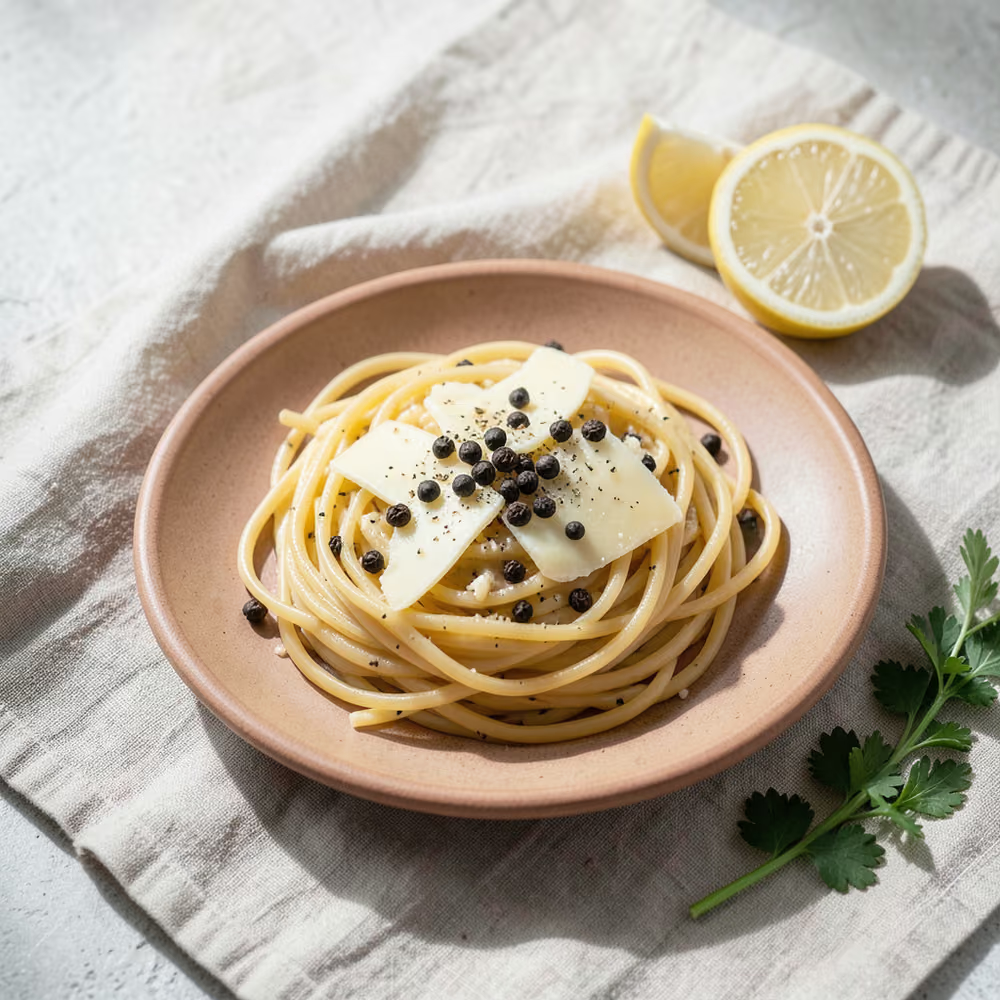
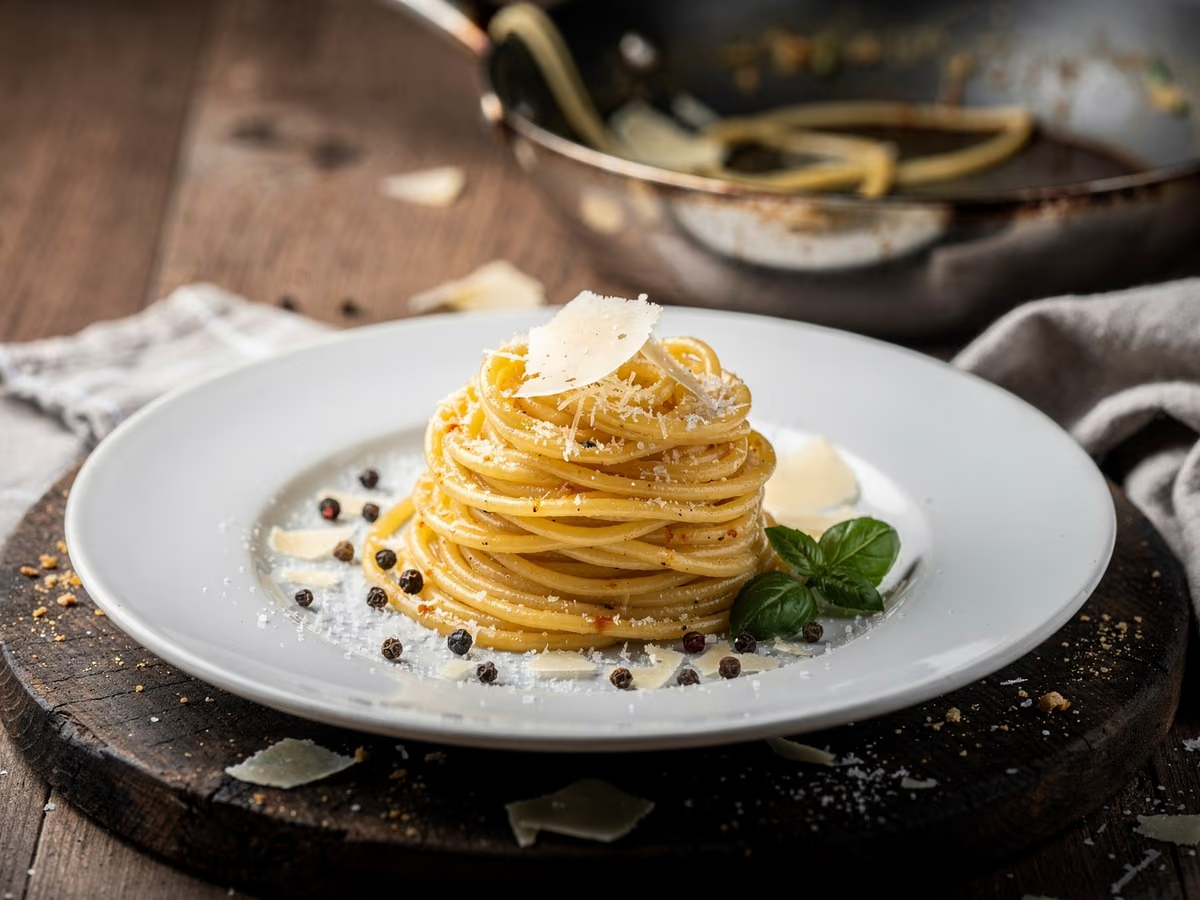
A classic Roman pasta dish with only three main ingredients: spaghetti, Pecorino Romano cheese, and black pepper. The creamy sauce is created by emulsifying pasta water with cheese and pepper.
- Prep
- 5 min
- Cook
- 15 min
- Total
- 20 min
- Serves
- 2
Ingredients
What you’ll need — tap to tick off as you go
- 200 g
- 100 g
- 2 tsp
- 1 tbsp
Process
Timers built in · swap anything · ask as you cook
Bring a large pot of water to a boil. Add the salt to the boiling water.
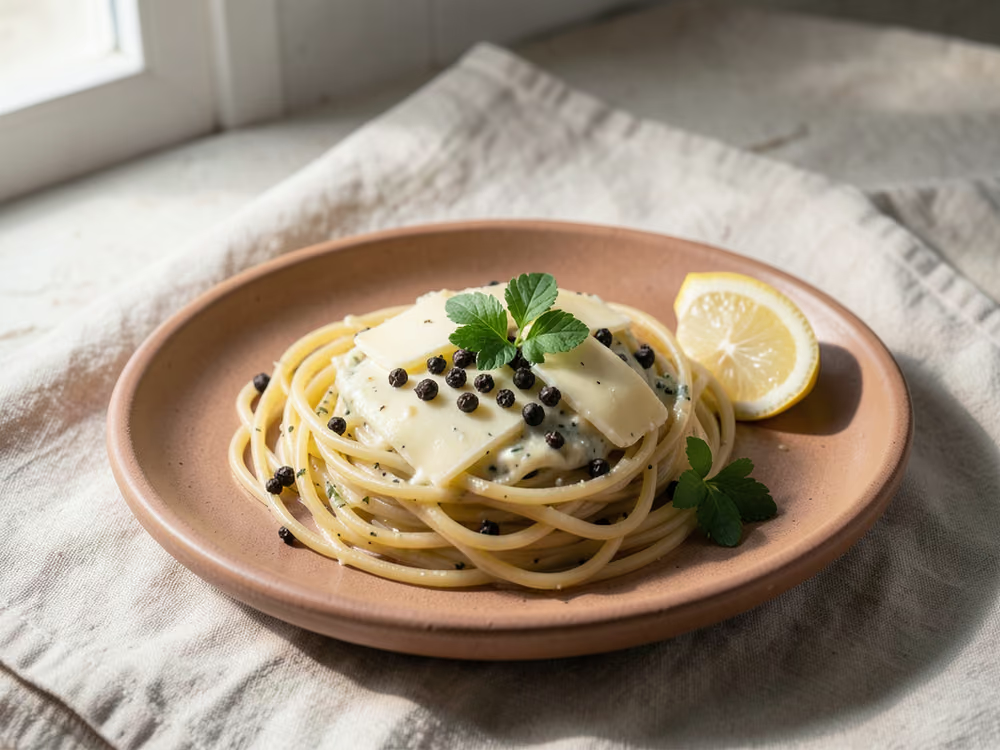
Add the spaghetti to the boiling water and cook until al dente according to package instructions (usually about 8–10 minutes).
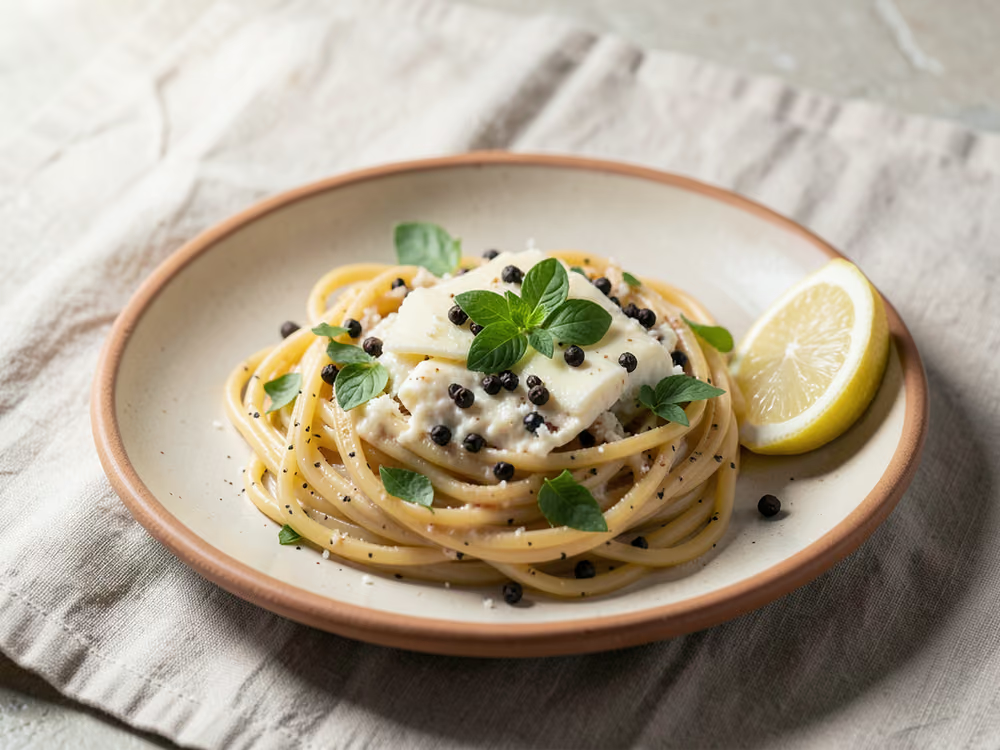
While the pasta cooks, place the crushed black peppercorns in a large skillet over medium heat. Toast for 1–2 minutes until fragrant, shaking the pan occasionally. Remove from heat and set aside.
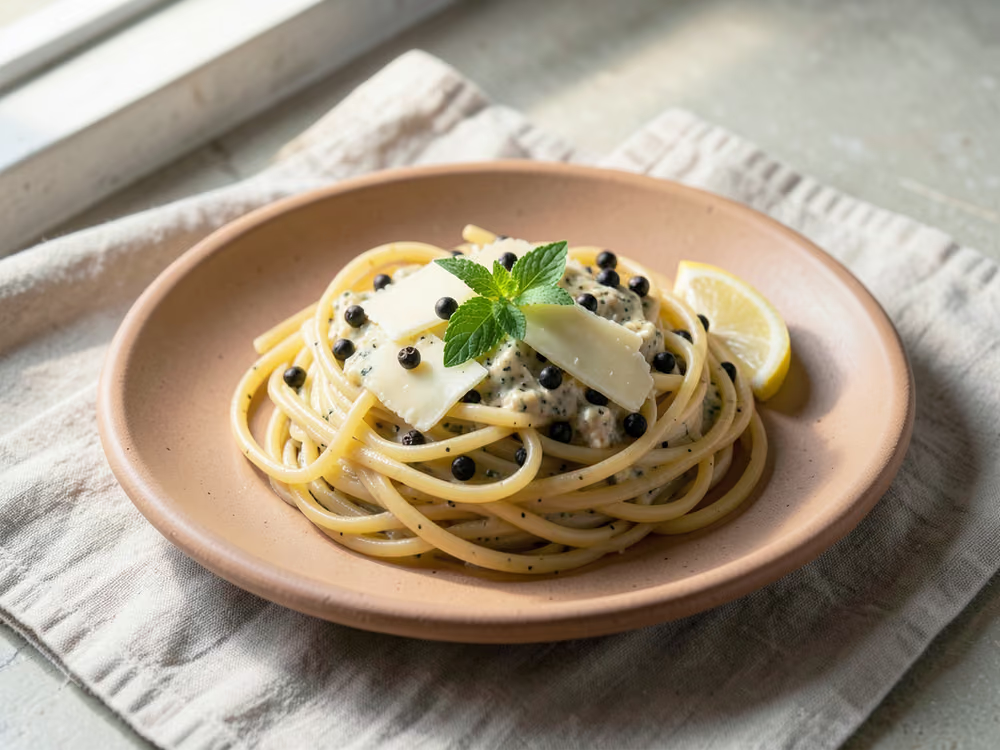
Before draining the pasta, reserve about 1 cup (240 ml) of the pasta cooking water.
Drain the spaghetti and transfer it to the skillet with the toasted black peppercorns. Place the skillet over low heat.
Add about 1/2 cup (120 ml) of the reserved pasta water to the skillet. Toss the spaghetti to combine and create a starchy base.
Remove the skillet from the heat. Gradually add the grated Pecorino Romano cheese, tossing continuously to melt the cheese and form a creamy sauce. If the sauce is too thick, add more pasta water a little at a time until it reaches a silky consistency.
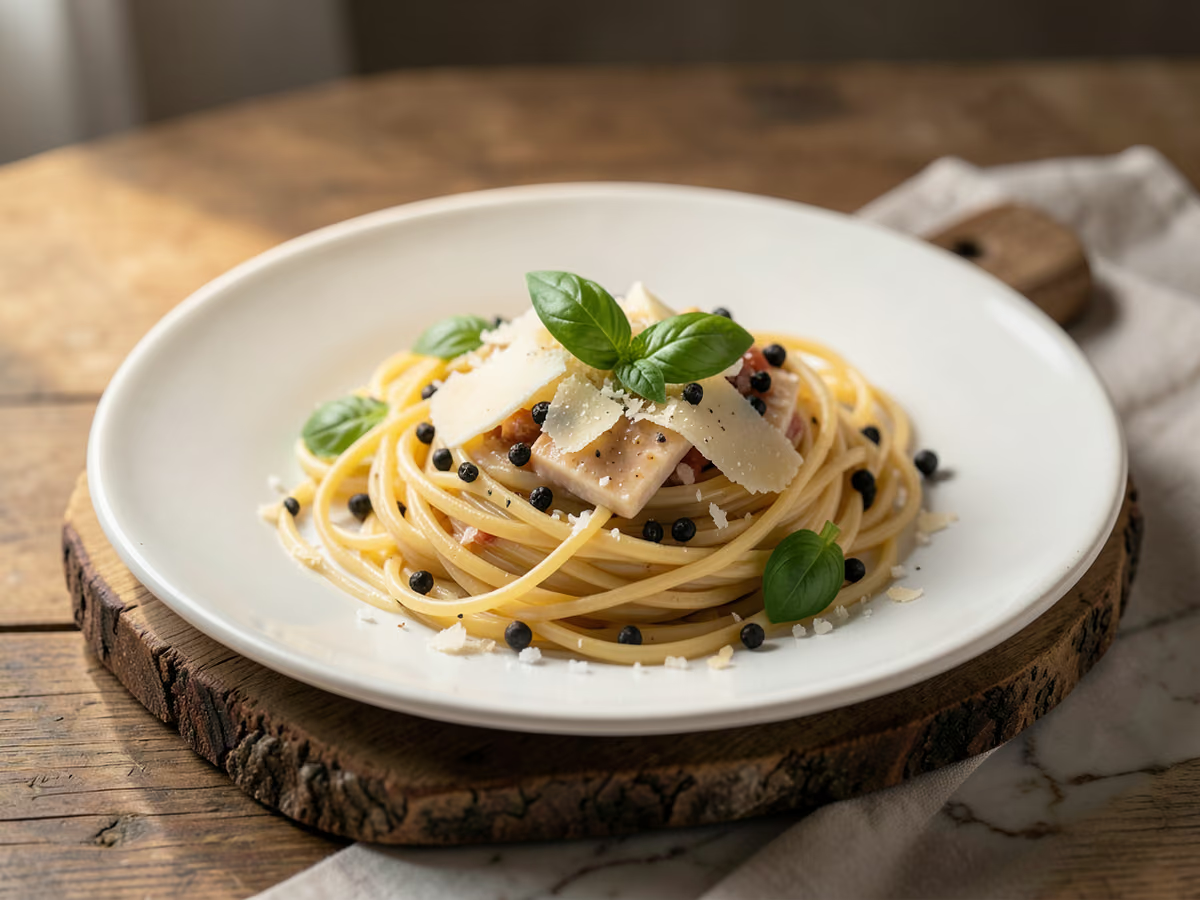
Serve immediately, with extra grated Pecorino Romano cheese and a sprinkle of black pepper on top.
Kitchen notes
Kitchen notes
- The biggest mistake is adding cheese over direct heat; it will clump and turn stringy. Always remove the skillet from the burner before adding the Pecorino, and toss vigorously.
- Grate the Pecorino Romano very finely on a Microplane or the smallest holes of a box grater so it melts smoothly into the pasta water.
- Reserve at least 1 cup of pasta water before draining; the starch is essential for emulsifying the cheese into a creamy sauce without oil or butter.
- Toast the black peppercorns just until fragrant, about 1 to 2 minutes; if they start popping or smoking, remove the pan immediately or they will taste bitter.
Substitutions
- pecorino-romano-cheese→Parmigiano-Reggiano (for a milder, less salty sauce; use the same weight)
- spaghetti→bucatini or rigatoni (both hold the sauce well; adjust cooking time to package directions)
- black-peppercorns→pre-ground black pepper (use 1.5 tsp and add it after removing the pan from heat to avoid burning)
Storage & reheating
Store leftovers in an airtight container in the refrigerator for up to 2 days. Freezing is not recommended because the cheese sauce separates and becomes grainy upon thawing. To reheat, place the pasta in a skillet over low heat with 1 to 2 tablespoons of water, tossing constantly until warmed through, about 3 to 4 minutes; do not use a microwave, as it will make the pasta rubbery.
Gallery
FAQ
The questions we get asked most
Why did my cacio e pepe turn into a clumpy, stringy mess?
The cheese clumped because the pan was too hot or the pasta water was not starchy enough. The heat causes the proteins in the cheese to tighten and squeeze out fat, creating strings. Next time, remove the skillet from the heat before adding the cheese and use only the starchy water from cooking the pasta.
Can I use Parmesan instead of Pecorino Romano?
Yes, but the flavor will be milder and less salty. Parmesan melts similarly, so use the same amount and adjust salt at the end. For a closer match, look for a young Pecorino Romano if you find the classic too sharp.
Can I make cacio e pepe ahead of time?
It is best served immediately, as the sauce thickens and becomes gluey as it sits. If you must prep ahead, grate the cheese and crush the peppercorns up to 1 day in advance and store them separately at room temperature. Cook the pasta and assemble just before serving.
How do I know when the pasta is done?
Bite a strand; it should be tender but still firm to the tooth, with no raw flour taste. The package time is a guide, but start checking 1 minute before the suggested time. For cacio e pepe, cook it 1 minute less than al dente because it will finish cooking in the skillet.
Why is my sauce dry or not creamy?
You likely did not use enough pasta water or added the cheese too quickly. The starch in the water is what emulsifies the cheese into a sauce. Add pasta water a tablespoon at a time while tossing until the sauce coats the pasta in a silky layer.
Can I use pre-grated Pecorino Romano?
Pre-grated cheese often contains anti-caking agents like cellulose that prevent it from melting smoothly, resulting in a grainy sauce. For the best texture, grate a block of Pecorino Romano yourself just before using. If you must use pre-grated, pulse it in a food processor to break up clumps and add it off the heat.
Ask KitchenMind about this recipe
Tell it what’s different tonight — it works within the actual recipe.