Spaghetti Aglio e Olio
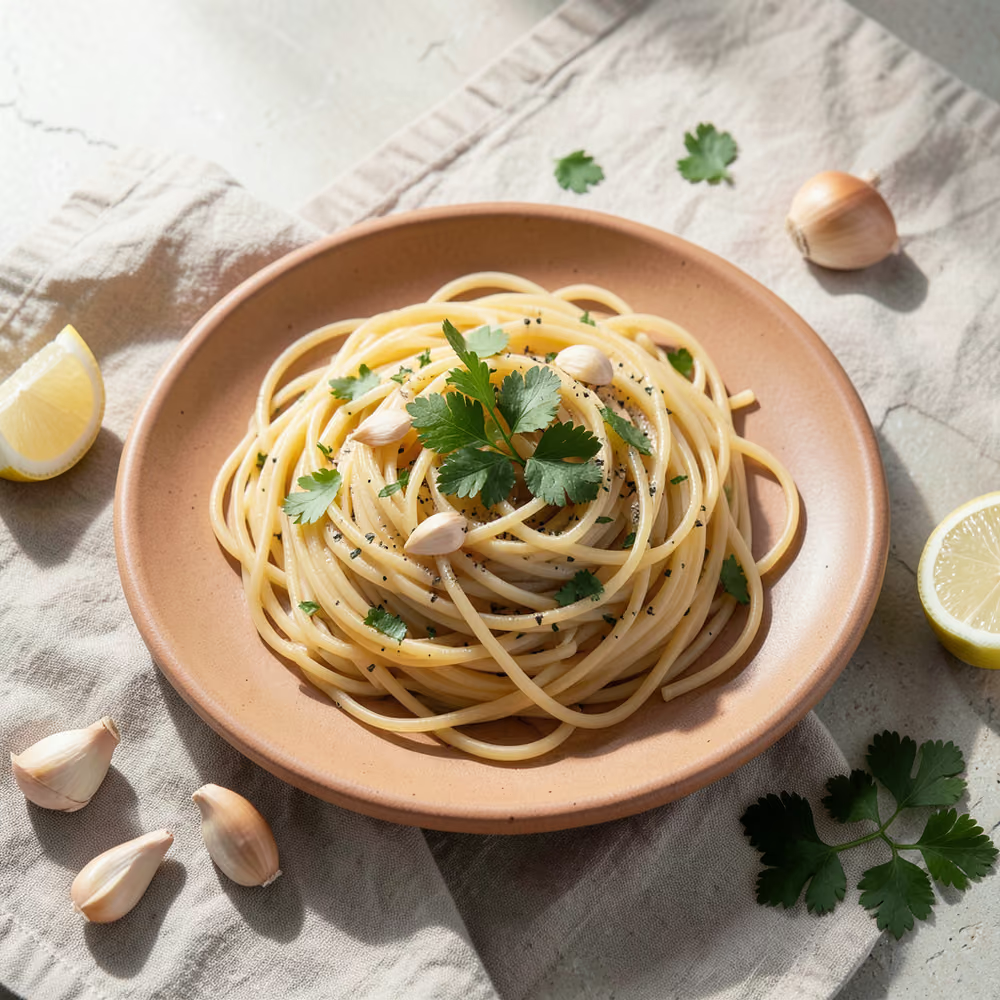
Spaghetti aglio e olio is the Italian pantry at its most confident: spaghetti, garlic, olive oil, chilli flakes and parsley, and nothing else. Two details decide everything — garlic sliced thin and taken just to pale gold, and a few spoonfuls of starchy pasta water that turn oil and water into a sauce that clings. From a cold pot to the table is about 25 minutes, most of it waiting for water to boil, which is why this stays a weeknight staple as well as a showcase for good olive oil.
- Prep
- 10 min
- Cook
- 15 min
- Total
- 25 min
- Serves
- 4
Ingredients
What you’ll need — tap to tick off as you go
- 400 g
- 6 cloves
- 120 ml
- 1 tsp
- 15 g
- 1 tbsp
- ½ tsp
Process
Timers built in · swap anything · ask as you cook
Bring a large pot of water to a rolling boil, add the 1 tbsp salt, add the 400 g spaghetti and stir for the first minute so the strands do not stick. Cook until al dente, checking a strand a minute or two before the package time for a firm bite with a faint chalky core. Ladle off 1 cup of the cloudy cooking water before draining — its starch is the sauce.
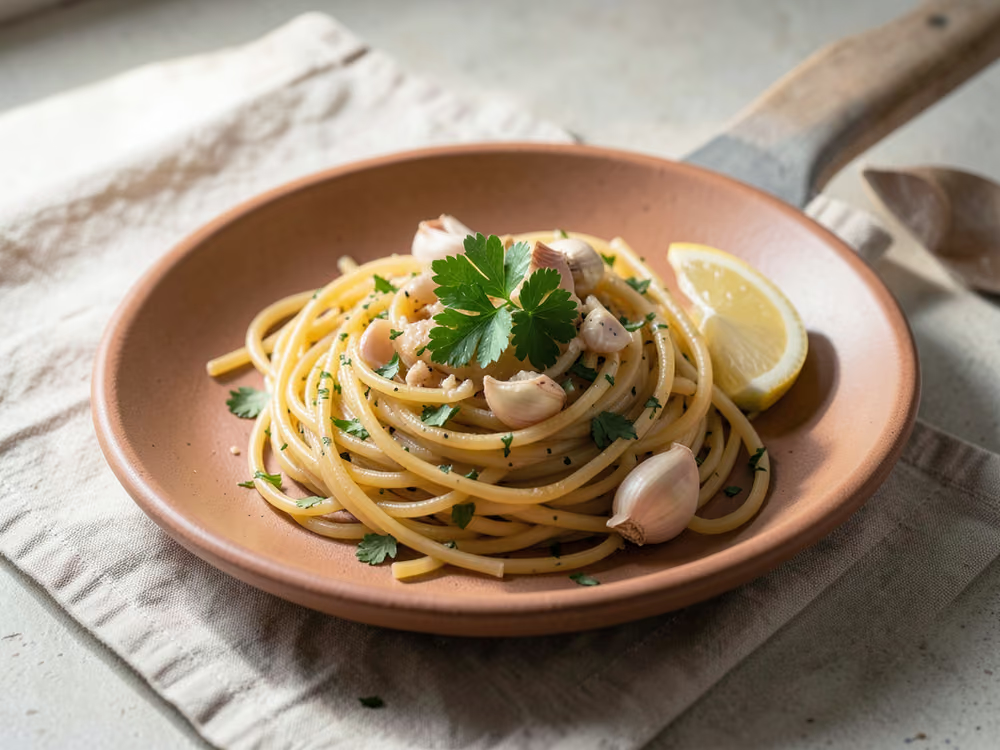
While the pasta cooks, thinly slice the 6 garlic cloves and put the 120 ml olive oil in a wide skillet over medium-low heat. Test with one slice: when it sizzles gently rather than frying hard, the oil is ready. Starting the garlic in warm, not hot, oil is what steeps out its sweetness instead of burning it.
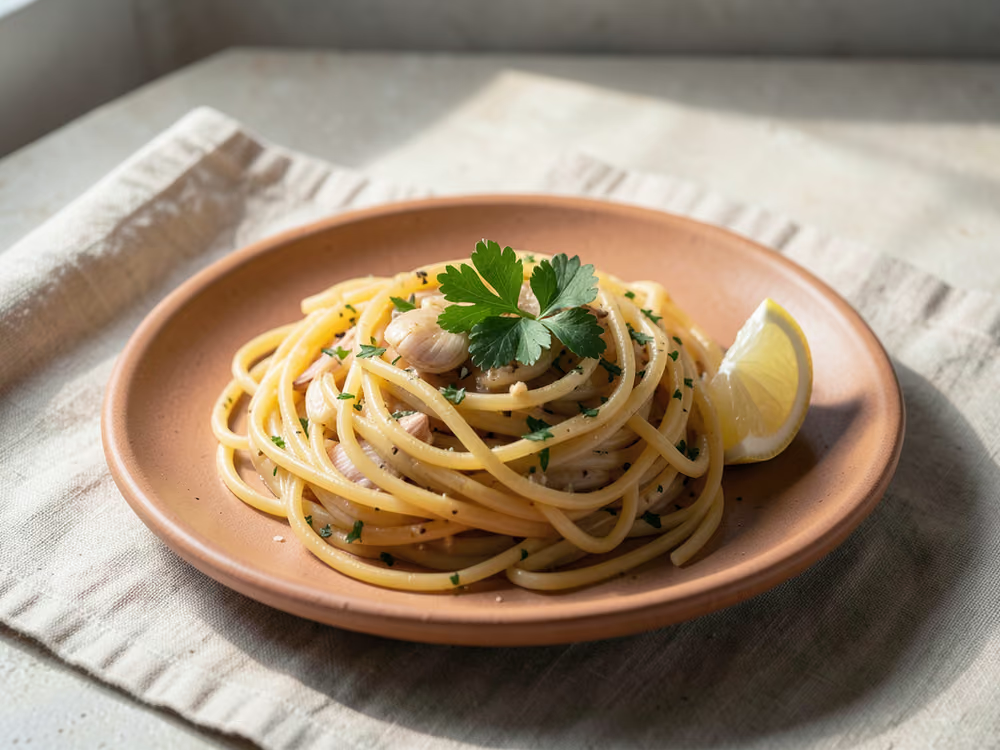
Add the garlic and the 1 tsp red pepper flakes to the oil and cook gently for 2 to 3 minutes, swirling the pan, until the slices are pale gold at the edges and fragrant. Do not let them brown: garlic swings from sweet to acrid in seconds. If the pasta is not quite ready, slide the pan off the heat.
Drain the spaghetti and tip the whole batch into the skillet with the garlic oil. Toss with tongs for about a minute so every strand is coated and the garlic slices spread through, setting the pan back over low heat if it has been sitting off the flame.
Add a splash of the reserved pasta water — a few tablespoons — and keep tossing over medium heat until the oil and water come together into a glossy, creamy coating rather than pooling at the bottom. Add more water a spoonful at a time if the pasta looks tight; stop when the strands glisten.
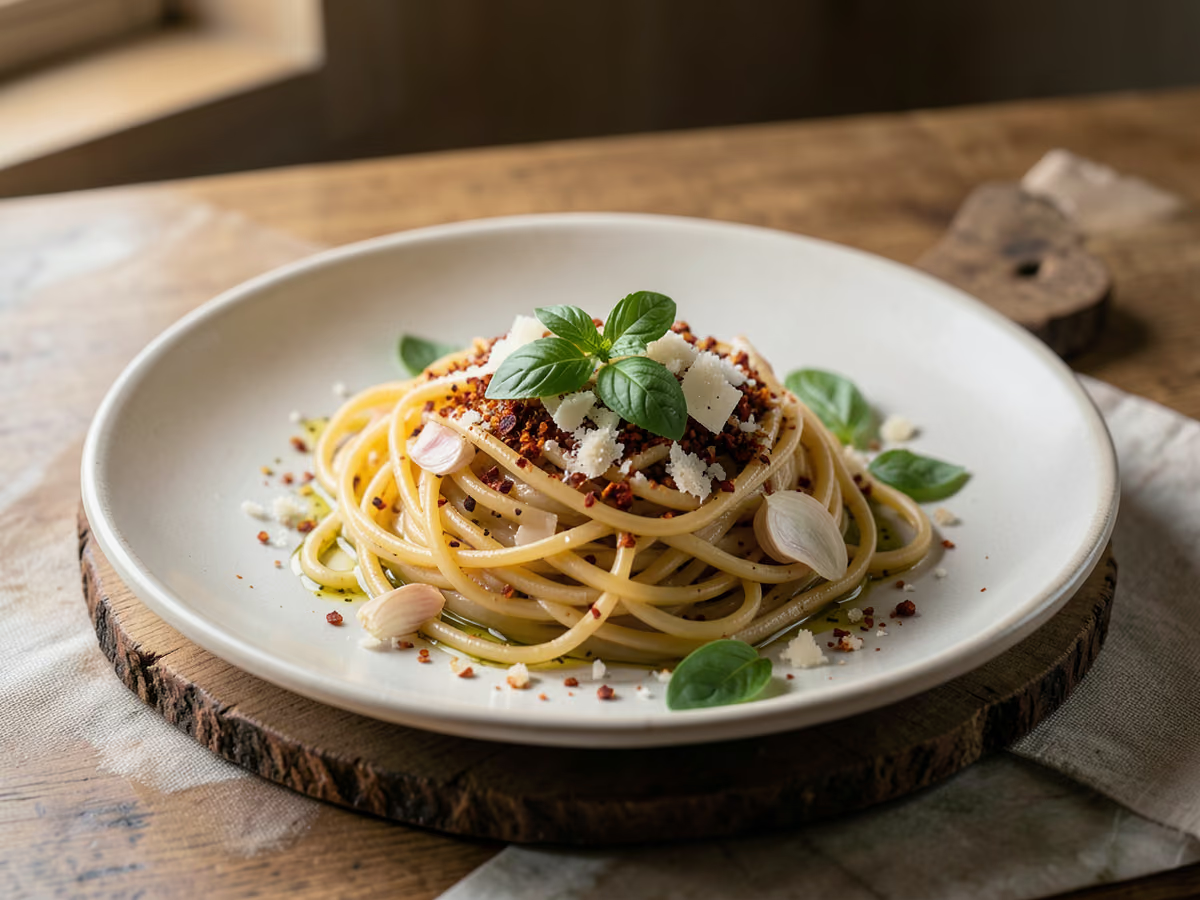
Take the pan off the heat and stir in the 15 g chopped parsley and the 0.5 tsp black pepper. Taste a strand and add salt only if it needs it, since the pasta water was already salted. Serve immediately in warm bowls, while the emulsion is still loose and glossy.
Why this recipe works
Garlic and olive oil make a sauce only when something binds them, and that something is starch: as the spaghetti boils it sheds starch into the cooking water, and a few tablespoons of that cloudy liquid, tossed hard with the oil over heat, split the oil into tiny droplets that suspend in water and coat every strand instead of sliding off. Gently cooking the garlic matters just as much: browned garlic turns acrid within seconds, so pale gold is the signal to stop. Parsley and pepper go in off the heat because their aromas are volatile and heat flattens them.
Equipment
- Large pot, 5 to 6 litres, for 400 g of spaghetti
- Wide skillet or sauté pan, 28 to 30 cm, deep enough to toss the pasta
- Colander
- Heatproof measuring jug or mug for the reserved pasta water
- Chef's knife and cutting board
- Kitchen tongs or a wooden spoon
- Warmed serving bowls
Kitchen notes
Kitchen notes
- Slice the garlic evenly, about 2 mm thick; a mix of thick and thin slices leaves some raw while others darken, and the pan offers only one moment of perfect doneness to catch.
- Start the garlic when the pasta has roughly four minutes left so both finish together; garlic oil held warm for longer loses its perfume, and the waiting spaghetti turns sticky.
- Reserve a full cup of pasta water, more than the pan needs: the sauce can tighten from one mouthful to the next, and a spoonful of starchy water loosens it instantly.
- Hold back a tablespoon or two of the 120 ml oil and stir it in off the heat; the fresh, uncooked oil keeps the olive's peppery edge, while everything cooked in the pan tastes softer.
- Use the widest skillet you own, one the spaghetti can be tossed in without spilling. A crowded pan traps steam, and steam is what makes the sauce break.
Common mistakes
- Bitter, acrid garlic: the slices browned past pale gold, or the oil was too hot. Slice the cloves thin, keep the pan at a gentle sizzle, and pull it off the heat the moment the edges turn light gold; once the garlic has darkened, nothing fixes that oil, so start again.
- Greasy pasta with oil pooling on the plate: the oil was poured over the pasta rather than emulsified. Toss the drained spaghetti with a few tablespoons of starchy water in the pan until the sauce turns glossy and clings — water is what turns oil into sauce, not more oil.
- A solid clump of spaghetti: the pasta was not stirred during the first minute, or the pot was too small. Stir the strands apart as they soften, then toss them into the oil the moment they drain, and never rinse them.
- Black flecks and a scorched flavour: the pepper flakes fried in oil that was too hot. Keep the pan at medium-low and add the flakes together with the garlic; if the oil ever smokes, it is too hot, so lift the pan away for a moment.
- Dull, flat flavour: the water was under-salted, or the garlic came off the heat before it reached gold, so its flavour never developed. Use the full 1 tbsp of salt, and cook the garlic to a true pale gold rather than merely warm.
Serving suggestions
- Serve immediately, hot, in warmed bowls: this pasta waits for no one, and oil that cools on the plate turns waxy.
- Set out extra red pepper flakes and a small jug of olive oil at the table so each person can sharpen the heat and freshness in their own bowl.
- Chilled sparkling water with a wedge of lemon, or a light unsweetened iced tea, keeps the garlic and chilli in balance; heavy or sweet drinks overwhelm the dish.
- As written this is four generous mains or six smaller first-course portions in the Italian style, so plan the rest of the meal lightly around it.
Variations
- Anchovy version: melt 3 to 4 anchovy fillets into the garlic oil just before the pasta goes in for a deep savoury note; it makes the dish non-vegetarian and non-vegan, so label it clearly at the table.
- Tomato version: halve 250 g cherry tomatoes and let them burst in the oil after the garlic; the sauce turns sweet and pink, and the extra juice means you need less of the pasta water.
- Pangrattato version: toast about 60 g of coarse breadcrumbs in a little oil until crisp and scatter them over each bowl for crunch; it keeps the dish dairy-free and adds texture against the soft garlic slices.
Refrigerator
- RefrigeratorRefrigerate within 2 hours of cooking, in an airtight container, for up to 3 days. The pasta softens as it sits and the garlic oil loses its edge, so it is best on day one.
- ReheatingReheat in a skillet over medium heat with a tablespoon of water or oil, tossing until steaming hot throughout (74°C, the USDA reheat target), or microwave a portion covered in short bursts. Add a splash more water if the oil separates.
- FreezingNot recommended. Cooked spaghetti turns mushy when thawed and the emulsion breaks, leaving oily, limp strands; this dish is quick enough to make fresh each time.
- Make aheadMake the garlic oil up to 2 days ahead and keep it covered in the fridge — homemade garlic-in-oil must never sit at room temperature, where the oil can support botulism growth. Reheat the oil gently, then cook the spaghetti fresh; boiling the water is the only wait.
Updated:
How this recipe was developed
- Serious Eats spaghetti aglio e olio recipe and technique (garlic cooked to very lightly golden; starchy pasta water tossed with the oil to emulsify; pasta finished in the skillet)
- BBC Good Food spaghetti aglio e olio (pasta cooked about 10 minutes to al dente; garlic sizzled until lightly golden, never brown, or it tastes bitter)
- FDA (Bad Bug Book; garlic-in-oil botulism outbreak record) — garlic-in-oil mixtures need constant refrigeration to prevent Clostridium botulinum growth
- USDA FSIS safe temperature and leftovers guidance (refrigerate within 2 hours; reheat leftovers to 74°C; 3 to 4 days in the fridge)
Editorial references are kept internally for verification. This page makes no claim of external certification or professional testing.
FAQ
The questions we get asked most
Why did my garlic turn bitter?
Almost always heat: the oil was too hot, or the pan kept the garlic over the flame long after it had coloured. Garlic goes acrid the moment it darkens, and there is no fixing the oil afterwards — discard it and start again; a slower, cooler hand is the only real protection.
Can I add Parmesan or Pecorino to aglio e olio?
The traditional recipe has no cheese, and plenty of Italians would object, but it is your kitchen: grate it finely and stir it in off the heat with a spoonful of pasta water so it melts into the oil instead of clumping. Remember that cheese makes the dish vegetarian only, not vegan.
Is this dish vegan, and can I make it gluten-free?
Yes to vegan, as long as your spaghetti is the standard durum-and-water kind — check the label if you are unsure. For gluten-free, use your usual gluten-free spaghetti, cook it to the same firm bite, and its cooking water will build the sauce just as well.
My sauce looks oily instead of creamy — what went wrong?
The oil never emulsified with the pasta water. Emulsifying needs three things: starchy water, heat and agitation. Toss the pasta in the pan over medium heat with a few tablespoons of the reserved water, moving it constantly, until the sauce turns opaque and glossy; if it tightens, add more water rather than more oil.
How much pasta water should I actually use?
Start with 2 to 3 tablespoons and keep adding in small amounts while tossing; most of the 1-cup reserve can end up in the pan, but it should go in a little at a time. Too little and the sauce stays oily, too much at once and the spaghetti drowns — the pan, not the clock, tells you when to stop.
Can I make it ahead for guests?
Cook the pasta fresh; it takes ten minutes. The garlic oil can be made up to 2 days ahead and kept covered in the fridge, because homemade garlic-in-oil must stay refrigerated — at room temperature the oil can support botulism growth. Reheat the oil gently, boil the spaghetti, and finish the dish as written.
Can I use pre-minced garlic from a jar?
It works in a pinch but burns faster and tastes flatter and sharper than fresh cloves. The thin slices softened in oil until gold are a large part of this dish's character; if you must use jarred garlic, keep the pan strictly at medium-low and cook it for less time.
Ask KitchenMind about this recipe
Tell it what’s different tonight — it works within the actual recipe.