- Prep
- 5 min
- Cook
- 15 min
- Total
- 20 min
- Serves
- 4
Ingredients
What you’ll need — tap to tick off as you go
- 400 g
- 400 g
- 4 cloves
- 2 tbsp
- 750 ml
- 1 tsp
- ½ tsp
- ¼ tsp
- 10 g
- 40 g
Process
Timers built in · swap anything · ask as you cook
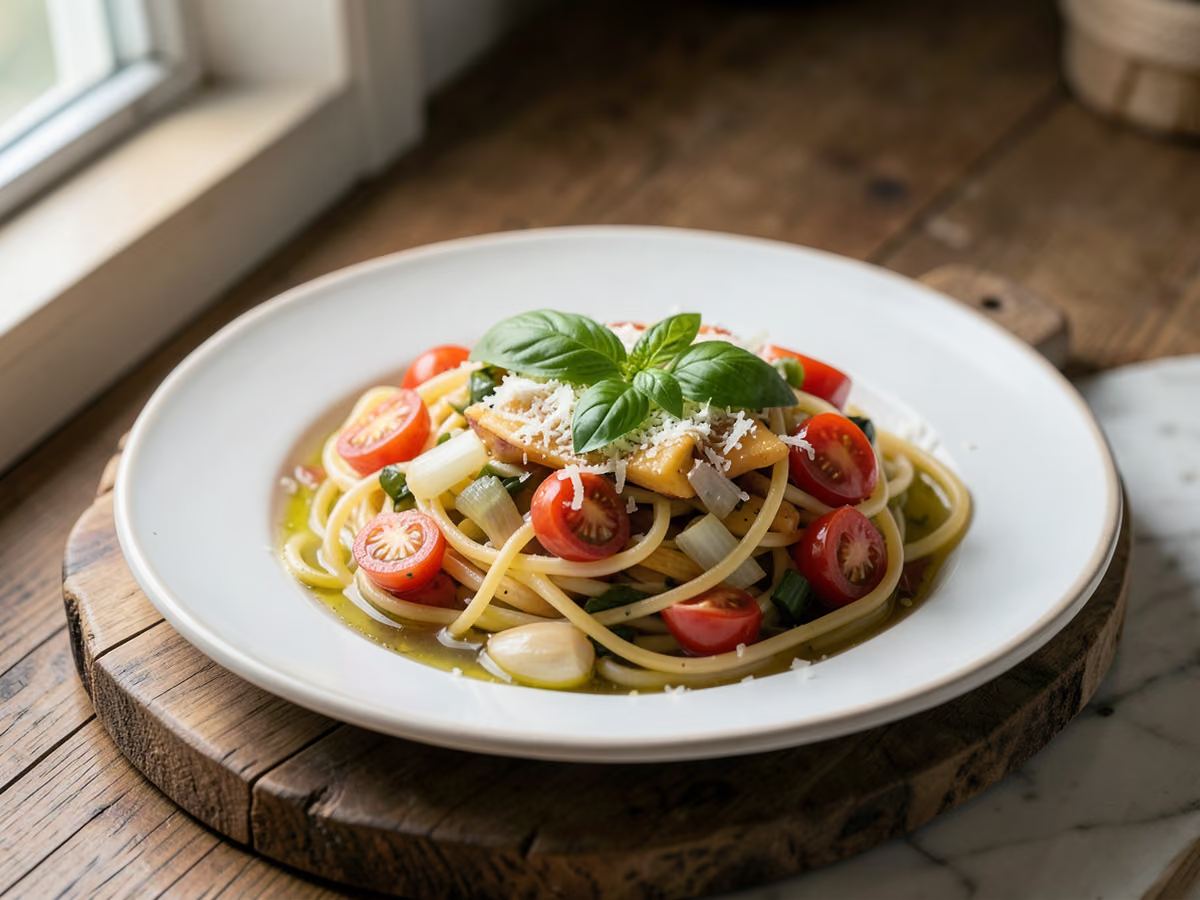
Add the spaghetti, halved cherry tomatoes, sliced yellow onion, sliced garlic, olive oil, vegetable broth, salt, black pepper, and red pepper flakes (if using) to a wide deep skillet or Dutch oven. Arrange the spaghetti so it lies as flat as possible.
Set the pan over high heat and bring to a boil. Stir immediately and scrape the bottom so the pasta does not stick.
Reduce the heat to medium and cook, uncovered, for 9 to 11 minutes, stirring every 1 to 2 minutes and turning the pasta with tongs. The liquid should stay at a steady simmer, not a rolling boil.
After about 8 minutes, check the pasta for doneness and the sauce for consistency. If the pan looks dry before the pasta is tender, add hot water 60 ml at a time. If it is soupy at the end, simmer 1 to 2 minutes longer to reduce.
When the spaghetti is al dente and the sauce coats the strands, remove the pan from the heat. Stir in the torn fresh basil and taste for salt and black pepper.
Serve immediately in warm bowls, topped with grated parmesan cheese if using.
Kitchen notes
Kitchen notes
- Use a wide pan, not a tall narrow pot. A wide surface lets the liquid evaporate and the starch thicken into sauce instead of leaving the pasta sitting in water.
- Stir every 1 to 2 minutes from the moment it boils. One-pot pasta fails most often because the spaghetti sticks to the pan bottom and scorches while the middle is still raw.
- Keep the liquid at a steady simmer, not a hard boil. A hard boil evaporates the broth before the pasta hydrates, leaving dry noodles and a burnt pan.
- The sauce is ready when it clings to the spaghetti and the pan bottom looks glossy, not wet. If there is still a pool of liquid, the pasta will turn mushy as it sits.
- Salt the water carefully if your vegetable broth is already salty. Taste the sauce at the 8-minute mark and adjust before serving.
Substitutions
- spaghetti→linguine, fettuccine, or penne (add 2 to 3 minutes for penne)
- vegetable broth→water plus 1 extra tsp salt, or chicken broth if not vegetarian
- cherry tomatoes→canned diced tomatoes, drained (use 400 g)
- fresh basil→fresh parsley or 1 tsp dried oregano added with the broth
- parmesan cheese→pecorino or nutritional yeast for a dairy-free finish
Storage & reheating
Store leftovers in an airtight container in the refrigerator for up to 3 days. The pasta will absorb the sauce and firm up, so reheat in a covered skillet over medium heat with 2 to 3 tbsp water or broth, stirring until hot, about 4 to 5 minutes. You can also microwave covered for 1 to 2 minutes with a splash of water. Do not freeze; the spaghetti turns mushy and grainy after thawing.
FAQ
The questions we get asked most
Why did my one pot pasta turn out dry and stuck to the pan?
The heat was too high or the pan was too narrow, so the broth evaporated before the spaghetti hydrated. Use a wide skillet, keep it at a steady simmer rather than a rolling boil, and stir every 1 to 2 minutes. If it looks dry before the pasta is tender, add hot water 60 ml at a time.
Can I use canned tomatoes instead of cherry tomatoes?
Yes. Use 400 g of canned diced tomatoes, drained, in place of the cherry tomatoes. Canned tomatoes are wetter and softer, so the sauce may need 1 to 2 extra minutes of simmering at the end to thicken properly.
How do I know when the one pot pasta is done?
The spaghetti should be al dente, tender with a slight bite at the center, and the sauce should cling to the strands rather than pool in the pan. Taste a strand at 8 minutes, since timing varies with pan width and pasta brand. If the sauce is still watery, simmer 1 to 2 minutes longer uncovered.
Can I make this one pot pasta ahead of time?
It is best fresh, but you can cook it up to 1 day ahead and refrigerate it in an airtight container. Reheat in a covered skillet over medium heat with 2 to 3 tbsp water or broth, stirring until hot. The pasta will be softer than freshly made.
Why is my one pot pasta mushy?
Too much liquid or too long a cooking time overcooks the spaghetti and breaks down the tomatoes into a paste. Measure the broth accurately, start checking at 8 minutes, and stop as soon as the pasta is al dente. Remember that it keeps softening as it sits in the hot pan.
Can I add protein like chicken or shrimp to this recipe?
Yes, but add it at the right stage. Sear bite-sized chicken pieces in the pan first, then proceed with the recipe and add 2 minutes to the cook time. For shrimp, stir them in during the last 3 minutes so they poach gently and do not turn rubbery.
Is this one pot pasta gluten free or vegan?
As written it is vegetarian but not vegan because of the optional parmesan, and it is not gluten free because of the spaghetti. Use gluten-free spaghetti and vegetable broth for a gluten-free version, and skip the parmesan or use nutritional yeast to make it vegan.
Ask KitchenMind about this recipe
Tell it what’s different tonight — it works within the actual recipe.