Basil Pesto Pasta
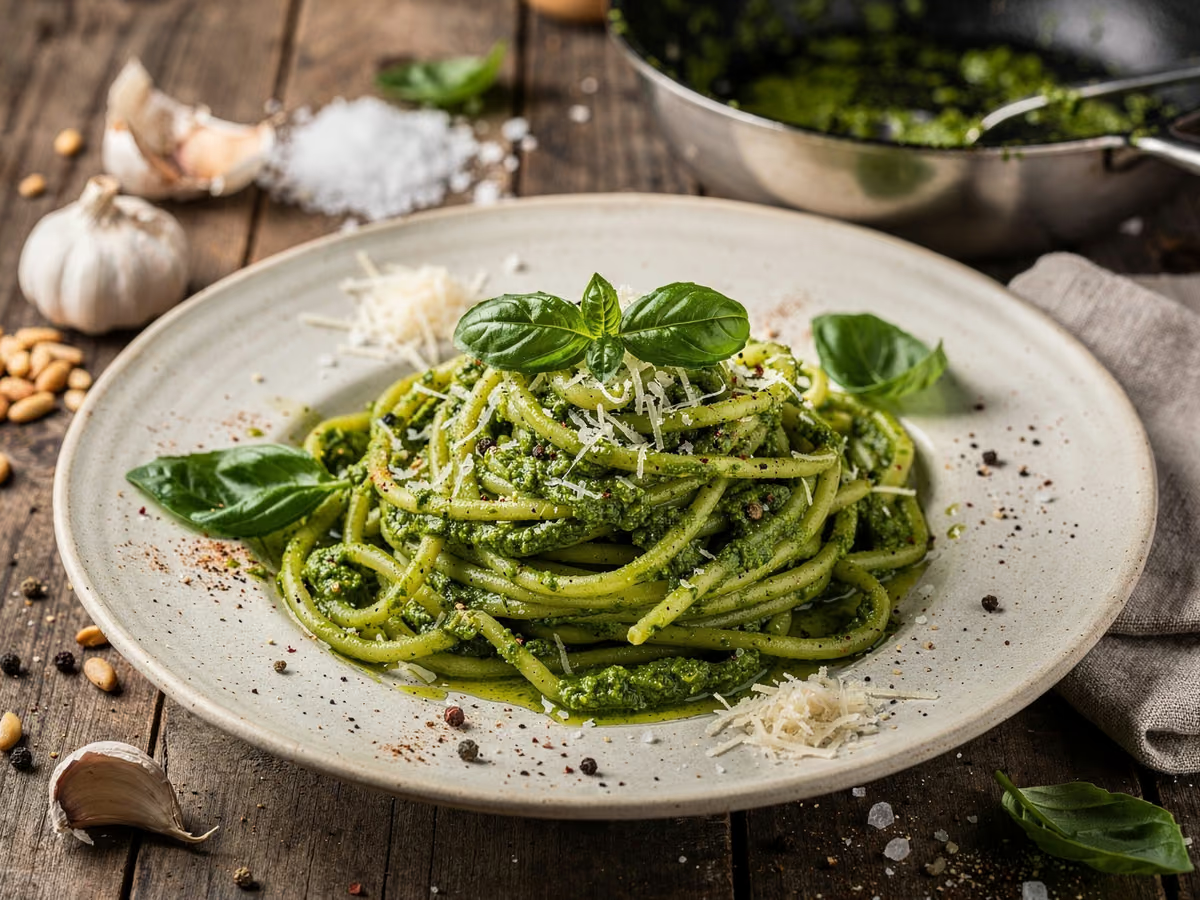
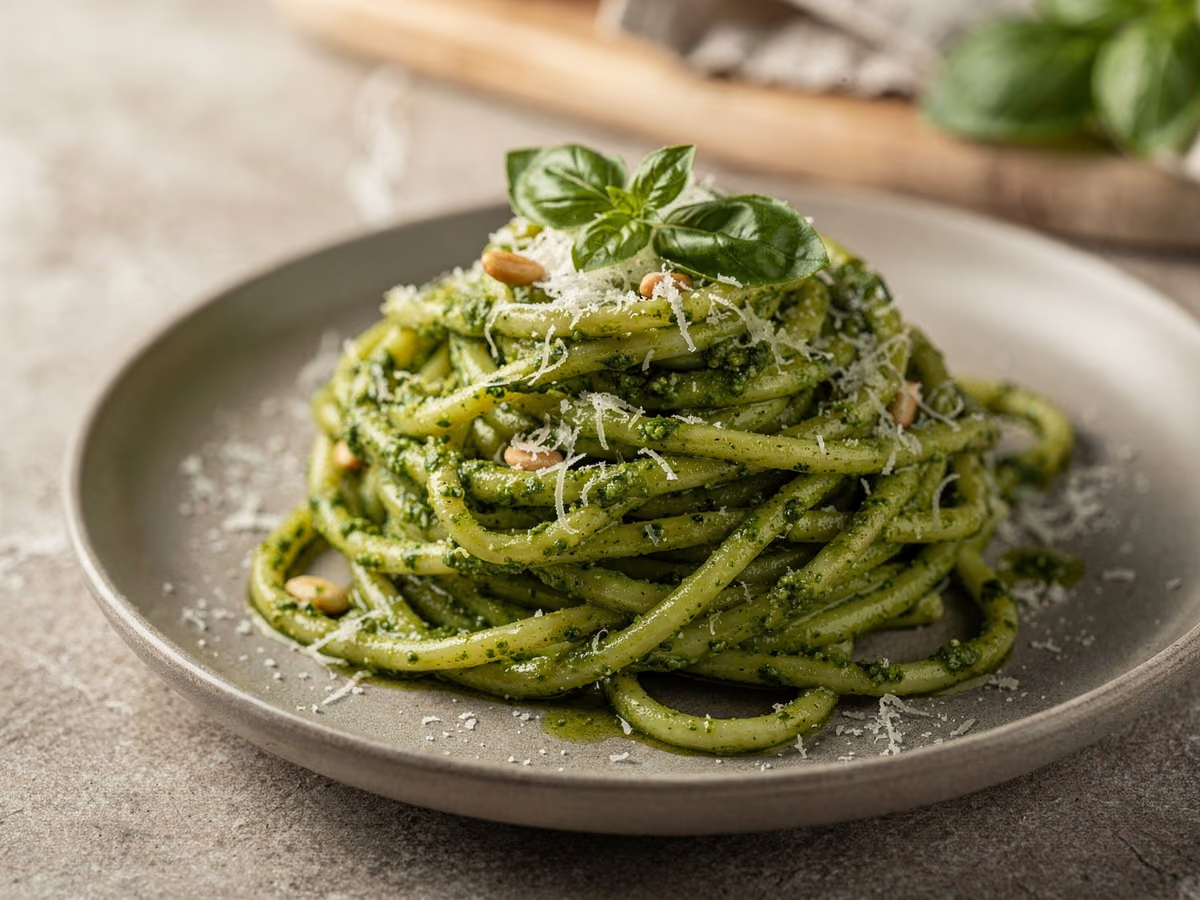
Pesto alla genovese is basil, pine nuts, garlic, Parmesan and olive oil crushed into a bright green sauce, then tossed through hot spaghetti with a splash of starchy cooking water so it clings instead of pooling at the bottom of the bowl. It comes together in the 10 to 12 minutes the 400 g of spaghetti needs to boil, which makes the whole dish a 22-minute proposition. Work the two in parallel and the sauce meets the pasta at its freshest.
- Prep
- 10 min
- Cook
- 12 min
- Total
- 22 min
- Serves
- 4
Ingredients
What you’ll need — tap to tick off as you go
- 50 g
- 30 g
- 50 g
- 1 clove
- 80 ml
- 1 tsp
- 400 g
- 1 pinch
Process
Timers built in · swap anything · ask as you cook
Bring a large pot of water to a rolling boil, add 1 tsp salt, then add the 400 g spaghetti and stir once or twice so the strands separate. Cook for 10 to 12 minutes, stopping 1 minute short of the package time: the pasta finishes cooking in the warm pot with the sauce, and that last minute is where al dente is won or lost.
While the pasta cooks, put the 50 g basil, the 30 g toasted pine nuts, the 50 g grated Parmesan and the garlic clove in a food processor and pulse in short bursts, 8 to 10 times, until everything is coarsely chopped and no large leaves remain. Stop while the mixture is still pebbly; the blades can bruise basil into a dark, bitter paste in seconds, and none of that can be undone.
With the motor running, pour in the 80 ml olive oil in a thin, steady stream until the mixture turns into a glossy, spoonable paste, then stop and season with a pinch of black pepper and salt to taste. Taste it now: the pesto should be vivid green and a touch over-salted on its own, because it is about to season 400 g of plain pasta.
Reserve about 1 cup of the cloudy pasta water in a heatproof jug, then drain the spaghetti. The water is not a spare part: its starch is what emulsifies the pesto into a sauce that coats, and once it has gone down the sink there is no substitute.
Tip the drained spaghetti back into the warm pot off the heat, add the pesto and toss with tongs, lifting the strands from the bottom. Add the pasta water a splash at a time until every strand is coated and the sauce clings loosely rather than collecting in the base of the pot. Any direct heat at this stage dulls the basil within a minute.
Serve immediately in warmed bowls, with a thread of olive oil over each portion if you like. This is a dish that waits for no one: the sauce drinks into the pasta as it stands, and the strands go from glossy to matte within minutes.
Why this recipe works
Pesto is a cold emulsion: crushed basil and nuts suspended in olive oil, then held onto the pasta by starch. The order matters. Pulse the solids first while they are dry, stream the 80 ml of oil in with the motor running so it breaks into droplets instead of flooding the bowl, and finish the toss with pasta water, whose starch coats those droplets and lets them grip the spaghetti rather than slide off. Heat is the enemy at both ends: the blades warm the leaves as they spin, and a hot pan dulls the basil within a minute, which is why the sauce goes in off the heat.
Equipment
- Food processor or small blender
- Large pot, 5 to 6 litres, for the pasta
- Small frying pan for toasting the pine nuts
- Box grater or fine microplane for the Parmesan
- Colander
- Heatproof jug or mug for the pasta water
- Tongs or a pasta fork for tossing
Kitchen notes
Kitchen notes
- Weigh the basil after stripping the leaves: 50 g is a serious quantity, about 2 supermarket bunches. Underweight the basil and the pesto tastes mostly of cheese and oil, which no amount of seasoning can fix.
- Let fridge-cold basil stand at room temperature for 10 minutes before processing; cold leaves shatter and bruise more readily, and bruised tissue is the first thing to turn brown.
- Toss with tongs, lifting from the bottom, rather than stirring with a spoon: the sauce rides up the strands instead of sitting underneath them, and you can feel the moment the last splash of water has brought it together.
- Taste for salt twice, once as you make the pesto and again after the pasta water goes in, because the water loosens the sauce and dilutes its seasoning at the same time.
- Warm the serving bowls: pesto pasta cools fast, and a cold bowl stiffens the sauce and mutes the basil before the first forkful.
Common mistakes
- A dark, bitter sauce with a chemical edge: the basil was over-processed, or the pesto met heat. Pulse only until coarsely chopped, run the motor just long enough to stream in the oil, and toss the pasta off the heat, because cooking pesto turns it dull and bitter inside a minute.
- Pesto that pools in the bottom of the bowl while the pasta stays dry: the pasta went in without its cooking water, or was drained too thoroughly. Reserve about 1 cup before draining and add it by the spoonful while tossing; that starch is what glues the sauce to 400 g of spaghetti.
- Bland, flat pesto: the pine nuts were raw, or the sauce was under-salted. Toast the nuts for 2 to 3 minutes until they smell nutty, cool them completely, and season the pesto a touch more boldly than tastes right on its own, since the pasta will dilute it.
- Watery pesto that slides off the strands: the basil was still wet from washing. Water cannot mix into the emulsion, so it splits the sauce. Spin the leaves dry in a salad spinner or pat them thoroughly, and make sure the processor bowl is dry too.
- Gritty texture in an otherwise smooth sauce: the Parmesan went in after the oil, or it was pre-grated. Grate the block finely and process it with the leaves and nuts, before the oil, so it disperses instead of streaking through the finished pesto.
Serving suggestions
- Serve immediately in warmed bowls, 4 portions of roughly 100 g of spaghetti each, with extra Parmesan and a grinder of black pepper at the table.
- A tomato and mozzarella salad or simply dressed green leaves alongside; keep the sides light and acidic so the basil stays the loudest thing on the table.
- Pass a small bowl of chilli flakes and the bottle of good olive oil so each person can sharpen or soften their own portion.
- A scatter of torn basil leaves over the top brings back the fresh herbal hit that a blended sauce gives up, and a few reserved toasted nuts add crunch if you kept any back.
Variations
- Pounded in a mortar: crush the garlic and pine nuts to a paste, work in the basil with a pinch of salt, then the cheese and the oil. The crush is cooler and slower, and the sauce comes out chunkier and noticeably brighter than the processor version.
- Trofie with potatoes and green beans: the Genoese way to stretch a batch. Boil a diced waxy potato and a handful of trimmed green beans with the pasta, drain everything together and toss with the same pesto; it turns 4 portions into a fuller meal.
- Vegan pesto, a different dish: use the same 50 g of plant-based hard cheese or 2 tbsp of nutritional yeast in place of the Parmesan. The sauce stays green and garlicky but loses the aged, savoury depth, so add a pinch more salt and taste again.
Refrigerator
- RefrigeratorLeftover pasta in an airtight container for up to 3 days. Plain pesto keeps 5 days in the fridge if you press cling film onto its surface and seal it under a 1 cm layer of olive oil; that oil barrier is what stops the top going dark.
- ReheatingA covered pan over low heat with 1 to 2 tbsp of water, stirring until hot, or 600 W in the microwave for 60 to 90 seconds per portion, stirring halfway. Stay below medium heat: warm enough to heat the pasta through, not hot enough to cook the basil further.
- FreezingPlain pesto freezes well for up to 3 months in a sealed jar with the oil layer on top; thaw it overnight in the fridge, never in the microwave, and stir before using. Tossed pasta freezes acceptably for up to 1 month, but the basil flavour fades, so reheat it gently with a splash of water.
- Make aheadThe pesto can be made up to 3 days ahead and refrigerated under its oil layer; stir it and loosen it with a spoonful of pasta water when you toss it through. Boil the water and cook the spaghetti only at the end, so the sauce meets the pasta at full brightness.
Updated:
How this recipe was developed
- Serious Eats, The Best Pesto alla Genovese (Classic Basil Pesto Sauce) — pounding garlic, pine nuts and basil with cheese and olive oil, the classic Genoese composition and method behind this sauce
- GialloZafferano, Genoese pesto — the standard pesto ratios of basil, pine nuts, garlic, Parmesan and olive oil, and the classic pairing with trofie, potatoes and green beans
- USDA FSIS leftovers and food safety guidance (refrigerate within 2 hours; 3 to 4 days in the fridge)
Editorial references are kept internally for verification. This page makes no claim of external certification or professional testing.
Gallery
FAQ
The questions we get asked most
Why did my pesto turn brown and bitter?
Two causes, usually together: the blades bruised the leaves, or heat reached the sauce. Pulse the basil only until coarsely chopped, stream the oil in with the motor running, and toss the pasta off the heat. Salt in the pesto and a squeeze of lemon juice both slow the browning, and a thin layer of oil on top protects it in the jar.
Can I make the pesto ahead of time?
Yes, up to 3 days ahead: put it in a jar, smooth the top, cover it with a 1 cm layer of olive oil, seal and refrigerate. Stir before using and loosen it with a spoonful of pasta water when you toss it through the spaghetti.
How do I know when the spaghetti is al dente?
Bite a strand 1 minute before the package time ends; it should be tender with a slight firmness at the centre and no raw white core. For 400 g of spaghetti in a large pot this is usually 10 to 12 minutes, so start checking at 9.
Can I use dried basil instead of fresh?
It will not give the same bright flavour and makes a dull, grassy pesto. If you must, use 2 tbsp of dried basil and add 1 extra tbsp of olive oil, but fresh leaves are strongly recommended for this recipe.
Why is my pesto pasta dry and clumpy?
The pesto was tossed with drained pasta and no cooking water. Always reserve about 1 cup of the starchy water, then add it a splash at a time while tossing off the heat, until the sauce coats every strand loosely.
Can I freeze pesto pasta?
Plain pesto freezes well for up to 3 months in a sealed jar with an oil layer on top; thaw it overnight in the fridge. Already-tossed pasta freezes acceptably for up to 1 month, but the basil fades, so reheat it gently with a splash of water.
Is this pesto pasta suitable for vegetarians?
The pasta, basil, pine nuts and olive oil are all plant-based, but traditional Parmesan is set with animal rennet, so strict vegetarians should look for a cheese labelled vegetarian or use a vegetarian hard cheese. The swap changes nothing about the method or the quantities.
Ask KitchenMind about this recipe
Tell it what’s different tonight — it works within the actual recipe.