Chinese Hot Pot
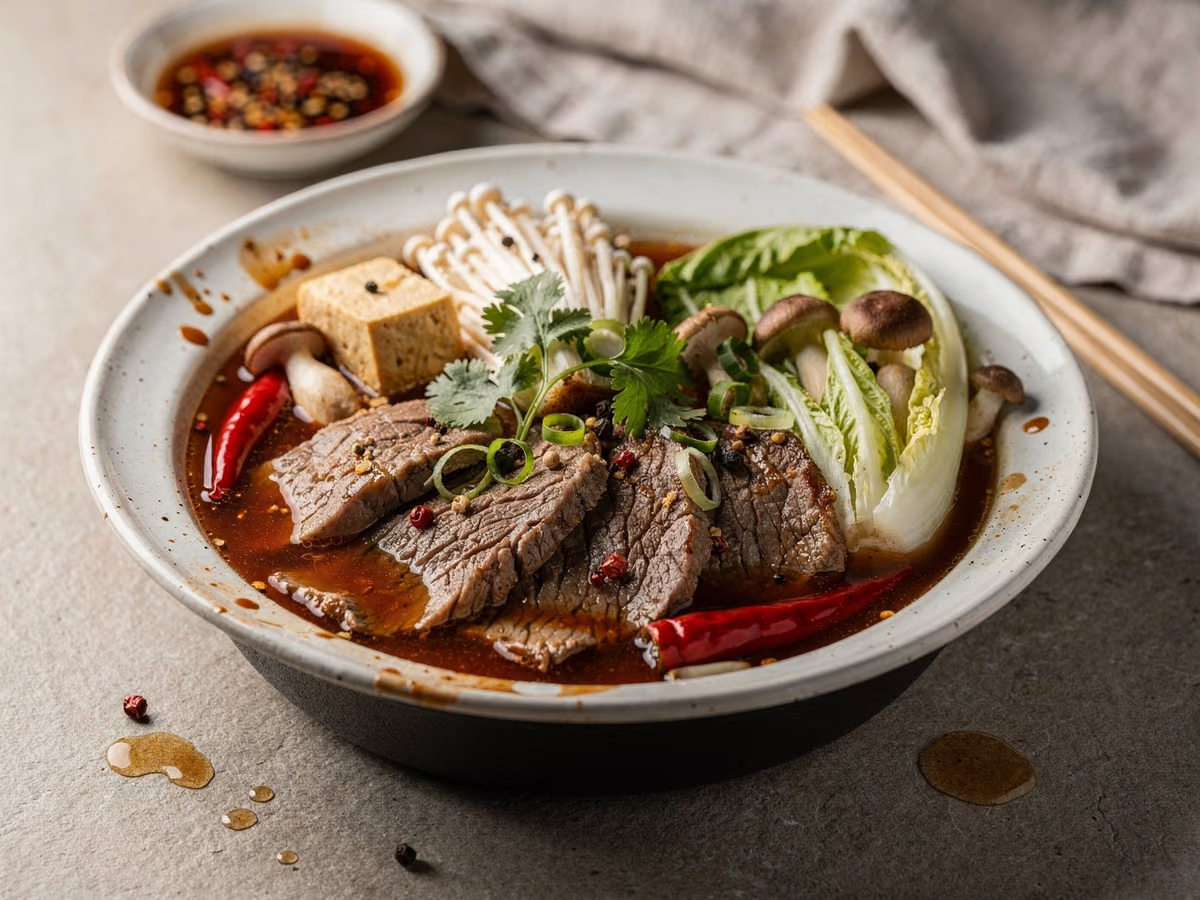
Chinese hot pot is a cook-at-the-table feast for four: a spiced broth simmers in the middle of the table while diners dunk paper-thin beef, tofu, mushrooms, cabbage and noodles until each piece is just done, then dip it in a sesame-soy sauce. The broth is mild and aromatic rather than fiery — ginger, garlic, star anise and cinnamon, with Sichuan peppercorns and dried chilies optional — and it builds in 20 minutes. Prep takes around 30 minutes, the dish is dairy-free as written, and the rest of the cook time passes at the table, one dip at a time.
- Prep
- 30 min
- Cook
- 40 min
- Total
- 70 min
- Serves
- 4
Ingredients
What you’ll need — tap to tick off as you go
- 2 l
- 60 ml
- 30 g
- 4 cloves
- 1 tsp
- 1 tbsp
- 1 tbsp
- 400 g
- 300 g
- 200 g
- 300 g
- 200 g
- 200 g
- 1 tbsp
Process
Timers built in · swap anything · ask as you cook
Combine 2 l beef broth, 60 ml soy sauce, 30 g sliced ginger, the 4 smashed garlic cloves, 2 star anise, 1 cinnamon stick and 1 tbsp sugar in the hot pot; add 1 tsp Sichuan peppercorns and 4 dried red chilies if using. Boil, then simmer 20 minutes, until the broth tastes warm and rounded, not raw. A hard boil muddies it; a gentle simmer steeps the spices and keeps the broth light.
While the broth simmers, make the dipping sauce: stir the 1 tbsp sesame oil and 2 tbsp soy sauce together with half of the sliced scallions and, if using, the 1 tbsp toasted sesame seeds. The oil softens the soy's sharpness and carries the scallion aroma, and the seeds add crunch. Keep it on the table; each piece is dipped straight after it leaves the pot.
Arrange the dippers on plates: 400 g beef sirloin sliced thinly against the grain, 300 g firm tofu in 2 cm cubes, 200 g shiitake halved, 300 g napa cabbage in 5 cm pieces, 1 carrot sliced diagonally, 200 g bok choy halved and the 200 g rice noodles. Keep the plates cold until the pot goes on the table so the beef slices lift apart without tearing.
Soak the 200 g dried rice noodles in warm water for 10 minutes, until they bend without snapping, then drain them well. A proper drain matters: wet noodles carry water into the broth, and the pre-soak is what keeps them from drinking the seasoned liquid or turning to paste when they cook.
Move the simmering pot to the center of the table on a portable burner set to low, with a heatproof mat underneath, and give everyone a small strainer and a bowl of sauce. Keep the broth at a gentle simmer, bubbling steadily rather than rolling, because a hard boil toughens the thin beef and spits hot broth across the table.
Cook in small batches, longest items first: tofu and shiitake take 2 to 3 minutes, napa cabbage and carrot 2 minutes, bok choy 1 minute and the noodles 1 to 2 minutes. Beef is the quick one — 10 to 15 seconds, until pale brown with no pink left — so add a few slices at a time and lift them out before they curl. Small batches keep the broth simmering.
Lift pieces out with the strainer, dip them in the sesame-soy sauce and eat, then start the next batch. Top the pot up with hot broth or water as the level drops. Scatter the remaining sliced scallions over the pot through the meal to keep it smelling fresh.
Why this recipe works
The slicing and the simmer do the cooking. Beef cut paper-thin against the grain has short muscle fibers, so 10 to 15 seconds in lightly bubbling broth turns it tender, while the same slice cooked twice as long tightens and dries. Holding the pot at a gentle simmer keeps that heat steady, and cooking in small batches keeps it there — a pot heaped with cold ingredients drops below a simmer and starts poaching instead. Simmering the ginger, garlic, star anise and cinnamon draws their aromatics into the broth, and the soy sauce and sugar season it while balancing each other. The sesame-soy dip adds richness and freshness at the table.
Equipment
- Portable induction burner or tabletop electric hot pot, to keep the broth simmering at the center of the table
- Wide, relatively shallow pot, about 3 to 4 liters, with a lid: wide enough for several diners to dunk at once, shallow enough to fish pieces out
- Small wire strainer or slotted spoon for each diner, for lifting cooked pieces out of the broth
- Small bowls, one per diner, for mixing and holding the dipping sauce
- Bamboo or wooden chopsticks, which stay cool enough to handle at the table
- Chef's knife and cutting board, for slicing the beef across the grain and cutting the vegetables
- Fine-mesh skimmer, for clearing foam from the surface of the broth between rounds
Kitchen notes
Kitchen notes
- The dipper list is a template, not a rule: snow peas, spinach, daikon or enoki can stand in for any of the vegetables, kept in small pieces so they cook quickly. The pot's own times apply — leafy greens under a minute, cabbage and carrot about 2 minutes, mushrooms and tofu 2 to 3.
- Keep a kettle of hot broth or water beside the table: topping up with hot liquid holds the simmer, where a jug of cold water makes everyone wait for the pot to come back.
- Cook the noodles after the vegetables rather than alongside them; their starch clouds the broth, and they taste best as the meal's last starch.
- Slice test before the pot goes on: hold a slice up to the light — beef for Chinese hot pot should be thin enough to see through. If it flops over like a ribbon it is right; if it stands up stiff it will chew like steak.
- Skim the surface between rounds with a fine-mesh skimmer: foam and fat gather batch after batch, and clearing them keeps the last bowls tasting as bright as the first.
- No portable burner? Simmer the broth on the stove and cook in batches, lifting finished pieces into bowls with a slotted spoon; keep the pot at a steady simmer and cook the raw beef in the last rounds so nothing else passes through its juices.
Common mistakes
- Tough beef: slices thicker than paper, or slices left in the pot past their 10 to 15 seconds, turn chewy almost immediately. Keep them paper-thin, cook a few at a time, and lift them out as soon as no pink is left.
- Broth that gets saltier with every round: full-strength broth, 60 ml of soy sauce, a soy-based dip and steady reduction stack up. Start from low-sodium broth, top up with hot water rather than more broth, and let the 1 tbsp sugar round off the edge you can already taste.
- A pot that stops simmering: a whole platter of cold ingredients added at once drops the liquid below a simmer, and undercooked pieces are the result. Add in small batches and wait for steady bubbling before the next round.
- Mushy noodles: rice noodles go from tender to paste in about a minute of extra soaking or cooking. Soak them for the full 10 minutes but no longer, cook 1 to 2 minutes, and lift them out the moment they are done.
- Cross-contamination at the table: chopsticks that carried raw beef should not carry cooked food back out. Keep a pair for raw meat, and let the broth boil for 30 seconds to 1 minute after raw meat goes in before lifting other pieces out.
- A flat, thin-tasting broth: a rushed simmer leaves the ginger, garlic, anise and cinnamon half-steeped. Give them the full 20 minutes on low, and drop the shiitake in as the meal starts — simmering mushrooms season the liquid they cook in.
Serving suggestions
- Set the whole table before the pot boils: plates of dippers, bowls of sauce and chopsticks arranged so the meal runs at its own pace instead of stop-start.
- Keep cold drinks within reach — iced tea, barley tea or sparkling water: the spiced broth and the dip build a slow warmth, and something cold resets the palate between rounds.
- Plan the finish: when the plates are empty the broth has taken on everything cooked in it, so ladle it into small bowls as a soup course, or cook the last of the noodles in it for a final round.
- A small bowl of steamed rice on the side is optional — Chinese hot pot is eaten from the pot, and rice is a gentle landing for anyone avoiding the chilies.
Variations
- Vegetarian version: use the same 2 l of vegetable or mushroom broth in place of the beef broth, keep the tofu, shiitake and vegetables, and the sesame-soy dip still fits; the broth tastes lighter and sweeter, so season it with the soy sauce gradually.
- Richer beef: swap the sirloin for the same 400 g of well-marbled ribeye, sliced paper-thin; the extra fat melts into the broth as the meal goes and the last bowls taste noticeably fuller.
- Two pots, one table: divide the simmering broth between a mild pot and a second one with the Sichuan peppercorns and dried chilies, so heat-lovers and everyone else can cook side by side.
Refrigerator
- RefrigeratorWithin 2 hours of the meal, pour the broth into a shallow container, cool it quickly, and refrigerate it covered for up to 3 days. Discard raw food that sat out through the meal instead of saving it, and remember that cooked vegetables and noodles lose their texture overnight — the broth is the real leftover. Once it is cold, the fat sets on top and lifts off easily before reheating.
- ReheatingBring the broth to a rolling boil on the stove and hold it there for a minute — leftovers should reach 74°C — then cook fresh ingredients for the next meal in it. Reheat leftover noodles separately, in the microwave, because they break apart in boiling broth; cooked vegetables are better replaced with fresh ones.
- FreezingFreeze cooled broth in airtight containers for up to 3 months for best quality. Thaw it overnight in the fridge, then boil before using. Do not freeze cooked vegetables or noodles — they turn watery and soft — so freeze only the liquid.
- Make aheadMake the broth up to 3 days ahead and reheat it to a boil before the meal; a night in the fridge deepens its flavor and makes skimming the fat easy. Slice the beef and cut the vegetables up to a day ahead, kept covered and cold. Soak the noodles just before serving so they stay pliable and never sit wet.
Updated:
How this recipe was developed
- The Woks of Life, Chinese Hot Pot at Home (slice beef paper-thin while partially frozen; keep batches small so the broth stays at a boil; let the pot boil 30 seconds to 1 minute after raw meat goes in)
- Red House Spice, Homemade Hot Pot Broth — Spicy and Mild (a mild hot pot broth is a clear stock simmered with aromatics, and the pot is topped up with hot water as the meal reduces it)
- Bon Appetit, How to Cook Hot Pot at Home (quick-cooking beef slices finish in seconds and everything cooks on its own timing; a skimmer helps catch pieces before they overcook)
- USDA FSIS, Leftovers and Food Safety (refrigerate within 2 hours; reheat to 74°C; leftovers keep 3 to 4 days refrigerated and 3 to 4 months frozen)
Editorial references are kept internally for verification. This page makes no claim of external certification or professional testing.
FAQ
The questions we get asked most
What is Chinese hot pot made of?
Chinese hot pot is three elements: a simmering broth, raw dippers, and a dipping sauce. Here the broth is 2 l beef broth seasoned with 60 ml soy sauce, 30 g ginger, 4 smashed garlic cloves, 2 star anise, a cinnamon stick and 1 tbsp sugar, plus optional Sichuan peppercorns and dried chilies. The dippers are 400 g paper-thin beef sirloin, 300 g tofu, 200 g shiitake, 300 g napa cabbage, 1 carrot, 200 g bok choy and 200 g rice noodles, and the dip mixes sesame oil, soy sauce, scallions and toasted sesame seeds. It serves 4.
How do you eat Chinese hot pot?
At the table, one small batch at a time. The broth keeps a gentle simmer in the center, each diner drops in what they want, lifts it out with a small strainer, dips it in the sesame-soy sauce and eats. Beef takes 10 to 15 seconds; tofu and mushrooms 2 to 3 minutes; cabbage and carrot 2 minutes; bok choy 1 minute; noodles 1 to 2 minutes. Keep batches small so the broth never stops simmering, and top it up as the level falls.
How long does thinly sliced beef take to cook in Chinese hot pot?
About 10 to 15 seconds in a steady simmer: paper-thin slices turn from pink to pale brown almost on contact. Lift them out as soon as no pink is left — a few seconds more and the meat turns chewy. That speed is why the slicing matters: thicker slices need longer cooking, which is when beef for Chinese hot pot loses its tenderness.
What broth is best for a mild Chinese hot pot?
A mild broth is clear and lightly seasoned rather than an oil-and-chili base. This recipe simmers beef broth with ginger, garlic, star anise and cinnamon, then balances it with soy sauce and sugar; leave out the Sichuan peppercorns and dried chilies and it stays gentle, add them back for warmth. Chicken broth can replace the beef, and if the broth grows salty as it reduces through the meal, top it up with hot water rather than more soy.
Is Chinese hot pot gluten-free?
Not as written, because ordinary soy sauce contains wheat and this recipe uses it in both the broth and the dip. Tamari or a gluten-free soy sauce, used in the same amounts, makes both gluten-free; then check your broth and make sure the rice noodles are pure rice. The beef, tofu, mushrooms and vegetables bring no gluten with them.
What is the difference between Chinese hot pot and shabu-shabu?
Both cook thin slices of meat at the table, but the dishes differ. Shabu-shabu is Japanese, built on a light kelp broth that lets the ingredients' own flavors lead, with the meat swished briefly and then dipped in sauces such as ponzu or sesame. Chinese hot pot — what this page makes — simmers a seasoned broth of ginger, garlic, star anise and cinnamon with soy, and brings more to the pot: tofu, mushrooms, cabbage and noodles, finished with a sesame-soy dip.
How is Chinese hot pot different from fondue?
They share a table and a shared pot, but the mechanism is different. Fondue is molten cheese or chocolate that food is dipped into for a coating — the liquid is the dish. Hot pot is simmering broth that actually cooks raw ingredients lowered into it; the broth flavors everything and keeps developing as the meal goes, and the spread is wider — vegetables, tofu, mushrooms and noodles all take their turn in the pot, not just cubes of bread or fruit.
Ask KitchenMind about this recipe
Tell it what’s different tonight — it works within the actual recipe.