- Prep
- 10 min
- Cook
- 10 min
- Total
- 20 min
- Serves
- 4
Ingredients
What you’ll need — tap to tick off as you go
- 800 ml
- 2 tsp
- 3 tbsp
- 200 g
- 1 tbsp
Process
Timers built in · swap anything · ask as you cook
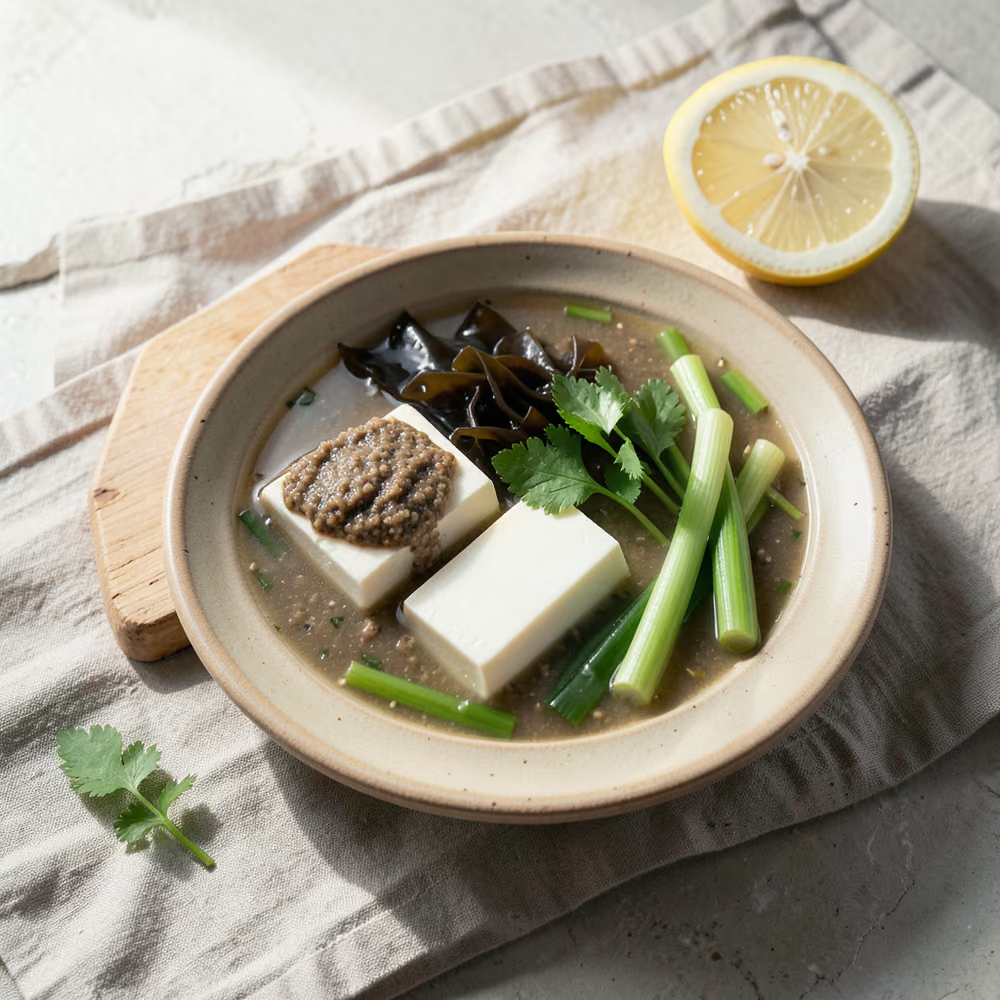
In a medium saucepan, bring 800 ml water to a simmer over medium heat. Add 2 tsp dashi powder and stir to dissolve. Do not boil vigorously.
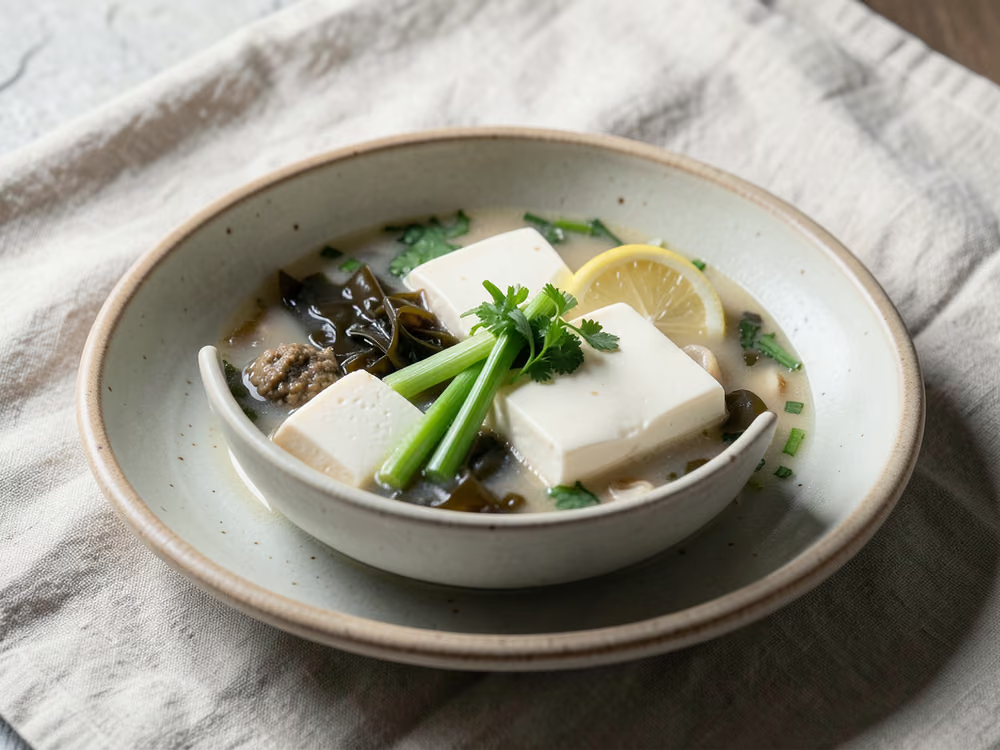
While the dashi heats, rehydrate 1 tbsp dried wakame in a small bowl of cold water for 5 minutes. Drain and set aside.
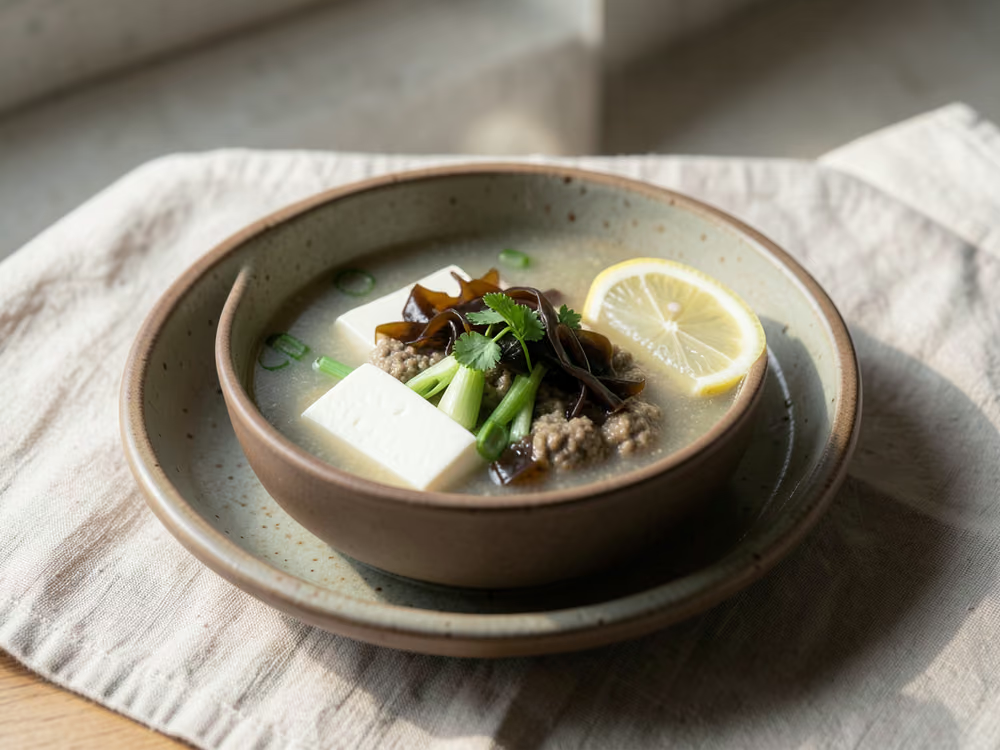
Cut 200 g silken tofu into 1 cm cubes. Thinly slice 2 green onions.
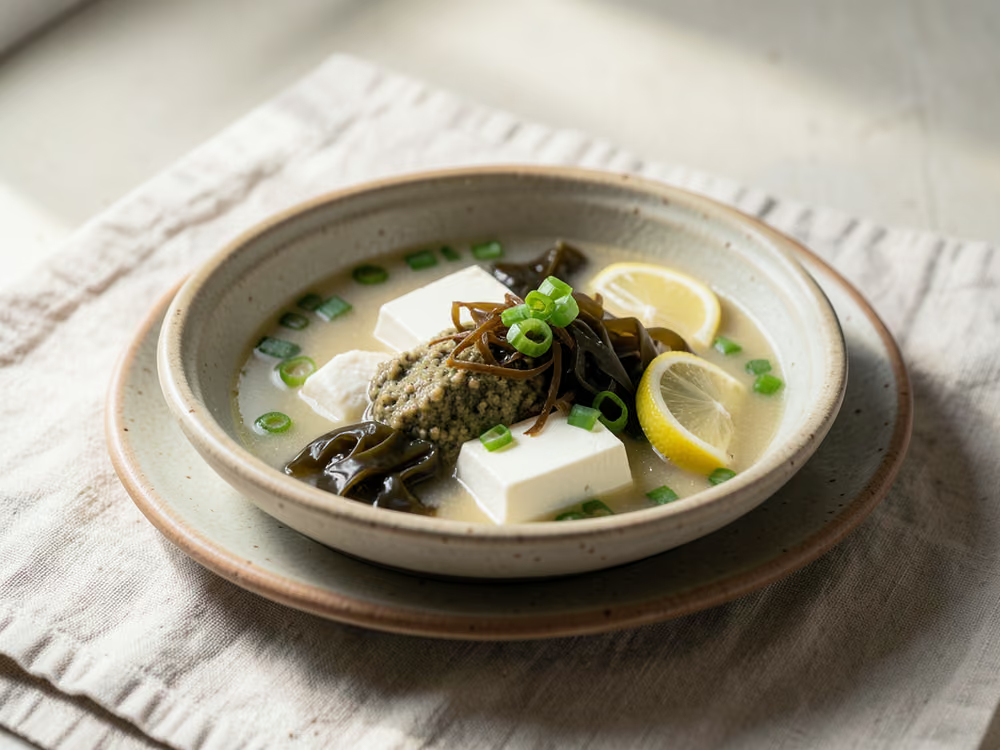
Once the dashi is hot but not boiling, add the tofu cubes and drained wakame. Simmer gently for 2 minutes to heat through.
Turn off the heat. In a small bowl, whisk 3 tbsp miso paste with a ladleful of hot dashi until smooth. Stir this mixture back into the pot. Do not boil after adding miso.
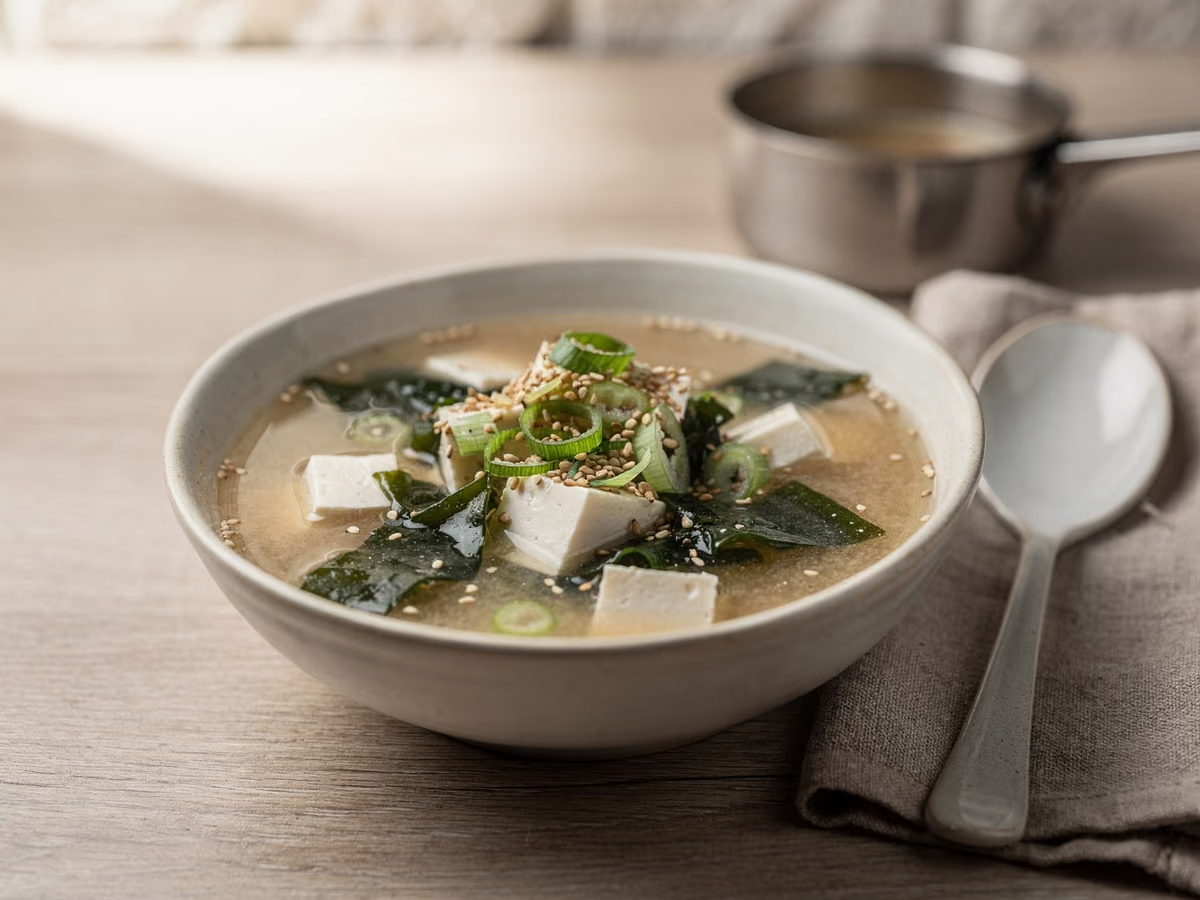
Taste and adjust miso if desired. Ladle into bowls and garnish with sliced green onions. Serve immediately.
Kitchen notes
Kitchen notes
- Never boil the soup after adding miso paste, as high heat kills the beneficial enzymes and makes the soup grainy.
- Use cold water to rehydrate wakame; hot water can make it slimy.
- For a clearer soup, skim any foam that rises while heating the dashi.
- Silken tofu is delicate; add it gently and avoid stirring vigorously to prevent breaking.
Substitutions
- dashi powder→vegetable broth with a piece of kombu
- silken tofu→firm tofu (cut smaller) or small cubes of cooked chicken
- dried wakame→fresh spinach or bok choy leaves
Storage & reheating
Store leftover miso soup in an airtight container in the refrigerator for up to 2 days. The tofu may release water and the flavor may become stronger. Reheat gently on the stovetop over low heat until hot, but do not boil. For best texture, remove tofu before reheating and add it back after. Freezing is not recommended as tofu becomes spongy and miso separates.
Gallery
FAQ
The questions we get asked most
Why did my miso soup turn out grainy?
Graininess usually happens when miso paste is added directly to the pot without dissolving it first, or when the soup is boiled after adding miso. Always whisk miso with a little hot broth in a separate bowl until smooth, then stir it in off the heat. Also, avoid using a metal whisk that can react with the miso.
Can I use regular soy sauce instead of miso?
No, soy sauce cannot replace miso because miso provides a unique fermented, savory depth and thickness. If you must substitute, use 1 tbsp soy sauce plus 1 tsp sugar for every 1 tbsp miso, but the flavor will be quite different. For a closer match, look for other fermented bean pastes.
How do I make miso soup without dashi?
You can use a light vegetable or chicken broth instead of dashi, but the flavor will not be traditional. For a vegan version, simmer a 5 cm piece of kombu in the water for 10 minutes, then remove it before adding miso. Alternatively, use mushroom broth for an earthy note.
Can I add other ingredients like mushrooms or seaweed?
Yes, you can add sliced shiitake mushrooms, enoki mushrooms, or other seaweeds like nori or kombu. Add mushrooms with the tofu and simmer until tender. If using additional seaweed, rehydrate it separately and add at the end to avoid overcooking.
How long does miso soup last in the fridge?
Miso soup is best fresh, but it can be stored in an airtight container in the refrigerator for up to 2 days. After that, the flavor deteriorates and the tofu may become sour. Reheat gently on low heat without boiling, and consider removing the tofu before storage to prevent it from becoming rubbery.
Why is my miso soup too salty?
Different brands of miso paste vary in saltiness. Start with 2 tbsp for 800 ml water and taste before adding more. If it is already too salty, dilute with additional hot water or unsalted dashi. A pinch of sugar can also help balance the saltiness.
Can I freeze miso soup?
Freezing is not recommended because tofu becomes spongy and the miso separates, resulting in a grainy texture upon reheating. If you must freeze, omit the tofu and add fresh tofu when reheating. Freeze the soup base for up to 1 month, then thaw in the refrigerator overnight.
Ask KitchenMind about this recipe
Tell it what’s different tonight — it works within the actual recipe.