Chicken Gyoza Dumplings
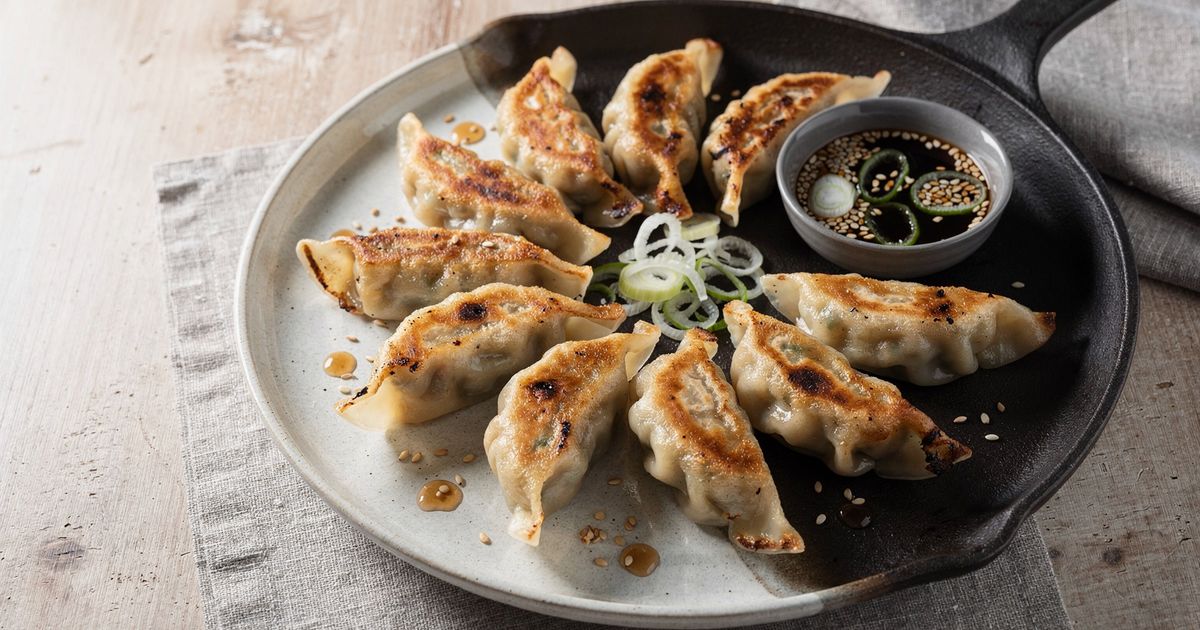
Chicken gyoza are Japanese pan-fried dumplings: a pleated wrapper folded around minced chicken thigh, cabbage and aromatics, browned flat-side down, then steamed under a lid in the same pan and finished until the bases crisp again. Chicken thigh is the juiciest mince for the job, and the filling is mixed until sticky so it holds its moisture; the cabbage is salted first so it cannot water the pan down. Folding 30 gyoza takes about 45 minutes, and they cook in 20 minutes across two quick batches.
- Prep
- 45 min
- Cook
- 20 min
- Total
- 80 min
- Additional time
- 15 min
- Serves
- 4
Ingredients
What you’ll need — tap to tick off as you go
- 400 g
- 250 g
- 15 g
- 2 cloves
- 5 tbsp
- 1 tbsp
- 1 tsp
- 1 tsp
- 1 pinch
- 1 tbsp
- 2 tbsp
- 120 ml
- 3 tbsp
- 1 tsp
Process
Timers built in · swap anything · ask as you cook
Shred the 250 g cabbage as finely as you can, toss it in a bowl with the 1 tsp fine salt and leave it for 10 minutes; the salt draws water out of the leaves by osmosis. Then squeeze it hard in your fists, or wring it in a clean tea towel, until no more than a drip or two comes out, and discard the liquid.
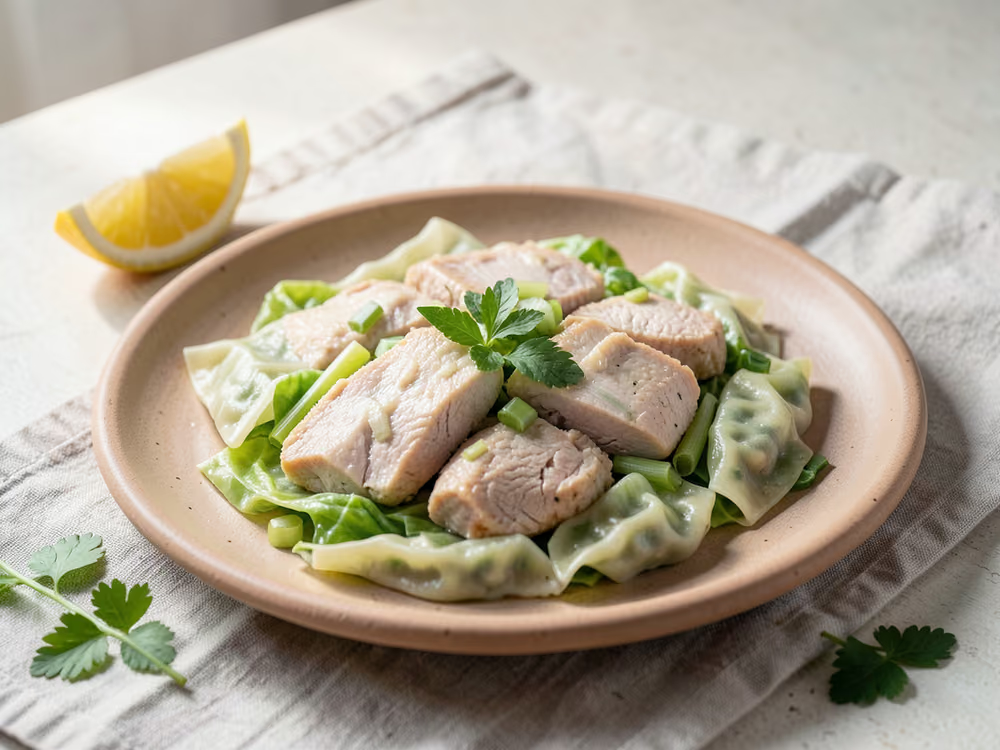
Put the 400 g minced chicken, the squeezed cabbage, 3 sliced spring onions, 15 g grated ginger, 2 grated garlic cloves, 2 tbsp of the soy sauce, 1 tbsp toasted sesame oil, 1 tsp sugar, the pinch of white pepper and 1 tbsp cornstarch into a large bowl.
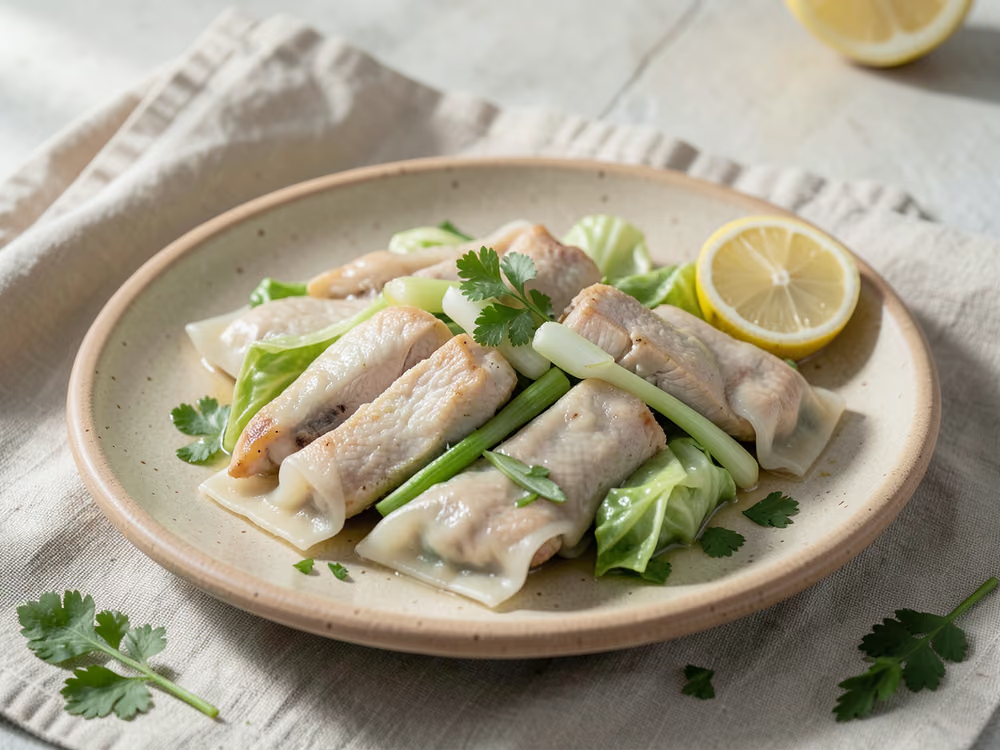
Mix with your hand or a spoon in one direction for about 2 minutes, until the mixture turns sticky and holds together as one mass. That stickiness is what keeps the filling juicy: the worked proteins cross-link and trap moisture. Cover the bowl and chill for 15 minutes while you set up your folding station.
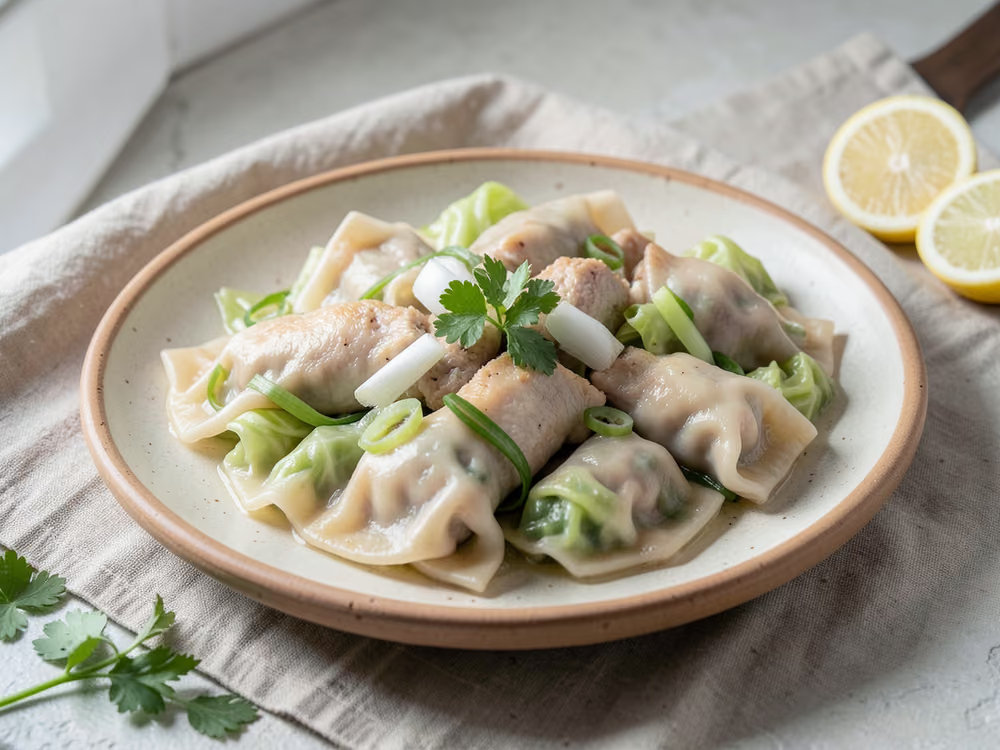
Lay a wrapper on a dry work surface, keeping the rest covered, and put about 1 heaped teaspoon of filling in the centre. Wet the rim lightly with a fingertip dipped in water, fold the wrapper in half over the filling and pinch the middle shut. Damp, not dripping: too much water stops the wrapper sealing to itself.
Make 3 small pleats along the right edge, pressing each one firmly onto the front edge, then 3 the same way along the left edge. The finished gyoza should sit flat on its base with a curved back, so press the sealed edge once more along its length and keep finished gyoza under a clean cloth.
Stir the 3 tbsp rice vinegar, the remaining 3 tbsp soy sauce and the 1 tsp chilli oil together in a small bowl and set it aside. Taste it: it should be sharp, salty and gently warm from the chilli, and you can adjust the chilli oil up or down from there.
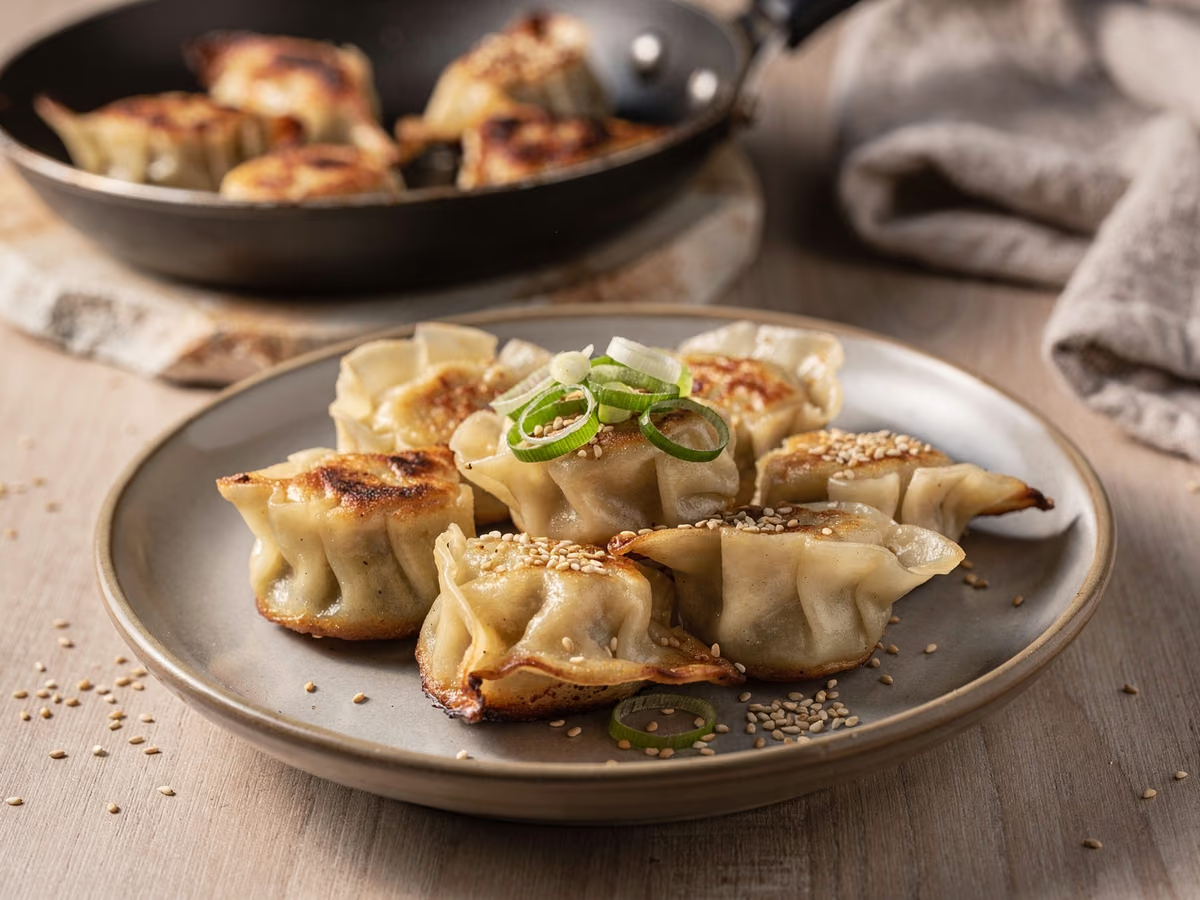
Heat 1 tbsp of the vegetable oil in a large non-stick frying pan over medium heat until it shimmers. Arrange half the gyoza flat-side down in a single layer, not touching, and leave them completely alone for 2 to 3 minutes, until the bases are deep golden; listen for a steady sizzle and check by lifting one corner.
Pour 60 ml water into the pan, immediately cover with the lid and steam for 5 minutes, until the wrappers turn translucent and the filling is cooked through; ground chicken needs 74°C, so there are no shortcuts here. Uncover and cook for 1 minute more, until the water has gone and the bases crisp again.
Slide the first batch onto a plate crisp-side up and repeat with the remaining 1 tbsp vegetable oil, 60 ml water and the rest of the dumplings, so both batches reach the table hot.
Serve hot with the dipping sauce and scatter the reserved spring onion greens over the plate if you like. Eat them within minutes: the contrast of crisp base and tender top is at its best straight out of the pan.
Why this recipe works
Two things decide the texture here. First, the cabbage is salted for 10 minutes and then squeezed: salt pulls water out of the shredded leaves by osmosis, and a dry filling cannot bleed juice into the pan, which is exactly what leaves gyoza with soggy bases. Second, the filling is mixed in one direction until tacky, which unwinds the chicken's proteins so they cross-link into a loose network that traps juice through cooking. In the pan, direct oil heat sets and browns the base before steam at about 100°C cooks the filling through, and the final uncovered minute evaporates the last water so the bases re-crisp instead of softening.
Equipment
- Large mixing bowl
- Clean tea towel or square of muslin, for squeezing the cabbage
- Small bowl of water for wetting the rims
- Baking tray lined with baking paper, for holding folded gyoza
- Non-stick frying pan, about 28 cm, with a tight-fitting lid
- Thin spatula or fish slice
- Small bowl for the dipping sauce
Kitchen notes
Kitchen notes
- Check a rim before you trust it: after a light wipe of water it should feel slightly tacky. If it looks glossy-wet, wait ten seconds and blot once; that is the difference between a seal and a flap of dough that opens in the pan.
- Chill the filling before folding. Firm filling sits in the wrapper without smearing the rim, which keeps every pleat clean enough to seal on the first press.
- Set every finished dumpling on its base on the tray, with room around it. Gyoza pressed against their neighbours end up with flat, damp sides that stick to the pan; a lined tray plus a clean cloth on top holds the batch safely.
- Cook in two batches of 15 rather than crowding the pan: a full pan drops the heat, the bases steam instead of brown, and the water takes longer than the 5 minutes the filling needs.
- Have the lid in one hand as you pour the 60 ml water around the edge of the pan, then cover immediately. That instant of trapped steam is what turns a crusted base into a cooked dumpling, and covering fast keeps the sizzle calm.
Common mistakes
- Soggy pan and pale, soft bases: the cabbage was under-squeezed, so the filling released water while it steamed. Salt it for the full 10 minutes, then squeeze in your fists or wring it in a tea towel until next to nothing drips out.
- Dumplings that split at the pleats: an overfilled wrapper, a rim left dry, or pleats that were not pressed flat. Keep to 1 heaped teaspoon, wipe the rim with a light film of water, and press each pleat onto the front edge as you make it.
- A filling that turns dry and crumbly: the mix was stirred just until combined, so the proteins never formed the network that traps juice, and over-steaming finishes the job. Mix until tacky, then steam exactly 5 minutes once the water goes in.
- Bases glued down or left pale: the oil was not shimmering when the gyoza went in, or the dumplings were moved during the first fry. Heat the oil until it ripples, arrange them flat-side down with space between, and do not touch them for the first 2 minutes.
- Blackened bases with underdone tops: too much heat at the start, so the base scorches before the steam arrives. Start on medium, add the 60 ml water, and cover straight away; the steam, not the oil, is what cooks the filling through.
Serving suggestions
- Serve crisp-side up, straight from the pan, with the dipping sauce in individual bowls; the base is at its best in the first few minutes.
- Scatter the reserved spring onion greens over the plate for a fresh, oniony top note against the rich filling.
- Seven or eight gyoza each is the share for four people as a starter, or add steamed rice and treat it as a main.
- Leftover dipping sauce keeps for a week in the fridge and doubles as a dip for cold noodles or steamed greens.
Variations
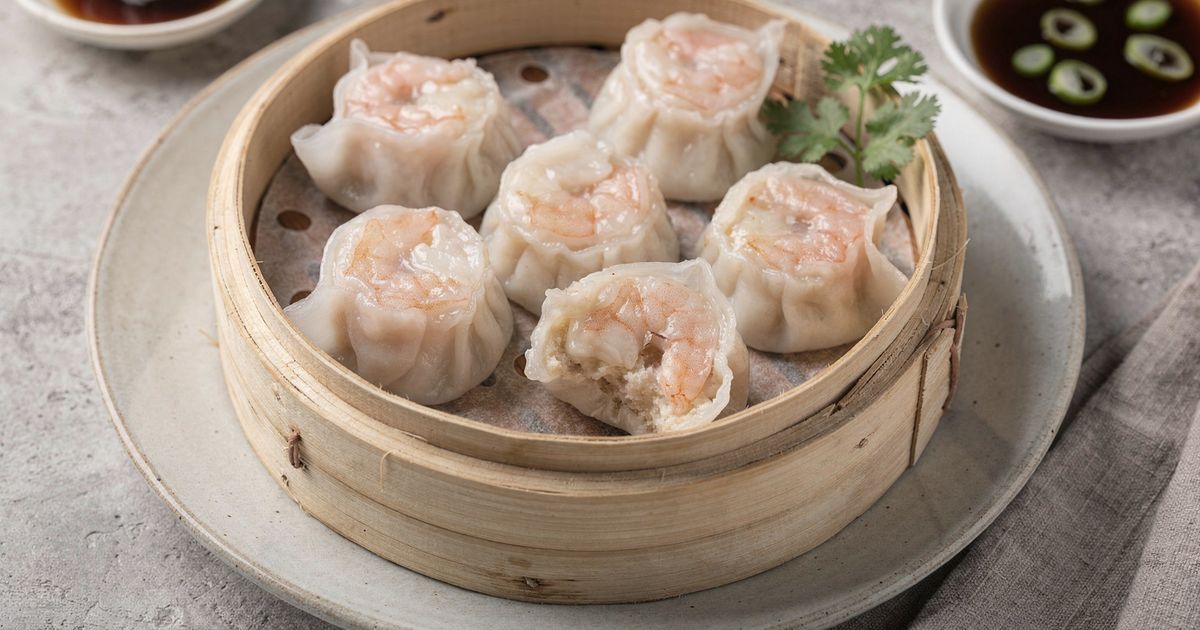
- Steamed version: cook the gyoza in a lined steamer over boiling water for 7 to 8 minutes, or simmer them in gently boiling water for 4 to 5 minutes until they float; both give a soft skin with no crisp base.
- Chicken and shrimp: swap 100 g of the chicken for the same weight of chopped raw shrimp; the filling turns springier and slightly sweeter and cooks in the same time.
- Double batch: fold 60 gyoza and freeze half before cooking; nothing else changes except that you will cook four batches of 15 in the pan.
Refrigerator
- RefrigeratorCooked gyoza keep in a shallow airtight container for up to 3 days, in a single layer or separated by baking paper so the pleats do not crush, and never sit out for more than 2 hours.
- ReheatingReheat in a covered non-stick pan over medium heat with 1 tbsp water for 3 to 4 minutes, or in a 180°C oven for 8 minutes, until hot through; leftovers should reach 74°C. The pan brings the base back to crisp, while the microwave leaves it soft and chewy.
- FreezingFreeze uncooked: single layer on a tray until solid, then bag for up to 2 months. Cook straight from frozen, adding 2 extra minutes of steaming and 2 tbsp more water; do not thaw first, or the wrappers go slack.
- Make aheadFold up to 24 hours ahead, in a single layer, tightly covered, in the fridge; beyond that the wrappers start to soften. Uncooked filling should not be held for more than 1 day.
Updated:
How this recipe was developed
- Serious Eats gyoza method (salting and squeezing the cabbage, kneading the filling until sticky, the crisp-steam-crisp pan technique, cooking from frozen)
- Just One Cookbook gyoza guidance (knead the filling until pale and sticky, do not overfill, keep wrappers covered, fold and cook or freeze promptly)
- Ono and Salat, Japanese Soul Cooking (steam-and-crisp timings; gyoza should look glossy with the skins cooked through)
- USDA FSIS ground poultry guidance (ground poultry and reheated leftovers 74°C)
Editorial references are kept internally for verification. This page makes no claim of external certification or professional testing.
FAQ
The questions we get asked most
Why do my gyoza tear open while folding or frying?
An overfilled wrapper, a rim that was left dry, pleats that were not pressed flat enough to seal, or a wrapper that dried out while waiting. Keep the filling to 1 heaped teaspoon, wipe only a light film of water around the rim, press each pleat onto the front edge as it is formed, and keep the stack of wrappers covered.
Can I cook gyoza straight from frozen?
Yes, and it is the best way to handle a frozen batch. Put them in the pan as normal without thawing, which would leave the wrappers soggy, then add 2 extra minutes to the steaming time and 2 tbsp more water so the filling cooks through.
Why did the water boil away before 5 minutes?
The pan was too hot when the water went in, the lid did not fit snugly, or there was less than the 60 ml. Lower the heat for the pour, use a tight lid, and if it happens again add 2 tbsp more water and carry on with the clock; the filling needs that full steam to reach temperature.
How do I know the chicken filling is fully cooked?
The wrapper turns translucent and glossy and the filling firms up. Because this is ground chicken, the safe target is 74°C internal, and if you are unsure, cut one dumpling open: the meat should be opaque all the way through with no pink, and the juices clear.
Can I mix the dipping sauce ahead of time?
Yes, it keeps in the fridge for up to a week and gets no worse; stir or shake before serving because the chilli oil separates. Keep the 3 to 3 to 1 ratio of rice vinegar, soy sauce and chilli oil, and leave the chilli out for a milder table.
Can I make these with ground turkey instead of chicken?
Yes, use the same 400 g of minced turkey thigh. Turkey is a little leaner, so keep the full tablespoon of sesame oil to prevent a dry filling; steam exactly 5 minutes as written for a 1-teaspoon filling.
Ask KitchenMind about this recipe
Tell it what’s different tonight — it works within the actual recipe.