Fluffy Buttermilk Pancakes
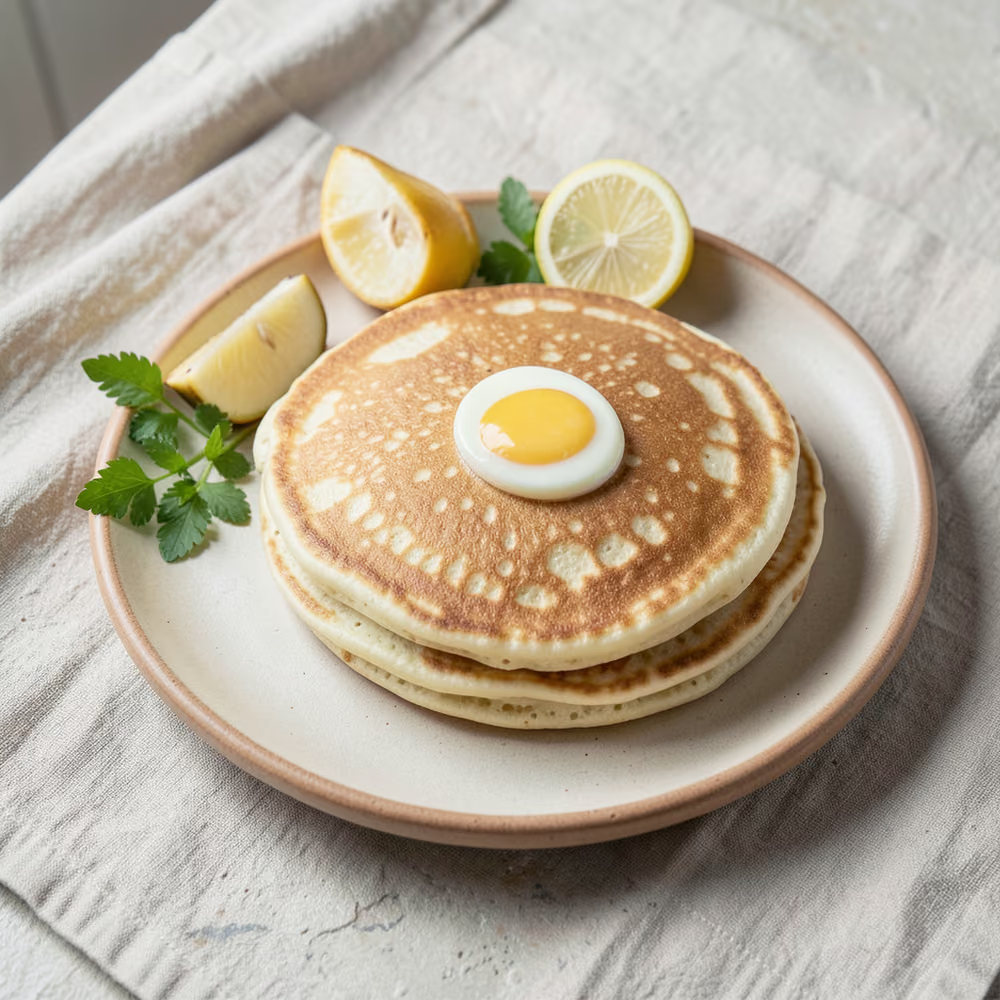
A stack of tall, tender buttermilk pancakes comes down to two moves: let the buttermilk's acid fire the baking soda, and fold a whipped egg-white meringue into the batter at the end. The leaveners start working the moment the wet mix meets the flour, so this is a cook-it-now batter — 10 minutes of prep and 15 minutes at the stove. The first side is ready when the bubbles rise, pop and stay open; hold the finished pancakes in a low oven while the rest cook.
- Prep
- 10 min
- Cook
- 15 min
- Total
- 25 min
- Serves
- 4
Ingredients
What you’ll need — tap to tick off as you go
- 250 g
- 2 tsp
- ½ tsp
- ½ tsp
- 2 tbsp
- 480 ml
- 3 tbsp
- 1 tsp
Process
Timers built in · swap anything · ask as you cook
Whisk the 250 g sifted all purpose flour, 2 tsp baking powder, 0.5 tsp baking soda, 0.5 tsp salt and 2 tbsp sugar in a large bowl for about a minute, until the mixture is one even colour with no soda lumps left. A quick, thorough whisk now means you will not need to stir hard later, which is what would develop gluten and make the pancakes tough.
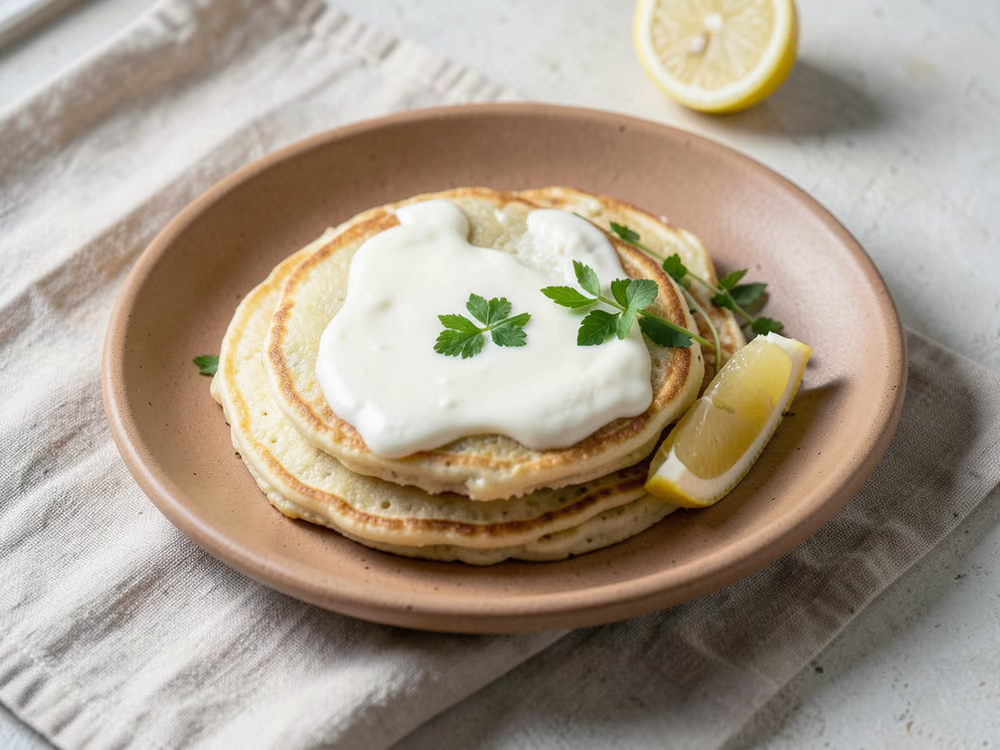
In a second bowl, whisk the 2 egg yolks with 480 ml buttermilk, 3 tbsp melted butter and 1 tsp vanilla extract until smooth and even, about 1 minute. The butter should be warm, not hot: hot butter would start setting the yolks before they reach the pan.
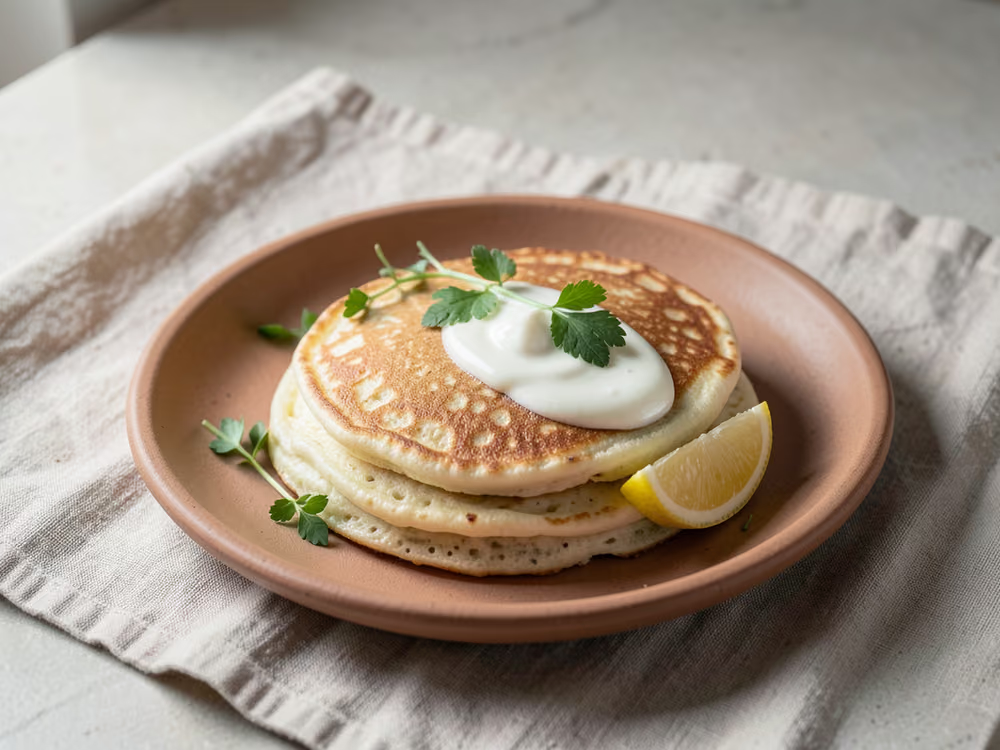
Whip the 2 egg whites in a clean, grease-free bowl with an electric mixer, starting on low and moving to medium-high, for 2 to 4 minutes, until stiff peaks form. They are ready when the tips stand straight as you lift the beaters but still look glossy; dry, grainy whites fold badly and collapse in the pan.
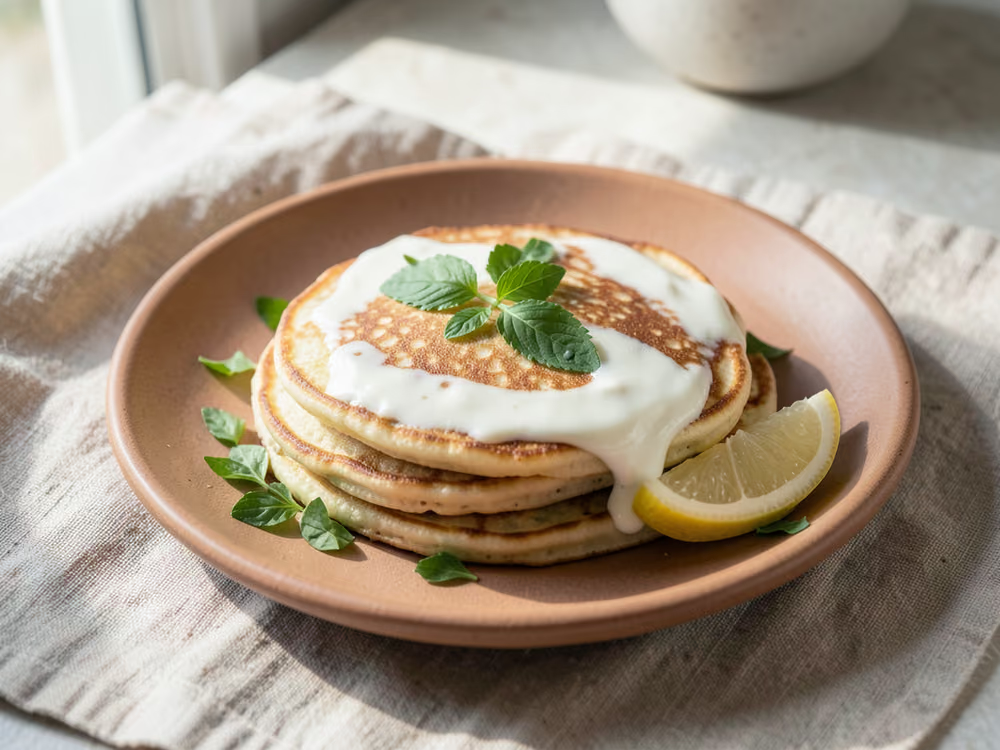
Pour the buttermilk mixture into the dry ingredients and fold with a rubber spatula for about a minute, just until the flour disappears — a few lumps are exactly what you want. Stirring past that point works the gluten, and gluten is the difference between a tender pancake and a rubbery one.
Add the whipped whites in two additions, folding gently each time: cut down through the middle, sweep around the bowl and lift the batter over the top, until no white streaks remain, about 1 minute. Stop while the meringue is still visible in soft ribbons — every extra stroke trades air for density.
Heat a large non-stick skillet or griddle over medium heat for 3 to 5 minutes, then wipe the surface with a little butter. On an electric griddle the target is 165°C to 175°C (325°F to 350°F); on the stove the pan is ready when a drop of batter sizzles gently, not angrily.
Pour about 60 ml (1/4 cup) of batter per pancake, leaving a few centimetres between them, and cook without touching them for 2 to 3 minutes. Watch the surface: the edges first turn dry and matte, then bubbles rise, pop and leave open holes — that is the signal that the structure underneath has set.
Flip each pancake once, when the underside is golden and it releases without tugging, and cook for 1 to 2 minutes more, until the second side is browned and the centre feels firm under a light press. Flipping early tears the pancake; flipping again and again deflates it.
Move the finished pancakes to a tray in a low oven and cook the rest of the batter, wiping the pan and adding a little butter between batches. Serve warm, within a few minutes, with butter and maple syrup, berries or a spoon of thick yogurt; the crust softens the longer they sit.
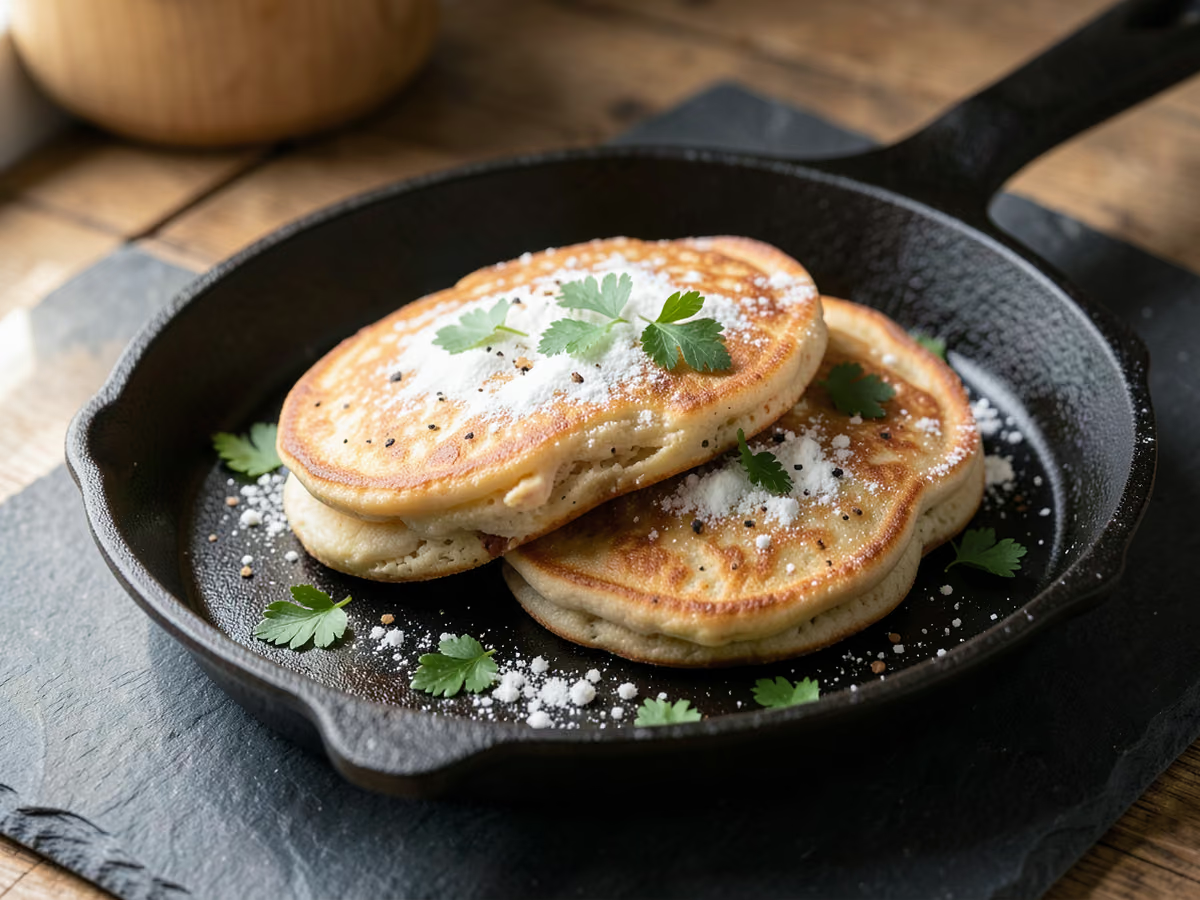
Why this recipe works
Two leaveners do different jobs here. Baking soda is a base waiting for an acid, and the buttermilk supplies it, so carbon dioxide starts forming the moment the two meet — which is why this batter cannot wait around. Baking powder is double-acting: it releases gas once when it gets wet and again at around 77°C to 82°C (170°F to 180°F) in the pan, so the pancakes keep lifting as they set. The whipped whites add a fine foam of air bubbles; heat expands them and the flour and egg proteins set around them, leaving an open, tender crumb instead of a dense one.
Equipment
- Large mixing bowl for the dry ingredients
- Second large bowl for the buttermilk mixture
- Third bowl, clean and grease-free, for whipping the whites
- Electric hand mixer or stand mixer with a whisk attachment
- Wide rubber spatula for folding
- Large non-stick skillet or griddle
- 1/4 cup (60 ml) measuring cup or ladle
- Thin turner and a little kitchen paper for the pan
Kitchen notes
Kitchen notes
- Room-temperature eggs whip far faster than cold ones: the foam comes up fuller in about half the time, saving minutes with a hand mixer and a lot of wrist work with a balloon whisk.
- Hold the finished pancakes in a single layer on a tray in a low oven instead of stacking them on a plate; stacked pancakes steam each other and lose the fine crust you just built.
- A 60 ml measure or an ice-cream scoop keeps every pancake the same size, which matters more than it sounds: thick and thin pancakes in the same pan finish at different times, and the plate shows it.
- Add fruit in the pan, not the bowl. Scatter berries or thin banana slices onto the wet side of the batter once it is in the skillet; folding them through the batter crushes the meringue and waters it down.
- The batter thickens as it stands because the flour keeps drinking the liquid. If it becomes stiff while you cook, loosen it with a spoonful of buttermilk rather than water, which would dilute both the tang and the lift.
Common mistakes
- Flat, dense pancakes: the batter was overmixed after the whites went in, or the leaveners were stale. Fold only until no white streaks remain, and check that your baking powder fizzes in hot water before you trust a new batch.
- A soggy centre: the heat was too high, so the outside browned before the middle cooked. Keep the pan at medium, pour about 60 ml per pancake, and do not flip until the bubbles pop and stay open.
- Rubbery, chewy pancakes: hard stirring after the meringue went in knocked out the air and developed gluten at the same time. Fold with sweeping strokes and stop at the first clear patch of batter.
- Whites that will not whip: a bowl with a trace of grease, or a trace of yolk in the whites. Wash and dry the bowl before you start, separate the eggs while they are cold, and stop beating while the tips are still glossy.
- A batch that slumps after the first few pancakes: the batter sat for more than about 20 minutes on the counter, so the baking soda's lift was already spent. Mix and pour without a pause rather than letting the bowl stand while you cook.
- Pale pancakes that barely rise: too little baking soda for the acid in the buttermilk leaves the batter under-risen and bland, while too much browns the outside before the centre sets and leaves an acrid aftertaste. Keep to the 0.5 tsp and use fresh soda.
Serving suggestions
- Serve in warm stacks of two or three, four portions in total, with butter melting between the layers and maple syrup poured at the table rather than already soaked in.
- Fresh berries, sliced banana and a spoon of thick yogurt or whipped cream on the side; the tang of the buttermilk likes something creamy and something tart.
- Pancakes wait badly, so serve them in rounds as they come off the pan — two or three at a time, hot — rather than holding everything back for one grand stack.
- Milk, brewed tea or sparkling water alongside; pancakes are rich enough that a plain drink tastes best against them.
Variations
- Blueberry pancakes: scatter fresh blueberries over the wet side of the batter once the pancakes are in the pan. Frozen berries bleed and drop the pan temperature, so keep them frozen until the moment they hit the batter.
- Banana pancakes: lay thin banana slices onto the batter before flipping, and go a little lighter on the syrup at the table; the fruit brings its own sugar.
- Silver dollar size: pour half the measure, about 2 tbsp (30 ml), per pancake. They cook more quickly, so start checking the first side sooner and keep the batches moving.
Refrigerator
- RefrigeratorCool any leftovers within 2 hours of cooking (USDA FSIS guidance), then stack them with a sheet of baking paper between each one and keep in an airtight container in the fridge for up to 3 days. FSIS allows 3 to 4 days for refrigerated leftovers; the recipe's 3 days is the cautious end of that window.
- ReheatingReheat in a toaster or on a baking sheet in a 160°C oven for 6 to 8 minutes, until hot right through — FSIS suggests leftovers reach 74°C — or microwave single pancakes for 30 to 40 seconds, which is quicker but leaves them softer. Never reheat frozen pancakes straight in a hot pan: the outside scorches before the middle thaws.
- FreezingUp to 2 months. Freeze flat on a tray for 1 hour, then transfer to a freezer bag with the layers separated by paper, and reheat from frozen in the toaster. FSIS gives frozen leftovers 3 to 4 months at best quality.
- Make aheadWhisk the dry and wet components separately up to 1 day ahead and keep them covered and cold; the egg whites and the finished batter wait only minutes, so time the mixing to your pan.
Updated:
How this recipe was developed
- Serious Eats, Light and Fluffy Buttermilk Pancakes (J. Kenji López-Alt) — buttermilk's acid reacting with baking soda for an immediate rise, double-acting baking powder's second lift at around 170°F to 180°F, and a whipped egg-white meringue folded in for extra air
- King Arthur Baking, buttermilk substitute and how-to-make-fluffy-pancakes guides — 1 tbsp vinegar or lemon juice per cup of milk rested 10 to 15 minutes, 1 part thick yogurt to 2 parts milk as the closest match, do not over-stir the batter, and a 325°F to 350°F griddle
- Centers for Disease Control and Prevention, raw flour and dough safety — do not eat or taste raw batter; uncooked flour and raw eggs can carry E. coli and Salmonella
- USDA FSIS leftovers and egg safety guidance — refrigerate within 2 hours, 3 to 4 days in the fridge, reheat to 74°C, and cooked egg dishes to 160°F (71°C)
Editorial references are kept internally for verification. This page makes no claim of external certification or professional testing.
Gallery
FAQ
The questions we get asked most
Why did my pancakes turn out flat and dense?
Almost always overmixing or tired leaveners. Once the buttermilk mixture meets the flour, fold only until just moistened, then fold the whipped whites in gently in two additions. Check the baking powder and soda with a spoonful of hot water: if they do not fizz, the batch will not rise.
Can I make the batter ahead of time?
Part of it. The dry ingredients and the buttermilk mixture can each be whisked and kept covered in the fridge up to 1 day ahead. Do not combine them or whip the egg whites until you are ready to cook: the batter starts losing its lift within about 20 minutes of mixing, long before the pan is full.
How do I know when to flip the pancakes?
Watch the surface, not the clock. Once the edges look dry and matte and bubbles rise, pop and stay open across the top, the first side is done — usually 2 to 3 minutes. Flip once and give the second side 1 to 2 minutes, until it is golden and the centre feels firm, not jiggly, under a light press.
Why are my pancakes soggy in the middle?
The heat is too high, so the outside sets and browns before the centre cooks through. Lower the pan to medium, use about 60 ml of batter per pancake so they are not too thick, and wait for the bubbles to pop before you flip.
Is it safe to taste the raw batter?
No. Raw flour can carry E. coli and Salmonella, and raw eggs can carry Salmonella — CDC guidance names pancakes among the batters not to taste. Cook every pancake until the centre is set, with no liquid batter; USDA egg safety guidance puts cooked egg dishes at 160°F (71°C).
How do I make these without buttermilk?
Stir 2 tbsp of lemon juice or white vinegar into 480 ml of whole milk and let it stand 10 minutes until slightly thickened; 1 tbsp of acid per cup is the tested ratio. For a closer match to real buttermilk, whisk 160 ml of thick yogurt into 320 ml of milk. Plain milk alone will still leaven, but the pancakes come out denser and darker.
How long do leftover pancakes keep, and how do I reheat them?
They keep well: in an airtight container in the fridge for up to 3 days (FSIS allows 3 to 4), or in the freezer for up to 2 months with paper between them. A toaster or a 160°C oven brings them back in 6 to 8 minutes, and a single pancake reheats in the microwave in 30 to 40 seconds — softer, but faster.
Ask KitchenMind about this recipe
Tell it what’s different tonight — it works within the actual recipe.