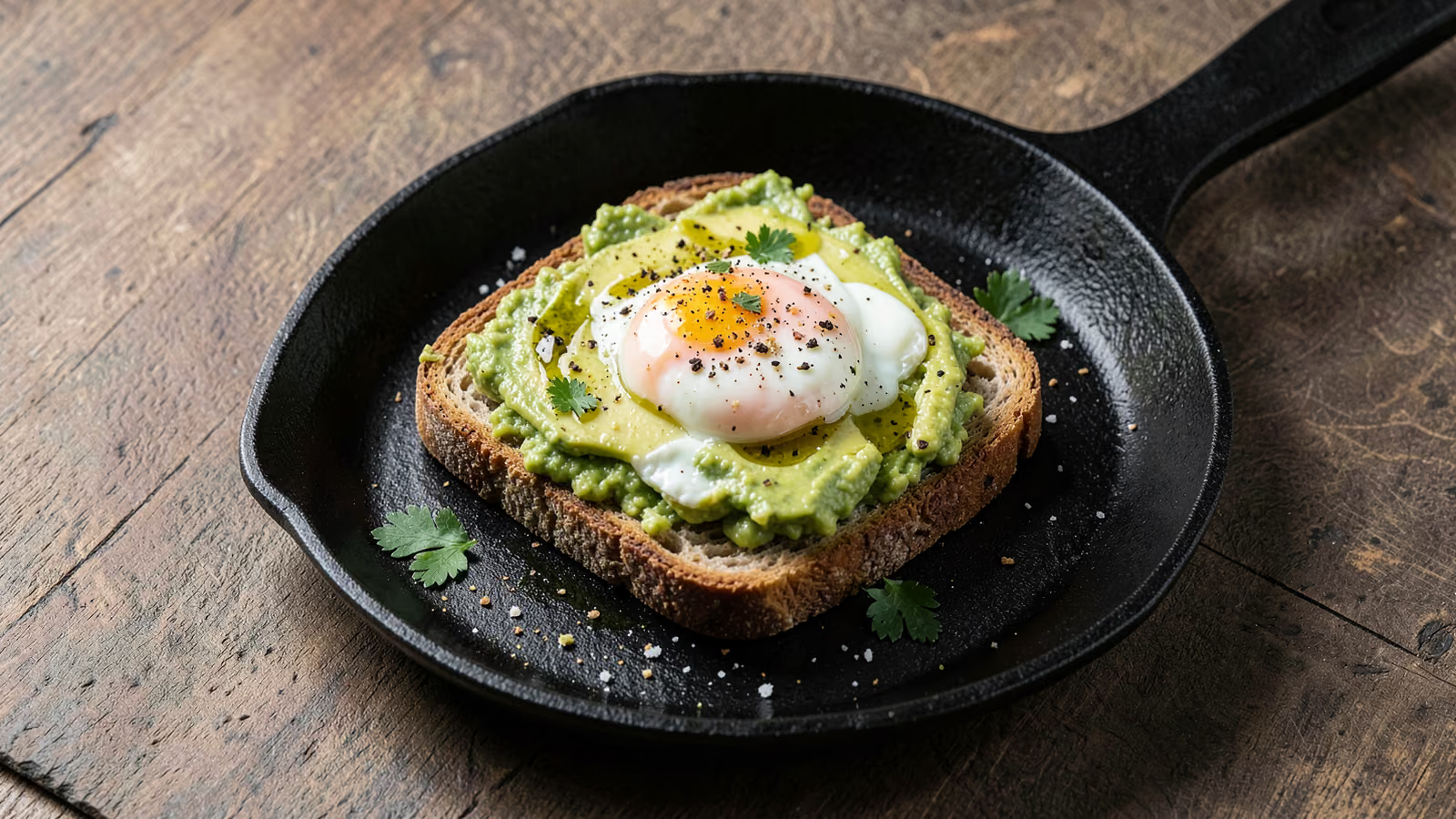
Avocado Toast
Ripe avocado, good bread, and a toaster: three things, one narrow window. A great slice is mostly timing and restraint. Toast the bread past golden so it stays rigid. Mash with a fork instead of puréeing. Hold the salt until the last second. 2 slices of sourdough, 1 large Hass avocado, 1 tbsp of olive oil, and 1 tsp of lemon juice are the whole list, and it serves 2. Prep takes 5 minutes, the toaster takes 4 minutes, and the eating takes less. Miss that window and you are eating wet bread.
- Prep
- 5 min
- Cook
- 4 min
- Total
- 9 min
- Serves
- 2
Ingredients
What you’ll need — tap to tick off as you go
- 2 slices
- 1 tbsp
- 1 tsp
- 1 pinch
- 1 pinch
- 1 pinch
Process
Timers built in · swap anything · ask as you cook
Toast the 2 slices until deeply golden and rigid, either in a toaster set to high or in a dry skillet over medium heat, 2 to 3 minutes per side, 4 to 6 minutes in all. Tap it: it should sound hard and feel dry. A pale slice still bends, and a slice that bends will sag under the avocado before you finish the second one. (A skillet gives you more control over the edges.)
While the bread toasts, halve the 1 large Hass avocado around the pit, twist the halves apart, and scoop the flesh into a small bowl, leaving the skin behind. Add the 1 tsp lemon juice and half of the 1 tbsp olive oil. Toss the pit aside, since it shields only the flesh it touches. Work quickly, because the cut surface starts to darken within minutes.
Mash with a fork for about 30 seconds, pressing and turning until the flesh is spreadable but still shows small chunks. Stop while it looks a little rough. A fork leaves texture; a whisk or a processor turns the avocado pasty, and pasty mash spreads thin and tastes flat against the bread.
Spread the mash over the warm toast with the back of a spoon, pushing it right to the edges and using every bit of it, because the edges dry out first. Keep the layer even. No bald corners, no mound in the middle. The full avocado is what keeps every bite creamy rather than merely green.
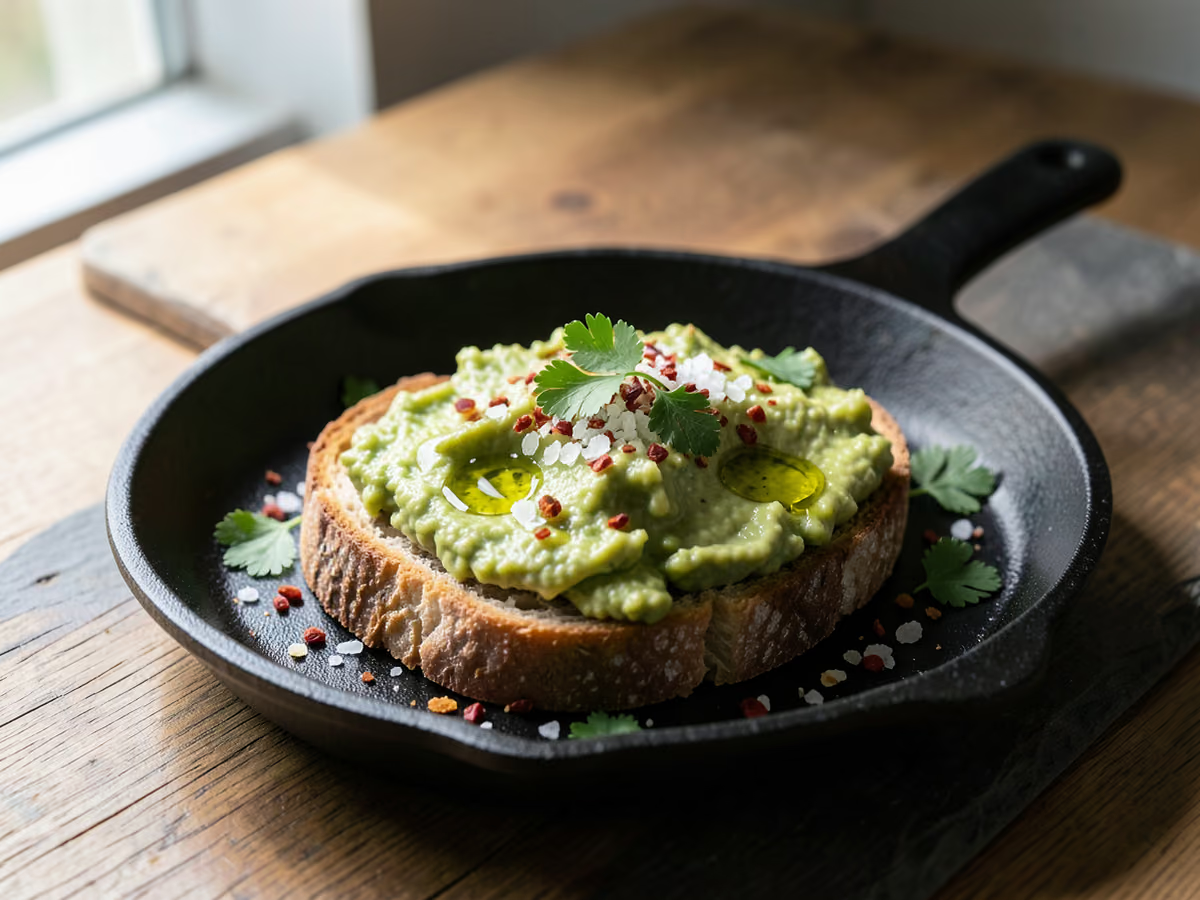
Drizzle the remaining olive oil over the tops, then scatter the pinch of flaky salt, the chili flakes if you are using them, and the cracked pepper. Salt now, never earlier. Once salt sits in the mash it draws water out of the flesh, and the surface turns wet and slick. (Flakes on top also give you something to crunch.)
Serve on 2 small plates straight away, while the crust is still crisp and the avocado stays cool against it, because there is no holding this one. Halve each slice if you are sharing. Once the mash sits, the toast softens from the inside and never comes back.
Why this recipe works
Toast is a water problem before it is a flavor problem. Heat drives moisture off the surface and sets the starch into a dry, rigid sheet, so the avocado sits on a barrier instead of soaking through. A pale slice still holds water, and it bends. Salt then pulls liquid from the flesh, and the bread underneath goes soft. Why does lemon help? Its acid lowers the pH and slows polyphenol oxidase, the enzyme that browns cut avocado. Fork-mashing leaves small pockets intact, which keeps the texture from going pasty and gives the oil something to cling to. A mash that is too smooth also spreads thinner, so the fat sits closer to the crumb and the toast softens faster.
Equipment
- Toaster, or a heavy dry skillet
- Small mixing bowl
- Fork
- Serrated bread knife
- Cutting board
- Citrus press, or a small fine sieve
- Teaspoon and tablespoon measures
Kitchen notes
Kitchen notes
- Toast the bread a shade darker than you would eat it plain, and cut it at 1.5 cm so the crust-to-crumb ratio holds. The cool mash drops the surface temperature fast, so that extra color is what you taste through the fat.
- Why crush the chili flakes? The aromatic oils sit on the outside of the flake, and crushing wakes them up before they hit the oil.
- Scoop with a large spoon rather than a knife. It's fine if the flesh tears; you are mashing it anyway. A spoon takes it in one piece, with less waste.
- No toaster in the house? A dry skillet is the better tool anyway, because you can press the slice down and toast the edges, which a slot toaster never reaches.
- For 4 slices, mash in a shallow bowl. A fork needs surface area. A deep bowl leaves whole lumps at the bottom that never get broken up, and you find them on the toast.
- If the avocado is ripe but cold from the fridge, let it sit 10 minutes before mashing. Cold flesh stays firm and mashes into lumps. (Room temperature is the whole trick.)
Common mistakes
- Soggy middle: the bread was toasted pale, or the mash went on while the slice still steamed, and either one leaves a soft layer under the avocado that no amount of salt can fix. Toast to a dry, rigid surface. Wait 30 seconds for the steam to clear, then spread.
- Lumps that will not spread: the avocado was underripe, so the flesh stays firm and tastes grassy no matter how much lemon goes in; choose one that gives near the stem, or bag a hard one with a banana for 1 to 2 days.
- Brown mash in minutes: cut flesh meets oxygen and polyphenol oxidase does the rest, which is why the surface darkens first and the deepest layer keeps its color longest. Stir the 1 tsp lemon juice through before spreading. If you are holding it, press wrap onto the surface.
- Watery topping: salt went in too early and pulled water out of the flesh, so the mash weeps into the bread and the whole slice goes limp. Season the mash lightly, finish with flakes, and assemble at the last minute.
- Flat, oily taste: an overripe avocado or too much oil; either way the fat smothers the fruit instead of carrying it. Use 1 tbsp in total. Taste your mash before it goes on the bread, because overripe flesh cannot be rescued with salt.
Serving suggestions
- Breakfast with strong coffee, or a light lunch beside dressed greens that have had the same lemon and oil.
- A bowl of tomato soup alongside makes it a full meal without weighing down the toast.
- Stale bread is the better choice here, so a loaf past its best still has a job. Slice it thick, toast it hard, and no one can tell.
- Any leftover mash stirs into tomorrow's soup, and a second round of 2 slices takes 4 minutes in the toaster. Dig in while the crust is still hot. Cold toast is a different dish.
Variations
- Chunkier texture: fold the avocado with a spoon instead of mashing it, leaving pieces the size of a hazelnut, and your toast eats more like a salad.
- Tomato version: drain thin tomato slices on paper towel, then lay them under the avocado and season them first. The bread never takes on water.
- Seeded top: press the oiled surface into toasted sesame or sunflower seeds after the salt, and the crunch survives the ride to the table.
Refrigerator
- RefrigeratorThe mash keeps 1 day, not more. Press plastic wrap right onto the surface, seal the bowl, and refrigerate at 4°C. The wrap keeps oxygen off the flesh and the cold slows the enzyme, though neither one stops it, which is why a day is the limit and not a week. Left out longer than 2 hours, it belongs in the bin.
- ReheatingRe-toast the bread rather than reheating the mash: a dry skillet over medium heat brings the crust back in 1 to 2 minutes, and the mash only needs to lose its fridge chill. Don't worry if the crust darkens unevenly; that is the pan, not the bread. Let the mash stand 10 minutes at room temperature, stir it, and taste for salt and lemon before spreading.
- FreezingNot recommended. Ice crystals rupture the avocado's cell walls, so the thawed mash turns watery and grainy, and no amount of stirring brings the texture back. Freeze the bread instead, and mash a fresh avocado.
- Make aheadMash up to 30 minutes ahead with the lemon juice, cover, and refrigerate; toast and assemble at the last minute, because the mash does not improve with time and the crust does not stay crisp. For a crowd, set out the salt, chili flakes, and oil and let each person finish their own slice.
Updated:
How this recipe was developed
- Serious Eats, 9 No-Cook Twists on Avocado Toast (bread brushed with olive oil and toasted hard; ripe Hass avocado mashed with a fork for even coverage; acid and salt to balance the fat)
- Compound Interest, Why Avocados Turn Brown (polyphenol oxidase converts phenols to quinones and melanin; acid and cold slow the enzyme; excluding oxygen delays browning)
- USDA FSIS, Leftovers and Food Safety (refrigerate perishables within 2 hours; hold cold food at 4°C or below; leftovers keep 3 to 4 days; reheat to 74°C)
- FDA, Selecting and Serving Produce Safely (refrigerate cut or pre-cut produce; keep the refrigerator at 4°C or below; discard produce left out more than 2 hours)
Editorial references are kept internally for verification. This page makes no claim of external certification or professional testing.
FAQ
The questions we get asked most
Why did my avocado toast turn brown so fast?
Cut avocado browns through an enzyme reaction, not spoilage: oxygen meets polyphenol oxidase and the flesh darkens from the surface down, which is why the top of your bowl goes brown while the middle stays green. Stir the 1 tsp lemon juice through the mash before it goes on the toast, spread it thick, and eat within minutes. For a hold, press a sheet of plastic wrap against the mash and refrigerate for no more than 1 day. Anything that sat out past the 2-hour mark goes in the bin.
Can I make avocado toast ahead of time for a crowd?
Yes, up to a point. Mash with the lemon juice 30 minutes ahead, cover, and refrigerate. Toast and spread at the last minute, since the toaster takes 4 minutes and the bread waits for nobody. Set out the salt, chili, and oil so each person finishes a slice, and keep the mashed bowl on ice if the room is warm, because a warm bowl speeds the browning you are trying to slow.
How do I know if my avocado is ripe enough?
Press near the stem and look for a slight give, like a ripe peach, and check that the stem cap flicks off to show green flesh. A hard avocado tastes grassy and mashes into lumps no matter how long you work it, while an over-soft one tastes flat and may already show dark streaks. Ripen a hard one in a closed paper bag with a banana; that takes 1 to 2 days.
Can I use frozen avocado for this?
It works in a pinch, though the texture suffers: freezing ruptures the cells that hold the flesh together, so thawed chunks collapse into a soft, wet mash that spreads more like a sauce than a topping. Thaw completely and drain the water that collects. Don't worry if it looks wetter than fresh avocado; season a little harder and spread it thinner.
Is avocado toast vegan and gluten-free?
As written it is vegan and dairy-free: bread, avocado, oil, lemon, salt, chili, and pepper. Gluten-free depends entirely on the loaf, so choose a certified gluten-free bread and check the chili flakes and any add-on for cross-contact if that matters to you.
What can I add to make avocado toast more filling?
Add protein and bulk without drowning the toast: a spoonful of hummus or mashed white beans under the avocado works, and so do crumbled feta, tinned fish, or a sliced tomato, but keep your layer thin so the bread stays crisp.
Why is my avocado toast soggy?
Usually pale toast or a steaming slice: toast until the surface is dry and rigid, let it stand 30 seconds, then spread. Salt the mash at the last minute, because salt sitting in the avocado draws water to the surface, and a thin layer of mash goes soggy faster than a generous one.
Ask KitchenMind about this recipe
Tell it what’s different tonight — it works within the actual recipe.