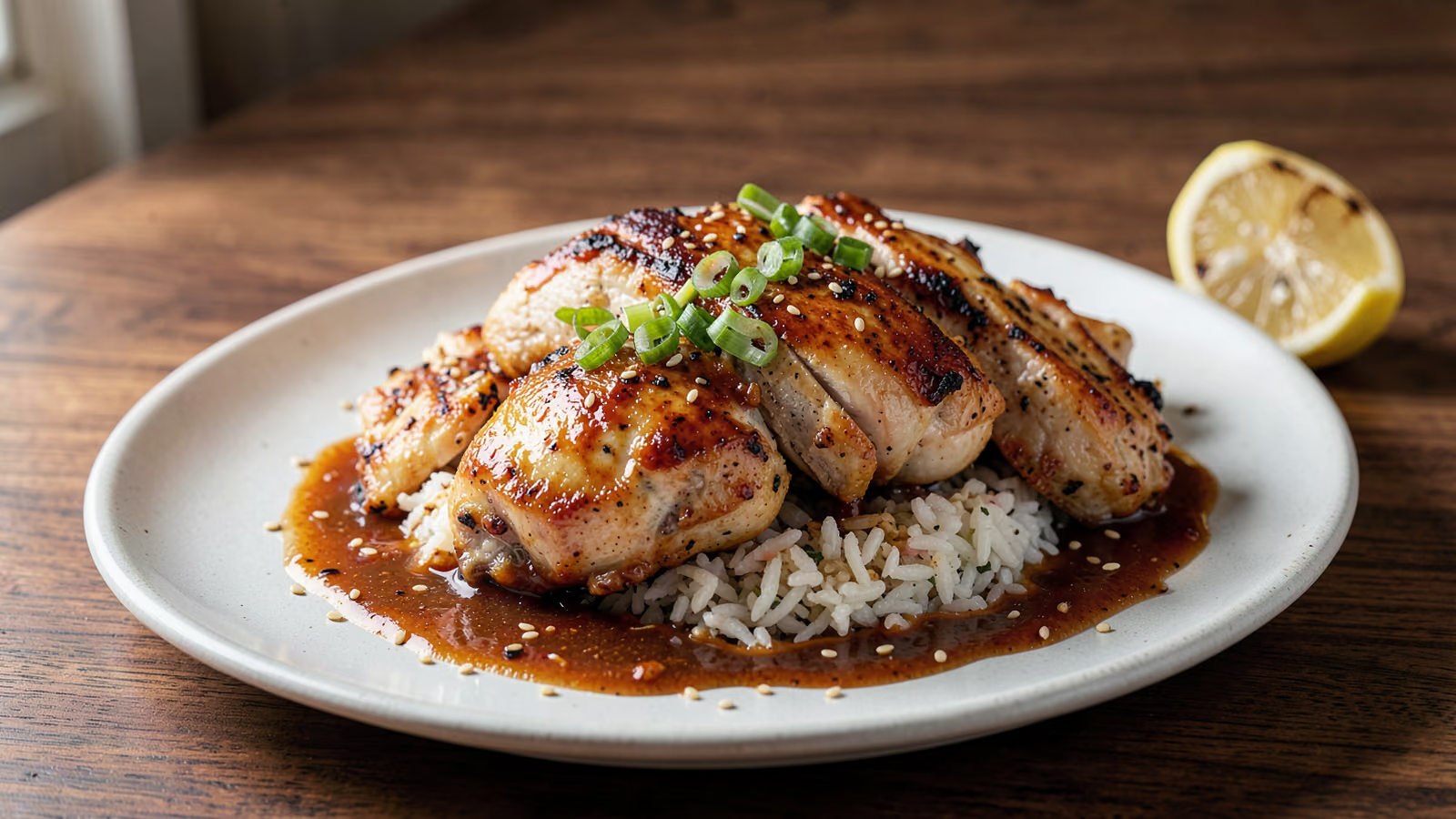
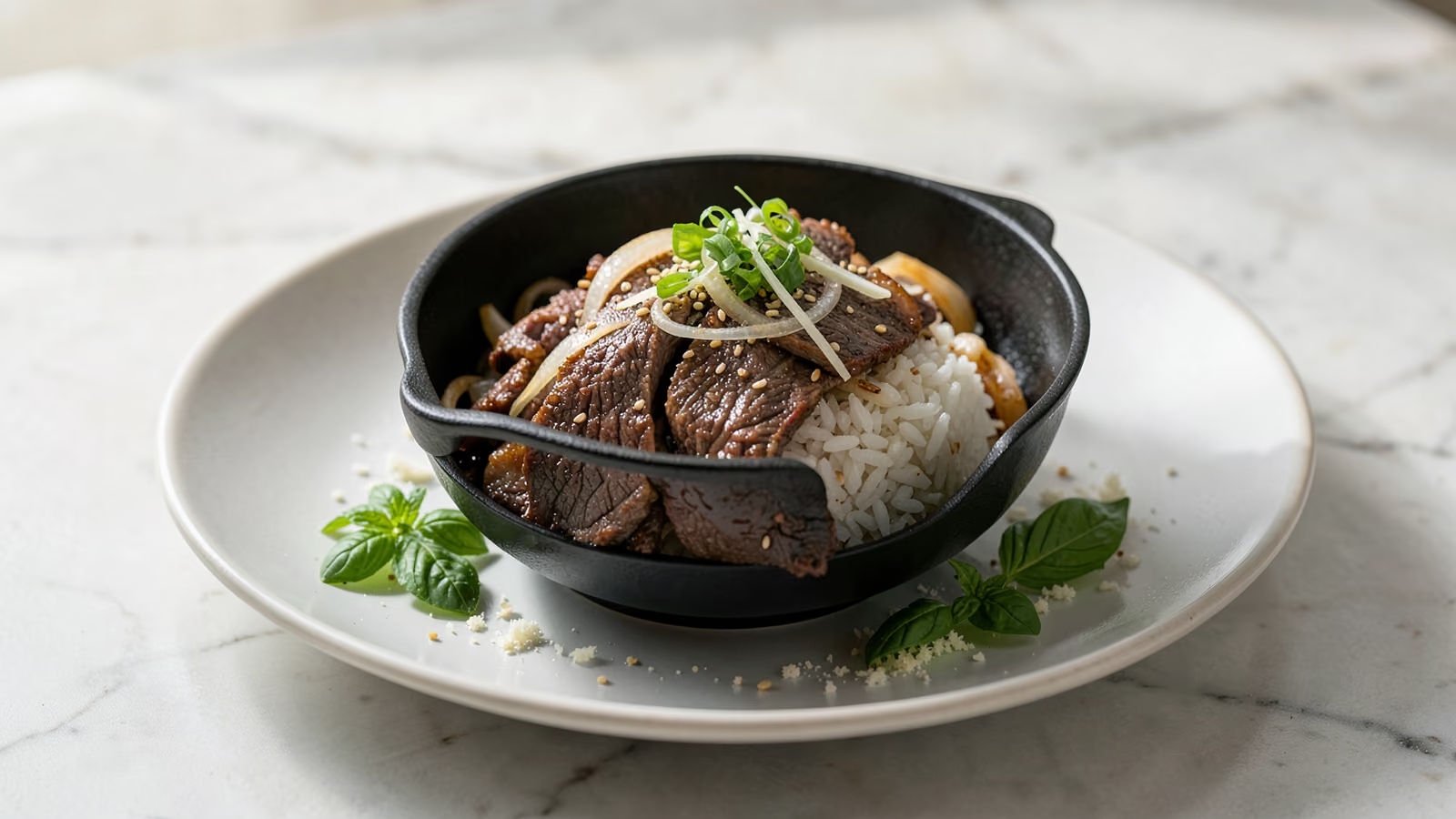
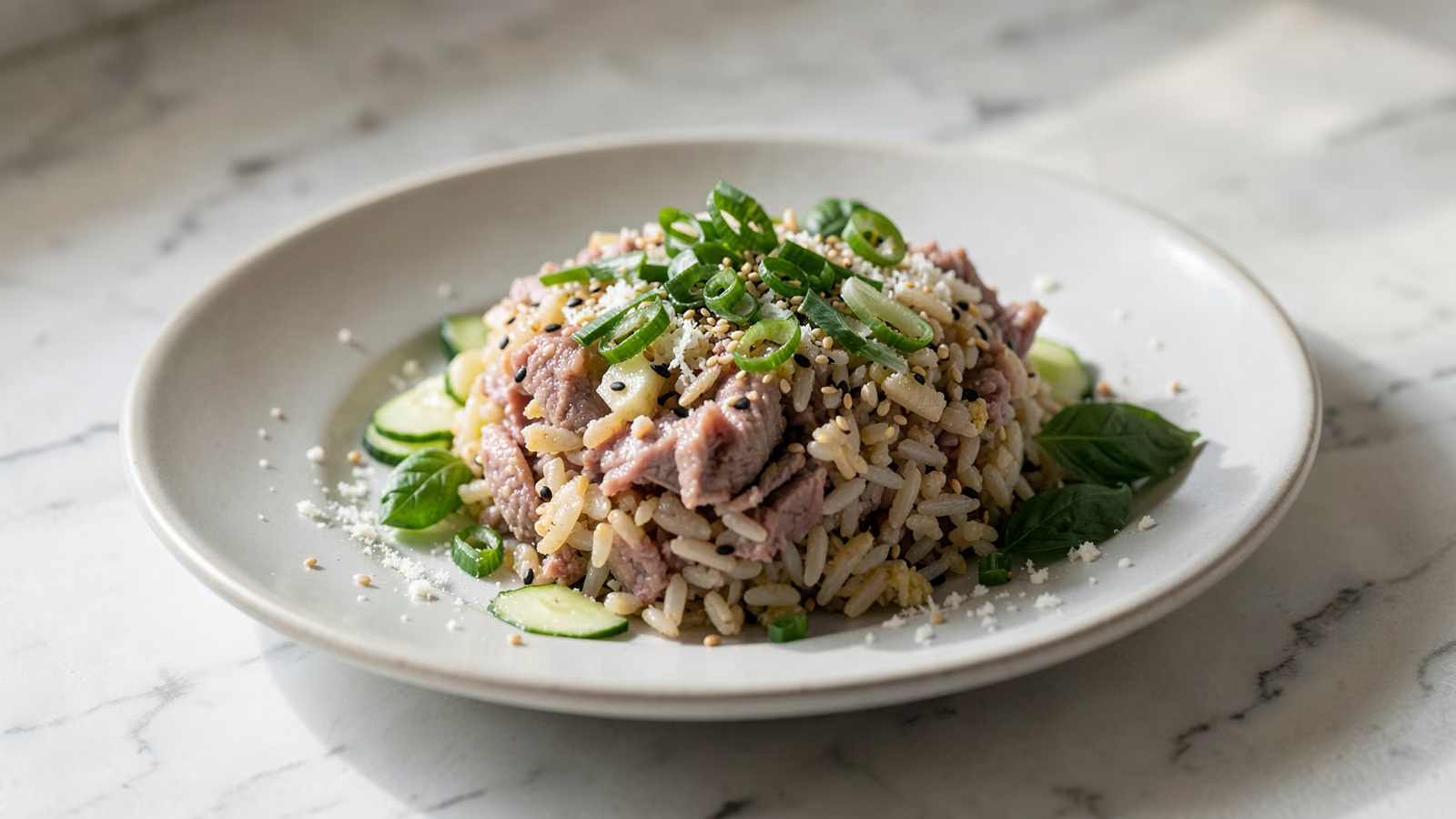
Gyudon Beef Bowl
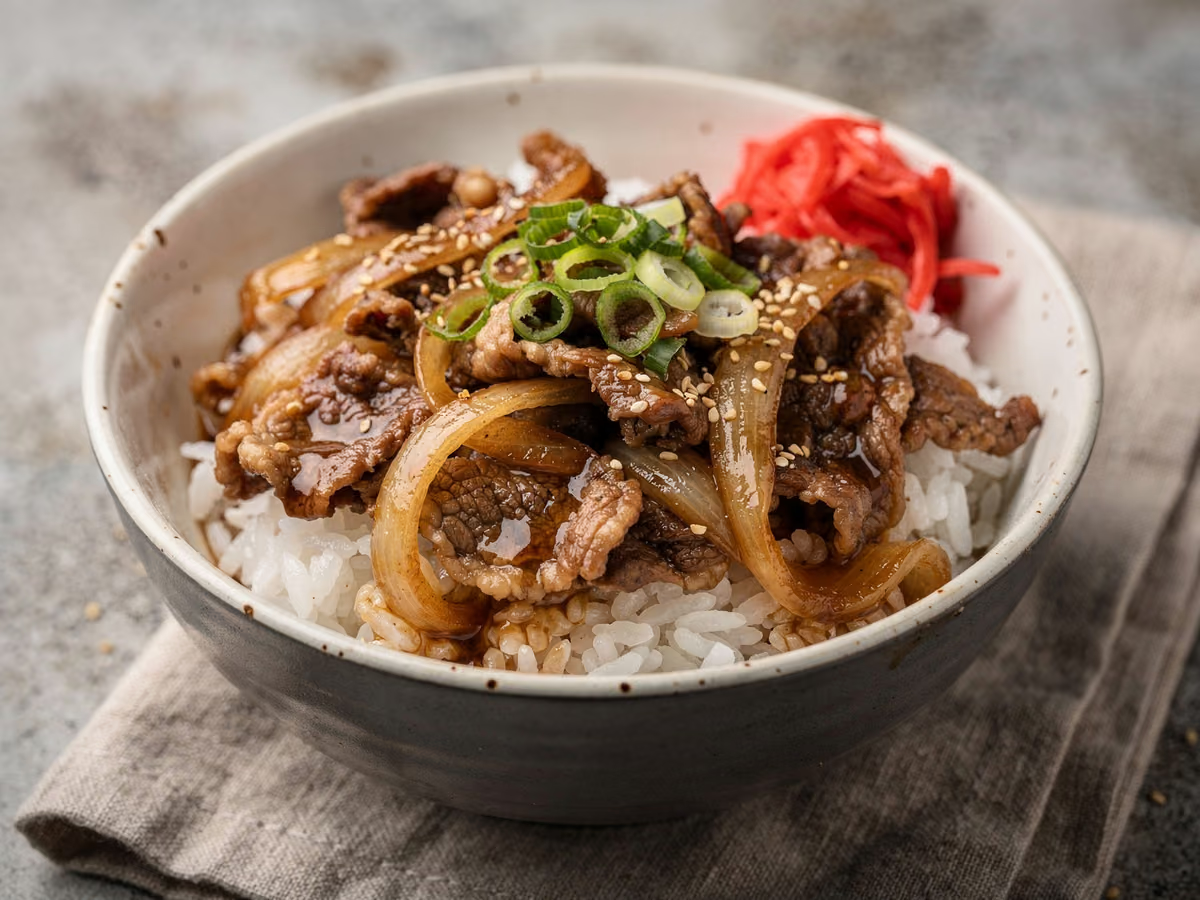
Gyudon is Japan's beef bowl: paper-thin slices of beef and sweet onion simmered in a glossy, sweet-savory sauce and ladled over steaming short-grain rice. This version builds the sauce from soy sauce, sugar, beef broth, ginger and garlic, so the pantry does the work and the flavor stays balanced. It is ready in about 20 minutes, and for most of that the rice cooks itself while you slice and stir. The payoff is texture: shaved beef cooks through in under two minutes, so the bowl tastes slow-simmered without the meat ever turning tough.
- Prep
- 10 min
- Cook
- 10 min
- Total
- 20 min
- Serves
- 4
Ingredients
What you’ll need — tap to tick off as you go
- 500 g
- 60 ml
- 2 tbsp
- 120 ml
- 1 tsp
- 1 clove
- 1 tbsp
- 300 g
- 1 tsp
Process
Timers built in · swap anything · ask as you cook
Rinse the 300 g short-grain rice in cold water until the water runs mostly clear, then cook it according to the package directions, about 12–15 minutes for most brands. Leave it covered off the heat for 10 minutes to settle, then fluff it gently and keep it warm: the rice should still be steaming when the beef goes on.
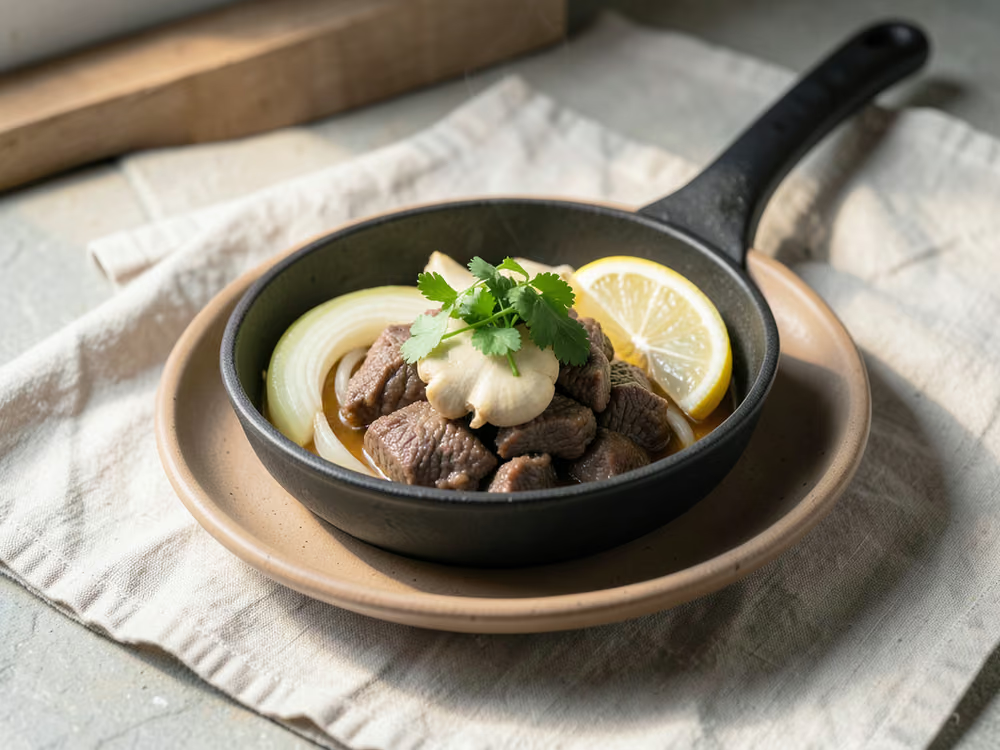
In a small bowl, whisk the 60 ml soy sauce, 2 tbsp granulated sugar, 120 ml beef broth, 1 tsp grated ginger and 1 minced garlic clove until the sugar dissolves, about 30 seconds. The sauce should taste a touch too strong off the spoon: it is seasoning the rice as well as the beef, so hold back from softening it now.
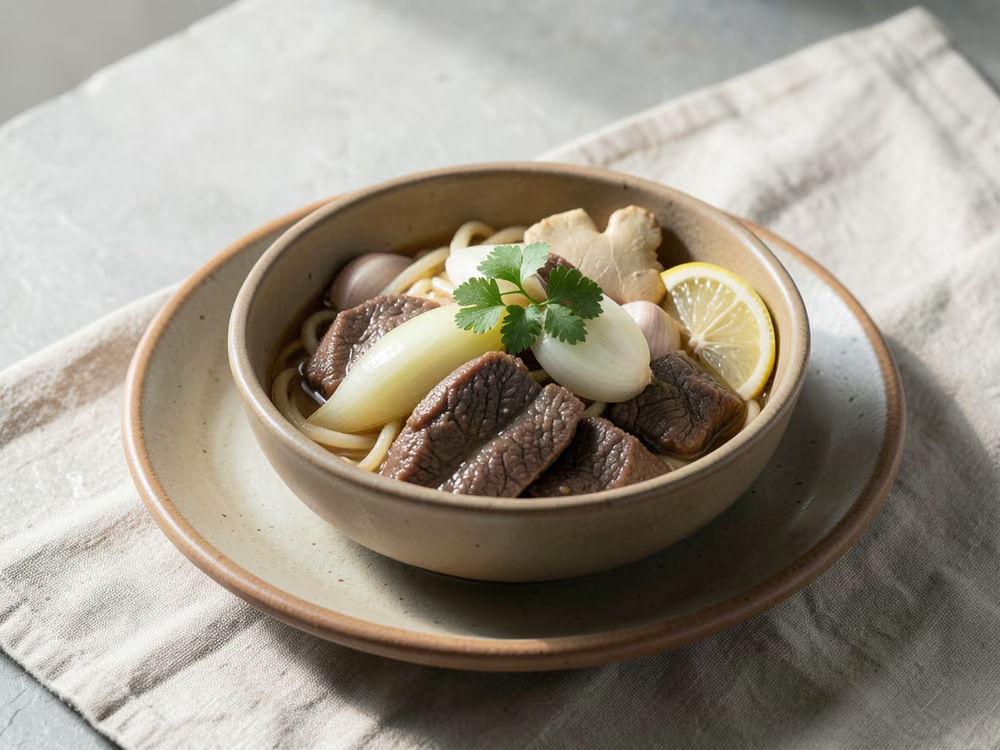
Heat the 1 tbsp neutral oil in a large skillet over medium-high heat until it shimmers, then add the 1 thinly sliced yellow onion and cook for 3–4 minutes, stirring, until the slices soften, turn translucent and pick up a light golden edge. The onion needs this head start so it is fully tender by the time the beef, which cooks in minutes, joins it.
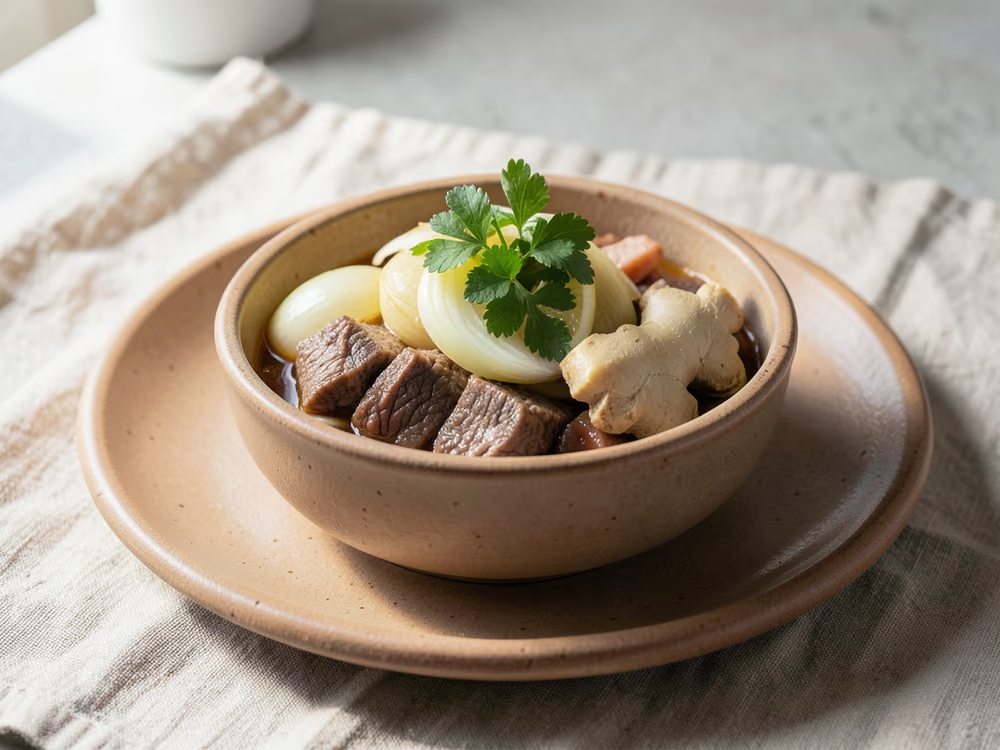
Lay the 500 g beef strips over the onion in a single layer, working in two batches if the pan looks crowded, and leave them for 1–2 minutes, until the undersides brown, then turn and cook 1–2 minutes more. The centers should still show a faint blush of pink; the sauce finish cooks them through, and beef piled into a small pan will steam grey instead.
Pour the sauce over the beef and onions, bring it to a low simmer, around 95°C, and cook for 3–5 minutes, turning the slices once or twice so every piece passes through the liquid. It is done when the sauce coats a spoon in a thin glaze and no pink remains anywhere; pull it off the heat before it tightens to a syrup.
Divide the hot rice among four deep bowls, mounding it loosely rather than packing it down, then spoon the beef and onions over the top, splitting them evenly. Finish each bowl with a few spoons of sauce from the pan so it soaks into the crown of the rice: enough to tie the bowl together, not enough to leave the rice swimming.
Scatter the sliced green onions and the 1 tsp toasted sesame seeds over the bowls and serve immediately, while the rice is hot and the beef still glossy. This is a dish that waits for no one: the sauce tightens and the rice cools from the moment you stop cooking, so call everyone to the table before you build the bowls.
Why this recipe works
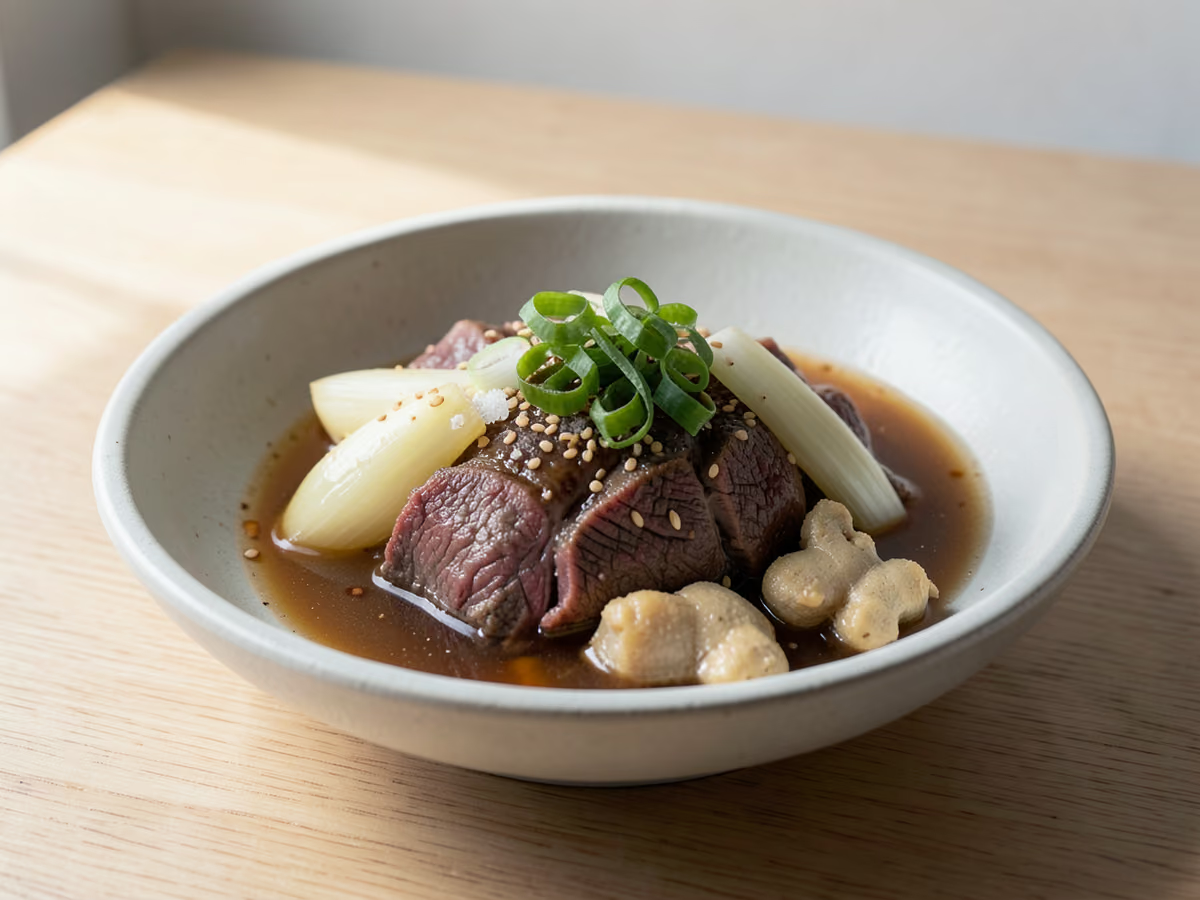
Three things make the bowl work, and all of them are about speed. Slicing the 500 g of beef 2-3 mm thin multiplies its surface area, so the strips pass from pink to cooked in about two minutes and absorb sauce without ever toughening. The onion goes into the pan first because it needs a head start: given 3-4 minutes alone over direct heat it softens, sweetens and stops competing with the beef for time. Finally, the simmer reduces soy sauce, sugar and broth into a light glaze; short-grain rice is sticky by nature, so that glaze clings to the grains instead of draining to the bottom of the bowl.
Equipment
- Large skillet or wide sauté pan, about 28 cm across, big enough to hold the beef in a single layer
- Rice cooker or heavy saucepan with a tight-fitting lid
- Small bowl and whisk
- Chef's knife and cutting board
- Measuring jug and measuring spoons
- Fine-mesh sieve or colander for rinsing the rice
- Four deep bowls for serving
Kitchen notes
Kitchen notes
- For razor-thin slices without a meat slicer, freeze the steak for 15-20 minutes, firm at the edges but still yielding at the center, then slice on a slight diagonal against the grain. A thick roast may need up to 30-45 minutes; past that the meat is solid, which is harder to cut cleanly, not easier.
- Season to the bowl, not the pan: taste the sauce on a spoonful of hot rice before it goes over the beef. Rice dilutes salt and sugar, so a pan sauce that tastes a little aggressive lands just right; if it reads flat on the rice, a few drops more soy sauce fix it before serving.
- Treat no-pink as the pull signal for the whole pan: the slices keep firming for a minute off the heat as you portion the rice. A well-marbled batch can take an extra 30 seconds in the sauce to drink up more glaze; lean sirloin cannot.
- Warm the bowls before the rice goes in, with a quick rinse of hot water and a wipe. This bowl has no flame under it once it is built, and a cold bowl pulls the heat out of the rice from the bottom up.
- Skim the grey foam that rises in the first minute of the simmer. It takes seconds with a spoon, and it is what keeps the finished sauce glossy rather than cloudy.
Common mistakes
- Tough, chewy beef: the slices were lean, cut thick, or cooked past the point of no pink, since thin beef needs about two minutes total in the pan and a brief finish in the sauce, nothing more. Slice 2-3 mm against the grain and start from a marbled cut such as ribeye.
- Onion still crunchy in the finished bowl: it went in with the beef, or was sliced too thick to soften in the time the beef allows. Give it its own 3-4 minutes until translucent and lightly golden, and keep the half-moons thin.
- Sauce cloying and one-note: more sugar than the 2 tbsp balanced against 60 ml of soy sauce and 120 ml of broth, or a simmer that boiled down to syrup. Measure the sugar, keep the heat low, and loosen an over-reduced pan with a splash of broth.
- Grey, steamed beef instead of browned edges: the pan was too small or the strips went in as a pile, so they released steam and stewed. Use the widest skillet you have, lay the beef in a single layer, and cook it in two batches if you must; browning is the flavor base the sauce builds on.
- Gluey, wet rice under the toppings: skipping the rinse leaves surface starch that turns the pot gummy, and too much water does the same. Rinse until the water runs mostly clear, cook at the ratio your package recommends (about 1 part rice to 1.1 parts water by volume), and rest it covered for 10 minutes before fluffing.
Serving suggestions
- Build the bowls at the last moment and hand them out hot: rice steaming underneath, beef and onions heaped across the top, a few spoons of sauce over each.
- Classic garnishes if you want the full experience: a small tangle of pickled ginger and a shake of shichimi togarashi at the rim of the bowl.
- Round the meal out with miso soup and a fresh, quick-pickled cucumber or some blanched spinach; the soup adds salt and savor, the greens cut the glaze.
- Something cold and unsweetened to drink, such as iced tea, barley tea or sparkling water with a wedge of lime, keeps the palate fresh against the rich sauce.
Variations
- Vegetable additions: sliced shiitake mushrooms, thin carrot rounds or snow peas go into the pan with the onion so they soften in the same window; keep the pieces small and thin so the beef timing does not change.
- Spicy version: finish each bowl with shichimi togarashi or a few thin rounds of fresh red chili for a slow, warm heat against the sweet sauce.
- Chicken version: swap the beef for 500 g of thinly sliced chicken thigh and simmer it for 5-6 minutes, until cooked through with no pink; poultry needs 74°C, higher than the 63°C minimum for beef slices.
- Low-carb version, a different bowl rather than the same dish: spoon the beef and onions over cauliflower rice. It loses the sticky rice that carries the glaze, so sauce sparingly and lean on the green onion for texture.
Refrigerator
- RefrigeratorCool the beef and sauce within 2 hours of cooking, then refrigerate in an airtight container for up to 3 days. Rice is the shorter-lived part: cool any extra rice within 1 hour and use it within 24 hours, so it is often better to reheat the beef over a freshly cooked batch.
- ReheatingReheat the beef, onions and sauce gently on the stovetop with a splash of broth, or in the microwave, until steaming hot all the way through; 74°C is the USDA FSIS target for reheated leftovers. Reheat rice separately, once only, until steaming hot, and never reheat the same rice twice.
- FreezingNot recommended for the assembled bowl: thawed rice turns grainy and mushy and the paper-thin beef comes back spongy, which loses the exact textures this dish is built on. With a 20-minute cook time, a fresh batch beats a defrosted one.
- Make aheadCook the beef and onions in the sauce up to 2 days ahead, cool it quickly, and refrigerate; the flavor deepens overnight and it reheats in about 5 minutes with a splash of broth. Cook the rice fresh on the day, since it takes about 20 minutes and makes or breaks the bowl.
Updated:
How this recipe was developed
- USDA FSIS Safe Minimum Internal Temperature Chart (beef steaks and roasts 63°C with a 3-minute rest; reheated leftovers 74°C)
- USDA FSIS Leftovers and Food Safety (refrigerate within 2 hours; cooked leftovers keep 3-4 days refrigerated)
- NHS and Food Standards Agency guidance on cooked rice (cool within 1 hour; use within 24 hours; reheat once, until steaming hot)
- Serious Eats and Just One Cookbook gyudon technique guides (onions simmered before the beef; paper-thin marbled beef sliced from firm, not frozen, meat; stop as soon as the beef is no longer pink)
Editorial references are kept internally for verification. This page makes no claim of external certification or professional testing.
Gallery
FAQ
The questions we get asked most
What is gyudon?
Gyudon is a Japanese rice bowl: the name joins gyu (beef) and don (bowl). Paper-thin slices of beef and sweet onions are simmered in a sweet-savory sauce and served over hot short-grain rice, and it is one of Japan's most popular rice bowls, part of the donburi family of one-bowl meals. This home version builds the sauce from soy sauce, sugar, beef broth, ginger and garlic and is ready in about 20 minutes.
What is the best cut of beef for gyudon?
Ribeye, for the marbling: the fat melts into the sauce and keeps the strips tender through a quick sear and simmer. Sirloin works if sliced extra thin, while lean cuts like round turn chewy as soon as they cook. If you cannot find pre-shaved beef, freeze a steak for 15-20 minutes until firm and slice it yourself, 2-3 mm thick and against the grain.
Why is my gyudon beef tough?
Nearly always from overcooking or slicing too thick. These strips need 1-2 minutes per side in the pan and only 3-5 minutes in the sauce, and they should come off the heat the moment no pink remains; past that they tighten fast. Slice 2-3 mm across the grain and start from a marbled cut, which stays tender even if the simmer runs a little long.
Can I make gyudon ahead of time?
Yes; cook the beef and onions in the sauce up to 2 days ahead, cool it quickly, and refrigerate, since the flavor deepens overnight. Reheat gently with a splash of broth and cook the rice fresh on the day. Bowls assembled in advance go soft because the rice drinks the sauce, so build them just before serving.
What rice is best for gyudon?
Short-grain Japanese-style rice is the standard: it cooks up sticky and glossy, so the grains cling together and hold the sauce instead of letting it sink. Another short-grain supermarket variety works just as well, and medium-grain is a decent stand-in. Jasmine or basmati stay separate and dry, which changes how the bowl eats.
Can I add vegetables to gyudon?
Yes; sliced shiitake mushrooms, thin carrot rounds and snow peas are common additions. Add them with the onion so they soften in the same few minutes before the beef goes in, and keep the pieces small. Extra vegetables release water as they cook, so if the sauce looks thinner than you expect, let it reduce a minute or two longer before serving.
Is gyudon gluten-free?
Not as written, because standard soy sauce is brewed with wheat. Use tamari or a certified gluten-free soy sauce, the same 60 ml, and check that your beef broth is gluten-free too; everything else, including the beef, onion, rice, ginger, garlic and sugar, is naturally gluten-free. The flavor barely changes and the sauce reads slightly rounder.
Ask KitchenMind about this recipe
Tell it what’s different tonight — it works within the actual recipe.