- Prep
- 20 min
- Cook
- 25 min
- Total
- 45 min
- Serves
- 8
Ingredients
What you’ll need — tap to tick off as you go
- 500 g
- 7 g
- 10 g
- 5 g
- 375 ml
- 80 ml
- 3 tbsp
- 1 tsp
Process
Timers built in · swap anything · ask as you cook
In a large bowl, whisk together the bread flour, instant yeast, fine sea salt and granulated sugar until evenly combined.
Pour in the warm water and 40 ml of the olive oil. Mix with a wooden spoon until a shaggy dough forms, then switch to your hands and knead in the bowl for 2 minutes until no dry flour remains.
Cover the bowl with a clean kitchen towel and let the dough rest at room temperature for 15 minutes.
Knead the dough on a lightly floured surface for 8 to 10 minutes, until smooth, elastic and slightly tacky but not sticky. If it sticks, dust with a little more bread flour.
Lightly grease a 23 x 33 cm rimmed baking tray with olive oil. Transfer the dough to the tray, turn it once to coat in oil, then press it out towards the edges as best you can.
Cover the tray with a clean kitchen towel and let the dough rise in a warm place for 60 to 90 minutes, until doubled in size and puffed.
Heat the oven to 220°C. Drizzle the remaining 40 ml olive oil evenly over the risen dough.
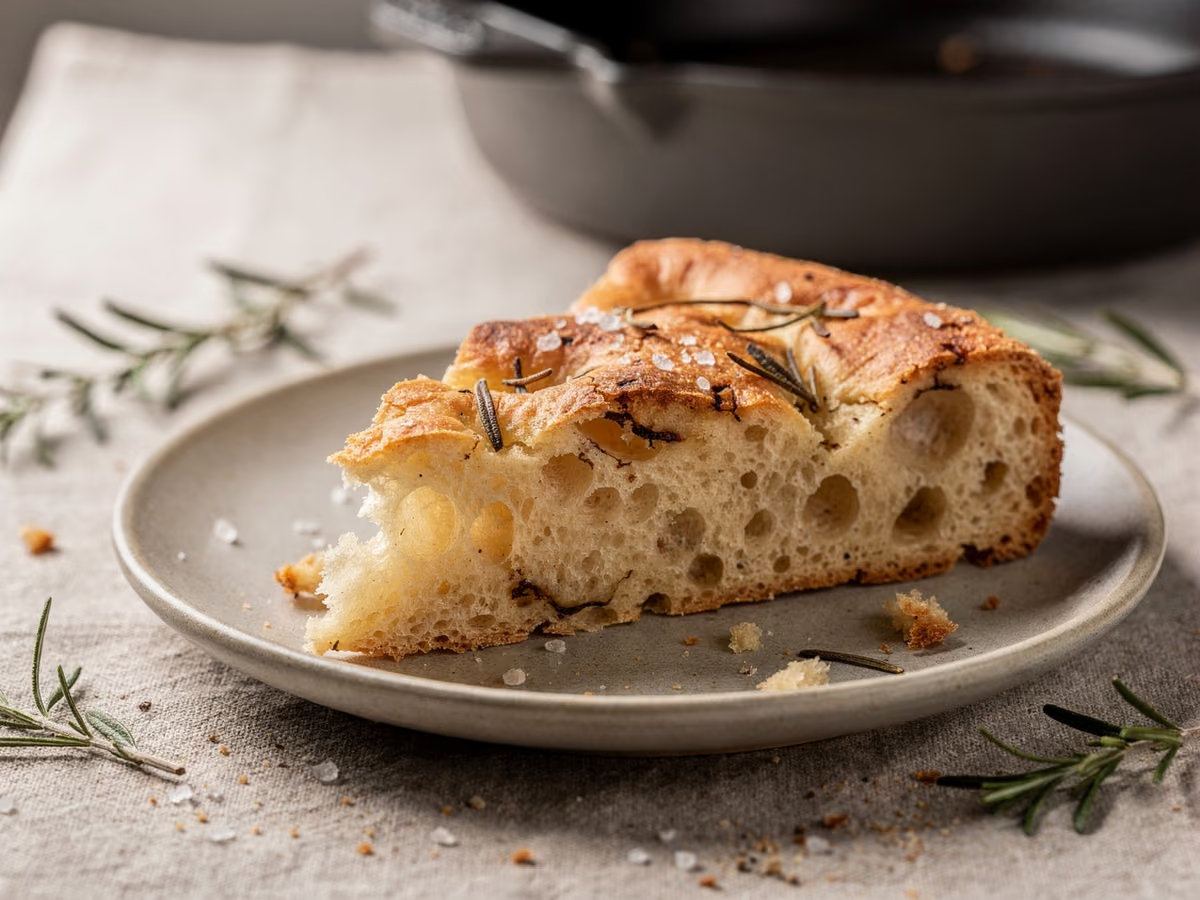
Oil your fingertips and press straight down into the dough to create deep dimples all over, reaching almost to the base of the tray. Scatter the chopped fresh rosemary and flaky sea salt over the top.
Bake on the middle rack for 22 to 25 minutes, until the focaccia is deep golden brown on top and the edges are crisp. If it browns too fast, cover loosely with foil after 18 minutes.
Slide the focaccia onto a wire rack and cool for at least 10 minutes before cutting into squares. Serve warm or at room temperature.
Kitchen notes
Kitchen notes
- The most common mistake is under-oiling the tray and the top: focaccia needs a generous layer of olive oil underneath to fry the base and a good drizzle on top to keep the crumb moist. Do not reduce the oil.
- Dimple the dough firmly with oiled fingers right before baking, pressing almost to the tray. Shallow dimples disappear in the oven and you lose the signature bubbly texture.
- The dough is ready to bake when it is visibly puffed, jiggly and has doubled in volume. If your kitchen is cold, let it rise longer rather than baking it under-proofed, or the focaccia will be dense.
- For a crisper bottom, bake the focaccia on the lowest rack for the first 15 minutes, then move it to the middle rack to finish. Check at 20 minutes since oven temperatures vary.
Substitutions
- bread flour→all-purpose flour (the crumb will be slightly less chewy)
- instant yeast→active dry yeast (activate in the warm water with the sugar for 10 minutes first)
- fresh rosemary→dried rosemary (use 1 tbsp, crumbled)
- granulated sugar→honey (5 g)
Storage & reheating
Store focaccia in an airtight container or zip-top bag at room temperature for up to 2 days, or in the fridge for up to 4 days. To reheat, wrap in foil and warm in a 180°C oven for 8 to 10 minutes, or microwave single slices for 20 to 30 seconds. For longer storage, freeze cut squares in a freezer bag for up to 2 months and reheat from frozen in a 200°C oven for 10 to 12 minutes.
FAQ
The questions we get asked most
Why is my focaccia dense and flat instead of airy?
The dough was likely under-proofed or the yeast was old. Make sure the dough has visibly doubled in volume before dimpling and baking; if your kitchen is cool, this can take up to 2 hours. Also check that your yeast is active by mixing it with the warm water and a pinch of sugar and waiting 10 minutes for foam.
Can I make focaccia dough ahead of time?
Yes. After kneading, cover the bowl and refrigerate the dough for 12 to 24 hours. The cold slow rise improves flavour. Let it come to room temperature for 1 hour, then transfer to the oiled tray, dimple and let it rise again for 1 to 2 hours before baking.
How do I know when focaccia is fully baked?
The top should be deep golden brown and the edges crisp, and the internal temperature should read about 90°C if you have a thermometer. Another test: lift a corner with a spatula; the base should be golden and release easily from the tray. If it looks pale, bake 3 to 5 minutes longer.
Can I use active dry yeast instead of instant yeast?
Yes. Use the same 7 g but dissolve it in the warm water with the sugar first and let it sit for 10 minutes until foamy. Then add it to the dry ingredients and proceed with the recipe. The rise may take 10 to 15 minutes longer.
Why did my focaccia stick to the pan?
The tray was not oiled generously enough. Focaccia needs a visible layer of olive oil covering the entire base and corners, not just a light wipe. Next time, pour 2 to 3 tablespoons of olive oil into the tray and spread it with your fingers before adding the dough.
Can I freeze focaccia and how do I reheat it?
Yes, freeze cooled squares in a freezer bag for up to 2 months. Reheat from frozen in a 200°C oven for 10 to 12 minutes, or wrap in foil and warm at 180°C for 15 minutes. Avoid the microwave for whole pieces as it makes the crust soggy.
What can I use instead of fresh rosemary?
Dried rosemary works well; use 1 tablespoon, crumbled, since it is more concentrated. You can also substitute fresh thyme, oregano or chopped sage. If using dried herbs, rub them between your fingers before sprinkling to release their oils.
Ask KitchenMind about this recipe
Tell it what’s different tonight — it works within the actual recipe.