- Prep
- 10 min
- Cook
- 10 min
- Total
- 20 min
- kcal
- 139.2
- protein
- 1.6 g
- Serves
- 6
Ingredients
What you’ll need — tap to tick off as you go
- 100 g
- 4 cloves
- 2 tbsp
- 1 g
- ½ g
- 20 g
Process
Timers built in · swap anything · ask as you cook
Preheat the oven to 200°C (fan 180°C). Line a baking tray with parchment paper.
In a small bowl, mash the softened unsalted butter with the minced garlic cloves, chopped fresh parsley, salt, and black pepper (if using) until well combined.
Cut the baguette in half lengthwise, then cut each half crosswise into 3 pieces, giving you 6 pieces total. Place them cut-side up on the prepared tray.
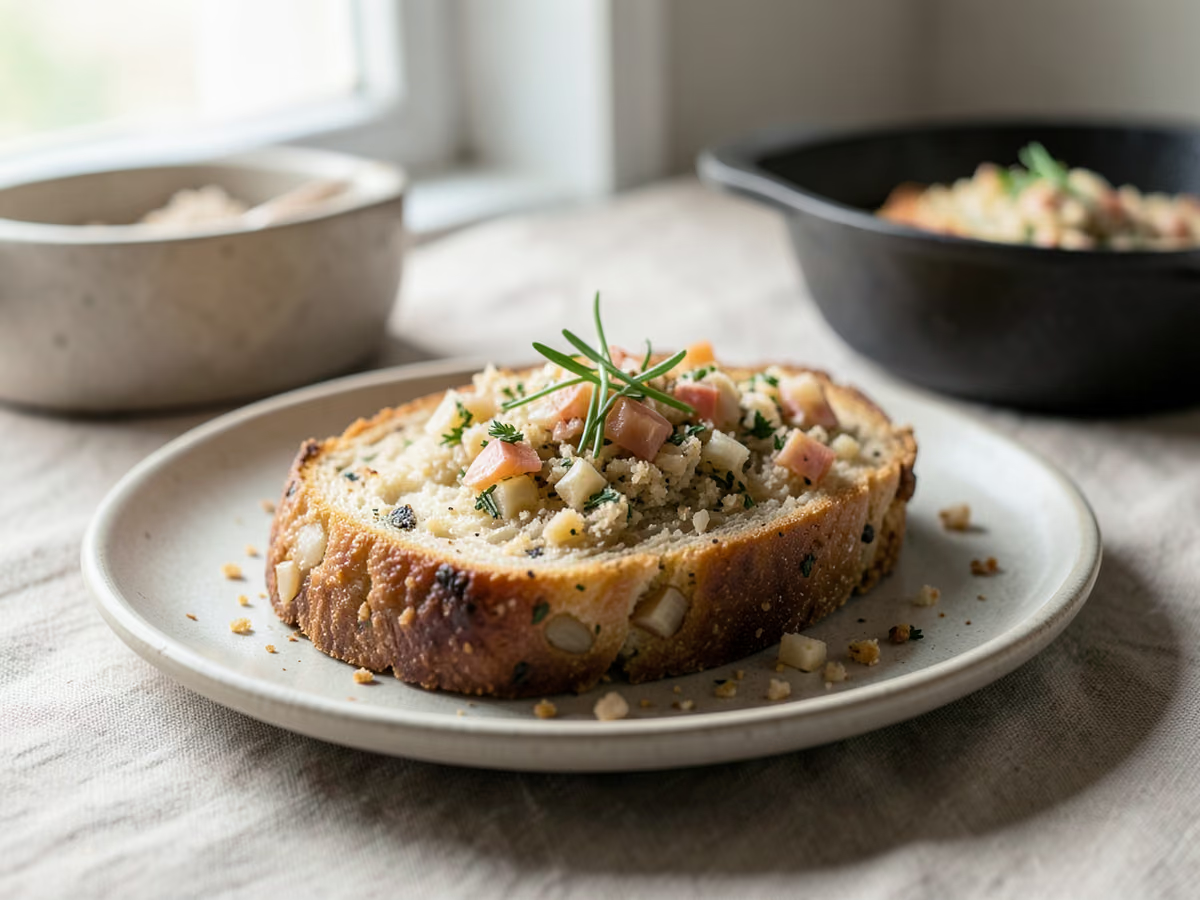
Spread the garlic butter mixture generously over the cut surfaces of the baguette pieces, using all of it. If using parmesan cheese, sprinkle it evenly on top.
Bake for 8–10 minutes, until the edges are golden and the butter is fully melted and bubbling. The bread should be crisp at the edges but still soft in the centre.
Remove from the oven and serve immediately while hot.
Kitchen notes
Kitchen notes
- The most common mistake is using cold butter straight from the fridge; it won't spread evenly and the garlic won't meld. Let the butter soften at room temperature for at least 30 minutes before mixing.
- For the best texture, use day-old bread. Fresh baguette can become soggy under the butter; if yours is very fresh, bake it for 2-3 minutes cut-side down first to dry it slightly.
- Watch the bread closely in the last 2 minutes: it can go from golden to burnt quickly. The tell-tale sign of doneness is when the edges are deep golden and the butter is sizzling.
- Serving suggestion: pair with pasta, soup, or a salad. It's also great as an appetiser with a side of marinara sauce for dipping.
Substitutions
- baguette→ciabatta, sourdough, or any crusty bread
- unsalted butter→salted butter (reduce added salt to a pinch)
- fresh parsley→dried parsley (use 2 teaspoons)
- parmesan cheese→pecorino or nutritional yeast for a dairy-free option
Storage & reheating
Store leftover garlic bread in an airtight container in the fridge for up to 3 days. To reheat, wrap in aluminium foil and warm in a 180°C oven for 5-7 minutes, or until heated through. For a crisper crust, reheat uncovered for the last 2 minutes. Freeze for up to 2 months: wrap individual slices tightly in foil, then reheat from frozen at 180°C for 10-12 minutes.
| Nutrient | Per serving |
|---|---|
| Calories | 139.2 kcal |
| Protein | 1.6 g |
| Carbohydrates | 1.3 g |
| Fat | 14.5 g |
| Saturated fat | 9.1 g |
| Fiber | 0.1 g |
| Sugar | 0.1 g |
| Sodium | 118 mg |
| Cholesterol | 39 mg |
FAQ
The questions we get asked most
Why did my garlic bread turn out soggy?
Sogginess usually comes from using too much butter or very fresh bread. Use day-old bread and spread the butter evenly but not excessively. Also, make sure the oven is fully preheated to 200°C so the bread crisps quickly.
Can I make garlic bread ahead of time?
Yes, you can prepare the garlic butter and spread it on the bread up to 24 hours in advance. Keep it wrapped tightly in the fridge, then bake straight from cold, adding 1-2 minutes to the baking time.
How do I know when garlic bread is done?
It's done when the edges are golden brown and the butter is melted and bubbling. The centre should still feel soft when pressed. This usually takes 8-10 minutes at 200°C.
Can I use garlic powder instead of fresh garlic?
Yes, substitute 1 teaspoon of garlic powder for the 4 cloves of fresh garlic. Mix it into the softened butter. The flavour will be milder and less pungent, but it works in a pinch.
How should I reheat leftover garlic bread?
Reheat in a 180°C oven for 5-7 minutes, either wrapped in foil for soft bread or uncovered for a crisper crust. Avoid the microwave, which makes it chewy and rubbery.
Can I freeze garlic bread?
Yes, freeze it after baking or before baking. Wrap individual slices tightly in foil and freeze for up to 2 months. Reheat from frozen at 180°C for 10-12 minutes.
Ask KitchenMind about this recipe
Tell it what’s different tonight — it works within the actual recipe.