Seolleongtang Ox Bone Soup
Seolleongtang, Korea's milky ox-bone soup, is a slow-cooking project worth clearing an afternoon for: 2 kg of ox leg bones soaked, blanched, then simmered low for six hours with onion, garlic and ginger until the broth turns from clear to opaque white. The brisket joins for the final two hours, emerging fork-tender and easy to slice, and the bowl is built with chewy glass noodles, sliced scallions and a pinch of pepper. Prep takes twenty minutes; the rest is stove time, one skimming, and salt at the table.
- Prep
- 20 min
- Cook
- 360 min
- Total
- 380 min
- Serves
- 6
Ingredients
What you’ll need — tap to tick off as you go
- 2 kg
- 500 g
- 8 cloves
- 30 g
- 4 l
- 2 tbsp
- 1 tsp
- 100 g
- ½ tsp
Process
Timers built in · swap anything · ask as you cook
Soak the 2 kg of ox leg bones, split lengthwise with the marrow exposed, in a large bowl of cold water for one hour to draw out the blood, then drain and rinse them well. That quiet soak is the fastest way to a pale, clean broth; skip it and the scum will keep you busy at the stove.
Blanch the bones in a large pot: cover with cold water, bring to a full rolling boil, and let it go for ten minutes, until grey foam rises. Drain, rinse each bone under cold water, and scrub the pot clean. This first boil is not the broth — it carries off the blood and impurities that would otherwise muddy the finished bowl.
Return the bones to the clean pot, pour in four liters of fresh water, and add the halved onion, eight garlic cloves and the sliced ginger. Bring to a boil, then lower to a steady simmer — small bubbles across the surface, never a rolling boil — cover and cook for four hours, skimming the foam and clear fat that rise.
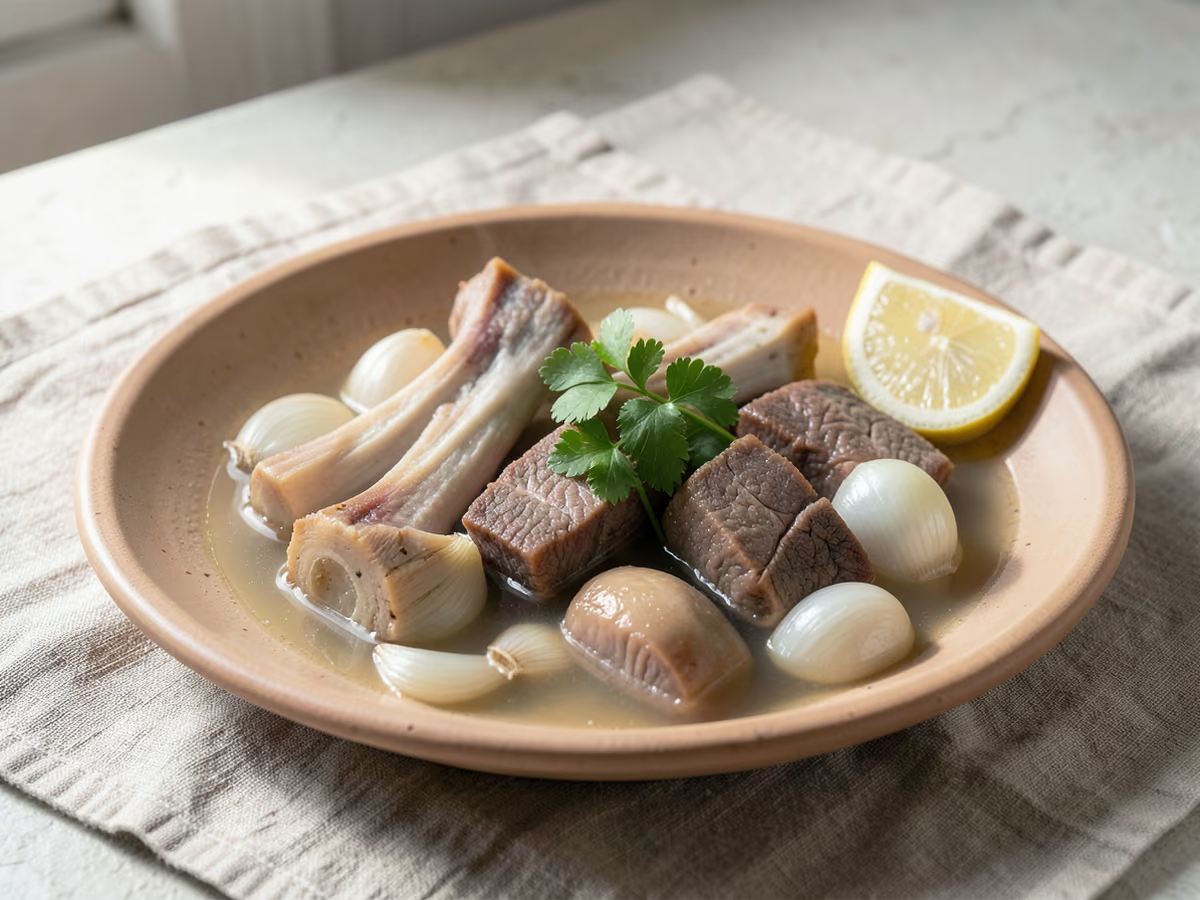
After four hours, add the 500 g of beef brisket — one whole piece — and keep the pot at that same steady simmer for two more hours, until the meat is fork-tender and the broth has turned thick and milky white. Top up with hot water whenever the level slips below the bones.
Lift the cooked brisket out with tongs and set it aside to cool. Strain the broth through a fine-mesh sieve into a clean pot, discarding the spent bones, onion, garlic and ginger, then skim the clear fat from the surface with a ladle and keep the pot hot.
Season the strained broth with 2 tbsp of soy sauce. Simmer it for a minute, taste, and adjust the heat so the pot barely bubbles. Set the salt, black pepper and sliced scallions out on the table, and keep the broth hot until you are ready to build the bowls.
Slice the cooled brisket thinly against the grain and cover it so it does not dry out. Cutting across the muscle fibers is what keeps each piece tender; slices cut along the grain stay stringy no matter how long they simmered.
Soak the glass noodles in cold water for twenty minutes, until they turn pliable, then drain and blanch them in boiling water for two minutes, until soft and translucent. Drain again, rinse under cold water, and set aside — the cold rinse keeps them springy and stops the starch from turning gummy.
To serve, divide the glass noodles among warm bowls and top with the sliced brisket. Ladle the hot broth over, then finish each bowl with the sliced green onions and a pinch of freshly ground black pepper. Serve with steamed rice and kimchi alongside — the milky ox-bone seolleongtang arrives barely seasoned, so each person salts their own bowl at the table.
Why this recipe works
Seolleongtang, an ox-bone soup, gets its milky color from an emulsion, not from milk or cream: hours of steady, lively simmering knock fat and dissolved collagen out of the bones, break them into droplets too small to settle, and those droplets scatter light until the broth reads as white. That is why heat and movement matter more than the clock; a pot that only trembles stays clear. Soaking and blanching purge blood and scum before the long cook, keeping the emulsion clean-tasting instead of muddy, and the brisket added late finishes cooking at the same moment the broth does. Seasoning after straining keeps the flavor bright and hands the final adjustment to the table.
Equipment
- Heavy stockpot, 8 liters or larger, with a lid — a filled pot needs headroom, and thin pots scorch over hours on the stove
- Large colander, for draining and rinsing the blanched bones
- Fine-mesh skimmer or slotted spoon, for lifting off foam early and clear fat later
- Instant-read thermometer, for checking that the broth reaches 74°C when you reheat it
- Large fine-mesh sieve, for straining the broth off the spent bones and aromatics
- Wide, shallow containers, for cooling the broth fast before it goes into the fridge
- Kettle or small pot, for keeping hot top-up water at the stove
- Warm bowls and a ladle — the milky seolleongtang is poured hot, and cold bowls cool it on contact
Kitchen notes
Kitchen notes
- Buy bones cut across. Cross-cut ox leg bones expose the marrow chamber, and that marrow is the source of the broth's body; long, intact bones release far less. Ask the butcher to saw them into shorter lengths if they come whole.
- Keep a kettle of hot water beside the stove. Every top-up should be hot, because cold water stalls the boil and stretches the cook; keeping the bones just covered also keeps the emulsion concentrated instead of thin.
- Boil the drained bones a second time. After straining, put the spent bones back in the pot with fresh water and simmer again — the second batch is often even whiter; combine it with the first for a deeper, milkier pot.
- Swirl before you skim. If you are skimming the hot broth, spin the surface with the back of a ladle first — the fat gathers toward the middle and lifts away in fewer passes, no waiting for a full chill.
- Set the table before you ladle. Salt, pepper, sliced scallions and kimchi should be waiting when the bowls land, because the milky ox-bone seolleongtang arrives barely seasoned and cools quickly; the first spoonful is always the cook's calibration taste.
- A bowl of the milky ox-bone seolleongtang is mostly broth and slow-cooked protein, so it is as light or as hearty as you choose: keep the rice and noodles moderate, spoon the surface fat off before serving, and let the salt come at the table — the pot itself is seasoned gently.
Common mistakes
- Broth that stays clear: milky seolleongtang needs movement as much as time — fat and collagen only emulsify while the pot simmers with steady, lively bubbles. If the color is still thin after three hours, nudge the heat up to a moderate boil, top up with hot water, and keep it rolling until the broth turns opaque, then drop the heat back.
- A grey, gamy-tasting broth: the bones went into the pot without a soak or blanch, so blood and impurities stayed in the water. Soak them in cold water first, boil hard for ten minutes, drain and rinse them, and start the real cook in a scrubbed pot — this step is what keeps the white broth clean-tasting.
- Thin, washed-out flavor: too much water went in before the broth turned milky, so the bones were stretched across more liquid than they could enrich. Keep the water just covering the bones early on, add more only as the level drops, and dilute freely once the color has deepened.
- A bland bowl: the milky seolleongtang was seasoned as if it were a finished restaurant bowl rather than a base. Season the strained broth modestly with the soy sauce and the measured salt, then set more salt, pepper and scallions on the table — the eater finishes the bowl, and that last pinch makes the difference.
- Pooling fat: skipping the final skim leaves a slick yellow cap over the bowl. Skim the grey foam during the first hour of the simmer, then ladle the clear fat off the surface after straining — or chill the broth and lift the solid raft off in one piece.
- Brisket that crumbles instead of slicing: it was sliced while steaming hot, or simmered well past tender. Pull it when a fork slides in easily, let it cool until firm, then cut across the grain — warm meat shreds under the knife, while cooled meat slices clean.
Serving suggestions
- Ladle the seolleongtang, the milky ox-bone soup, over the noodles and brisket in warm bowls, and serve steamed rice alongside — or spoon the rice straight into the broth, Korean-style, where it soaks up the milky body and turns the bowl into a full meal.
- Radish kimchi is the classic side — crunchy, sharp and cold against the hot, rich broth; cucumber kimchi or plain cabbage kimchi work just as well.
- Keep the first servings modest. The broth is deceptively filling once rice and noodles go in, and the seolleongtang is best eaten steaming hot — its milky ox-bone broth loses its charm lukewarm, so seconds from the stove beat one giant bowl.
- Nothing about this dish is spicy: the broth tastes mild and beefy, and the only heat comes from the black pepper cracked over the bowl, so anyone who wants a kick adds extra pepper or a spoonful of a seasoned chili-soy sauce.
Variations
- Bones blend: replace part of the leg bones with knuckle or foot bones for extra gelatin — the broth turns even silkier and sets to a soft jelly when chilled, which is exactly how the old restaurants layered their batches.
- Spicy table mix, called dadaegi: stir soy sauce, Korean chili flakes, a little rice vinegar and minced garlic into a paste and let each person spike their own bowl — the seolleongtang underneath stays mild and milky, so one pot serves both heat seekers and heat dodgers.
- Rice-in-the-bowl version: skip the noodles and ladle the broth over a scoop of hot steamed rice instead, or add sliced rice cakes for a chewier bowl; the rice thickens the broth as you eat and turns it into a one-bowl meal.
Refrigerator
- RefrigeratorCool the broth quickly — divide it into shallow containers instead of leaving the whole pot to linger — and refrigerate within two hours. Broth and sliced brisket keep, covered, for three to four days, stored separately so the meat does not soften further; overnight, the fat sets on top and lifts off in one piece.
- ReheatingReheat on the stovetop, bringing the broth back to a rolling boil so it is hot through; soups reheat safest when they actually boil. Add the sliced meat and the noodles only at the end, so they warm through without overcooking, and adjust the salt after tasting.
- FreezingFreeze the broth and the sliced meat separately for up to three months in sealed containers, leaving headspace for expansion; thaw overnight in the refrigerator and reheat to a rolling boil. The broth stays safe longer, but it loses flavor beyond three to four months.
- Make aheadThe milky ox-bone seolleongtang is a natural make-ahead dish — many cooks think it tastes better on the second day, once the flavors have settled. Make the full pot, cool and refrigerate it, and reheat gently; the flavor deepens, and skimming is easier on the chilled pot.
Updated:
How this recipe was developed
- Korean Bapsang (Hyosun Ro), Seolleongtang (Ox Bone Soup) — bone soaking and parboiling, the medium boil that turns the broth milky, skimming, and serving with rice, scallions, salt and pepper
- Michelin Guide Seoul (Yerica Park), Gomtang vs. Seolleongtang — the gomtang and galbitang distinctions, the salt-versus-soup-soy-sauce seasoning difference, and the dish's Seonnongje ritual origin story
- Wikipedia, Seolleongtang — etymology (Seonnongtang to seolleongtang) and history (Imun Seolnongtang, Seoul's oldest restaurant)
- USDA FSIS, Leftovers and Food Safety — refrigerate leftovers within 2 hours, keep 3 to 4 days, freeze for 3 to 4 months, and bring soups to a rolling boil when reheating
Editorial references are kept internally for verification. This page makes no claim of external certification or professional testing.
FAQ
The questions we get asked most
What is seolleongtang, and what is it made of?
Seolleongtang, the Korean ox-bone soup, is made from bones first: 2 kg of ox leg bones, split so the marrow shows, are soaked, blanched and then simmered with onion, garlic and ginger through the long stretch; the pot needs all those hours to turn the broth milky white. Only then does the brisket go in — 500 g, cooked whole until fork-tender. The bowl is then finished with glass noodles, sliced scallions and black pepper and served with rice and kimchi; soy sauce and a little salt season the pot, with more salt at the table. The whiteness comes entirely from the bones — nothing dairy goes in.
Why is my seolleongtang broth not milky white?
The white color is an emulsion of fat and collagen, and it needs movement as well as time. Three things keep the broth clear: bones that were never soaked and blanched, too much water in the pot before the color developed, and a simmer so gentle the liquid barely moves. Keep the water just covering the bones early on, hold a steady, lively simmer — bubbles across the whole surface, not a lazy tremble — and if the broth is still thin after a few hours, raise the heat until it turns milky, then drop it back and top up with hot water.
What is the difference between seolleongtang, the milky ox-bone soup, and gomtang?
Both are Korean beef soups, but gomtang is the meat-forward one: brisket and other cuts simmered into a clear, golden broth, usually seasoned with soup soy sauce. Seolleongtang, the milky ox-bone soup, is built on bones instead — ox leg bones boiled for hours until their fat and collagen turn the liquid opaque white — and it is deliberately under-seasoned, with salt added at the table. The quick rule: a milky, faintly sweet bone broth is seolleongtang; a clear, meaty one is gomtang.
What is the difference between seolleongtang, the milky ox-bone soup, and galbitang?
Galbitang is a short-rib soup — beef ribs simmered until tender in a clear, lightly seasoned broth, built around the meat on the bone. Seolleongtang is the milky ox-bone soup: leg bones boiled for many hours until the liquid turns opaque white, then served over noodles with sliced brisket and scallions. At a glance, the color and the cut tell them apart — clear broth with ribs is galbitang, and white broth over noodles is seolleongtang, the milky ox-bone soup.
How do you eat seolleongtang — does it come seasoned?
At the table, with the bowl finished by the eater. The milky ox-bone seolleongtang arrives barely seasoned — this version puts just soy sauce and a little salt in the pot — and salt, black pepper and a pile of sliced scallions sit nearby so everyone adjusts their own bowl; many people spoon in the steamed rice or eat it alongside. Nothing about it is spicy, either: the only heat comes from the pepper you add, so you control it completely.
Can I make seolleongtang ahead of time or freeze it?
Both work well for seolleongtang, the milky ox-bone soup. Make the full pot, cool it quickly in shallow containers, and refrigerate: the broth keeps three to four days, and the fat firms on top overnight so it lifts off cleanly; many cooks swear the flavor improves by the second day. The broth and sliced meat also freeze well for up to three months — thaw overnight in the refrigerator, then reheat to a rolling boil — but keep the glass noodles and scallions fresh for serving day.
Can I use a pressure cooker or electric pressure cooker for seolleongtang?
Yes — the milky ox-bone seolleongtang is one of the soups that suits a pressure cooker best. After soaking and blanching, cook the bones with onion, garlic and ginger under high pressure for about an hour, then let the pressure release naturally; a quick release can spray hot broth. High pressure alone usually leaves the broth clear, so finish it open — simmer on the stovetop or the sauté setting for another hour, until the color turns milky. The brisket needs only a separate short cook, about forty-five minutes under pressure, or simmer it in the finished broth until fork-tender.
Ask KitchenMind about this recipe
Tell it what’s different tonight — it works within the actual recipe.